1 Michelin Star
Our verdict
In the heart of Gion, Gion Mamma earns its Michelin star through a philosophy its name makes literal: 'manma,' meaning 'just as it is.' Seasonal ingredients, bamboo shoots in spring, sweetfish in summer, Pacific saury in autumn, duck in winter, are grilled over a sunken charcoal hearth with minimal interference. The evening menu offers choices, making this one of Gion's more considered options for a milestone meal.

Pearl is the En Primeur Club membership app, where members save venues, book tables and use the concierge.
Fire, Season, and the Weight of a Special Evening in Gion
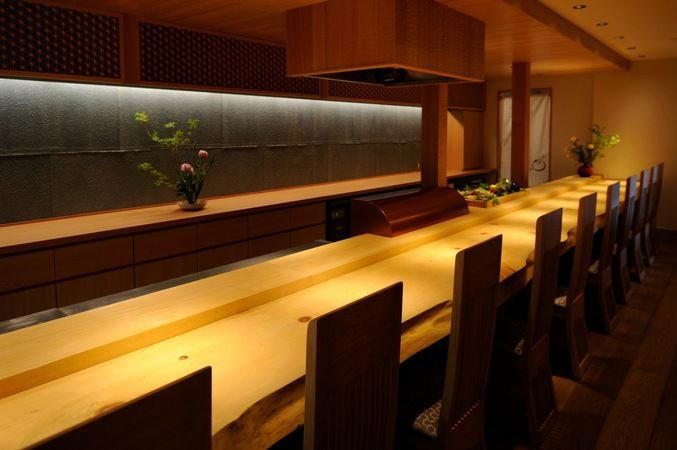
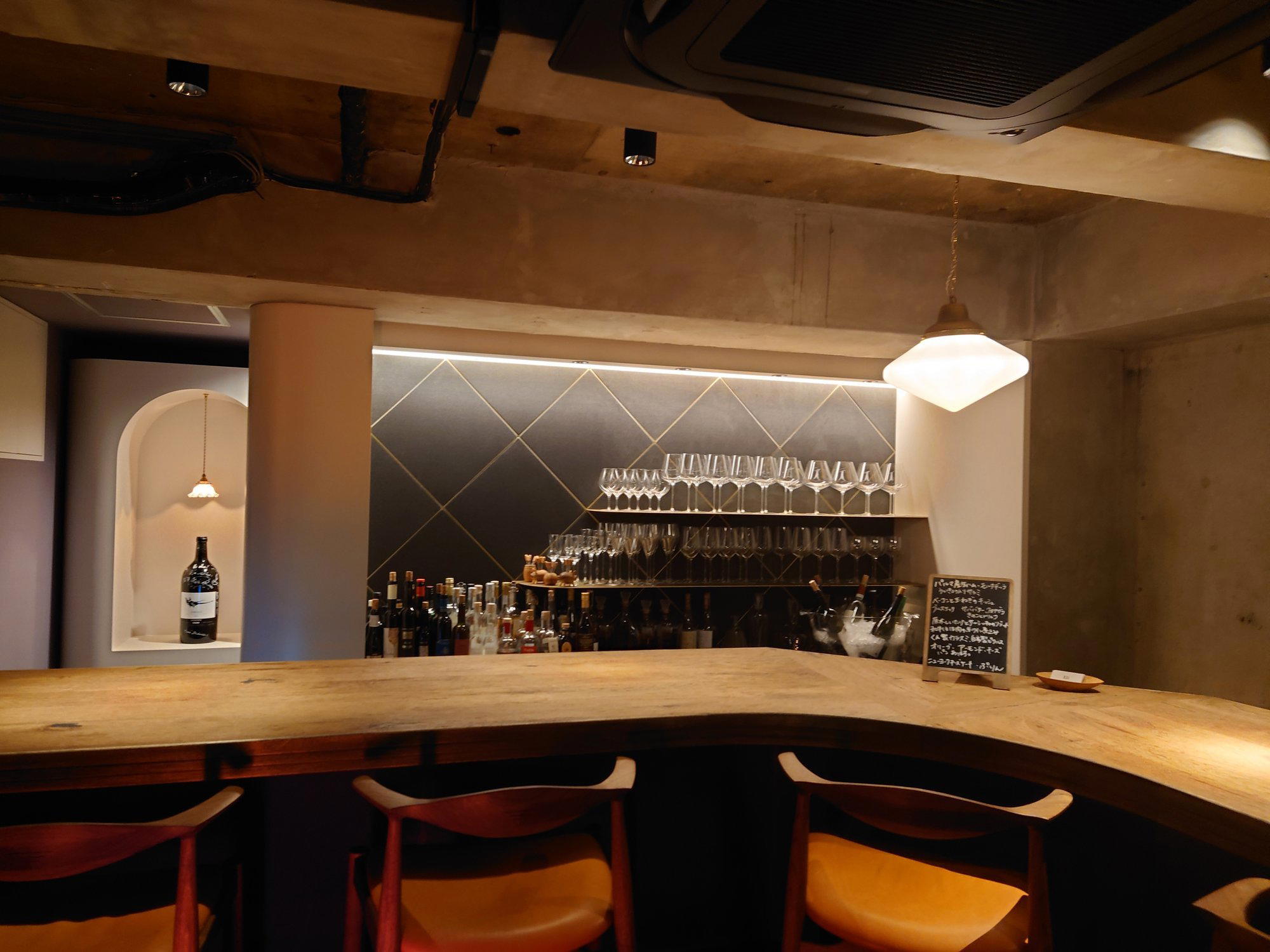
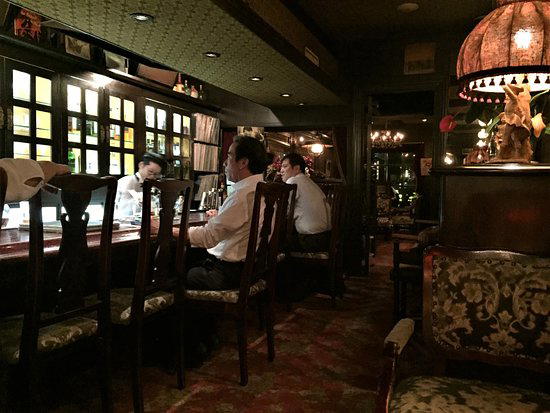
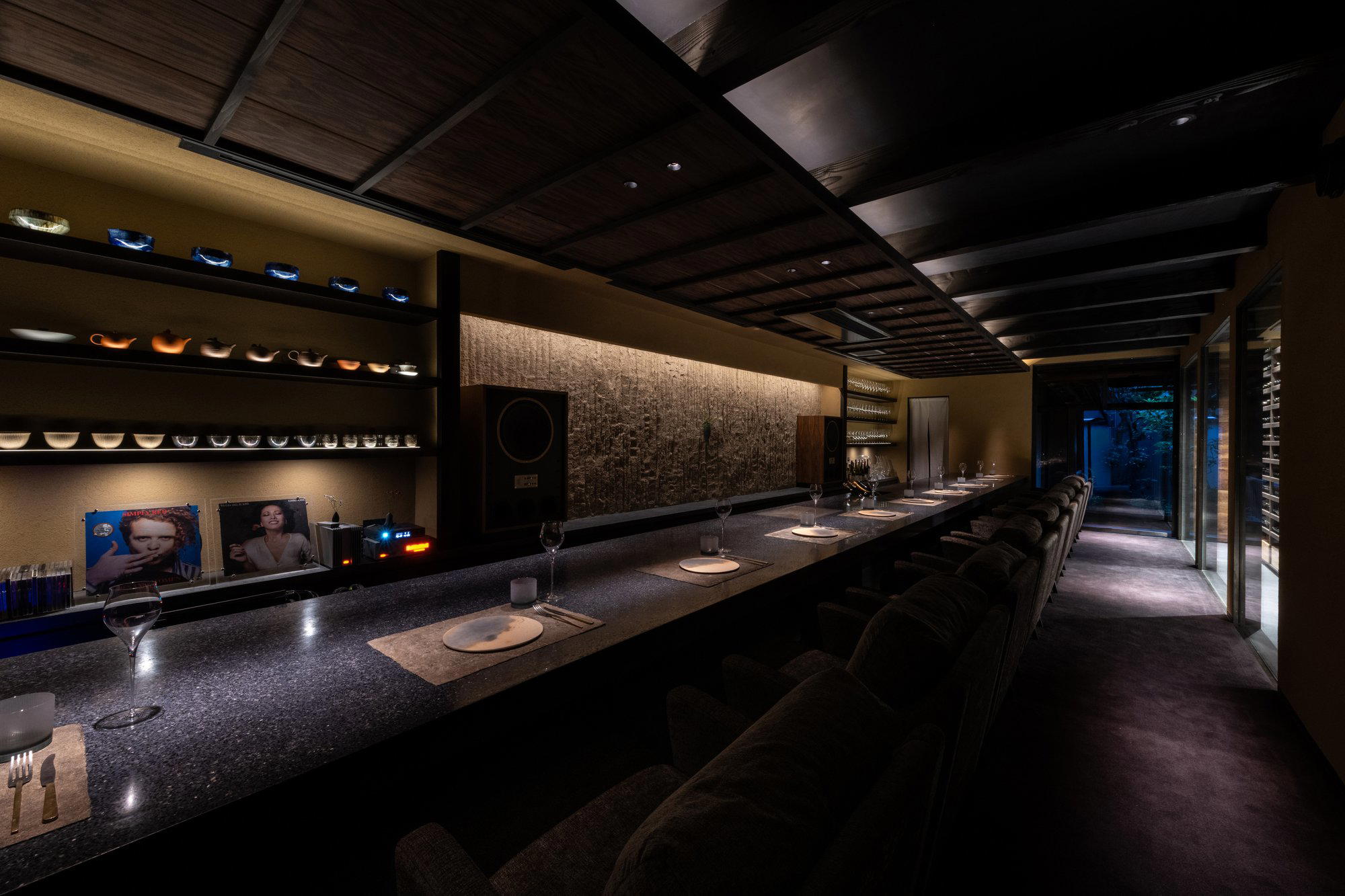
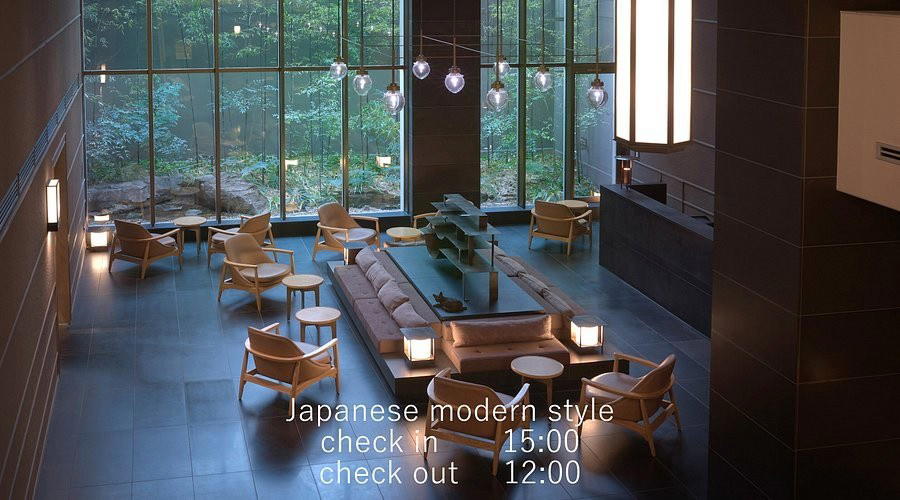
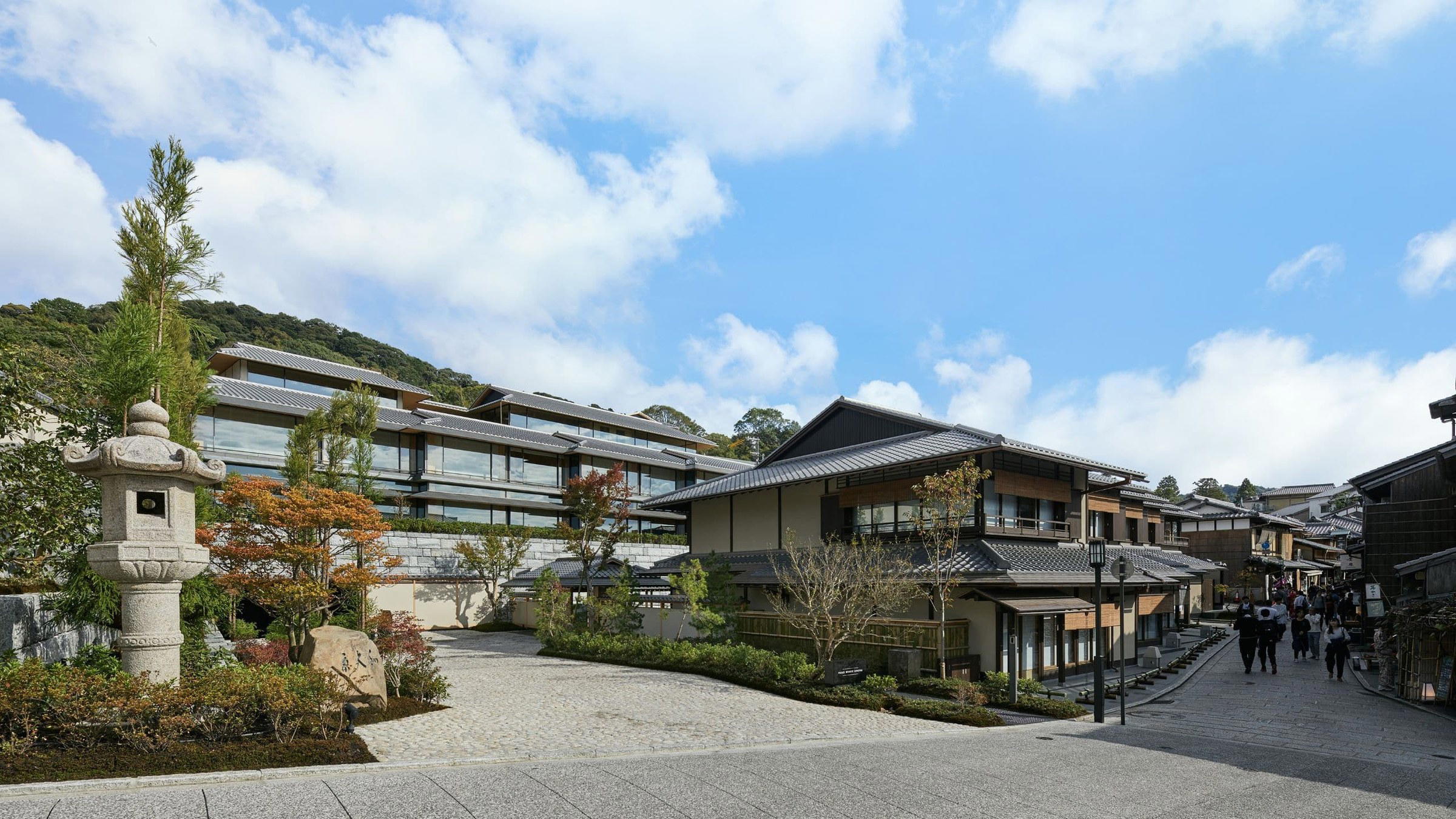
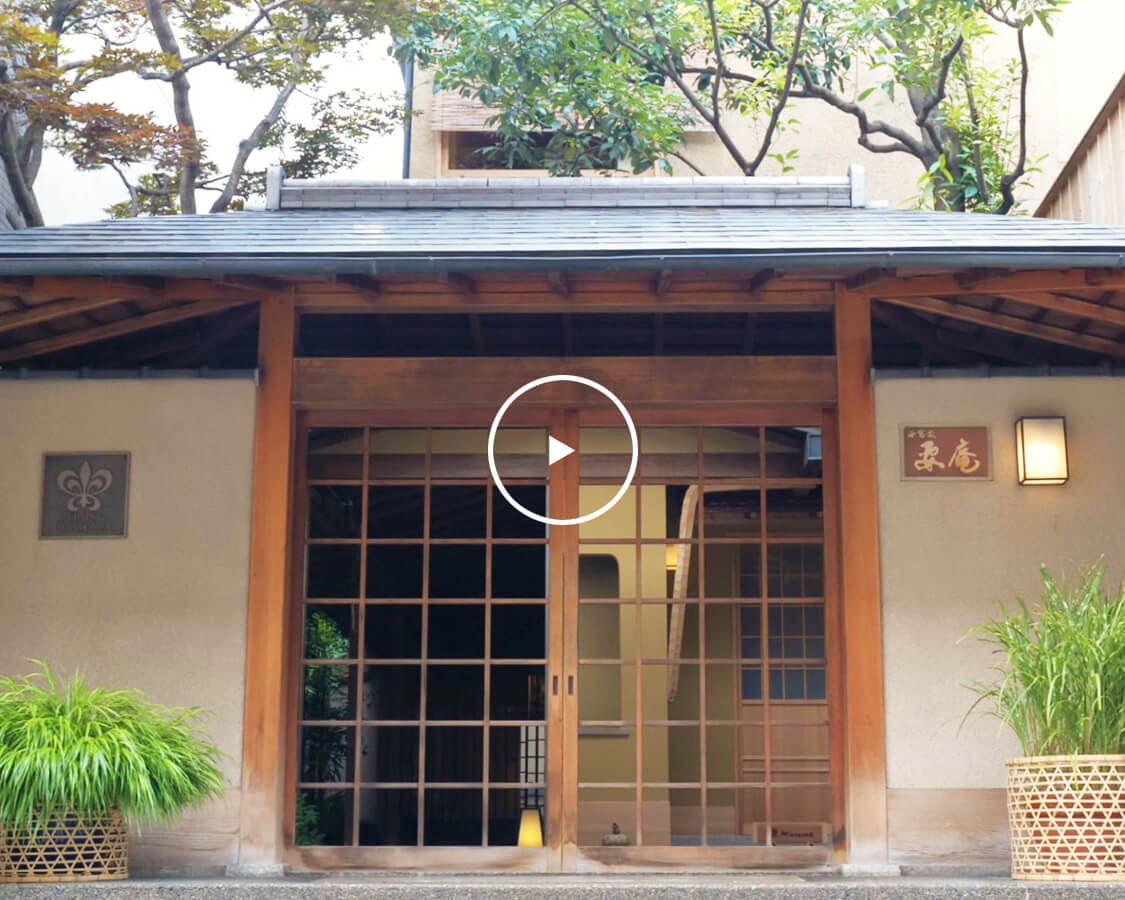
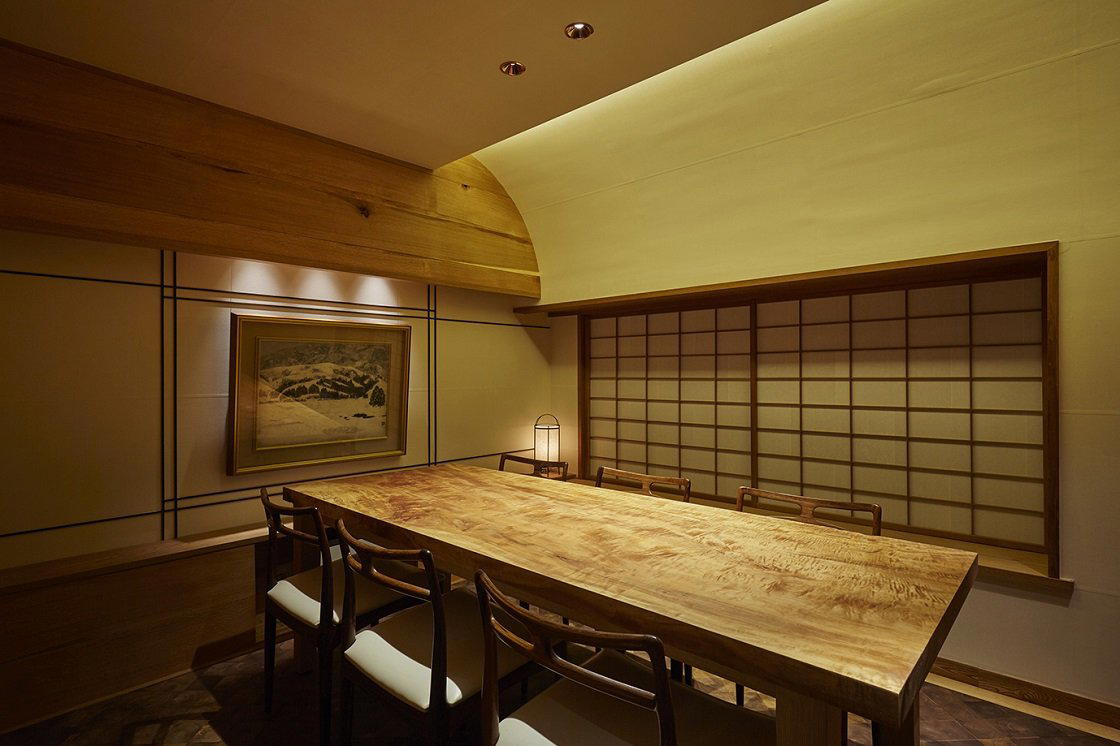
The streets of Gionmachi Kitagawa carry a particular quality of stillness after dusk. The ochre lantern light, the wooden lattice facades, the occasional sound of geta on stone: this is Kyoto's most theatrically preserved quarter, and the restaurants that operate here understand the performance the neighbourhood demands. Gion Mamma, set within that web of machiya architecture at the northern end of Gion, pitches itself differently from the white-glove kaiseki houses that dominate the area's upper tier. It is built around a sunken hearth, an irori, and the logic of charcoal flame rather than the precision knife-work that defines kaiseki. That difference matters enormously when you are choosing where to mark an occasion.
What Irori Cooking Means for Occasion Dining
Japan's grilling traditions are older than its kaiseki refinements, and the irori format carries a weight of domestic ceremony that formal tasting menus rarely replicate. Gathering around a hearth is an act with social and symbolic resonance: it asks guests to watch the cooking, to slow down, to attend to the moment when ingredient meets flame. For a celebration dinner, that shared focus is an asset. Kaiseki's procession of small, technically intricate courses can be absorbing, but irori cooking is communal in a way that suits milestone occasions, anniversaries, significant birthdays, the kind of dinner where the room itself should feel like part of the memory.
Gion Mamma holds a Michelin one star as of 2024, which positions it in a specific band within Kyoto's competitive dining scene. The city's starred restaurants span an unusually wide range: from three-starred kaiseki institutions at the top of the market (Gion Sasaki operates at ¥¥¥¥, as does Ifuki with two stars) to single-starred addresses that represent sharper value without compromising seriousness. Gion Mamma sits in that single-star, ¥¥¥ bracket, which in practice makes it one of the more accessible entry points into Michelin-recognised dining in this neighbourhood, particularly relevant when you are hosting guests with different levels of familiarity with formal Japanese dining. For broader context on where this fits within the city's dining tier, our full Kyoto restaurants guide maps the field in detail.
The Seasonal Logic of the Menu
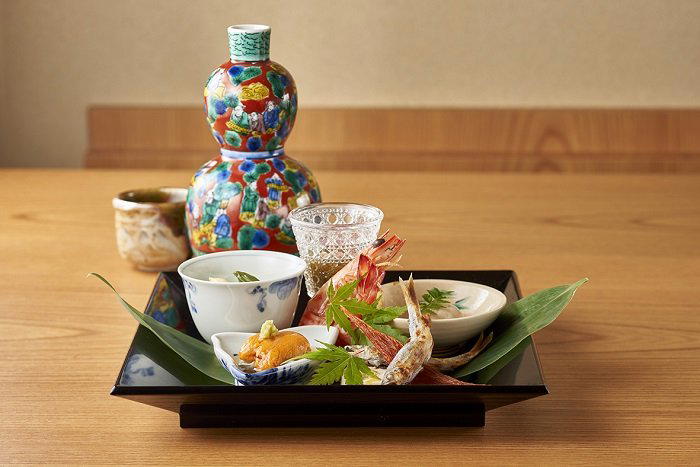
The menu at Gion Mamma follows a four-season rhythm that is not merely decorative but structural. Bamboo shoots mark early spring; ayu (sweetfish) arrive in summer; Pacific saury signals autumn; duck carries the winter menu. These are not garnishes but the central subject of each visit, grilled over charcoal on the big sunken hearth with what the restaurant's own framing describes as a commitment to inherent flavour over intervention. The Japanese word 'manma', the restaurant's stated philosophy, translates roughly as 'just as it is,' implying that the chef's role is to reveal what the ingredient already contains rather than to transform it.
This places Gion Mamma in a tradition of Japanese cooking that values restraint as a form of rigour. It is not the same discipline as kaiseki's precision layering, and it is not yakitori's street-food directness either. Irori grilling at this level sits in its own category: ingredient-led, flame-mediated, season-dictated. The apprenticeship background described in the venue's record, a training that instilled a foundational respect for raw material, is relevant here not as a biographical point but as confirmation that the cooking rests on a serious technical and philosophical foundation.
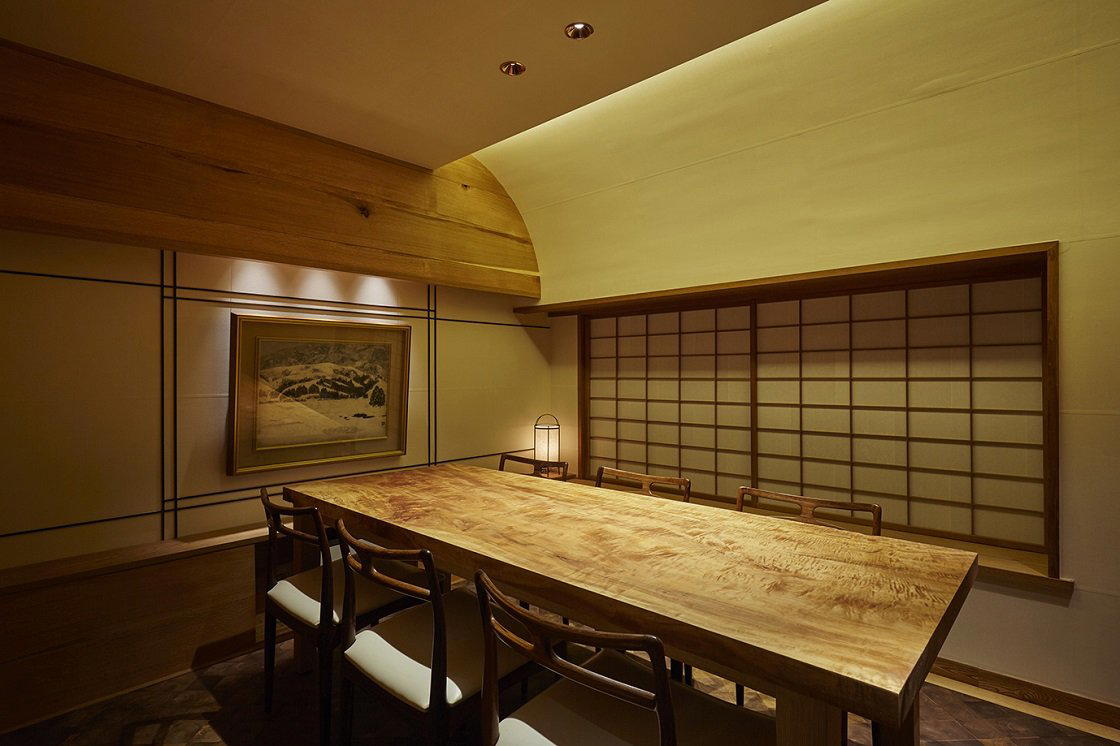
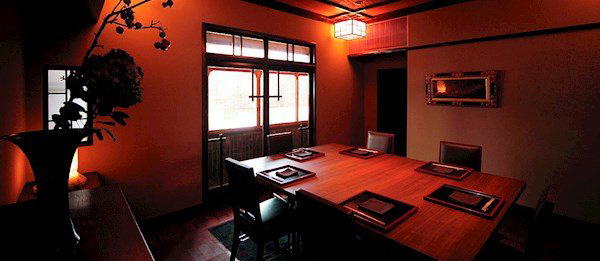
The evening format offers guests choices from the menu, which is a meaningful structural decision. Many of Kyoto's serious restaurants operate fixed courses only, which works well for solo diners or couples with shared palates but can complicate group occasions. Having some menu flexibility makes Gion Mamma a more practical host for groups celebrating together, particularly when dietary preferences vary.
Where Gion Mamma Sits Among Its Peers
Gion is dense with serious Japanese restaurants, and choosing between them for a significant occasion requires more than checking star counts. Isshisoden Nakamura and Kikunoi Roan both operate in the kaiseki tradition, which delivers a different register of formality. Gion Matayoshi and Kenninji Gion Maruyama add further texture to the neighbourhood's upper-mid tier. Kodaiji Jugyuan rounds out another nearby option. Against that set, Gion Mamma's irori format is a genuine point of differentiation: there are fewer hearth-centred fine dining addresses in Kyoto than there are kaiseki counters, and for guests who have already experienced the kaiseki format on previous visits, the shift to charcoal-grilled seasonal cooking offers something meaningfully distinct.
The broader Japan context is worth noting for well-travelled diners. Irori-style grilling appears in different forms across the country's fine dining register, at restaurants like HAJIME in Osaka the ingredient-reverence philosophy takes a more avant-garde form, while venues like Harutaka in Tokyo and Myojaku in Tokyo represent different expressions of the same foundational Japanese cooking ethic. Azabu Kadowaki and akordu in Nara extend the regional map further, as do Goh in Fukuoka, 1000 in Yokohama, and 6 in Okinawa. Gion Mamma reads as the Kyoto expression of a national commitment to seasonal specificity and ingredient integrity.
Planning the Visit
Gion Mamma is located at 347-108 Gionmachi Kitagawa in Higashiyama Ward, the heart of old Gion, within walking distance of Yasaka Shrine and the Shirakawa canal. The area is most animated in the evenings when the machiya restaurants light up and foot traffic from Gion Corner and the neighbouring tea houses brings energy to the lanes. For a celebration dinner, arriving just after dark aligns the walk through the neighbourhood with its most atmospheric hour. The ¥¥¥ price tier places an evening here above Kyoto's casual dining level but below the top-tier kaiseki houses, making it a considered choice for occasions where the quality signal matters but the budget for a ¥¥¥¥ experience is not in play. For those also planning accommodation or wider itinerary research, our Kyoto hotels guide, bars guide, wineries guide, and experiences guide cover the full visit.
Frequently asked questions
Where exactly is Gion Mamma?
Gion Mamma is located at 347-108 Gionmachi Kitagawa, Higashiyama Ward, Kyoto, 605-0073, Japan, Kyoto.
What distinctions does Gion Mamma have?
Gion Mamma has received recognition including: As an apprentice, the chef learned to treat ingredients with respect. Focusing on the perfect charcoal flame to deliver unadorned deliciousness comes naturally to him. Seasonal flavours such as bamboo shoots in spring, sweetfish in summer, ….
What's the best thing to order at Gion Mamma?
The menu is structured around four seasonal anchors: bamboo shoots in spring, ayu (sweetfish) in summer, Pacific saury in autumn, and duck in winter. In the evening, the chef allows guests to choose from the menu rather than following a fixed sequence, so arriving with a clear sense of the current season is the most direct way to eat well here. The charcoal-grilled preparations over the sunken irori hearth are the kitchen's defining technique, so any dish cooked over that flame is the right order.
What's the cuisine at Gion Mamma?
Is Gion Mamma more mid-range or high-end?
Pricing at Gion Mamma is listed as ¥¥¥.
How hard is it to get a table at Gion Mamma?
A Michelin 1-star listing since at least 2024, combined with a location in the most sought-after stretch of Higashiyama Ward, means demand consistently outpaces walk-in availability. Reaching out through a hotel concierge in Kyoto is the most reliable route to securing a seat.
A Quick Peer Check
| Venue | Cuisine | Price | Awards | Notes |
|---|---|---|---|---|
| Gion MammaThis venue (the venue you are viewing) | Michelin-Starred Kaiseki with Charcoal Grilling | $150–200 | 1 Michelin Star | Not listed |
| Gion Sasaki | Modern Kaiseki | $300–500 | 3 Michelin Stars · La Liste Top Restaurants | Kaiseki, Japanese |
| cenci | Innovative Italian-Japanese Fusion | $100–150 | 1 Michelin Star · World's 50 Best #76 | Italian |
| Ifuki | Sumibi Kappo Kaiseki | $200–300 | 2 Michelin Stars · La Liste Top Restaurants | Kaiseki |
| Kyokaiseki Kichisen | Kyoto Kaiseki | $200–300 | 2 Michelin Stars · La Liste Top Restaurants | Japanese |
| Kyo Seika | Modern Chinese Fine Dining | $150–200 | 1 Michelin Star · Tabelog Bronze #216 | Chinese |
Recognition history
Dated appearances from independent guides and award organizations, with the underlying list record or original source where available.
Michelin 1 Star
Michelin
Full recognition history (2 entries)
Michelin 1 Star
Michelin