2 Michelin Stars
Our verdict
At Muromachi Yui in Nakagyo Ward, chef Kazuteru Maeda works alone to produce a counter-driven omakase shaped entirely by seasonal forage and two-day-aged kombu dashi. The hassun platter shifts monthly to track Kyoto's ritual calendar, while white rice is served at the moment of cooking.

Pearl is the En Primeur Club membership app, where members save venues, book tables and use the concierge.
Counter Cooking as Seasonal Document
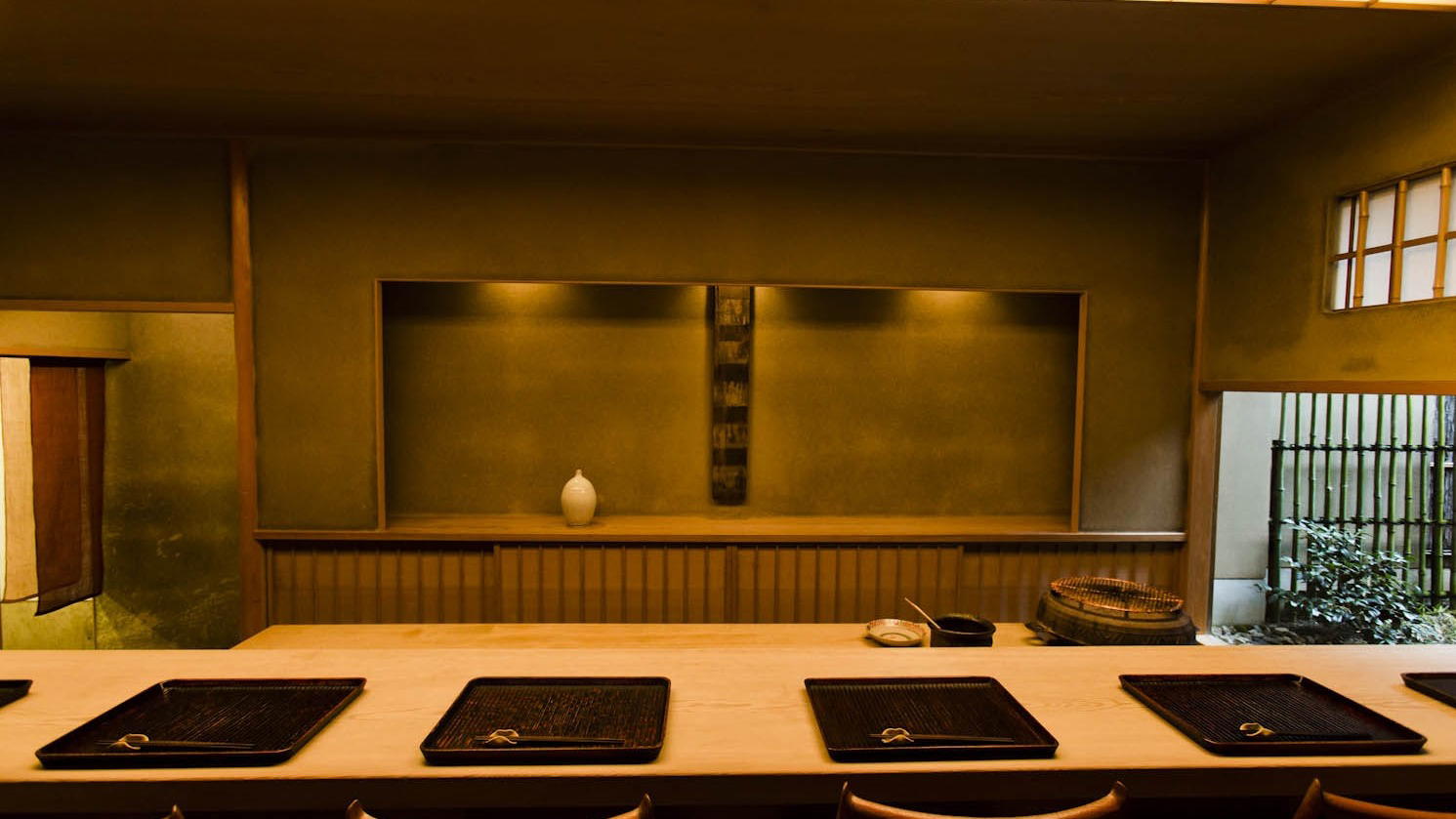
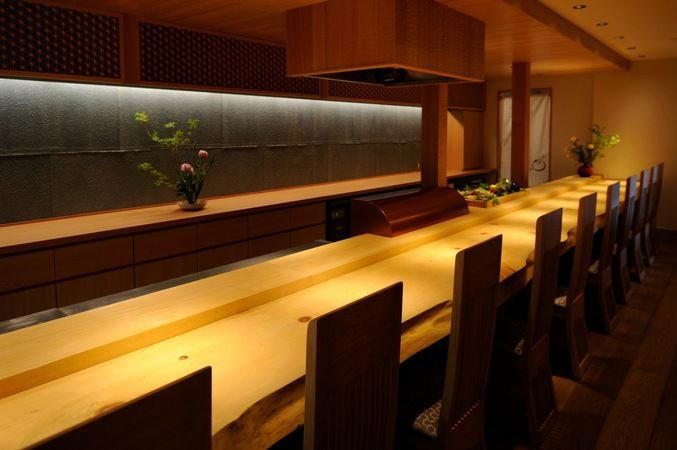
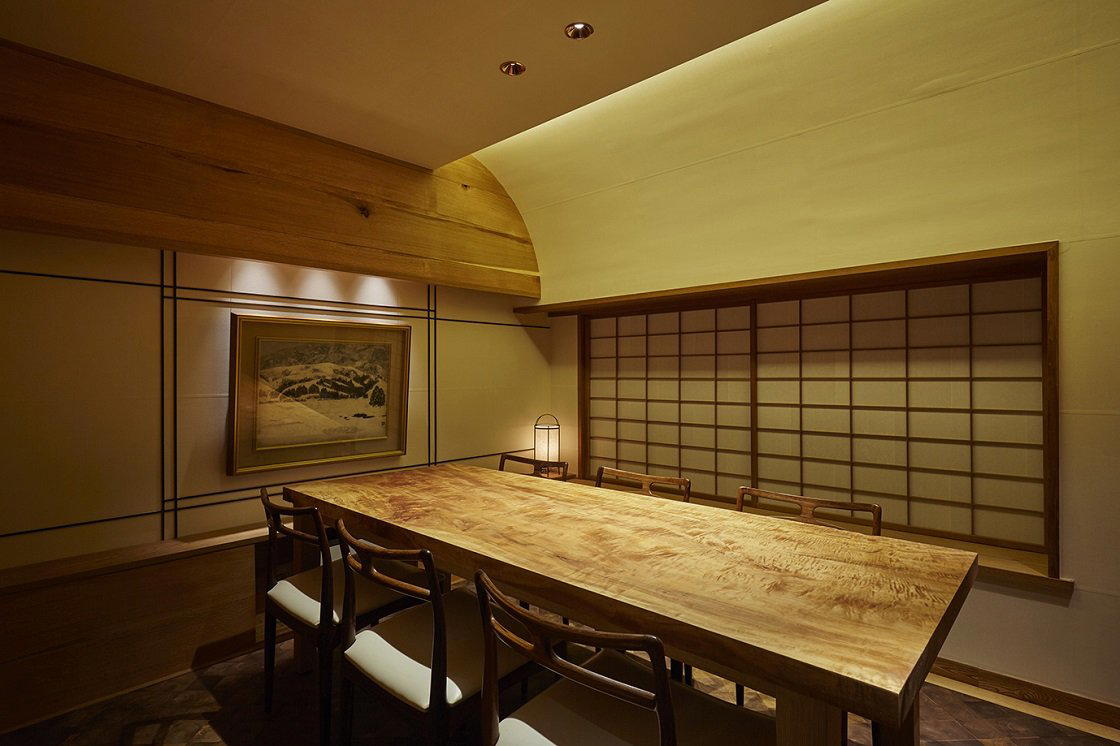
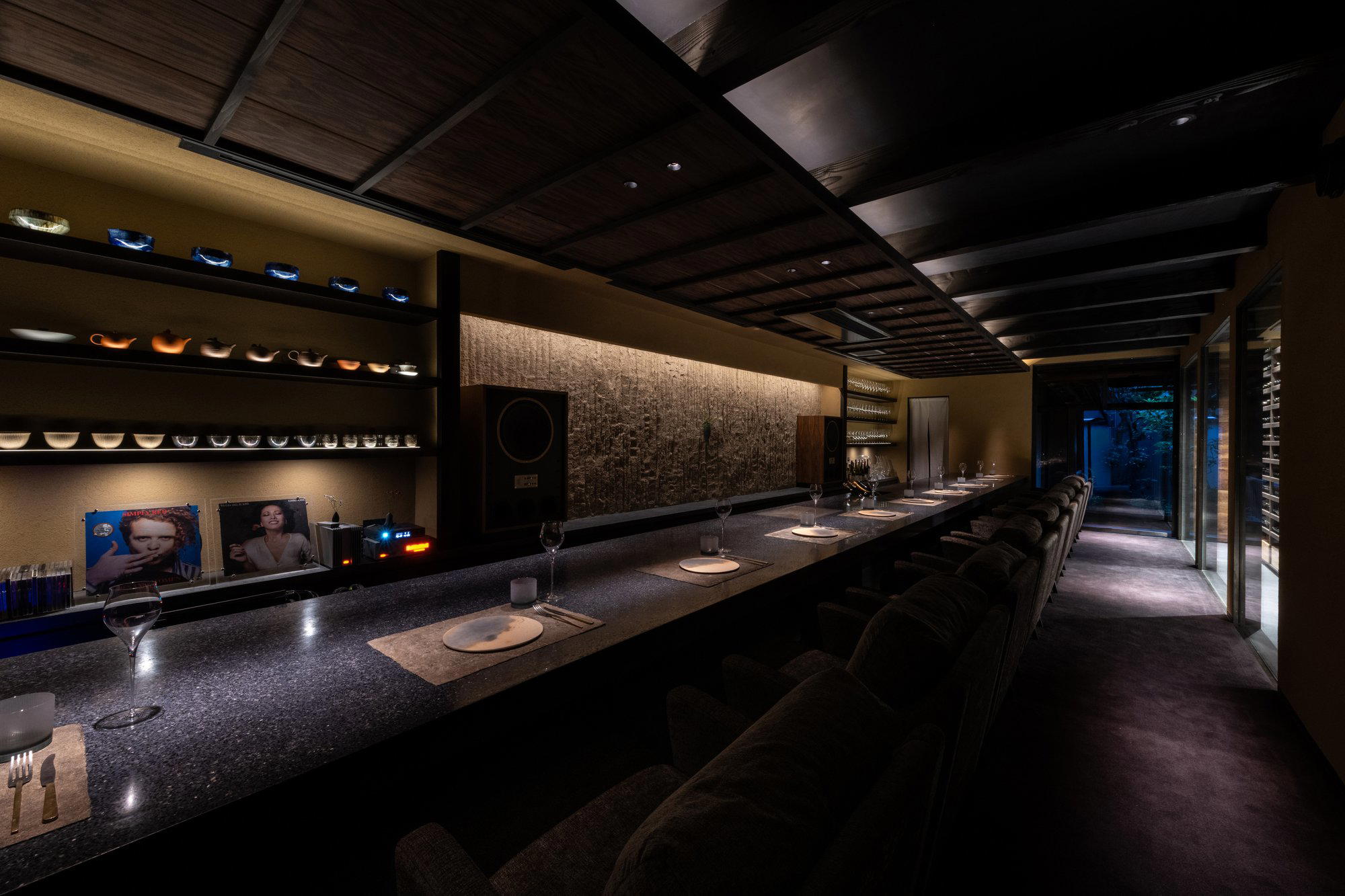
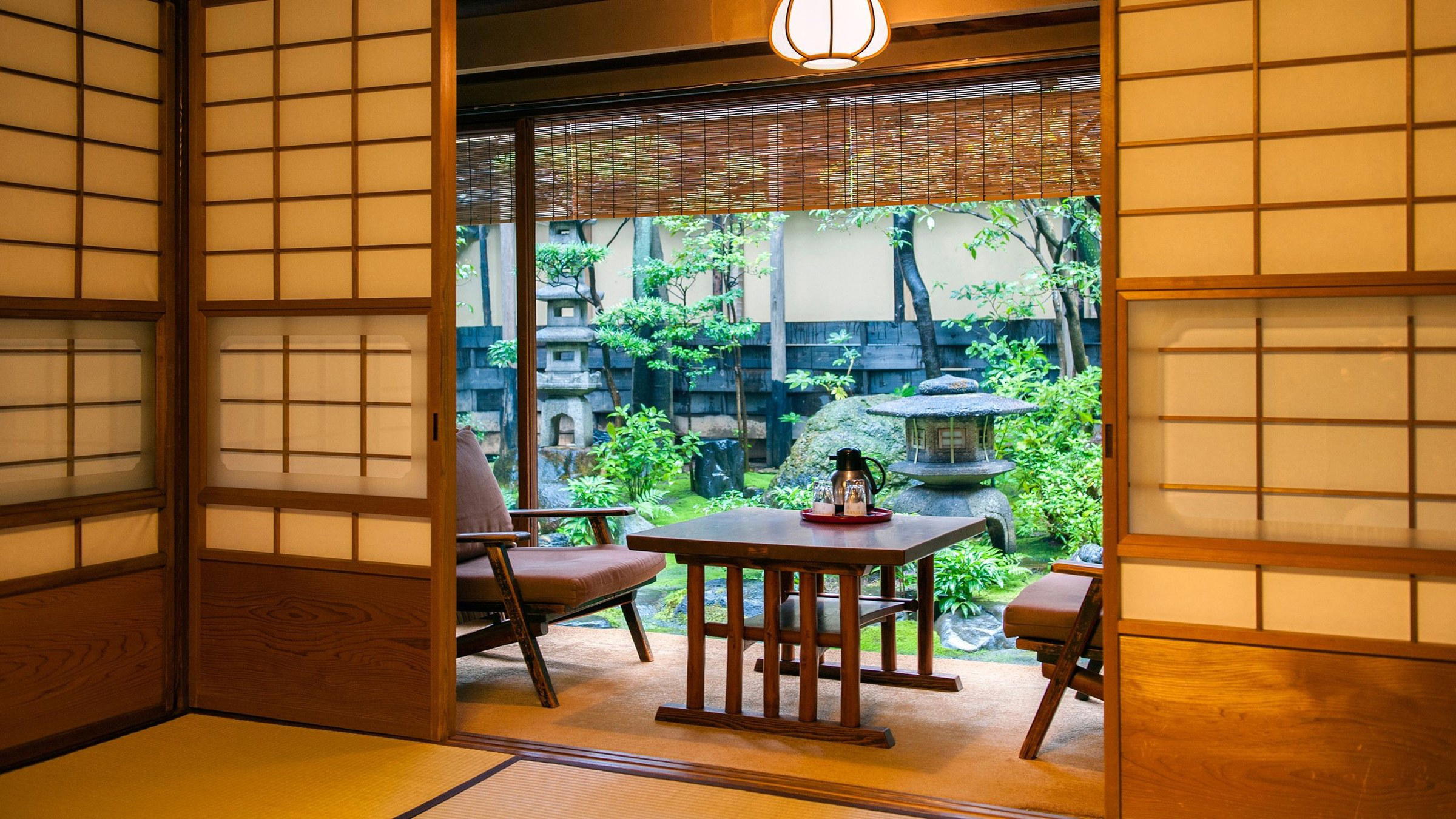
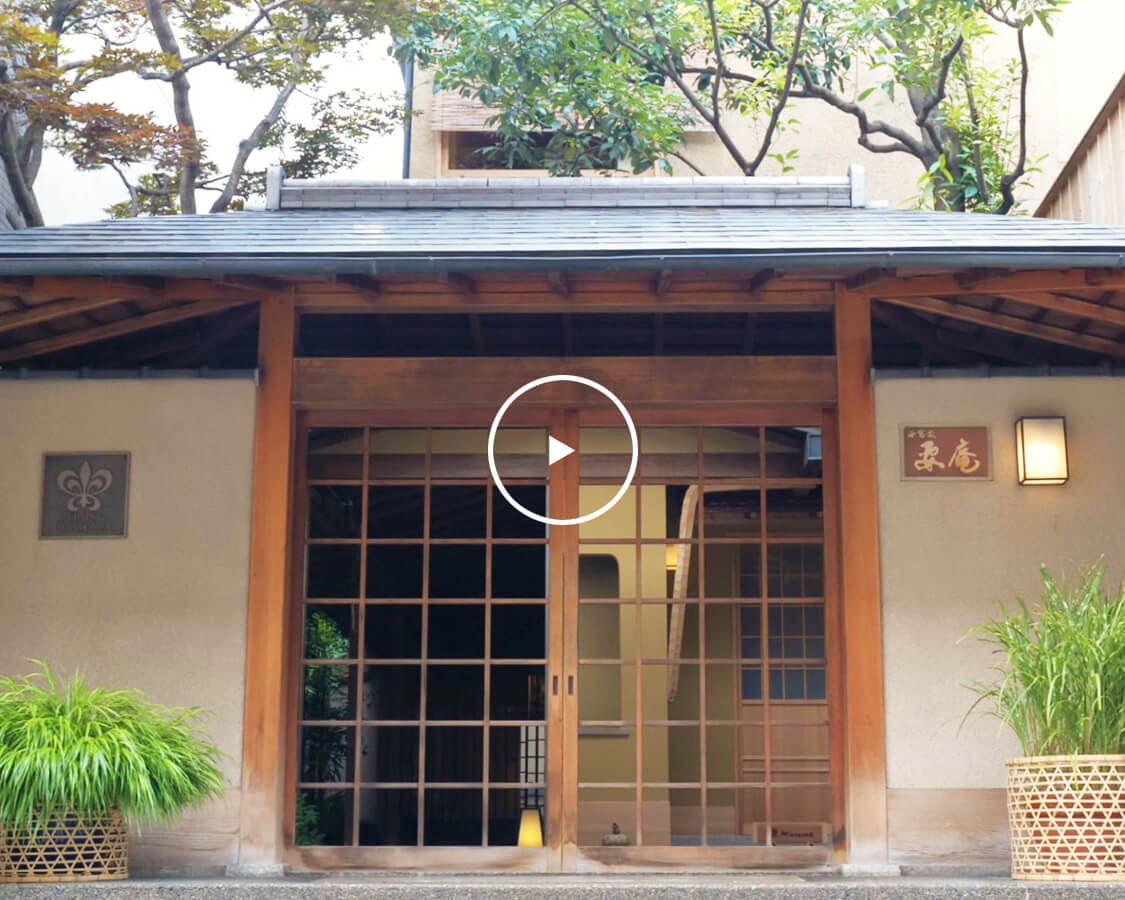
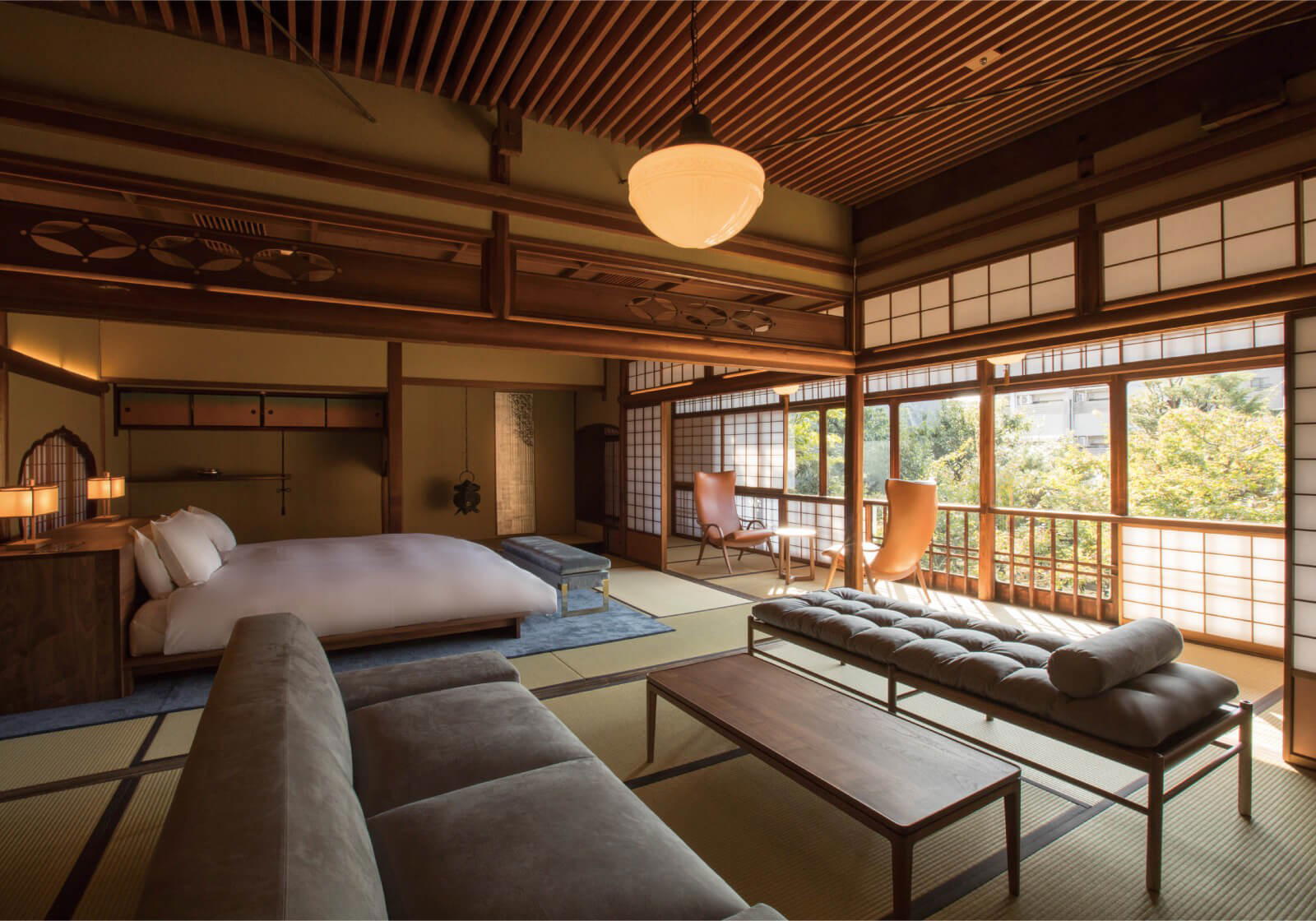
Kyoto's kaiseki tradition has long operated on the principle that the calendar dictates the plate. That principle reaches its most concentrated form not in large dining rooms with brigade kitchens, but at small counters where a single cook controls every variable from first dashi to final rice. Muromachi Yui, on a quiet lane in Nakagyo Ward, belongs to that smaller, more singular tier: a room in which the preparation itself is visible, deliberate, and framed as the event.
The editorial angle that defines this kind of counter is not spectacle for its own sake. It is transparency as a guarantee. When one person assembles every element in view of the guests, the usual distance between kitchen and table collapses. What arrives in front of you carries a traceable logic: you watched it come together. That dynamic is closer in spirit to the sushi omakase counter, where the chef's hands are the performance, than to the multi-remove kaiseki served through sliding screens in a ryotei. In Kyoto's mid-tier ¥¥¥ bracket, that format remains less common than the traditional service model, which is part of what positions Muromachi Yui distinctly within the city's Japanese dining range.
Two-Day Dashi and the Logic of Foundation
Japanese haute cuisine rarely signals its depth through dramatic tableside technique. The most consequential decisions happen hours or days before service. At Muromachi Yui, chef Kazuteru Maeda ages his primary soup stock for two days to extract the full umami range from kombu kelp. That timeline is not a gimmick: kombu releases glutamates slowly, and a short steep produces a thinner, more one-dimensional result. Two days yields greater depth without bitterness, assuming temperature discipline throughout. The dashi functions as the invisible architecture beneath nearly every dish in a Japanese meal of this type, which means the investment at the stock stage compounds across the entire sequence.
This approach places Maeda in the company of Kyoto cooks who treat preparation time as a form of craft in itself, rather than a concession to efficiency. Compared with counters elsewhere in Japan where dashi is prepared same-day or pulled from concentrate, the two-day method is a statement of priorities. For diners at places like Isshisoden Nakamura or Kikunoi Roan, the dashi question is often implicit, its quality inferred from the bowl. Here, the process is part of the story.
Foraged Ingredients and the Seasonal Chassis
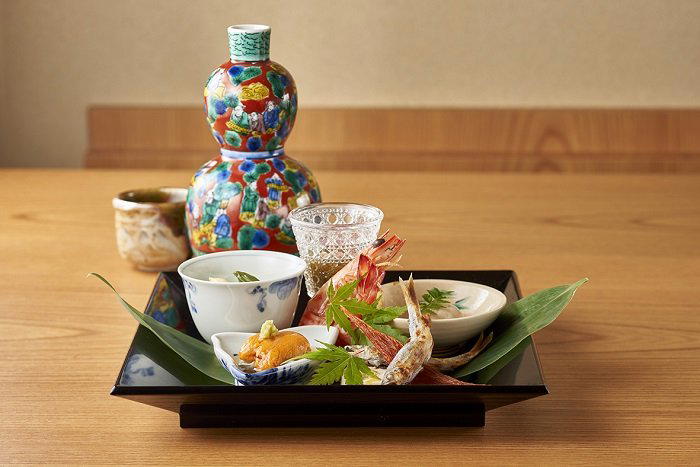
The hassun, the second course in a traditional kaiseki sequence, presented as a platter, functions as a seasonal and cultural calendar in compressed form. Muromachi Yui's hassun is designed to convey the month's events and customs, not simply its produce. That distinction matters: a purely ingredient-driven approach delivers what is ripe; a customs-driven approach delivers what is meaningful at a given point in the year, which in Kyoto's case means a city dense with ritual, festival, and ceremonial association.
Maeda forages edible wild plants and mushrooms personally, gathering from mountain sources rather than through wholesale suppliers. In the context of Japanese fine dining, that sourcing model involves a level of physical engagement that most urban restaurant operators have long since outsourced. Wild sansai and foraged mushrooms vary in availability, flavor intensity, and texture in ways that cultivated equivalents do not, and working with them requires adaptive skill rather than formulaic replication. That variability is precisely the point: the meal reflects what the season actually delivered, not what was scheduled to be seasonal.
The accompaniments served alongside white rice, dried mullet roe, dried baby sardines with pickled plum, savoury seaweed paste, follow a similar logic. These are preserved, intensified, and salt-cured preparations that have deep roots in Japanese preserved-food tradition, offering textural and flavor contrast to the lightness of freshly cooked rice. White rice served at the moment of cooking is not a trivial detail: the window between cooked and optimal is narrow, and the timing signals attention to the full arc of a meal, not just its marquee courses.
Where Muromachi Yui Sits in Kyoto's Dining Range
Kyoto's Japanese fine dining tier divides roughly into large-format ryotei kaiseki at ¥¥¥¥ and above, and a smaller cluster of personal counter operations at ¥¥¥ where the cook-to-diner ratio is much higher. Muromachi Yui operates in the latter group. For comparison, Gion Matayoshi and Kenninji Gion Maruyama represent the Gion district's own interpretations of concentrated Japanese craft dining, while Kodaiji Jugyuan takes a different geographic and atmospheric angle from the Higashiyama slope.
What distinguishes Muromachi Yui from those peers is not a price or awards differential but the single-chef format combined with the foraging sourcing model. Most Kyoto operations at this tier use small teams. A solo cook producing every element of a tasting sequence, including personally sourced wild ingredients, compresses the quality chain to one point of accountability.
For travelers building a Kyoto dining itinerary across multiple meals, the practical reference set extends beyond the city. Harutaka in Tokyo and HAJIME in Osaka represent adjacent traditions in personal-chef counter dining, while Myojaku and Azabu Kadowaki in Tokyo offer Tokyo-register comparisons for the same single-chef Japanese fine dining format. Beyond Japan, akordu in Nara, Goh in Fukuoka, 1000 in Yokohama, and 6 in Okinawa each demonstrate how the concentrated-format omakase idea plays across different regional contexts.
Planning Your Visit
Muromachi Yui is located at 459 Kinbukicho, Nakagyo Ward, a central Kyoto address within walking range of the Karasuma-Oike corridor. Phone and website data are not confirmed; reservation approach should be verified directly or through a hotel concierge. Given the solo-chef format and the likely small seat count implied by that structure, forward booking is advisable for any visit, particularly during Kyoto's high-demand periods in spring (late March to early May) and autumn (October to mid-November).
| Venue | Cuisine | Price Tier | Format |
|---|---|---|---|
| Muromachi Yui | Japanese Omakase | ¥¥¥ | Solo-chef counter, seasonal forage |
| Gion Matayoshi | Japanese | ¥¥¥¥ | Gion district counter |
| Kikunoi Roan | Kaiseki | ¥¥¥ | Traditional kaiseki, Kikunoi group |
| Isshisoden Nakamura | Japanese | ¥¥¥¥ | Historic ryotei format |
| Kodaiji Jugyuan | Japanese | ¥¥¥¥ | Higashiyama setting |
For broader Kyoto planning, EP Club maintains guides across categories: our full Kyoto restaurants guide, Kyoto hotels, Kyoto bars, Kyoto wineries, and Kyoto experiences.
Frequently asked questions
What cuisine category does Muromachi Yui fall under?
What's the pricing like at Muromachi Yui?
Pricing at Muromachi Yui is listed as ¥¥¥.
Is Muromachi Yui Michelin-listed?
Muromachi Yui has received recognition including: Omakase dishes reflect the turning of the seasons; hassun platters convey the month’s events and customs. Dedicated to fresh-from-the-kitchen deliciousness, white rice is served the moment it’s cooked. A generous assortment of accompaniment….
What's the best thing to order at Muromachi Yui?
The menu is omakase, so ordering isn't a decision you make, Kazuteru Maeda composes each sequence around the current season. The hassun platter, which encodes the month's events and customs onto a single composed course, is the clearest expression of what this counter does. White rice is served at the moment it's cooked, which sounds minor until it arrives.
Where do I go for Muromachi Yui?
Muromachi Yui is located at 459 Kinbukicho, Nakagyo Ward, Kyoto, 604-0846, Japan, Kyoto.
Should I book Muromachi Yui in advance?
Yes, and with meaningful lead time. Maeda works alone, which caps covers at a level that makes seats scarce relative to demand.
What's the standout thing about Muromachi Yui?
The dashi. Maeda ages his kombu kelp stock for two days before service, a commitment that puts foundational flavour ahead of tableside spectacle. Layered on top of that are edible wild plants and mushrooms he forages himself in the mountains, ingredients that don't appear on most Kyoto kaiseki menus at any price point. The kitchen operates at ¥¥¥, which positions it below the top-tier ryotei format, without any apparent concession on sourcing.
Reputation First
A quick peer check to anchor this venue’s price and recognition.
| Venue | Cuisine | Price | Awards | Notes |
|---|---|---|---|---|
| Muromachi YuiThis venue (the venue you are viewing) | Michelin-Starred Kaiseki | $200–300 | 2 Michelin Stars | Not listed |
| Gion Sasaki | Modern Kaiseki | $300–500 | 3 Michelin Stars · La Liste Top Restaurants | Kaiseki, Japanese |
| cenci | Innovative Italian-Japanese Fusion | $100–150 | 1 Michelin Star · World's 50 Best #76 | Italian |
| Ifuki | Sumibi Kappo Kaiseki | $200–300 | 2 Michelin Stars · La Liste Top Restaurants | Kaiseki |
| Kyokaiseki Kichisen | Kyoto Kaiseki | $200–300 | 2 Michelin Stars · La Liste Top Restaurants | Japanese |
| Kyo Seika | Modern Chinese Fine Dining | $150–200 | 1 Michelin Star · Tabelog Bronze #216 | Chinese |
Recognition history
Dated appearances from independent guides and award organizations, with the underlying list record or original source where available.
Michelin 2 Stars
Michelin