
Set in an old building on Lado Asatiani Street in Tbilisi's historic core, Iasamani operates at the fine dining end of the city's Georgian restaurant scene, pairing an extensive wine selection with traditional cooking reframed for a considered, unhurried meal. The room draws on architectural heritage without feeling preserved in amber, making it a useful reference point for understanding where Tbilisi's more formal dining culture is headed.
Pearl is the En Primeur Club membership app — saves, bookings, and concierge access live there. Same editors, same standards.
- Address
- 33 Lado Asatiani St, Tbilisi 0105, Georgia
- Phone
- +995 551 63 42 42
- Website
- facebook.com
- Directions
- Get directions
 Saves & bookings on Pearl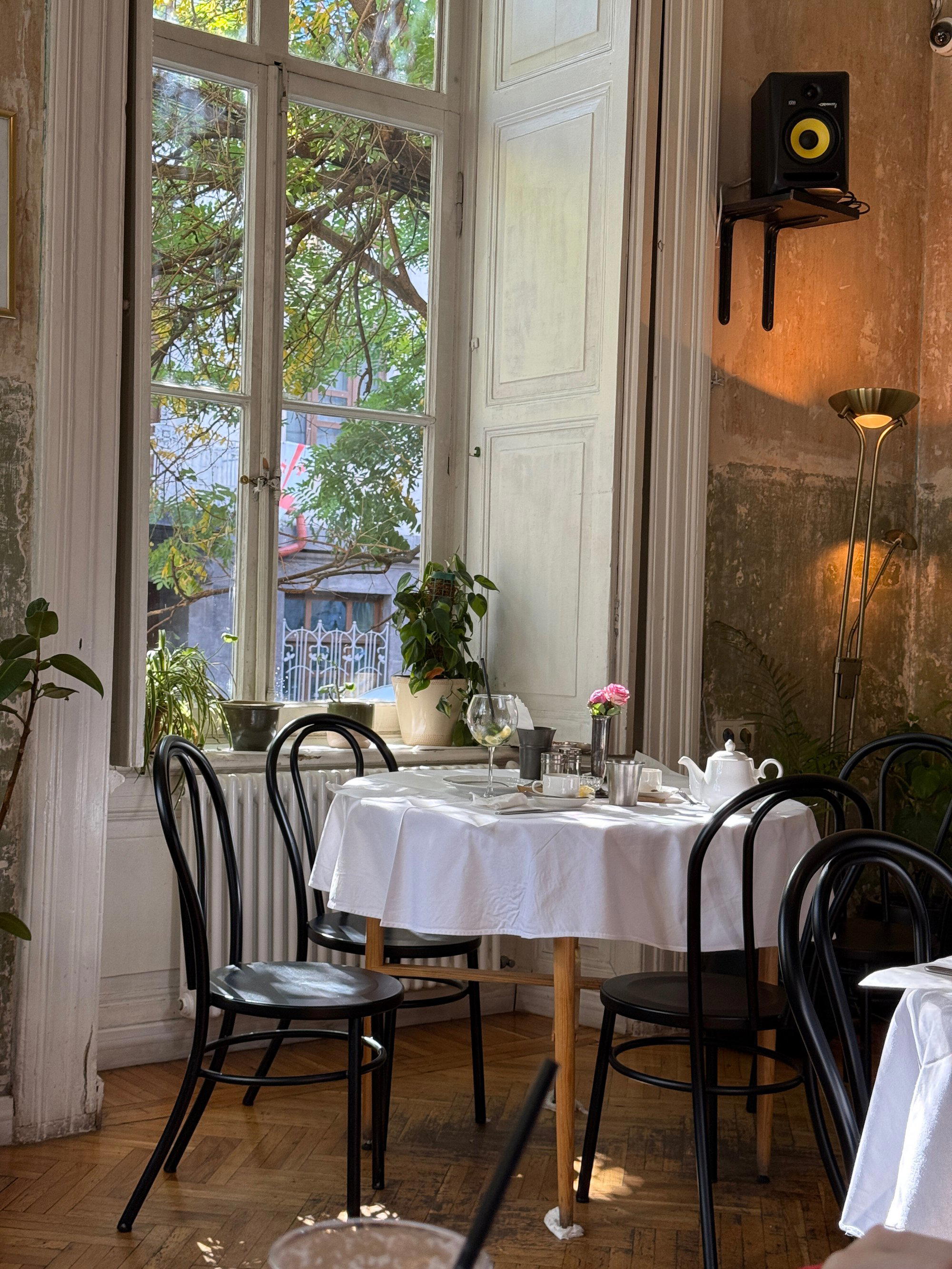
The Room Before the Meal
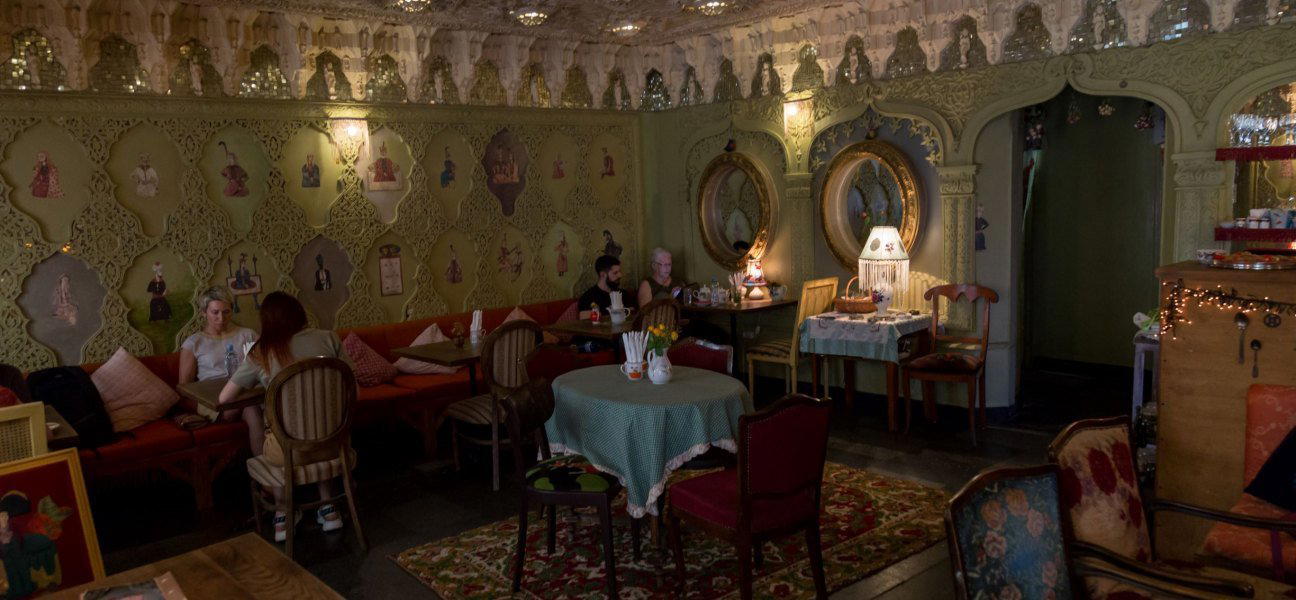
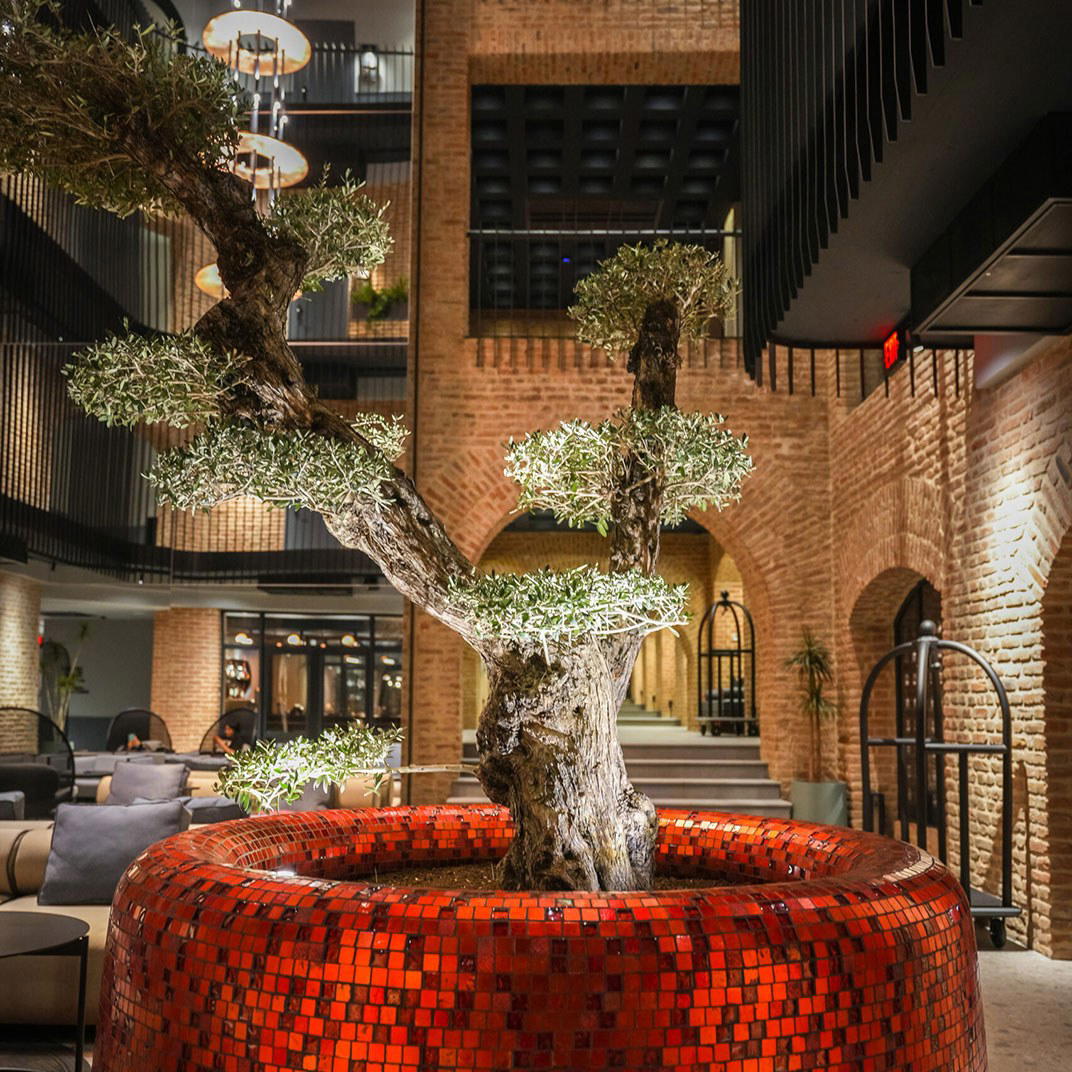
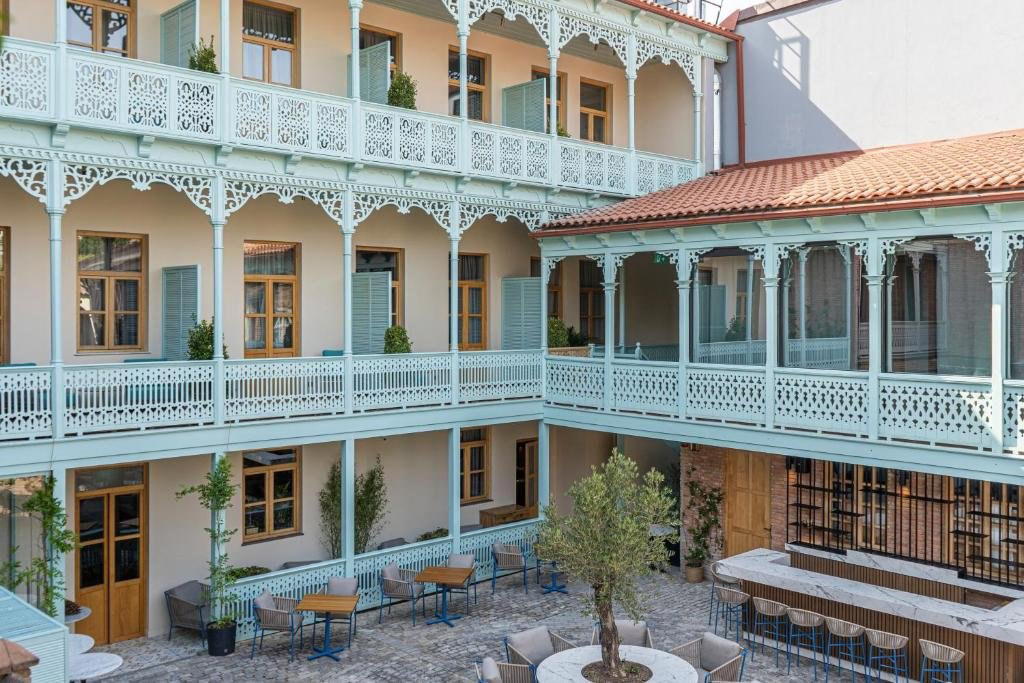
Iasamani is a Modern Georgian restaurant at 33 Lado Asatiani St, Tbilisi 0105, Georgia, with a smart casual dress code and reservations recommended. Arriving at number 33, the building's age reads immediately in the stonework and the proportions of the entrance, the kind of architecture that predates the Soviet period and carries a different register of civic dignity. Fine dining in Tbilisi has increasingly understood that this built heritage is an asset rather than an inconvenience, and Iasamani works within that logic: the interior reportedly layers traditional decorative elements against the original structure rather than smoothing it into a generic contemporary space. That tension between old fabric and considered presentation sets the terms for how the meal will unfold.
How the Georgian Table Structures an Evening
To understand a meal at a place like Iasamani, it helps to understand the Georgian dining ritual broadly. The supra, the traditional feast format governed by a toastmaster and structured around successive rounds of wine and food, is not something fine dining restaurants reproduce literally, but its logic persists: courses arrive with a different relationship to time than in a European tasting-menu format, conversation is as much part of the meal as the food itself, and wine is not incidental but central to the evening's architecture. Georgia's claim to be among the oldest wine-producing regions on the planet, with amber wine traditions traceable over 8,000 years, means the bottle on the table carries cultural weight that goes well beyond the sommelier's recommendation at a comparable restaurant in Paris or Hong Kong.
Iasamani's reported emphasis on an extensive wine selection places it squarely within that tradition, and within Tbilisi's growing category of restaurants that treat the wine program as a primary editorial statement rather than a support element. That positioning places it closer to restaurants like Craft Wine Restaurant, where the bottle list functions as a curatorial argument about Georgian viticulture.
Fine Dining in Tbilisi: A Useful Framing
Tbilisi's fine dining tier has expanded considerably over the past decade, driven partly by increased international visitor interest and partly by a domestic appetite for restaurants that take Georgian cooking seriously on its own terms rather than domesticating it toward foreign expectations. Interesting operators in this space are those that treat Georgian culinary tradition as a point of departure for technical precision, not as a theme to be illustrated with decorative props.
Barbarestan works from a 19th-century Georgian cookbook and has achieved international recognition for that archival approach. Café Littera operates from a heritage building with a courtyard format that has made it a reference point for visitors seeking Georgian cooking with a contemporary frame. Azarphesha and Alubali each represent different points on the same spectrum. Iasamani sits within this cohort, distinguished by the combination of its historic interior and a serious commitment to the wine list.
Internationally, the comparison set for this kind of proposition shifts significantly. A restaurant pairing heritage architecture, a strong regional wine program, and considered cooking within a formal dining ritual has analogues in places like Alain Ducasse's Louis XV in Monte Carlo or 8½ Otto e Mezzo Bombana in Hong Kong, though the price point and cultural register in Tbilisi are substantively different. What those venues share with Iasamani is the premise that the room, the wine, and the pacing of service are as compositional as the food itself. For reference points at a different register of formality and experimentation, Alinea in Chicago and Lazy Bear in San Francisco show what happens when the dining ritual itself becomes the primary design material.
Wine as the Organizing Principle
Georgia's qvevri tradition, fermenting grape juice on its skins in buried clay vessels, produces the amber wines that have drawn international attention to the country's viticulture over the past twenty years. The leading Tbilisi wine programs now present these alongside more conventionally produced Georgian reds and whites, creating a list that functions as a map of a wine culture rather than a selection of crowd-pleasers. Restaurants in the city that treat the wine program seriously are, in effect, making an argument about what Georgian hospitality means at its most considered. Beyond the city, destinations like Doli in Telavi extend that conversation into Georgia's primary wine country in Kakheti.
Planning a Visit
Iasamani is located at 33 Lado Asatiani Street in the 0105 postal district, within walkable distance of Tbilisi's old town. The address places it in the kind of neighbourhood where the surrounding streets repay some time before or after a meal: the area retains residential character and the architecture shifts register several times within a short walk. Given its positioning at the fine dining end of the market, an evening here is better treated as a two-to-three-hour commitment than a quick dinner, which aligns with the Georgian tradition of a meal as a sustained social occasion rather than a transaction.
For those building a longer Tbilisi itinerary, our full Tbilisi hotels guide covers accommodation options across the old town and newer districts, and our full Tbilisi bars guide maps where the city's wine and cocktail culture intersects after dinner. If experiences beyond restaurants are part of the plan, our full Tbilisi experiences guide covers the city's cultural and tasting programs. Outside Tbilisi, Sisters in Kutaisi represents the fine dining conversation as it plays out in Georgia's second city.
The restaurant is open Monday through Thursday and Sunday from 1 PM to 12 AM, Friday and Saturday from 1 PM to 1 AM, and reservations are recommended. For international comparison on what a committed dining ritual at this market tier delivers, Le Bernardin in New York City and Emeril's in New Orleans illustrate how the formal dinner format operates at different price and cultural registers elsewhere.
What It’s Closest To
Comparable venues nearby, for context on price, style, and recognition.
| Venue | Cuisine | Price | Notes |
|---|---|---|---|
| IasamaniThis venue — the venue you are viewing | Modern Georgian | $$$ | Not listed |
| OtsY | Modern Georgian | $$$ | Tbilisi |
| Shavi Lomi | Modern Georgian Fusion | $$$ | Tbilisi |
| Schuchmann | Modern Georgian Molecular Gastronomy | $$$ | Tbilisi |
| Sofiko | Authentic Georgian | $$$ | Tbilisi |
| Bina 37 | Traditional Georgian Qvevri Wine Experience | $$$$ | Tbilisi |
Recognition history
Dated appearances from independent guides and award organizations, with the underlying list record or original source where available.
Star Wine List
Star Wine List
Continue exploring
More in Tbilisi
Restaurants in Tbilisi
Browse all →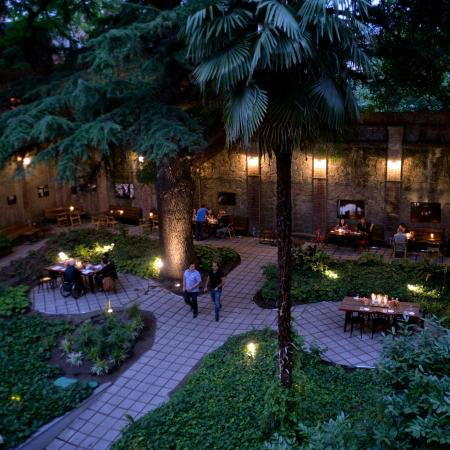
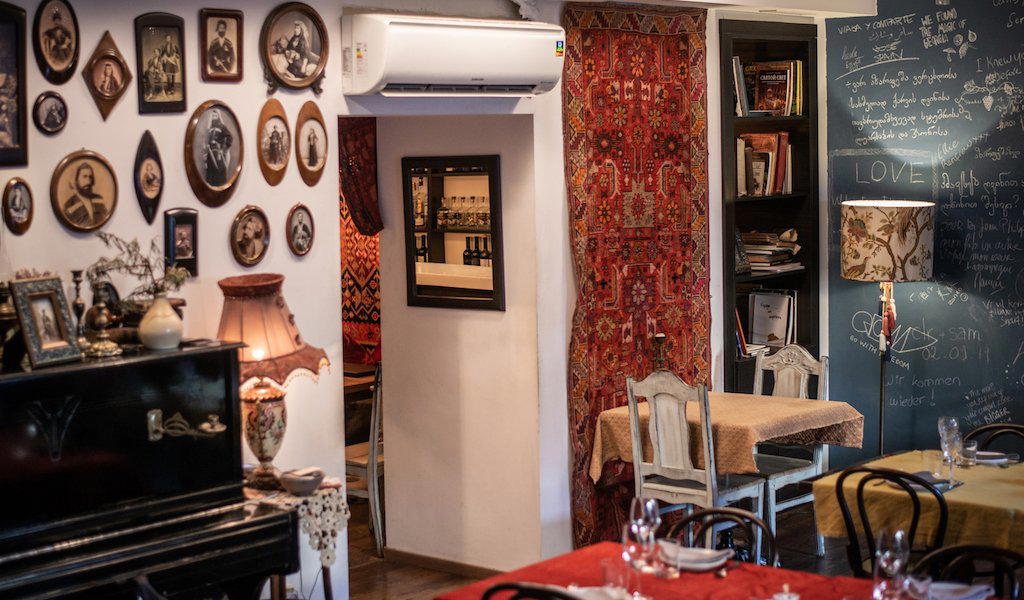
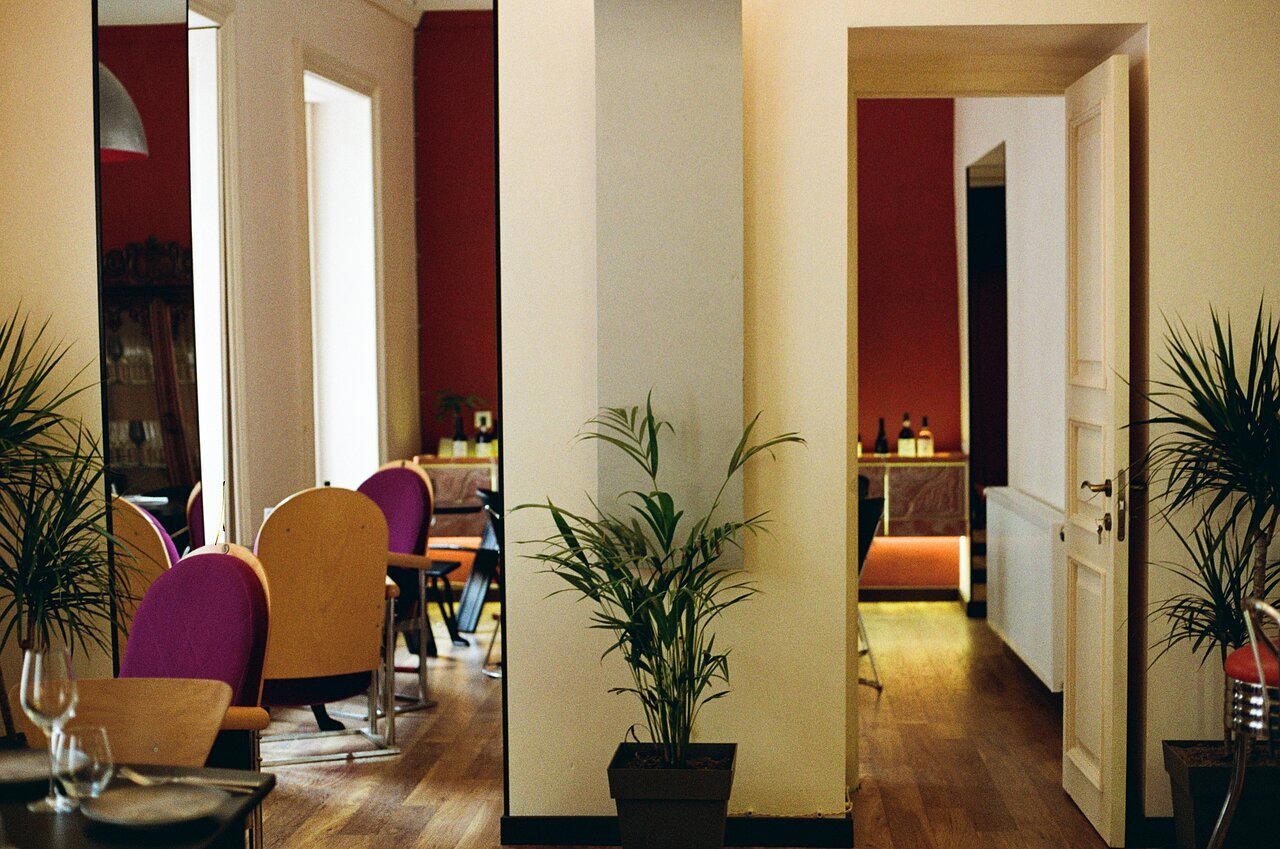
Bars in Tbilisi
Browse all →
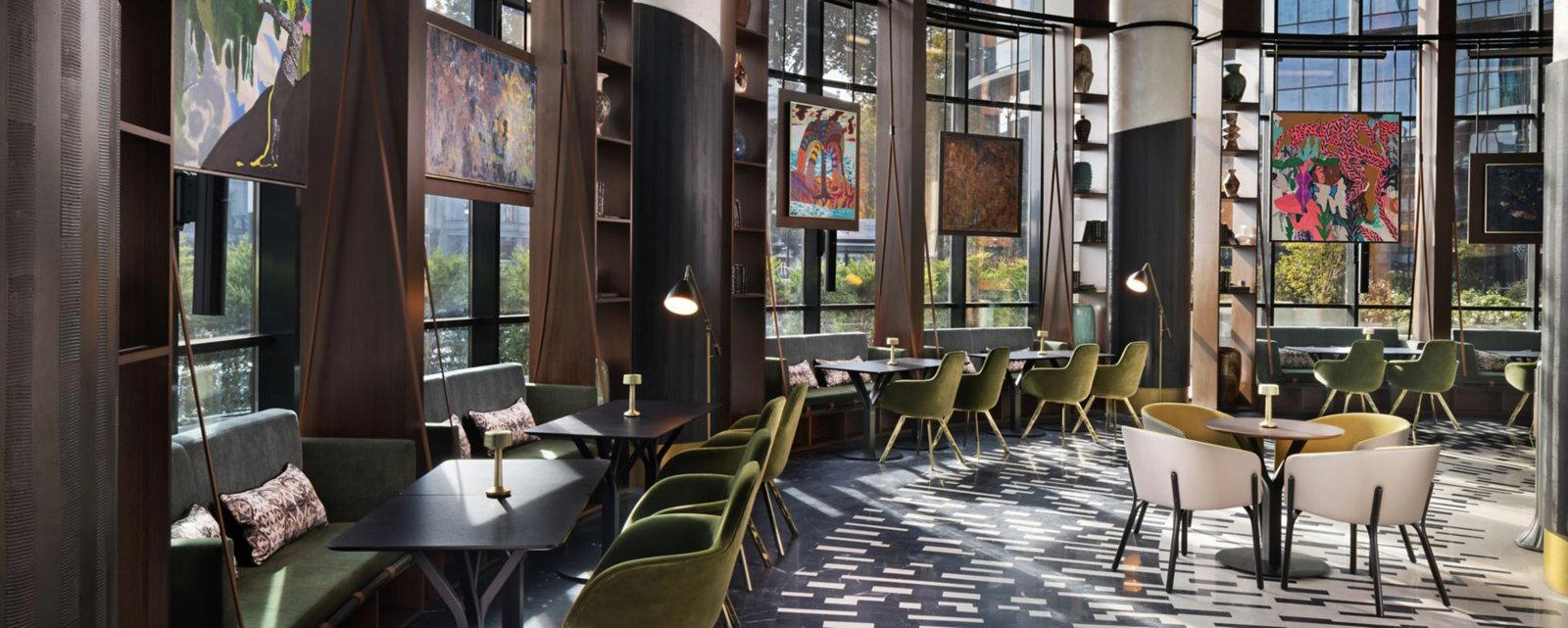
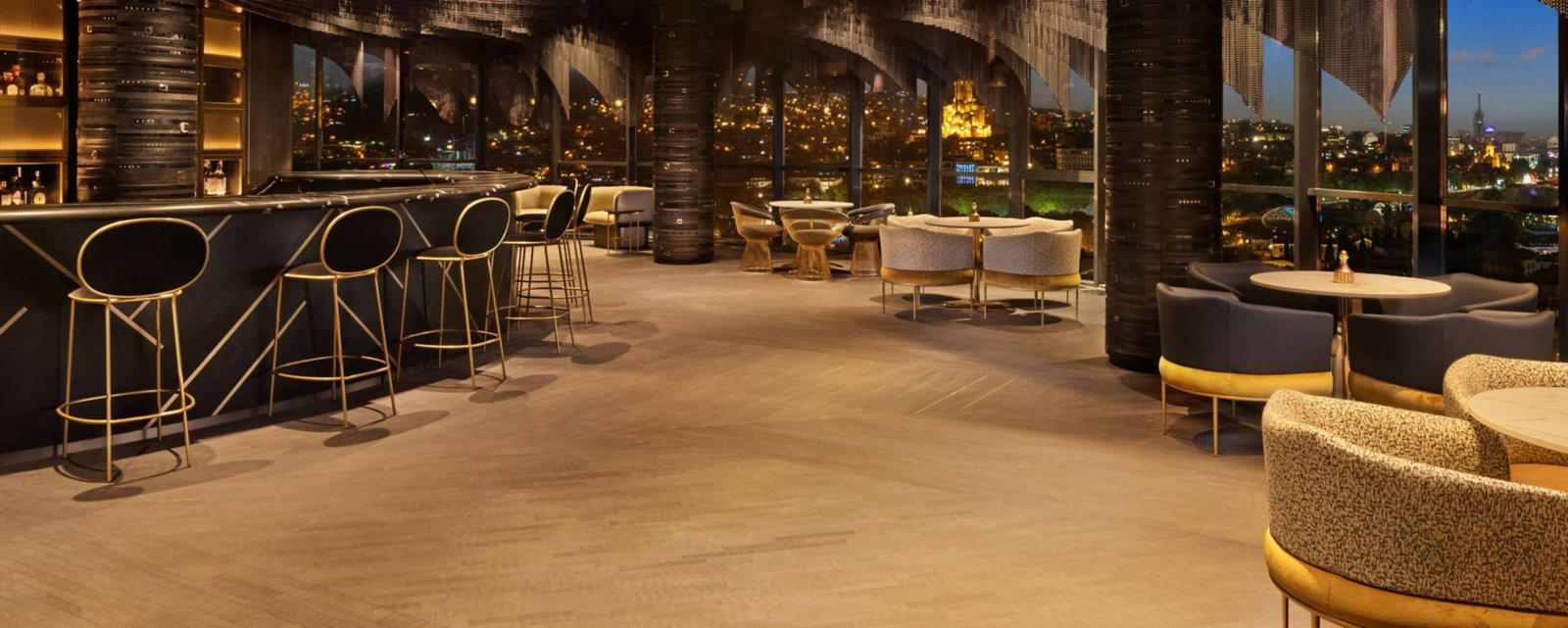
Hotels in Tbilisi
Browse all →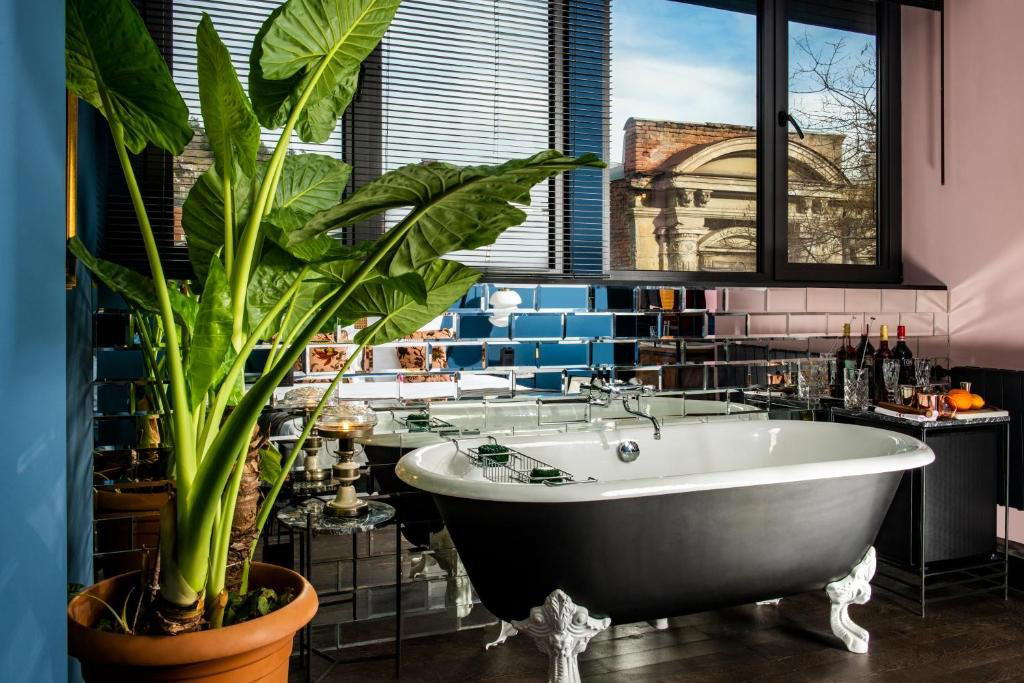
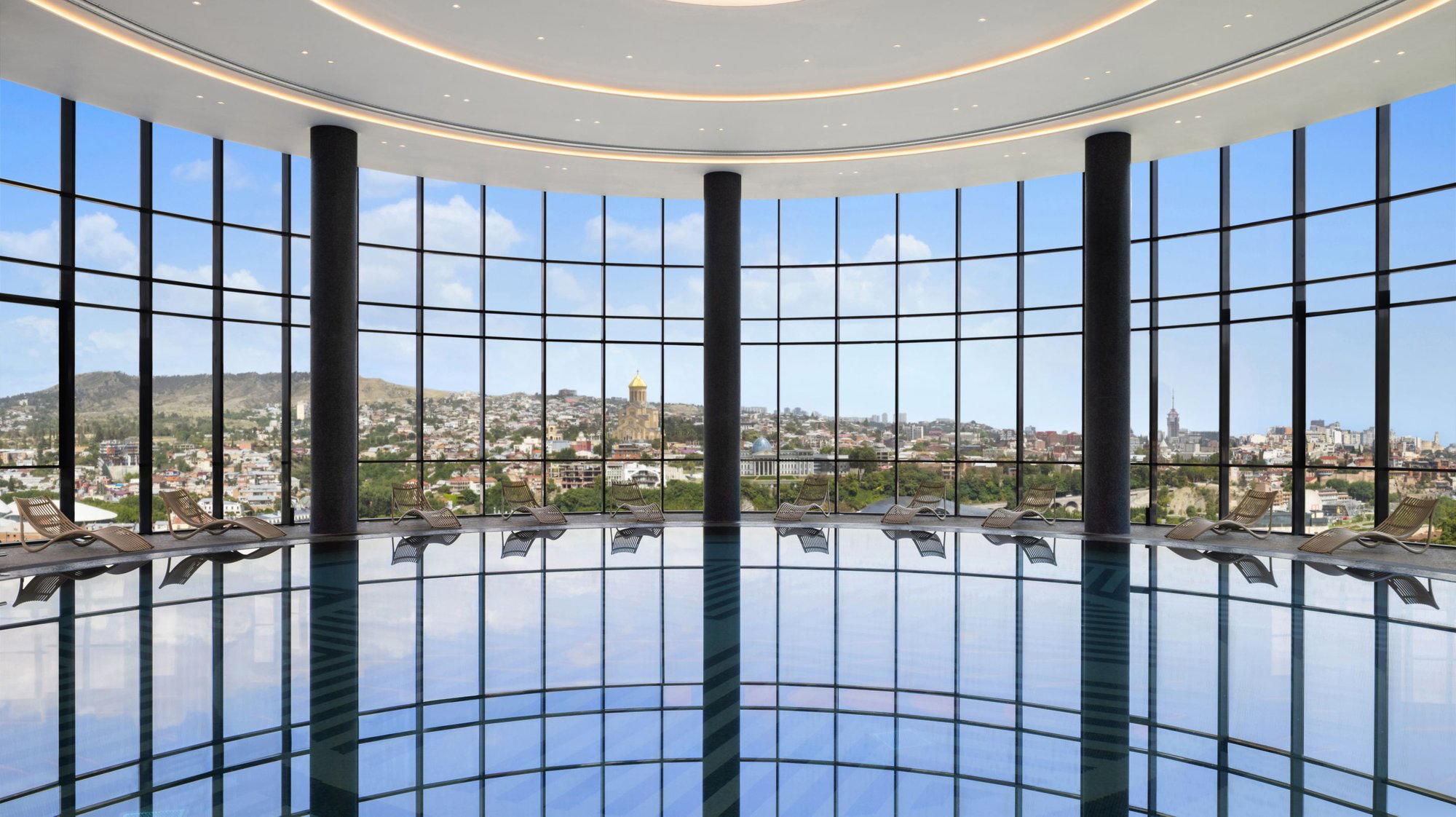

At a Glance
- Romantic
- Elegant
- Modern
- Intimate
- Date Night
- Special Occasion
- Solo
- Historic Building
- Design Destination
- Standalone
- Extensive Wine List
- Natural Wine
- Craft Cocktails
- Natural Wine
- Local Sourcing
Current opening hours
- Monday
- 1 PM–12 AM
- Tuesday
- 1 PM–12 AM
- Wednesday
- 1 PM–12 AM
- Thursday
- 1 PM–12 AM
- Friday
- 1 PM–1 AM
- Saturday
- 1 PM–1 AM
- Sunday
- 1 PM–12 AM
Hours can change for holidays and private events. Last verified .
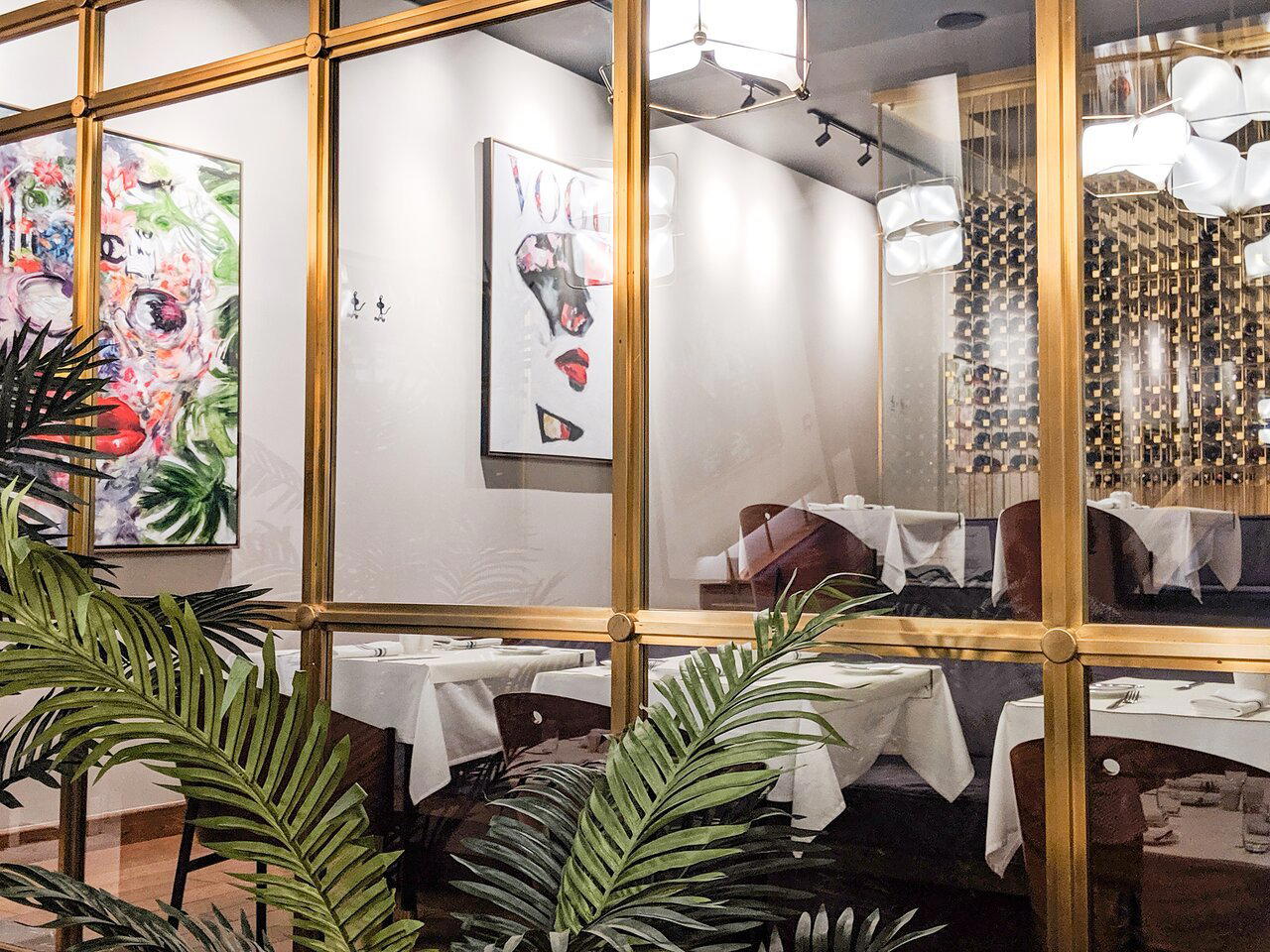
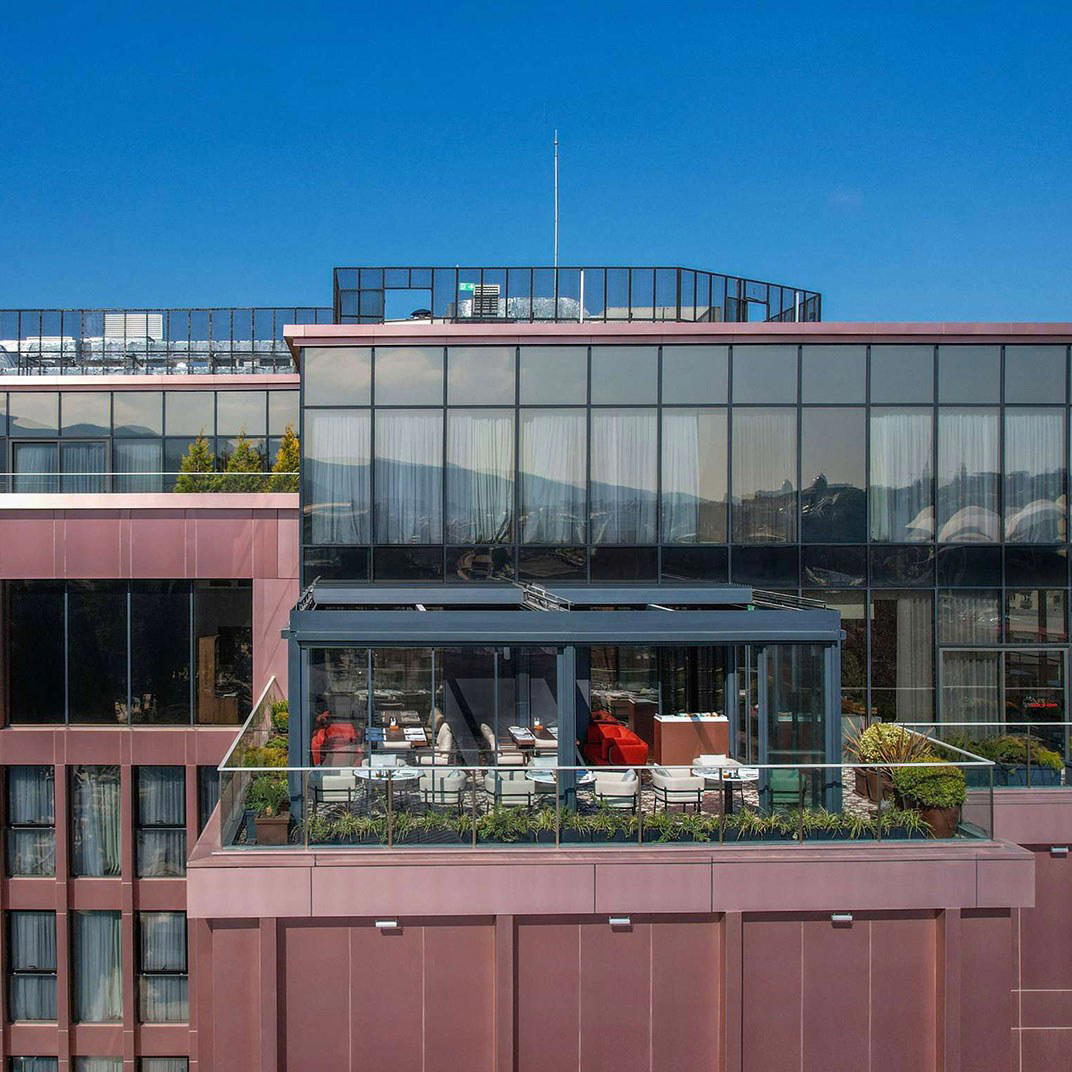
Upscale and refined with beautiful windows, high ceilings, decorative paintings, and a sophisticated yet welcoming atmosphere; notably quiet with minimal background music.