Kharcho sits on Lado Gudiashvili Street in Tbilisi's Old Town, drawing diners who want Georgian cooking grounded in regional tradition rather than modernist reinvention. The kitchen works with the kind of sourced produce and spice combinations that define the country's culinary identity, placing it squarely within the city's growing tier of destination-minded local restaurants. Book ahead, especially on weekends.
Pearl is the En Primeur Club membership app — saves, bookings, and concierge access live there. Same editors, same standards.
- Address
- 18 Lado Gudiashvili St, Tbilisi 0105, Georgia
- Phone
- +995544444544
- Website
- thearthouse.ge
- Directions
- Get directions
 Saves & bookings on Pearl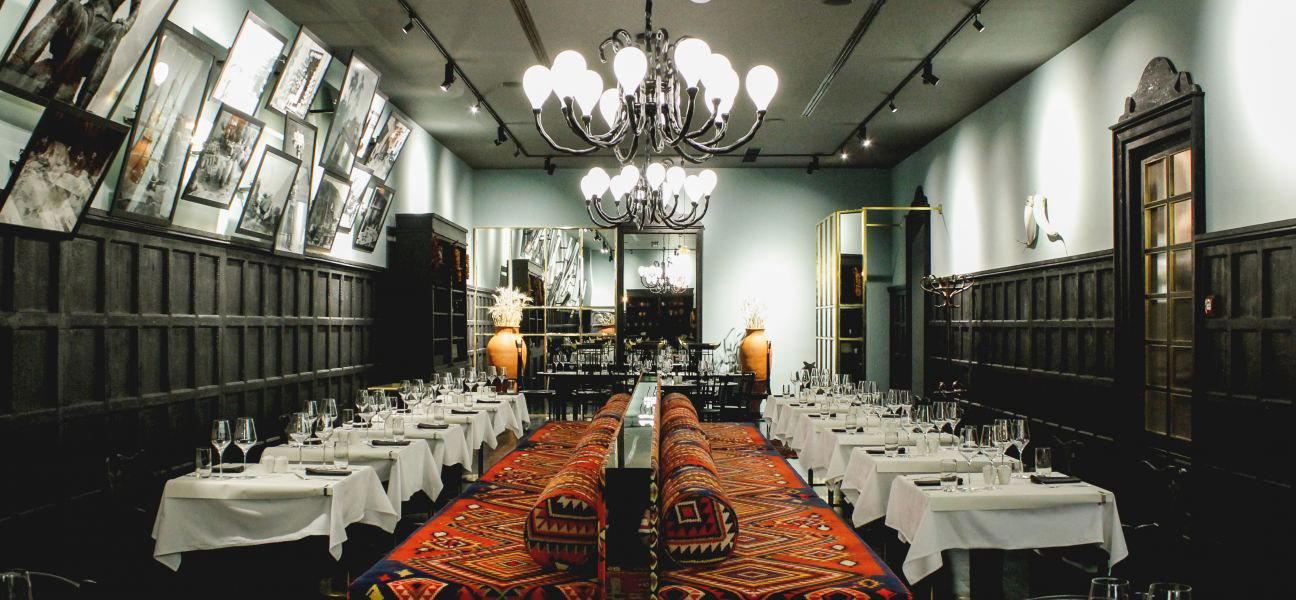
Old Town, Old Flavours, New Attention
Tbilisi's Old Town has always been the city's emotional centre, where carved balconies overhang narrow lanes and the smell of churchkhela and fresh bread drifts from street-level windows. In this part of the city, restaurants occupy a particular tension: tourists want authenticity, locals want value and familiarity, and a smaller group of visitors are looking for something that satisfies both without the performance. Kharcho is a restaurant in Tbilisi serving Modern Georgian Fusion, and it sits inside that tension productively. The address places it within walking distance of Narikala Fortress and the sulphur bath district, but the restaurant draws a local-weighted crowd rather than a purely tourist one, which tells you something about how it prices and presents itself.
Georgian cuisine is having a sustained international moment, and Tbilisi is absorbing significant inbound attention from food-focused travellers who have read about the country's amber wines, its churchkhela, its walnut-heavy sauces and its spice trade heritage along the ancient Silk Road routes. That attention has pushed a wave of Georgian restaurants toward a middle ground: traditional recipes styled with European plating discipline, regional produce sourced with more intention than the Soviet-era canteens that preceded them, and wine lists that finally treat the country's qvevri tradition as a selling point rather than a curiosity. Kharcho operates within this broader shift, taking its name from one of the country's most demanding dishes, a walnut and meat soup with a spice complexity that most visitors underestimate on first encounter.
What Kharcho the Dish Tells You About Kharcho the Restaurant
Naming a restaurant after a single, specific dish is a statement of intent. Kharcho, the soup, is Georgian food at its most technically layered: tkemali (wild plum) or pomegranate for acidity, walnuts for body, a spice blend that varies by family and region but typically includes fenugreek, coriander seed, and blue fenugreek (utskho suneli), and a fat base that absorbs all of it. It is not a simple dish to do well, and restaurants that do it poorly produce something muddy and one-dimensional. The decision to attach the restaurant's identity to this dish, rather than to a chef's name or a vague promise of Georgian hospitality, signals that the kitchen takes the specifics seriously.
This connects to a wider pattern in Georgian dining: the intersection of indigenous ingredients and increasingly precise technique. Tbilisi's better restaurants in recent years have moved away from the old model of enormous portions and generic spicing toward cooking that treats Georgian produce, Adjarian butter, Kakhetian walnuts, Imeretian cheese, regional herbs like tarragon and blue fenugreek, as ingredients worthy of the same attention European kitchens give to their own terroir. Places like Barbarestan work from 19th-century Georgian recipe manuscripts, reconstructing dishes that had effectively disappeared from public menus. Azarphesha leans into the Silk Road spice heritage more explicitly, while Alubali explores the country's regional diversity across a broader menu. Kharcho's positioning is less archival and more direct: the food should taste like what Georgians actually cook and eat, with the sourcing and execution to back that claim.
The Broader Tbilisi Context
Understanding where Kharcho sits requires understanding what Tbilisi's restaurant scene now looks like overall. The city has developed a two-speed dining culture. At the leading end, a small number of places operate with genuine international ambition, referencing the same culinary conversations as Atomix in New York or, in terms of sourcing philosophy, Lazy Bear in San Francisco, even if the price points and Michelin infrastructure are entirely absent from Georgia. Below that, a much larger middle tier serves solid, recognisable Georgian food to a mixed local-tourist audience. Kharcho occupies the more considered end of that middle tier: not a fine-dining experiment, but not a conveyor-belt khinkali house either.
For visitors who want to orient themselves more broadly across Georgian dining, ATI and Akura San represent Tbilisi's more cross-cultural dining experiments, while a trip to the wine country around Signagi or Telavi, where Pheasant's Tears Winery and Doli anchor the regional table, gives a different angle on how Georgian food connects to its agricultural base. For those staying closer to Tbilisi, our full Tbilisi restaurants guide maps the city's options by neighbourhood and category.
Beyond Tbilisi, Georgia's regional dining is developing its own momentum. Palaty in Kutaisi works in western Georgia's Imereti tradition, while Gazaphkhuli in Chiatura and Chiko in Aspindza point to how far the country's culinary geography extends beyond the capital. For a resort-adjacent option with stronger infrastructure, Crowne Plaza Borjomi anchors the spa town circuit, and Umami at Clouds in Batumi brings a different register entirely to Georgia's Black Sea coast. Schuchman Wines Chateau in the Alazani Valley rounds out the wine-country dining picture.
Planning Your Visit
Kharcho is on Lado Gudiashvili Street in the heart of the Old Town, a short walk from Erekle II Street and the broader gallery and craft district that has developed around the Gudiashvili Square area. The neighbourhood rewards slow movement: there are wine bars, ceramics shops, and a density of small restaurants within two or three blocks that makes it worth arriving early and walking the area before sitting down. No phone number or booking platform appears in public listings for Kharcho, which in Tbilisi's mid-tier often means walk-ins are the expected format; arriving at or before peak meal times gives you a stronger chance of securing a table without a wait. Weekend evenings attract the heaviest traffic in this part of the city, driven by both locals and the steady flow of visitors staying in the Old Town's guesthouses and boutique hotels. Lunch, particularly on weekdays, tends to be quieter across the neighbourhood and gives a more relaxed read of what the kitchen can do.
Peers in This Market
Comparable venues nearby, for context on price, style, and recognition.
| Venue | Cuisine | Price | Notes |
|---|---|---|---|
| KharchoThis venue — the venue you are viewing | Modern Georgian Fusion | $$ | Not listed |
| Sofia Melnikova’s Fantastic Douqan | Georgian & Eastern European | $$ | Tbilisi |
| BIOLI HALL | Georgian Wellness | $$$ | Gardabani |
| Old Town | Traditional Georgian | $$ | Tbilisi |
| Alubali | Authentic Megrelian Georgian | $$ | Tbilisi |
| Barbarestan | 19th-Century Georgian Homestyle | $$$ | Tbilisi |
Continue exploring
More in Tbilisi
Restaurants in Tbilisi
Browse all →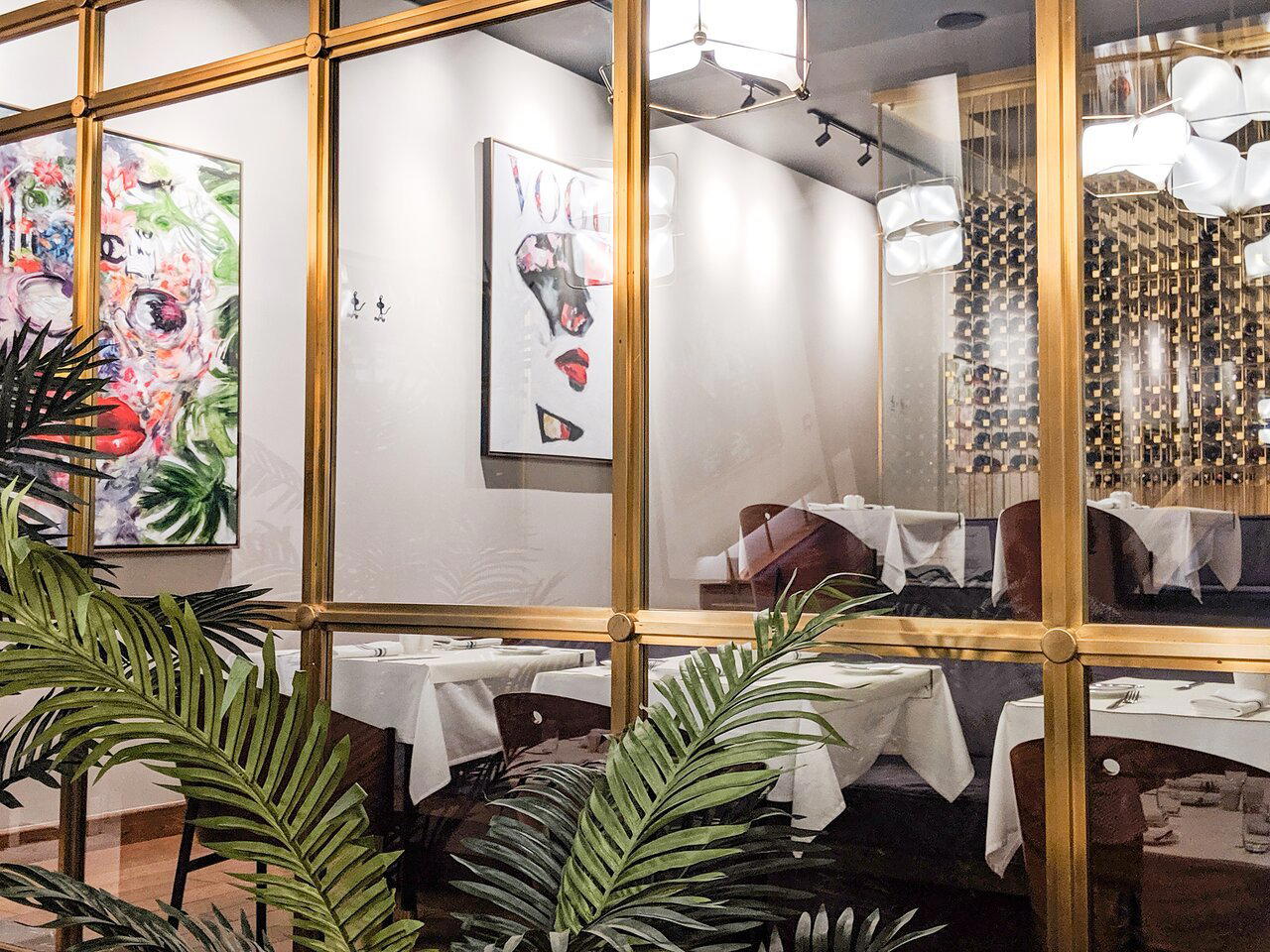

Bars in Tbilisi
Browse all →
Hotels in Tbilisi
Browse all →
At a Glance
- Modern
- Trendy
- Casual Hangout
- Standalone
Current opening hours
- Monday
- 12 PM–12 AM
- Tuesday
- 12 PM–12 AM
- Wednesday
- 12 PM–12 AM
- Thursday
- 12 PM–12 AM
- Friday
- 12 PM–12 AM
- Saturday
- 12 PM–12 AM
- Sunday
- 12 PM–12 AM
Hours can change for holidays and private events. Last verified .
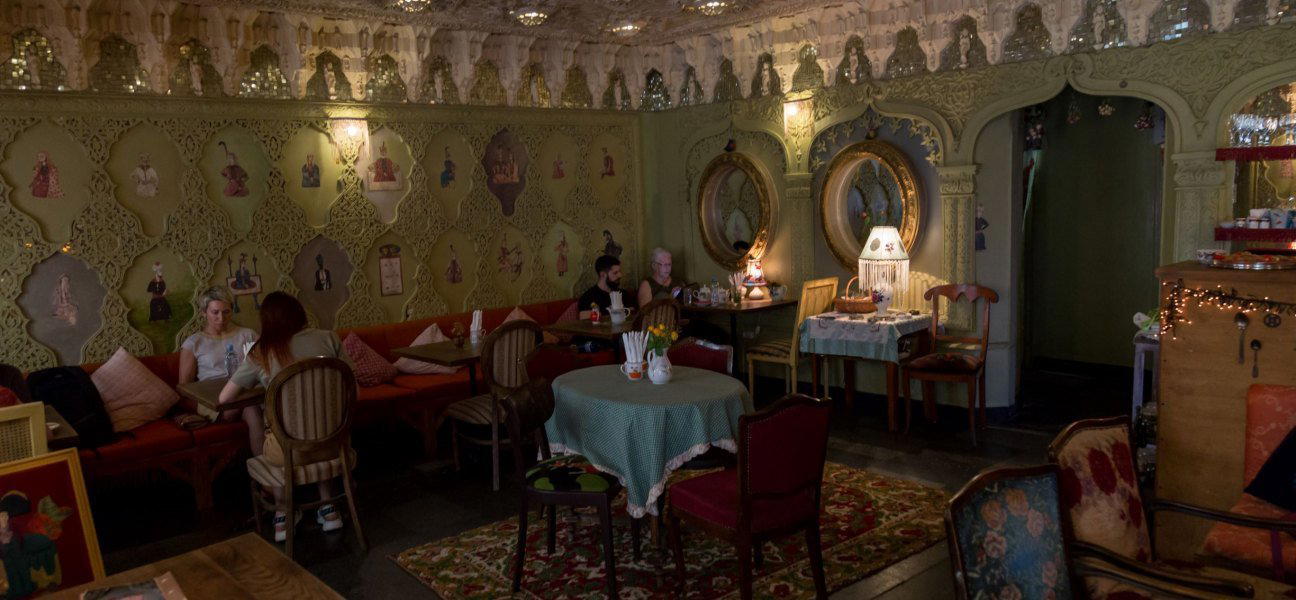
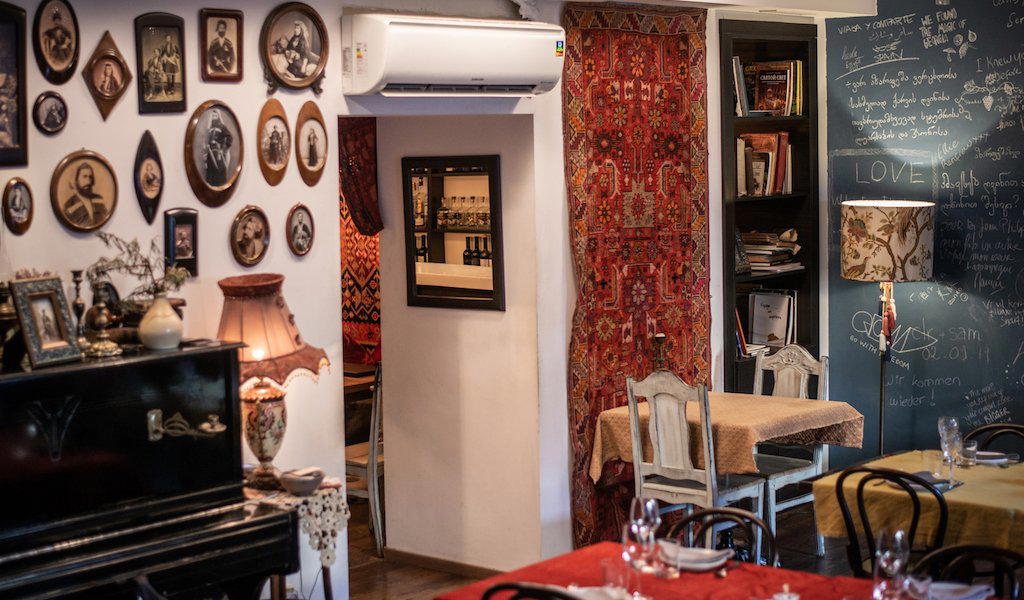
Modern and interesting atmosphere with trendy patrons in The Art House setting.