On Shibuya's Dogenzaka slope, HIKINIKU TO COME has built a reputation around a single, precisely executed premise: Japanese-raised beef, freshly ground to order, shaped into patties and served alongside steamed rice. The format strips away complexity to isolate ingredient quality, placing it in a category of its own among Tokyo's specialist lunch and dinner counters.
Pearl is the En Primeur Club membership app — saves, bookings, and concierge access live there. Same editors, same standards.
- Address
- 道玄坂2-28-1 (椎津ビル 3F), 渋谷区, 東京都, 150-0043
- Website
- hikinikutocome.com
 Saves & bookings on Pearl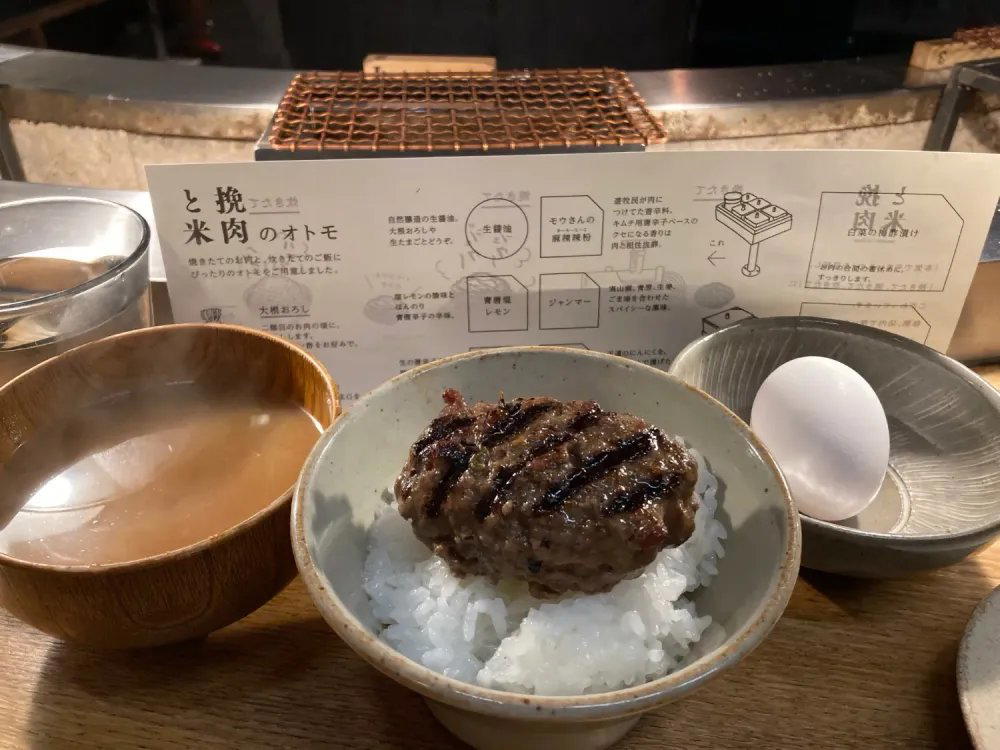
The Format That Changed How Shibuya Eats Beef
Tokyo's specialist restaurant culture has long operated on a principle of radical narrowing: the chef who does one thing, with obsessive precision, outperforms the generalist every time. The omakase counter, the tonkatsu house, the ramen shop that serves a single broth, these formats share a logic. HIKINIKU TO COME, located on the third floor of a building on Dogenzaka in Shibuya, applies that same logic to hamburger steak and rice. The concept is not a burger bar dressed up in fine-dining language. It is a serious engagement with Japanese beef, grinding technique, and the relationship between protein and grain, delivered in a format that feels closer to a specialist counter than a casual dining room.
Dogenzaka is a long slope running out of Shibuya Station's west exit, a street more associated with dense commercial energy than considered eating. Finding the restaurant on the third floor, away from the street-level noise, sets a particular expectation before you sit down: this is a room with a point of view, not a room angling for foot traffic.
Meat, Rice, and the Architecture of Restraint
The editorial angle that matters here is not provenance storytelling for its own sake, but what happens when a tightly controlled sourcing discipline meets a technique borrowed from Western traditions. Japan's domestic beef culture, centred on marbling grades, breed-specific feeding programs, and regional designations, has produced particularly studied raw material in the world. The question HIKINIKU TO COME poses is what happens when that material is not presented whole, as in a yakiniku restaurant, or sliced thin, as in sukiyaki, but instead ground fresh and cooked à la minute as a hamburger patty.
The hamburger steak, or hambagu, is not new to Japan. It became a fixture of Western-influenced family restaurants through the postwar decades and has been part of mainstream Japanese home cooking since the 1970s. What HIKINIKU TO COME does is strip the format back to its structural essentials, meat and rice, and treat each element with the sourcing rigour typically reserved for omakase tasting menus. The result sits in an unusual position: a dish that reads as everyday in its cultural reference but operates at a specialist level in its execution.
This intersection of imported method and domestic ingredient is not distinctive to this restaurant as a category, it is a recurring pattern across Japanese fine dining. Venues like Crony in Tokyo and HAJIME in Osaka apply European techniques to Japanese produce at the high end of the price spectrum. HIKINIKU TO COME runs the same conceptual play at a fraction of the price point and with a vastly simpler menu, which is precisely what makes it interesting as a format study.
Where It Sits in Tokyo's Specialist Dining Map
Tokyo's dining ecosystem rewards specialisation at every price level. At the high end, counters like Harutaka in Ginza and RyuGin in Roppongi operate with kaiseki or omakase structures that run to five figures in yen per head. Restaurants such as L'Effervescence and Sézanne bring French precision to seasonal Japanese produce at a similar tier. HIKINIKU TO COME operates several rungs below that price bracket while sharing the same underlying philosophy: identify a narrow subject, source the ingredients at the highest feasible level, and resist the temptation to complicate the format.
That positioning has proved commercially durable. The restaurant developed a loyal following in Shibuya and subsequently expanded to additional Tokyo locations. Expansion in Japanese specialist dining is always a signal worth reading: it typically indicates that the original concept is reproducible without degradation, which is itself a quality argument.
For visitors building a broader picture of Japanese regional dining, the same interplay of local ingredient and exacting technique runs through different formats elsewhere in the country: Gion Sasaki in Kyoto, Goh in Fukuoka, and akordu in Nara each represent a different regional interpretation of that same tension between inherited technique and local material.
Planning a Visit: What to Know Before You Go
Reservations are essential, and same-day requests are not the norm.
The restaurant is on the third floor of the Shiitsu Building at Dogenzaka 2-28-1, a short walk from Shibuya Station's Hachiko exit. The walk up Dogenzaka takes roughly five minutes from the station concourse. Lunch and dinner services both fill quickly, and the format is efficient by design: the menu is short, the counter moves steadily, and turnaround is part of the operating logic. This is not a restaurant designed for long evenings; it is designed for a focused, satisfying meal built around one idea executed well.
For those with dietary restrictions, the narrowness of the menu means flexibility is limited. The core offering centres on beef, and the format does not lend itself easily to substitution. Anyone with specific allergen concerns or dietary requirements should contact the restaurant directly before booking, since allergen protocols may be limited.
From a value standpoint, HIKINIKU TO COME occupies an accessible price position relative to Tokyo's broader dining spectrum. It is considerably less expensive than the city's omakase counters or tasting-menu restaurants, including the French-influenced rooms referenced earlier, while delivering ingredient quality that feels high for the price. That gap between cost and sourcing level is the primary value argument.
Reputation Context
Comparable venues nearby, for context on price, style, and recognition.
| Venue | Cuisine | Price | Notes |
|---|---|---|---|
| HIKINIKU TO COME (挽肉と米)This venue — the venue you are viewing | Japanese Hamburger Steak with Rice | $$ | Not listed |
| Kyu Yamu Tei Shimokita sou | Japanese Curry | $$ | Setagaya |
| いこま寿司 | Traditional Edomae Sushi | $$ | Setagaya (Umegaoka) |
| たんたん亭 本店 | Traditional Japanese Ramen | $$ | Hamadayama |
| Tonkatsu Aoki Ginza 8 chome ten | Japanese Tonkatsu | $$ | Chūō |
| 六雁 | japanese | Not listed | Chūō |





At a Glance
- Trendy
- Modern
- Minimalist
- Solo
- Casual Hangout
- Open Kitchen
- Chefs Counter
- Local Sourcing
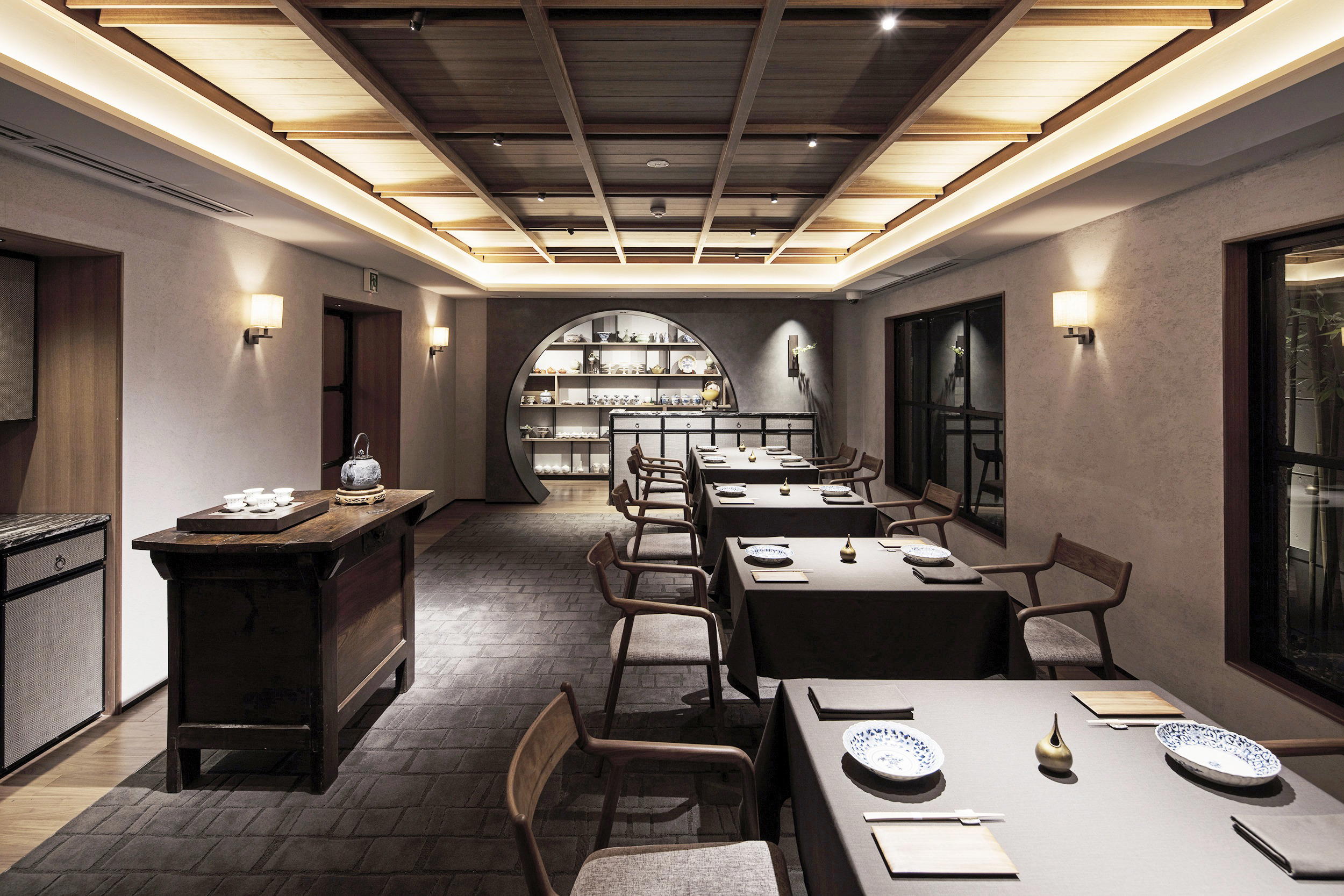
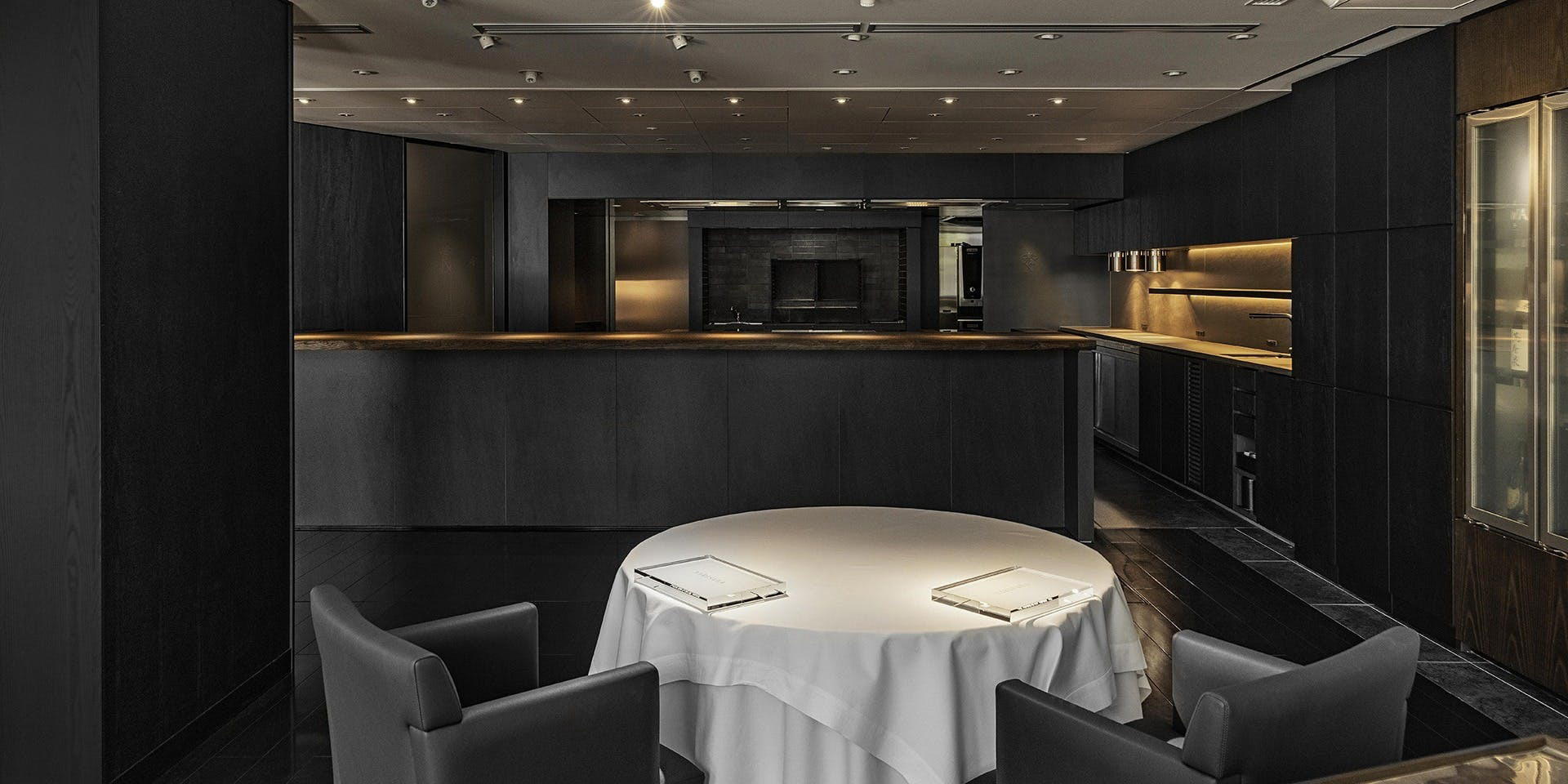
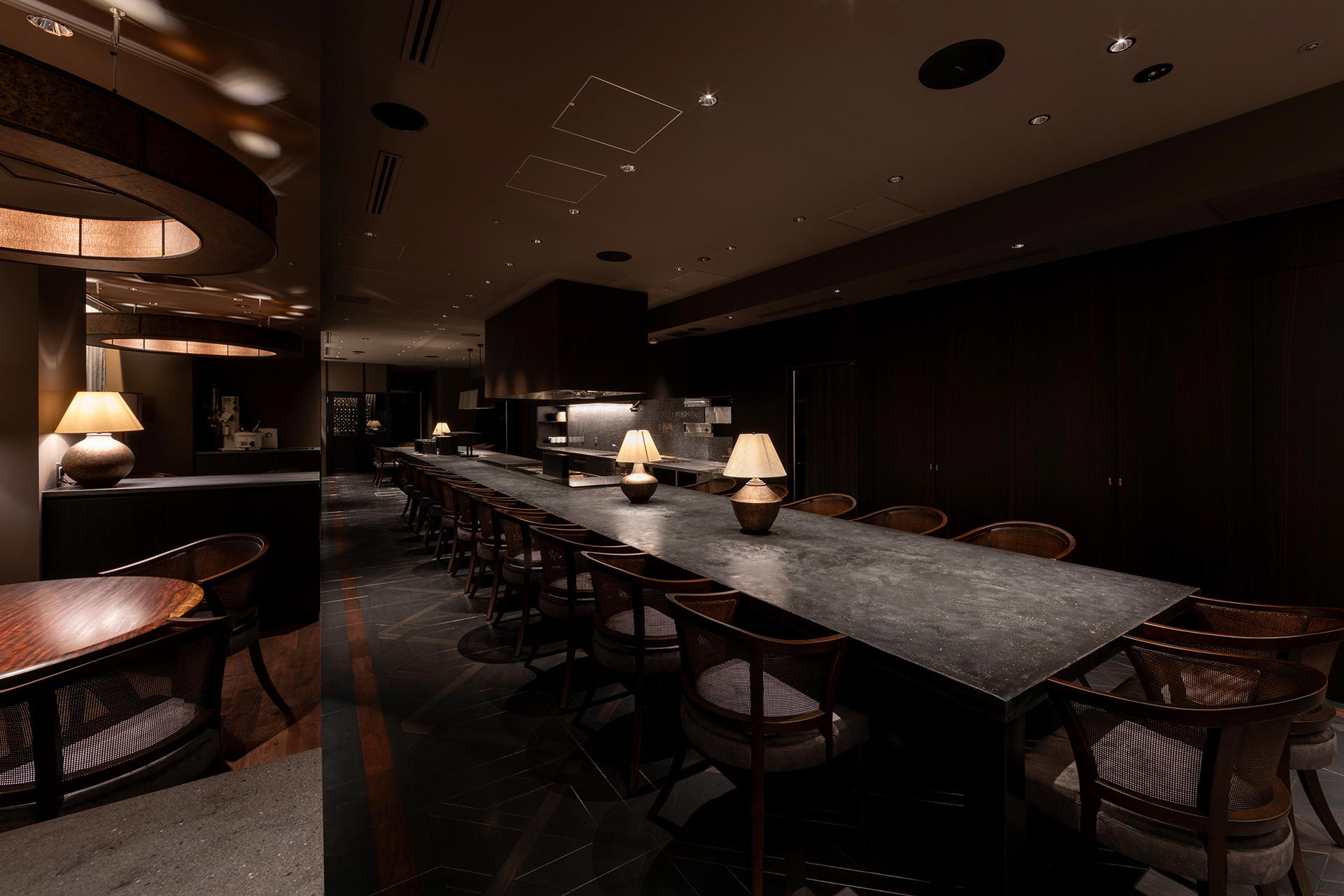
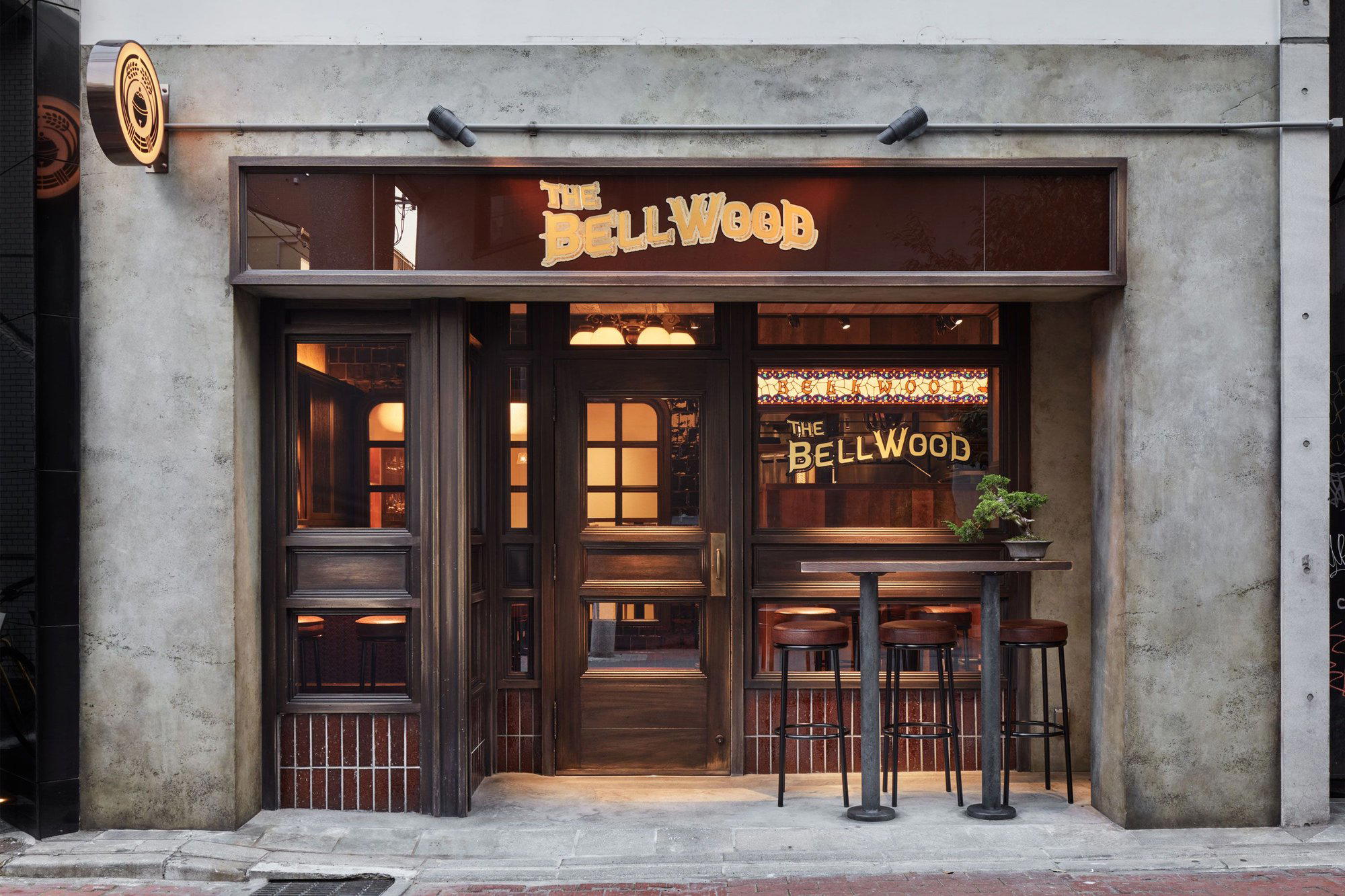
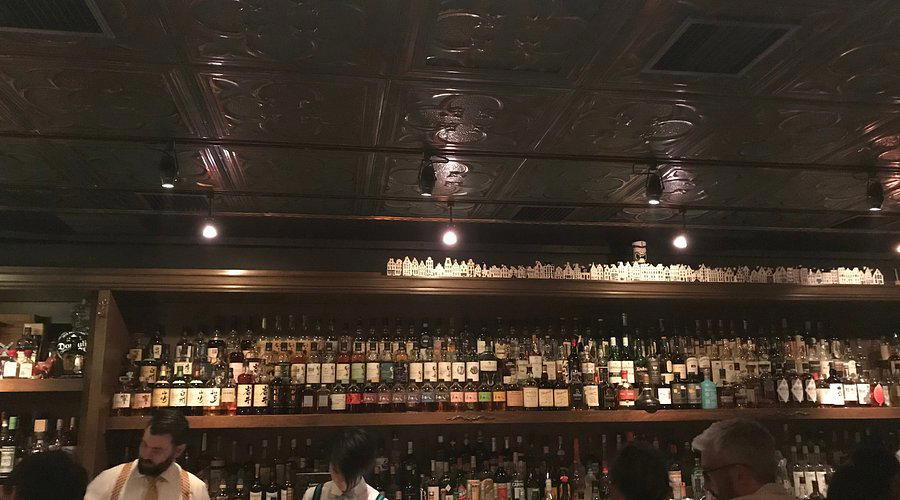
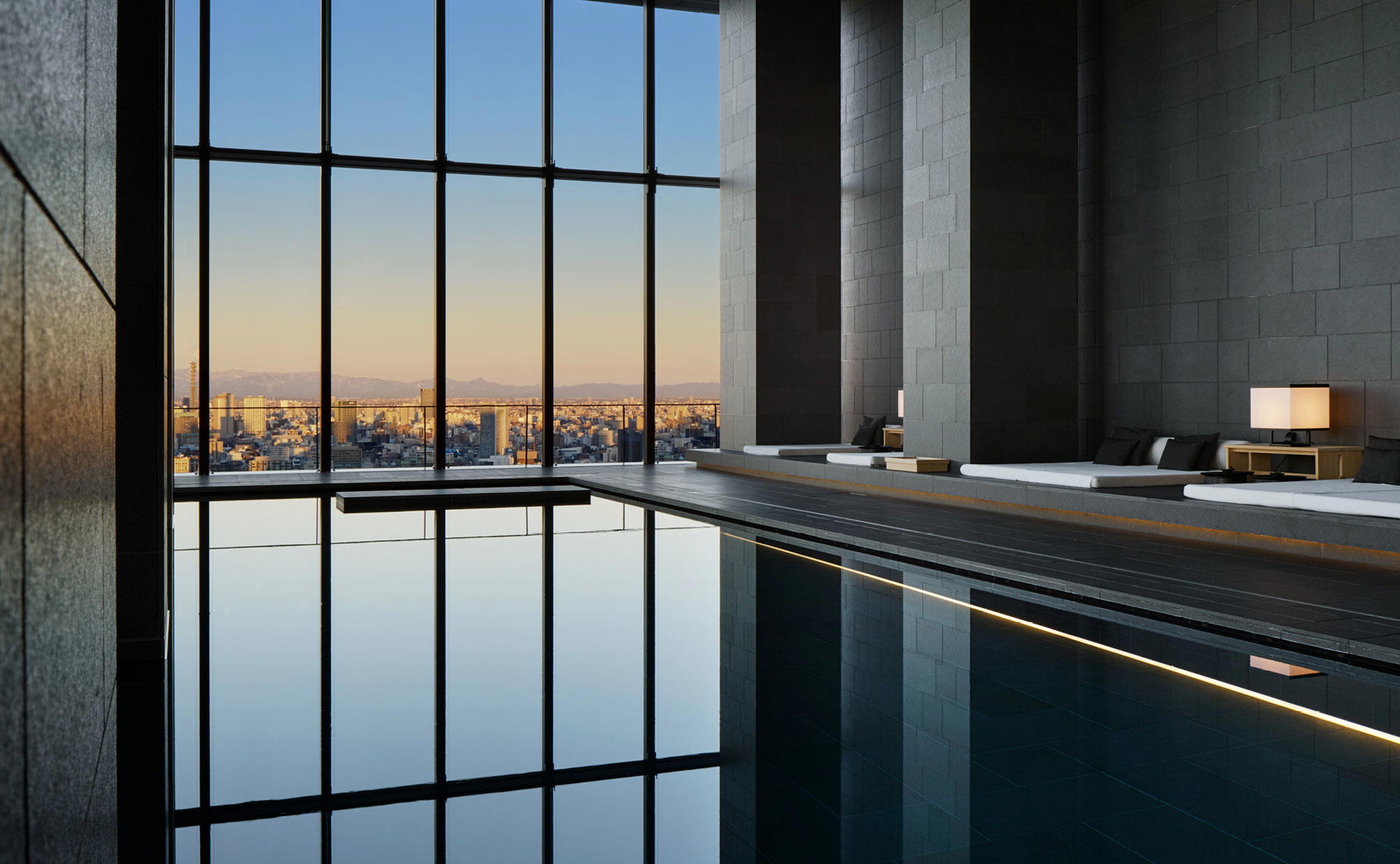
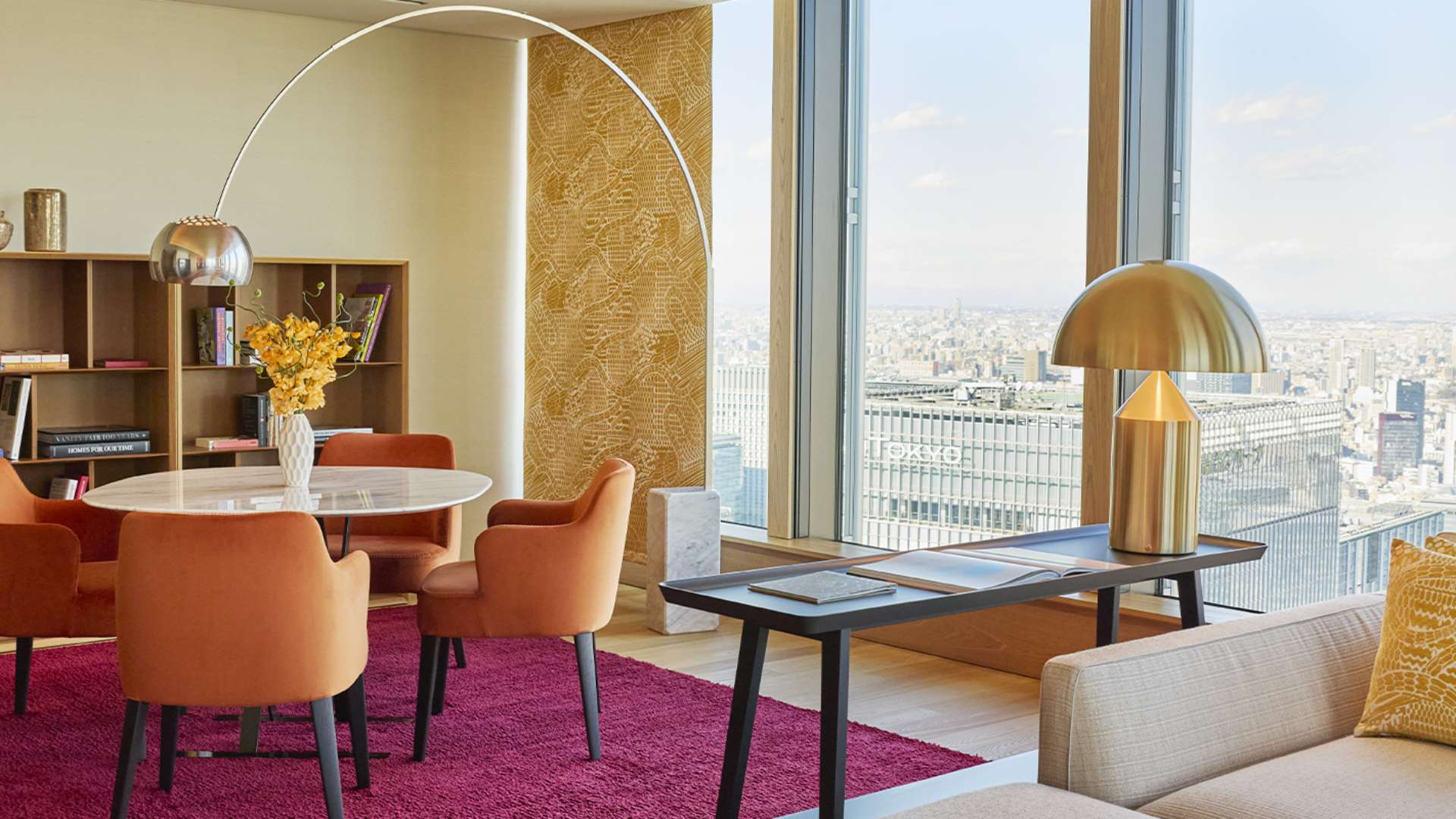
Stylish counter seating around an open kitchen with a simple, modern atmosphere focused on the grilling process.