Our verdict
ボケリアは、Toyama seafoodを軸にしたMediterranean Fusionで、スペイン産乳飲み仔豚のローストと sake program を備える。open kitchen、local sourcing、leisurely な dinner 向き。

Pearl is the En Primeur Club membership app — saves, bookings, and concierge access live there. Same editors, same standards.
- Address
- Japan, 〒937-0067 Toyama, Uozu, Shakado, 1 Chome−15−13 1F
- Phone
- +818021305118
- Hours
- Mon–Tue ClosedWed–Sun 11 AM–1:30 PM, 5–10 PM
- Website
- boqueria.jp
- Directions
- Get directions
- Booking
- Book on the venue's website
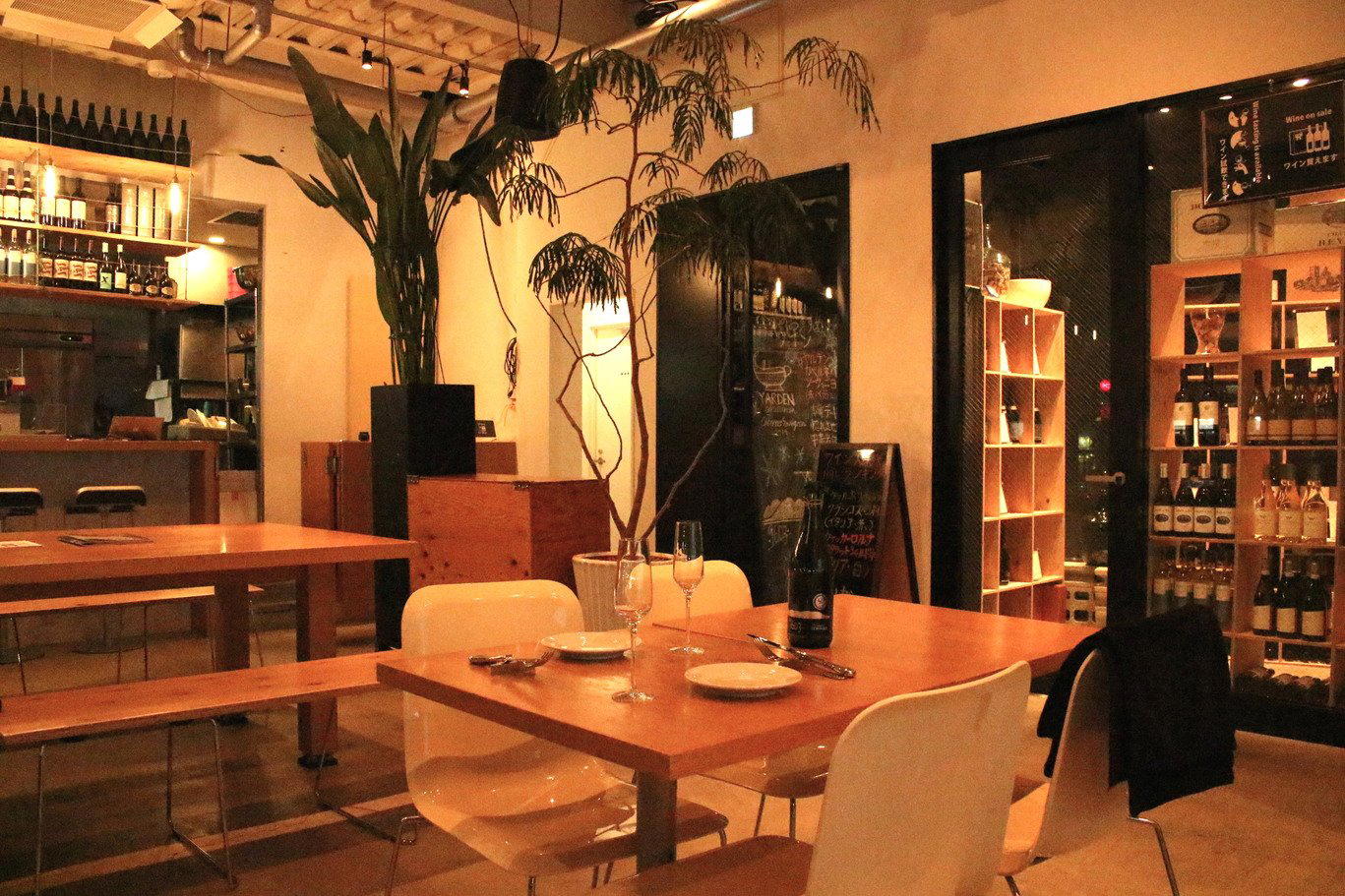
A Spanish Name in a Japanese Fishing Port
Uozu sits on the Toyama Bay coastline, a working port city better known to Japanese food specialists for its firefly squid season than for any particular restaurant scene. The city draws visitors between March and June, when hotaruika rise to the surface of the bay in luminescent swarms — a phenomenon that has made Toyama Prefecture a reference point for seasonal seafood in Japan. Against that backdrop, a venue operating under the name ボケリア (Boqueria) occupies a ground-floor address at 1-15-13 Shakado, a detail that immediately raises the question of what a Spanish market name is doing in a prefecture defined by its Japanese coastal identity.
That tension between imported reference and local context is a recurring pattern in Japanese regional dining. Cities outside the major circuits of Tokyo, Osaka, and Kyoto have, over the past two decades, developed pockets of non-Japanese cuisine that draw on the same ingredient quality available to high-end kaiseki kitchens. Toyama's seafood supply — snow crab, white shrimp, buri (yellowtail), and the seasonal firefly squid, gives any kitchen working in this prefecture access to material that operators in larger cities frequently import from this exact coastline.
Regional Dining Beyond the Major Circuits
Japan's restaurant recognition system has historically concentrated Michelin stars, Tabelog scores, and 50 Best attention in Tokyo, Kyoto, and Osaka. The consequence is that serious cooking in secondary cities operates largely outside that credentialing apparatus, which cuts both ways: venues in cities like Uozu, Nanao, or Takashima are neither validated nor disqualified by it. For comparison, HAJIME in Osaka and Harutaka in Tokyo operate in a tier where awards function as primary booking signals; a venue in Uozu must be found through different means entirely, local knowledge, food media coverage in Japanese, or word-of-mouth from visitors who came for the firefly squid and stayed for dinner.
That dynamic is not unique to Toyama. 一本木 川崎製 in Nanao and 琵琶荘 in Takashima represent a similar category of regional Japanese dining where the absence of international award coverage says nothing definitive about quality. In each case, the venue exists within a local food culture that predates and operates independently of the global recognition infrastructure. The same applies to 松羽屋 in Nishikawa Machi and 古代山乃 in Sapporo, regional venues where the editorial work is to contextualise rather than to rank.
The Cultural Stakes of a Spanish Name in Toyama
La Boqueria, the Barcelona market that gives ボケリア its name, is one of the most referenced food markets in European popular culture, a sprawling covered hall on Las Ramblas where tourists and locals have coexisted in declining proportion since the 2000s. As a naming choice for a Japanese restaurant, it signals an aspiration toward Mediterranean openness, abundance, and market-sourced cooking rather than the restrained, sequenced logic of kaiseki or omakase.
What is documentable is that Spanish cuisine has established a genuine foothold in Japan's higher-end restaurant culture. akordu in Nara represents one of the more discussed Spanish-Japanese intersections, operating in a city with its own distinct food identity. The comparison matters because it suggests that Spanish culinary references in Japan are not isolated gestures, there is a broader conversation happening about how Iberian technique, ingredient logic, and dining formats translate to Japanese contexts and Japanese seasonal produce.
For a kitchen in Uozu with access to Toyama Bay seafood, a Spanish or Mediterranean frame could be genuinely productive. The same firefly squid that defines Toyama's kaiseki spring menus has textural and flavour properties that work with olive oil, smoked paprika, or lemon as readily as with dashi and soy. Whether ボケリア is making that argument in its cooking is, again, a question that verified reporting would need to answer.
Placing ボケリア in a Wider Japanese Regional Context
For readers using EP Club to map Japan's non-Tokyo dining, several reference points are worth holding alongside Uozu. Gion Sasaki in Kyoto and Goh in Fukuoka both demonstrate that serious cooking outside Tokyo has developed distinct regional vocabularies rather than simply mirroring the capital. Le Bernardin in New York City and Atomix in New York City sit at the opposite end of the documentation spectrum, venues where EP Club holds detailed data on format, price, and critical positioning. The contrast illustrates a genuine information gap in regional Japanese dining that affects reader planning in practical terms.
Among venues with more documented Spanish or Western-influenced approaches in the region, Birdland in Sakai and Bistro Ange in Toyohashi offer comparison points for how European culinary traditions operate in Japanese cities outside the primary circuits. Blue Ocean Steak in Nakagami District and bodai further illustrate the range of non-Japanese culinary ambitions operating in regional Japan without the support of major award recognition.
Uozu's own restaurant scene, as documented in our full Uozu restaurants guide, includes 太和鮨 and 鮨大地, both of which reflect the city's natural orientation toward seafood-led Japanese formats. ボケリア sits as a counterpoint to that pattern, a venue whose naming at minimum declares a different intent, even if the specifics of execution remain undocumented here.
Planning a Visit: What to Know in Advance
Uozu is accessible from Toyama city via the Ainokaze Toyama Railway, with the journey running under 40 minutes from Toyama Station. The firefly squid season (March through June) represents the period when the city draws its heaviest visitor interest, and any dining plans during that window should account for reduced accommodation availability and longer travel times from Kanazawa or Toyama. Outside that window, Uozu is a quieter destination with easier logistics.
Before visiting, independent verification through Japanese map platforms or local tourism resources is the appropriate step. The address places the venue at a ground-floor location in a residential-commercial area of Uozu, which is consistent with the kind of neighbourhood dining that defines regional Japanese cities rather than the concentrated dining districts of major urban centres.
Frequently asked questions
Where do I go for ボケリア?
ボケリア is located at Japan, 〒937-0067 Toyama, Uozu, Shakado, 1 Chome−15−13 1F, Uozu.
How far is ボケリア from Toyama city, and is it easy to reach by public transport?
Uozu is served by the Ainokaze Toyama Railway, with the journey from Toyama Station running under 40 minutes. ボケリア's address — 1-15-13 Shakado, Uozu — places it within the city proper, making it reachable without a car for visitors based in Toyama. This rail link also makes a day or evening trip feasible alongside Toyama's own dining circuit.
What's the must-try dish at ボケリア?
Specific menu details for ボケリア have not been publicly documented at this time. Given the restaurant's location in Uozu, a port city on Toyama Bay, the seasonal firefly squid — a regional speciality that draws food specialists to this coastline each spring — would be a logical reference point when planning your visit. check the venue's official channels for current menu information.
What's the best way to book ボケリア?
No website or phone number for ボケリア is currently listed in public directories. The restaurant is located at 1-15-13 Shakado, Uozu, Toyama 937-0067. Visiting in person or asking your accommodation in Uozu or Toyama city to assist with a reservation inquiry is the most reliable approach.
What's the standout thing about ボケリア?
The name itself frames the premise: ボケリア takes its reference from La Boqueria, the Barcelona market deeply embedded in European food culture, and plants that association in a working Japanese port city on Toyama Bay. Whether that borrowing is literal or atmospheric in the food served, it positions the restaurant as a deliberate outlier within a regional dining scene that rarely draws international comparisons.
Is ボケリア good for vegetarians?
Uozu's culinary identity is built substantially around seafood, particularly Toyama Bay fish and firefly squid, so vegetarian options cannot be assumed. It is worth contacting the venue before visiting if dietary requirements are a factor.
A Pricing-First Comparison
Comparable venues nearby, for context on price, style, and recognition.
| Venue | Cuisine | Price | Awards | Notes |
|---|---|---|---|---|
| ボケリアThis venue — the venue you are viewing | Mediterranean Fusion with Toyama Seafood | Not listed | Not listed | Not listed |
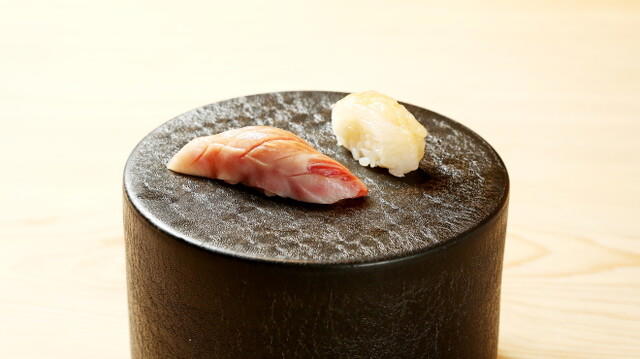
| 鮨大門 | Traditional Kaiseki | $50–100 | Not listed | Uozu, Traditional Kaiseki |
| 太助鮨 | Japanese Kaiseki | Not listed | Not listed | Uozu, Japanese Kaiseki |
| Hajime Ya | Iekei tonkotsu‑shoyu ramen shop | $1–10 | Tabelog 100 #80 | / Uozu, Iekei tonkotsu‑shoyu ramen shop |
| Mamiyado | Japanese Seafood Ramen | $10–20 | Not listed | Cape Soya, Wakkanai Scallop Ramen |
| Muromachi Sunaba (室町砂場) | Traditional Handmade Soba & Tempura | $10–20 | Tabelog 100 #49 | Nihonbashi Muromachi, Traditional Edo-style Soba |
Continue exploring
More in Uozu
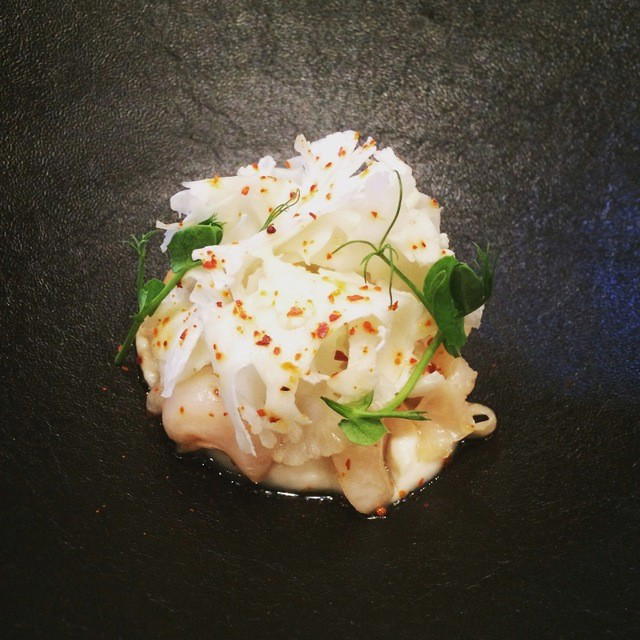
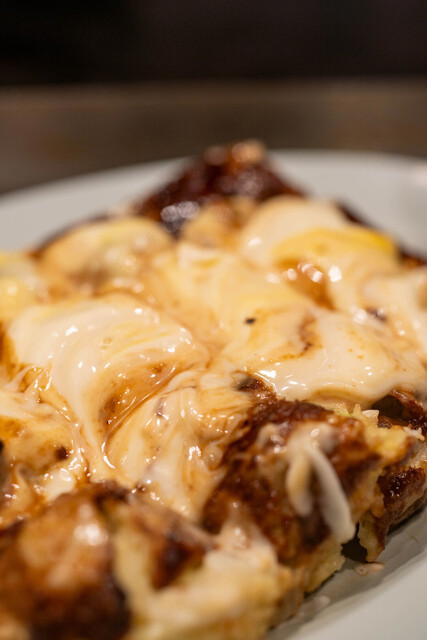
Restaurants in Uozu
Browse all →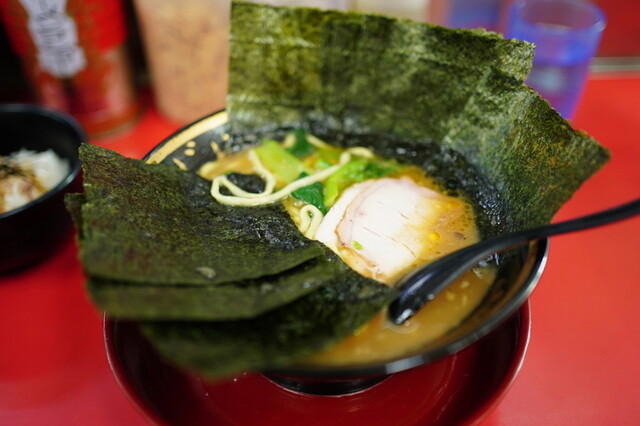
Hotels in Uozu
Browse all →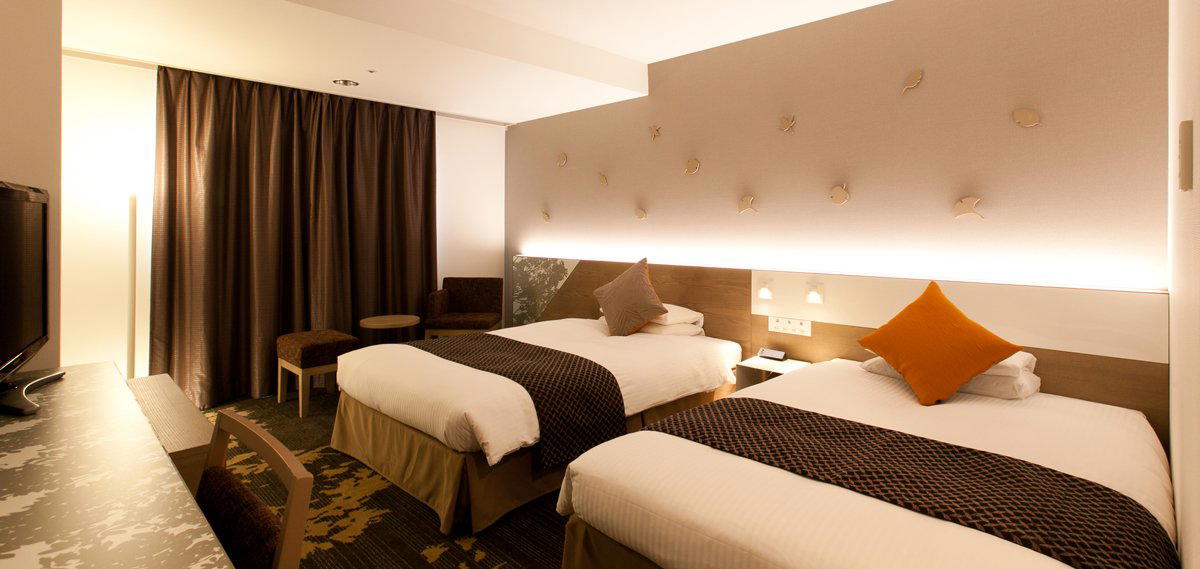
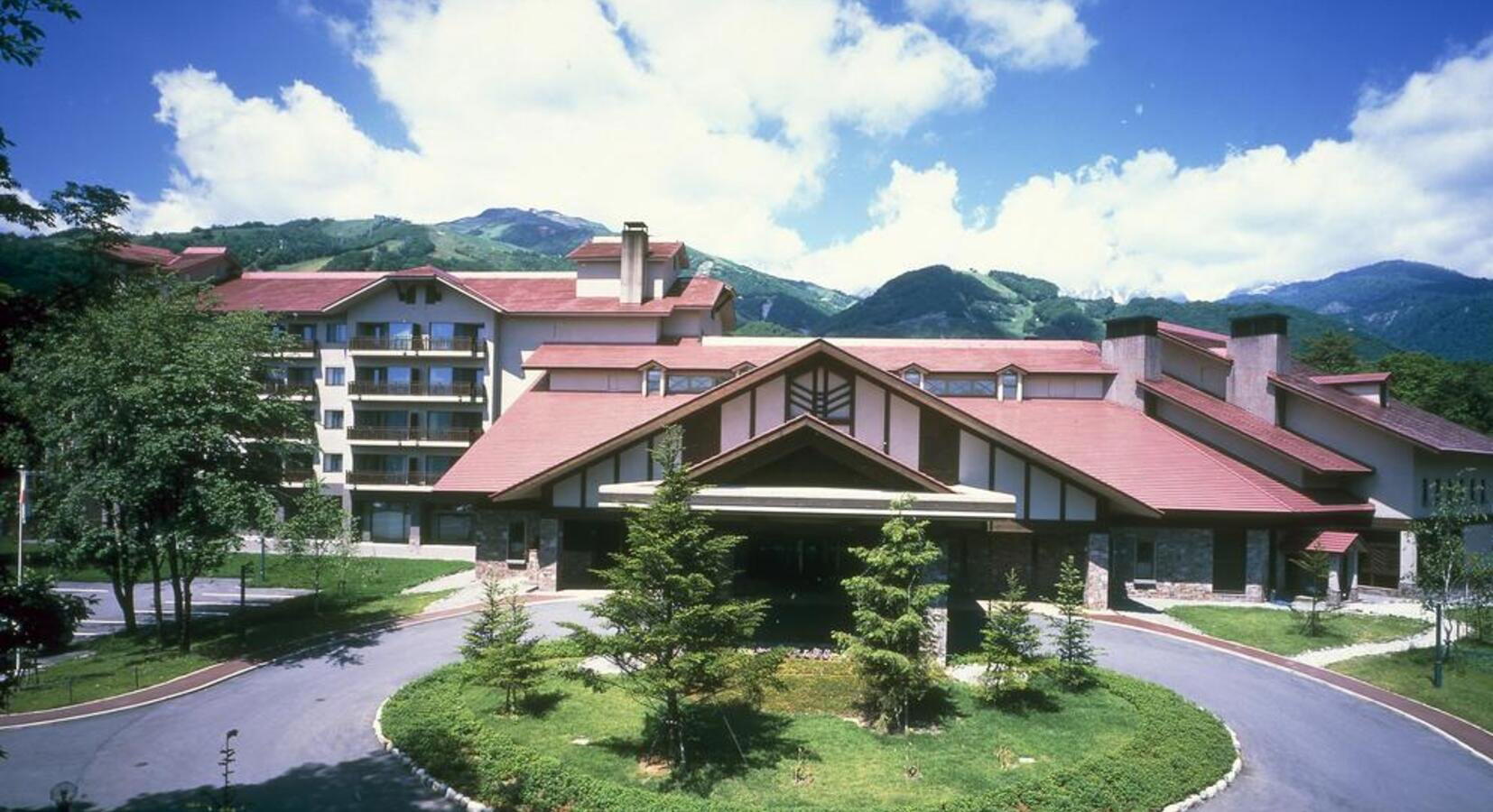

Wineries in Uozu
Browse all →
Details
- Cozy
- Elegant
- Date Night
- Casual Hangout
- Open Kitchen
- Sake Program
- Local Sourcing
- Small Plates
- A La Carte
- Wine
Current opening hours
- Monday
- Closed
- Tuesday
- Closed
- Wednesday
- 11 AM–1:30 PM, 5–10 PM
- Thursday
- 11 AM–1:30 PM, 5–10 PM
- Friday
- 11 AM–1:30 PM, 5–10 PM
- Saturday
- 11 AM–1:30 PM, 5–10 PM
- Sunday
- 11 AM–1:30 PM, 5–10 PM
Hours can change for holidays and private events. Last verified .
Relaxed atmosphere with partitions between seats for comfortable dining.