
Piatto Suzuki Cinque gives Toyama’s Italian dining a coastal reading rather than a metropolitan one: compact, wine-aware, and tied to the city’s access to serious produce and seafood. Its selection for Tabelog 100 Italian WEST 2025 places it among Japan’s stronger regional Italian rooms, with pricing that sits below Toyama’s higher-ticket tasting-menu tier.
Pearl is the En Primeur Club membership app — saves, bookings, and concierge access live there. Same editors, same standards.
- Address
- 富山県富山市東岩瀬町93
- Phone
- +81764824014
- Website
- p-suzuki5.com
 Saves & bookings on Pearl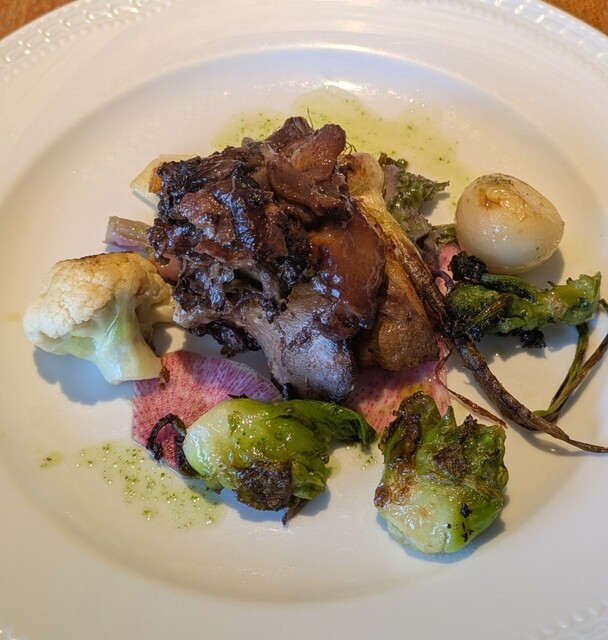
Higashiiwase moves at a different tempo from central Toyama: old port-town streets, low buildings, and the bay as daily life rather than scenery. That setting matters for Italian cooking. In Toyama, the cuisine convinces less when it imports a Tokyo template than when pasta, wine, olive oil, and European grammar meet the prefecture’s seafood culture and mountain-backed agriculture. Piatto Suzuki Cinque belongs to that second camp: a small Italian restaurant in the port-side district, built on proportion, sourcing, and the confidence to keep the room compact.
The useful comparison is not with casual pasta shops, but with Toyama’s serious small restaurants that ask diners to commit to a meal. Kaiseki rooms such as Oryori Fujii occupy one traditional lane; higher-budget counters and tasting rooms such as GEJO, Kuchi Iwa, and Cave Yunoki sit in another spending bracket. Piatto Suzuki Cinque is priced below that upper tier, yet its selection for Tabelog 100 Italian WEST 2025 places it in a national conversation about regional Italian cooking, not merely a neighbourhood one.
Italian cooking with Toyama's port logic
Toyama’s dining identity is shaped by proximity: the bay, the plains, and the short distance between producers and restaurants. Italian food has a natural advantage here when the kitchen avoids overworking raw material. The category can carry seafood, vegetables, wine, and sake without forcing them into rigid fine dining. The listed drinks program includes wine and nihonshu, a telling detail: in regional Japan, Italian restaurants that take sake seriously often acknowledge the local table rather than treating wine as the only legitimate pairing language.
Scale is editorially relevant. A 24-seat room, including counter seating, changes the meal’s rhythm, keeping it closer to a focused local restaurant than a banquet-format dining room. That suits a city where serious meals often depend on pacing, seasonality, and a clear kitchen-dining room relationship. Private rooms are not part of the format, so the energy is shared rather than sealed off. Read it as a compact dining room for Toyama ingredients translated through Italian structure, not a formal occasion venue built around separation.
The Tabelog score of 3.70 is another signal. In Japan, ratings compress tightly, especially outside the largest cities; a high-three score with a Hyakumeiten selection usually indicates consistent diner confidence rather than viral attention. The 2025 Tabelog 100 Italian WEST selection is the stronger trust marker, placing the restaurant within western Japan’s Italian award field. For travellers, it has enough recognition to justify planning, while Toyama keeps it from feeling like a trophy meal detached from place.
Where it sits in Toyama's serious dining map
Toyama rewards diners who do not treat it as a one-night stop between Kanazawa and the alpine route. Its restaurant culture is smaller than Tokyo’s, but sharper than many first-time visitors expect: sushi and kaiseki draw from the bay, izakaya culture stays practical and local, and a handful of Western-format restaurants work because they are grounded in Toyama rather than trying to erase it. For a broader read, Our full Toyama restaurants guide maps the bigger picture, while nearby names such as Boteyan, Boteyan Tanaka, Daimon, and Daruma show the city’s range.
Against that backdrop, Piatto Suzuki Cinque is useful for travellers who have planned the obvious seafood meal and want a second Toyama dinner in a different grammar. Dinner sits in the JPY 6,000 to JPY 7,999 range, with lunch at JPY 2,000 to JPY 2,999, placing it in an accessible serious-dining band rather than the high-spend tasting category. Compare Cave Yunoki or GEJO, both listed at JPY 20,000 to JPY 29,999, and the positioning is clear: not Toyama’s maximal-price end, but recognized and structured enough to plan rather than improvise.
The location changes the decision. Higashiiwase asks for more intent than a station-area meal, which suits the restaurant. Keirinjo Mae is the nearest station, and parking is listed, useful in a prefecture where dining plans often combine rail, taxi, and car. For visitors building a fuller stay, Our full Toyama hotels guide, Our full Toyama bars guide, Our full Toyama wineries guide, and Our full Toyama experiences guide help separate central-city convenience from port-side and coastal pacing.
A measured choice for ingredient-led Italian in 2026
The case for Piatto Suzuki Cinque is strongest when judged by fit: Italian technique, Toyama produce, a small room, and a drinks list leaving space for both wine and sake. It is not for diners seeking theatrical service or a long list of named signature dishes. It is better for those who understand why regional Italian cooking in Japan can be compelling when it listens to the local market first and the imported playbook second.
Reservations are available, and the award recognition gives reason to plan ahead, especially for dinner. Credit cards are accepted, while electronic money and QR code payments are not listed, useful for travellers moving between urban Japan’s cashless habits and regional restaurants with narrower payment systems. Non-smoking status and no private rooms also define the experience: contained, shared, and better for a focused meal than a sprawling group event.
For readers comparing beyond Toyama, separate category from craving. A sukiyaki specialist such as -Grilled beef Sukiyaki- KAMAKURA TANUKIAN 鎌倉 たぬき庵 in Kamakura, a Tokyo charcoal-and-tuna address like. 鮪と炭火焼き うお炭 秋葉原店 in Tokyo, or casual specialists such as.cafe in Osaka,.know in Kumamoto, (Shoku) Vietnam in Kawasaki, [Curry Senmon Ten] Maruyama Kyoju. in Sapporo, Jōdo Saké Bar in Los Angeles, and Onigiri Time in Pasadena answer different needs. In Toyama, the sharper question is whether the meal should express the prefecture through Japanese form or an Italian lens. Piatto Suzuki Cinque makes the latter choice credible.
A Quick Peer Check
Comparable venues by cuisine and price in the same metro.
| Venue | Cuisine | Price | Awards | Notes |
|---|---|---|---|---|
| Piatto Suzuki CinqueThis venue — the venue you are viewing | Seasonal Italian using Toyama seafood | $$$ | , | |
| Himawari Shokudo 2 | Modern Italian with Toyama Ingredients | $$$$ | Jintsu Honmachi | |
| Hagiwara | Toyama Omakase | $$$ | , | Ote Mall |
| Sushi Namba | Traditional Sushi Omakase | $$$ | , | Kumonmyo |
| Cave Yunoki | One-group-per-day French fine dining in a historic Toyama warehouse | $$$$ | , | Higashi Iwase |
| å¨ä¹ å± | japanese | , | , | Toyama |
Continue exploring
More in Toyama
Restaurants in Toyama
Browse all →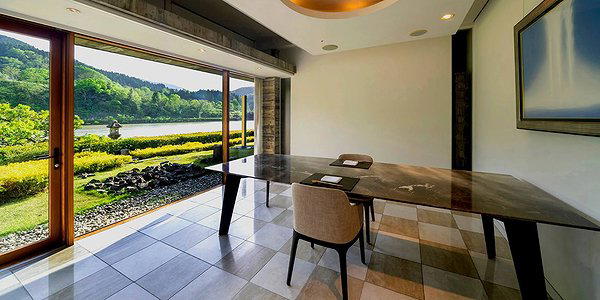
At a Glance
- Cozy
- Elegant
- Romantic
- Hidden Gem
- Classic
- Date Night
- Special Occasion
- Business Dinner
- Group Dining
- Solo
- Standalone
- Design Destination
- Open Kitchen
- Extensive Wine List
- Sake Program
- Local Sourcing
- Sustainable Seafood
- Street Scene
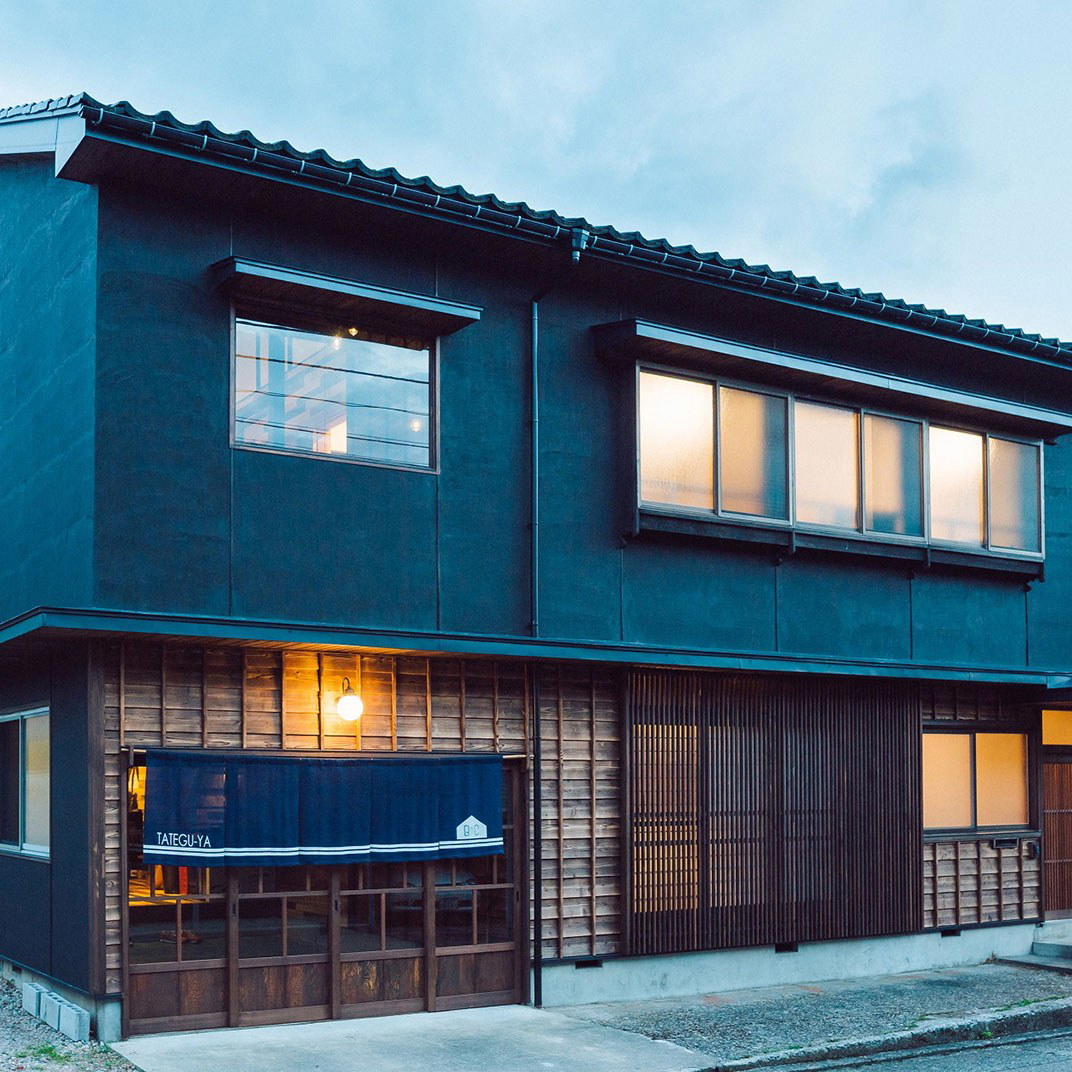
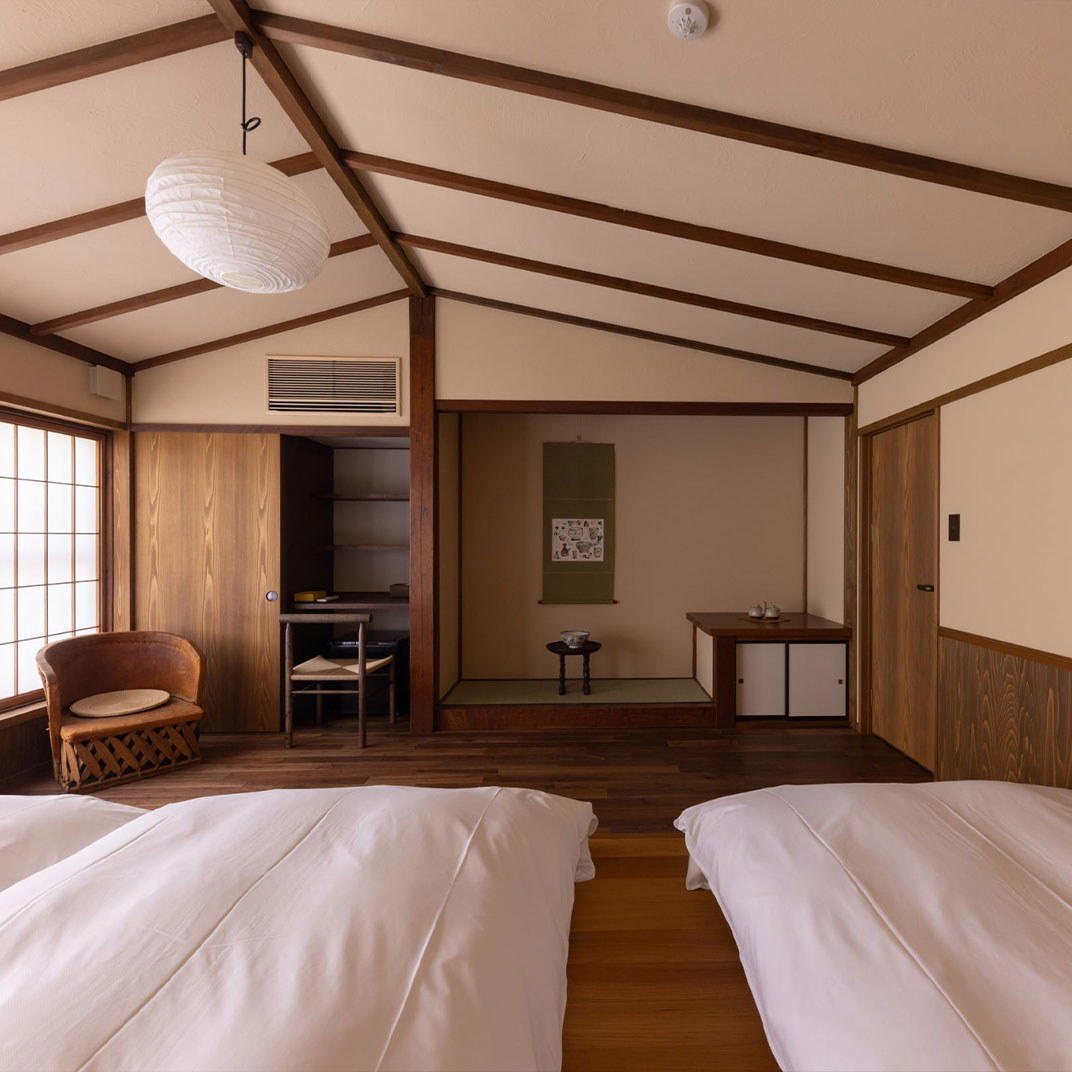
Warm and inviting with a charming, nostalgic port-town setting, small counter and table seating, and thoughtful ceramic art accents that create an elegant yet relaxed atmosphere suited to quiet dates and special meals.