
Tabelog 100 #100
Our verdict
Cave Yunoki brings French technique into Toyama’s port-city food culture, with fish, local produce, sake, and wine doing the heavy lifting rather than imported luxury cues. Its Tabelog French WEST 100 selection in 2025 places it among western Japan’s more closely watched French rooms, while the small-format setting in Higashi-Iwase keeps the experience intimate and locally grounded.

Pearl is the En Primeur Club membership app — saves, bookings, and concierge access live there. Same editors, same standards.
- Address
- Japan, 〒931-8358 Toyama, Higashiiwasemachi, 102 北前船回船問屋森家 土蔵群二番
- Phone
- +81 76-471-5556
- Hours
- Mon ClosedTue–Sun 6–10 PM
- Website
- caveyunoki.com
- Directions
- Get directions
- Booking
- Book on TableCheck
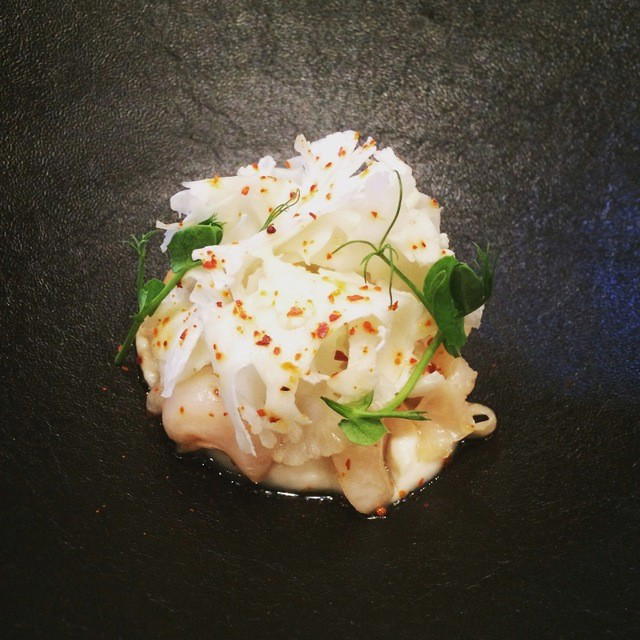
The menu
What to order
- Original seafood-focused course using Toyama Bay fish
- Wild game dishes sourced directly from a local hunter
- Seasonal French-Japanese fusion tasting menu
Cave Yunoki belongs to that regional school. The dining room sits in a former storehouse tied to the Kitamae ship era, and the format is small enough to make the meal feel closer to a counter-led tasting than a conventional destination restaurant. The bay is deep, cold, and close to the city, giving local kitchens a stronger fish vocabulary than many inland French rooms can claim. The surrounding agricultural belt adds rice and vegetables, while the sake tradition gives sommeliers another axis beyond Burgundy, Bordeaux, and Champagne.
The kitchen is noted for fish, and the drinks program gives equal weight to nihonshu and wine. That pairing logic is culturally precise. The result sits in a different lane from the city’s more casual comfort addresses such as Boteyan Tanaka, Daruma, and
Frequently asked questions
Does Cave Yunoki work for a family meal?
Yes, for families with children at middle school age and above. The restaurant also says younger children can be considered for private reservations, and the room seats 10 with counter seating for 7. The price range is JPY 20,000–JPY 29,999 per person.
Is Cave Yunoki formal or casual?
It sits in the middle, with no strict dress code and a request that men avoid shorts or sandals. The reservation-only dinner format and 10-seat room keep it sharper than a casual bistro, but it is not a jacket-and-tie dining room. The Toyama address in Higashi-Iwase reinforces that house-restaurant feel.
What's the price range at Cave Yunoki?
Pricing at Cave Yunoki is listed as JPY 20,000 - JPY 29,999.
What is Cave Yunoki known for?
Cave Yunoki is primarily known for its core concept and execution in Toyama.
Price and Positioning
Nearby venues at a similar price tier for orientation.
| Venue | Cuisine | Price | Awards | Notes |
|---|---|---|---|---|
| Cave YunokiThis venue — the venue you are viewing | One-group-per-day French fine dining in a historic Toyama warehouse | $150–200 | Tabelog 100 #100 | Not listed |
| Ebitei Bekkan | Kaiseki | $150–200 | Not listed | Yasunoya-cho, Kaiseki |
| ビストロヨシダ | French Bistro | $20–30 | Not listed | 西田地方町, French Bistro |
| ラ・ロカンダ・デル・ピットーレ環水公園 | 薪窯ピッツェリア | $30–50 | Not listed | Minatoirifunecho, 薪窯ピッツェリア |
| KAWAZ | French with Toyama Ingredients | $100–150 | Not listed | Sogawa, French with Toyama Ingredients |
| Patisserie Girafe | Not listed | $10–20 | Tabelog 100 #31 | Traditional French-style patisserie and chocolate shop |
Recognition history
Dated appearances from independent guides and award organizations, with the underlying list record or original source where available.
Tabelog 100 #100 · No. 100
Tabelog · Tabelog 100 - French - WEST - 2025
Continue exploring
More in Toyama
Restaurants in Toyama
Browse all →
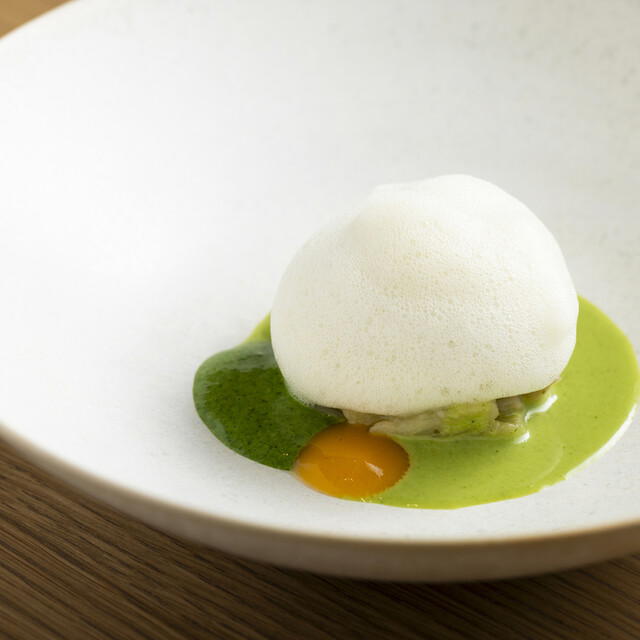
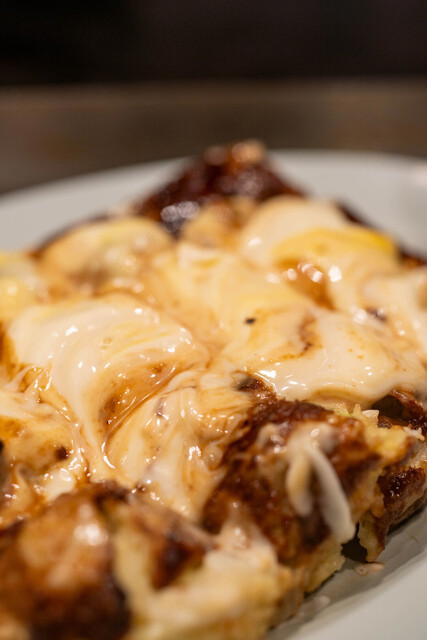
Hotels in Toyama
Browse all →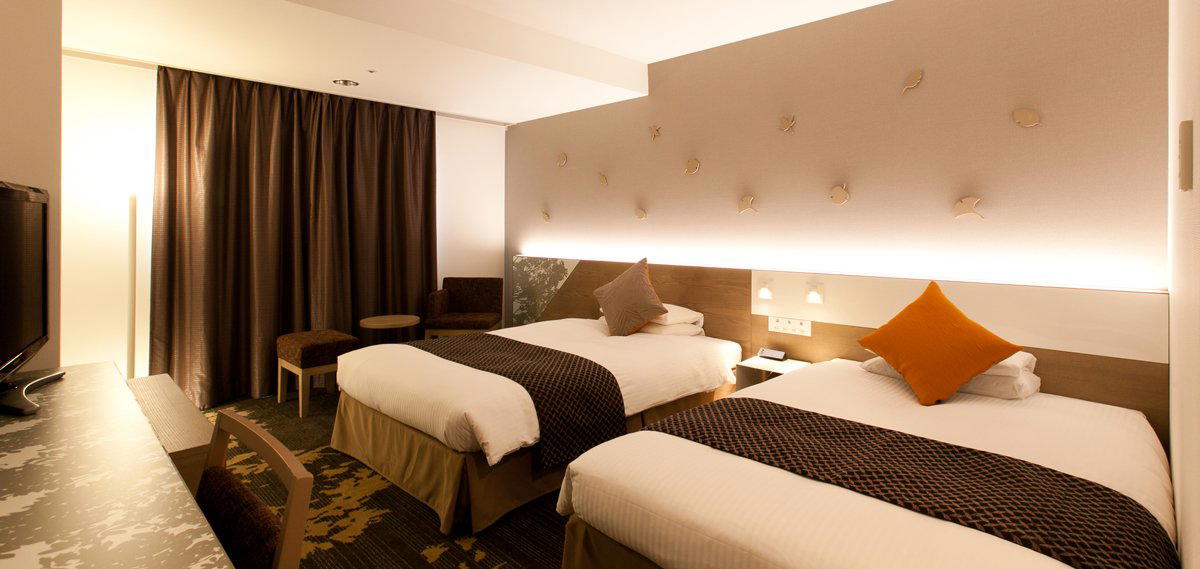
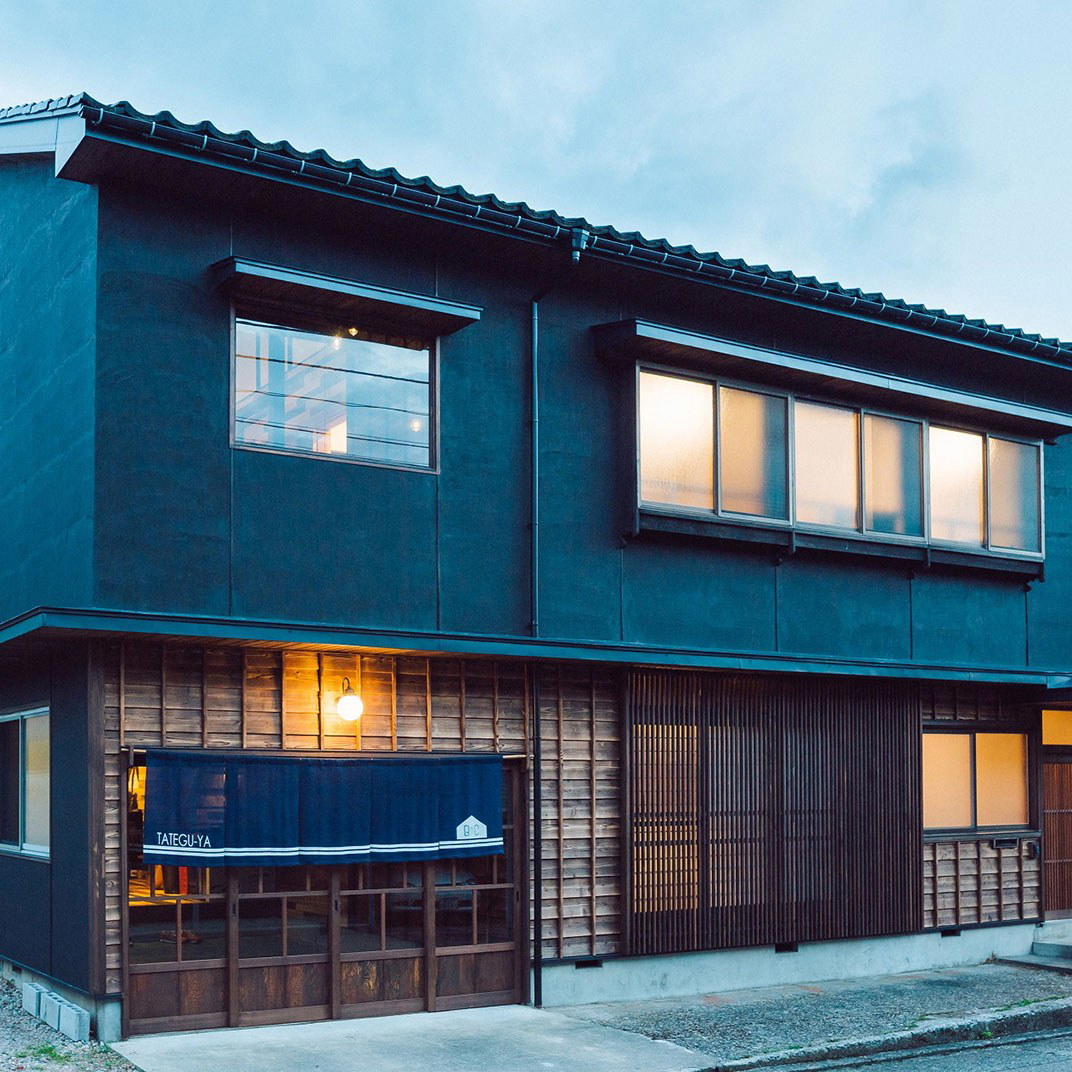
Wineries in Toyama
Browse all →
Details
- Intimate
- Elegant
- Rustic
- Sophisticated
- Romantic
- Special Occasion
- Date Night
- Business Dinner
- Group Dining
- Chefs Counter
- Wine Cellar
- Historic Building
- Design Destination
- Standalone
- Private Dining
- Extensive Wine List
- Natural Wine
- Sake Program
- Sommelier Led
- Local Sourcing
- Sustainable Seafood
- Natural Wine
- Tasting Menu
- Prix Fixe
- Counter Dining
- Set Menu
- Wine
- Sake
- Tea
- Vegetarian Friendly
- Gluten Free Options
- Allergy Accommodating
Current opening hours
- Monday
- Closed
- Tuesday
- 6–10 PM
- Wednesday
- 6–10 PM
- Thursday
- 6–10 PM
- Friday
- 6–10 PM
- Saturday
- 6–10 PM
- Sunday
- 6–10 PM
Hours can change for holidays and private events. Last verified .
An intimate, theater-style dining room inside a century-old earthen warehouse, blending traditional Japanese architecture with a refined French restaurant setting; candlelike warm lighting, quiet atmosphere, and the feeling of a secluded hideout in the old port town.