
Michelin Selected
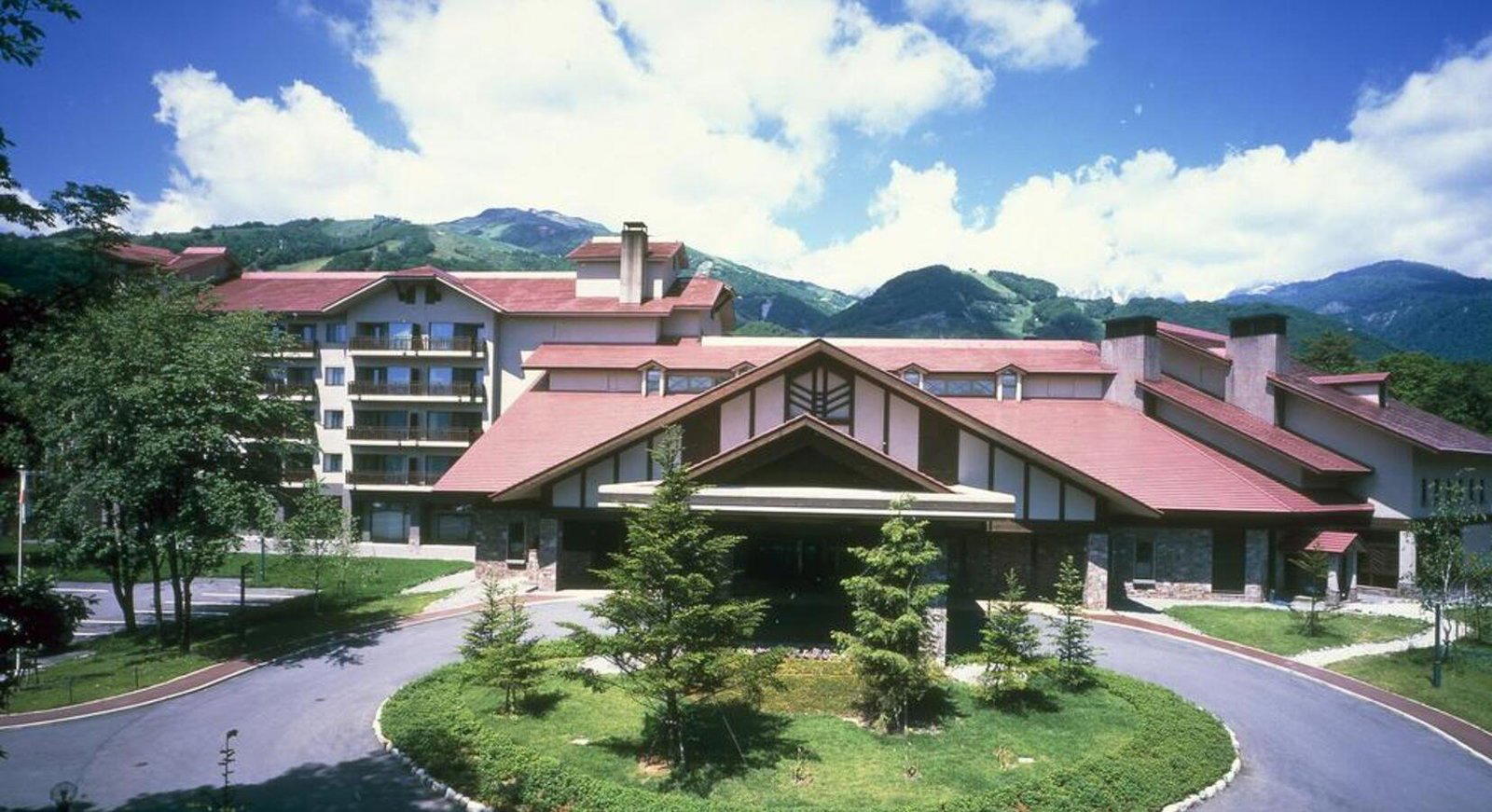
House of Finn Juhl Hakuba brings the furniture and spatial philosophy of the celebrated Danish designer into the Japanese Alps, operating as a Michelin Selected property in Hakuba's Hokujo district. The property sits within a small cohort of design-forward accommodations that treat the built environment as the primary offering, positioning it alongside Japan's most considered small-scale retreats rather than its conventional ski lodges.

Pearl is the En Primeur Club membership app — saves, bookings, and concierge access live there. Same editors, same standards.
- Address
- 3020-281 Hokujo, Hakuba, Kitaazumi District, Nagano 399-9301, Japan
- Phone
- +81 70-4142-9218
- Website
- houseoffinnjuhlhakuba.jp
- Directions
- Get directions
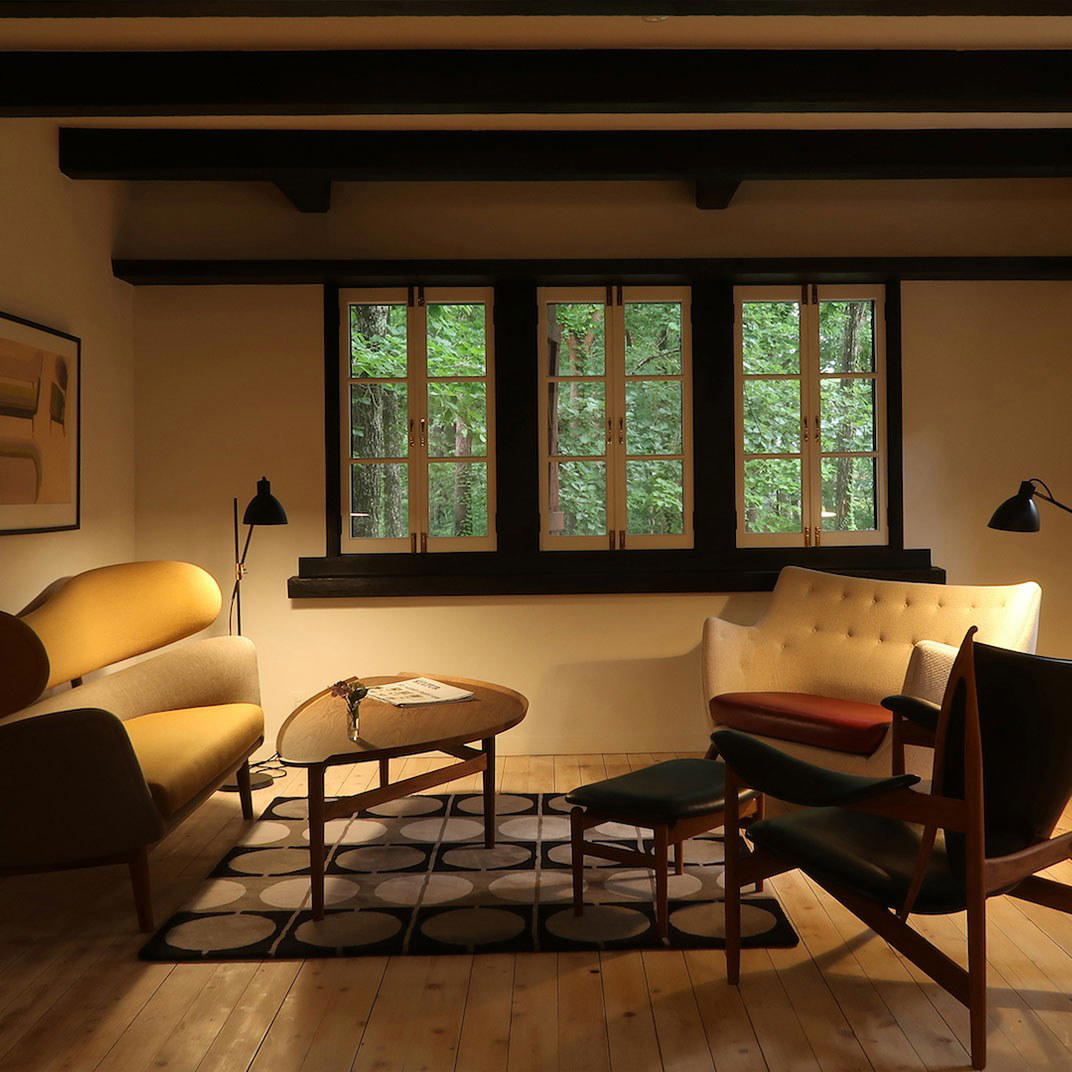
Danish Modernism at Altitude: Design as the Destination
Hakuba's accommodation market divides roughly into two camps: the ski-infrastructure lodges that treat rooms as a functional afterthought to slope access, and a smaller, quieter cohort of properties where the physical space itself is the reason to visit. House of Finn Juhl Hakuba belongs firmly to the second group. The property takes its name and its entire visual grammar from Finn Juhl, the Danish architect and furniture designer whose mid-century work helped define what clean, considered form could do to a living environment. Arriving at Hokujo 3020-281 in the quieter northern stretch of Hakuba village, the building reads differently from its neighbours: the proportions are deliberate, the materiality restrained in the way that serious Scandinavian design tends to be, where the absence of excess is itself the statement.
That Juhl's aesthetic has landed in Nagano Prefecture rather than Copenhagen is less surprising than it sounds. Japan has maintained a deep, documented appreciation for Scandinavian modernism since at least the postwar period, with collectors and design institutions acquiring original Juhl pieces decades before his international revival in the 2000s. The property in Hakuba continues that affinity in architectural form, embedding the designer's spatial logic into a building intended for Alpine use. This is a design tradition that travels well: Juhl's insistence on sculptural furniture that relates to the human body rather than just filling a room translates into interiors that feel inhabited and purposeful rather than staged.
How This Sits Within Japan's Design-Led Accommodation Scene
Japan has developed one of the world's most coherent networks of design-forward small properties, particularly in its mountain and resort regions. Zaborin in Hokkaido uses a rigorous wabi-sabi material palette; Benesse House in Naoshima integrates the property directly with a contemporary art museum; Gora Kadan in Hakone draws on the traditions of imperial villa architecture. What distinguishes House of Finn Juhl Hakuba within this peer group is the explicit importation of a named Western design vocabulary into an Alpine Japanese context, rather than interpreting Japanese spatial tradition or working through a Japanese architect's contemporary lens. That specificity of reference gives the property a distinct identity that aligns it with internationally minded design travelers rather than the washitsu-and-onsen circuit.
The Michelin Selected recognition, confirmed in the 2025 Michelin Hotels listing, places the property inside a curated tier of accommodation that Michelin's inspectors considered worthy of attention on criteria beyond star count and room square footage. For Japan, where Michelin has expanded its accommodation coverage significantly in recent years, that inclusion signals a level of coherence between the guest experience and the property's stated identity. HOTEL THE MITSUI KYOTO and Bvlgari Hotel Tokyo occupy higher tiers of Michelin's accommodation recognition; House of Finn Juhl Hakuba sits at the entry point of that acknowledged set, which for a specialist design property in a ski village rather than a major city carries its own editorial weight.
Hakuba's Position as a Setting for This Kind of Property
Hakuba has grown from a purely functional ski destination, associated internationally with the 1998 Nagano Winter Olympics, into a valley that attracts a more architecturally and gastronomically engaged visitor than its powder-focused reputation might suggest. The shift mirrors what happened in Niseko a decade earlier, though Hakuba's pace has been more measured and its character more rooted in the existing community. The Hokujo area, where the property sits, occupies the northern end of the valley, slightly removed from the primary lift clusters around Happo-One. That distance from the most concentrated ski infrastructure is consistent with a property whose appeal is not primarily slope adjacency.
In winter, the valley receives some of the deepest snowfall in the Japanese Alps, a consequence of moisture-laden air moving off the Sea of Japan and hitting the Shirouma massif. In summer and autumn, Hakuba reconfigures as a hiking and cycling destination, with trails accessing terrain above 2,000 metres. A design-led property like House of Finn Juhl Hakuba is positioned to work across both seasons in a way that a ski-lodge format would not, because the interior experience is the constant rather than the conditions outside. For comparison, properties in Hakuba that function primarily as ski accommodation have limited off-season rationale; a property built around a specific spatial and design experience carries its reason for visit regardless of snow depth.
Travelers assembling a Japan itinerary that moves between design-led accommodations in different environments might pair this property with Satoyama-Jujo in Niigata, which applies a different kind of material rigour to a rural Niigata setting, or with Fufu Kyu-Karuizawa Restful Forest in Karuizawa, another mountain-adjacent property in a historically design-conscious resort town. For ryokan-format alternatives within the broader Japan mountain circuit, Asaba in Izu and Nishimuraya Honkan in Kinosaki-cho represent the traditional architecture end of the same traveler's interest. HOTEL LA VIGNE HAKUBA by Onko Chishin provides a locally relevant comparison within Hakuba itself, and GOTO RETREAT by Onko Chishin illustrates how the Onko Chishin group approaches design-led accommodation in an entirely different island geography.
Planning a Stay
The property address is Hokujo 3020-281, Hakuba, Nagano Prefecture. Hakuba is accessible from Tokyo via the Hokuriku Shinkansen to Hakuba Nagano Station, followed by a direct bus or taxi to the valley; the total journey runs approximately 2.5 to 3 hours from central Tokyo depending on timing. Given the Michelin Selected recognition and the property's small-scale format, advance booking is advisable, particularly for the winter ski season from December through March and the late-autumn foliage period. For a broader read on where this property sits within Hakuba's accommodation and dining options, see our full Hakuba restaurants guide.
Comparison Snapshot
| Venue | Awards |
|---|---|
| House of Finn Juhl HakubaThis venue — the venue you are viewing | Michelin Selected |
| Bvlgari Hotel Tokyo | 3 Michelin Keys · World's 50 Best #24 |
| Aman Kyoto | 2 Michelin Keys · World's 50 Best #74 |
| Aman Tokyo | 2 Michelin Keys · World's 50 Best #11 |
| Palace Hotel Tokyo | 3 Michelin Keys · World's 50 Best #73 |
| Amanemu | 3 Michelin Keys · La Liste Top Hotels |
Recognition history
Dated appearances from independent guides and award organizations, with the underlying list record or original source where available.
Michelin Selected
Michelin
Continue exploring
More in Hakuba
Hotels in Hakuba
Browse all →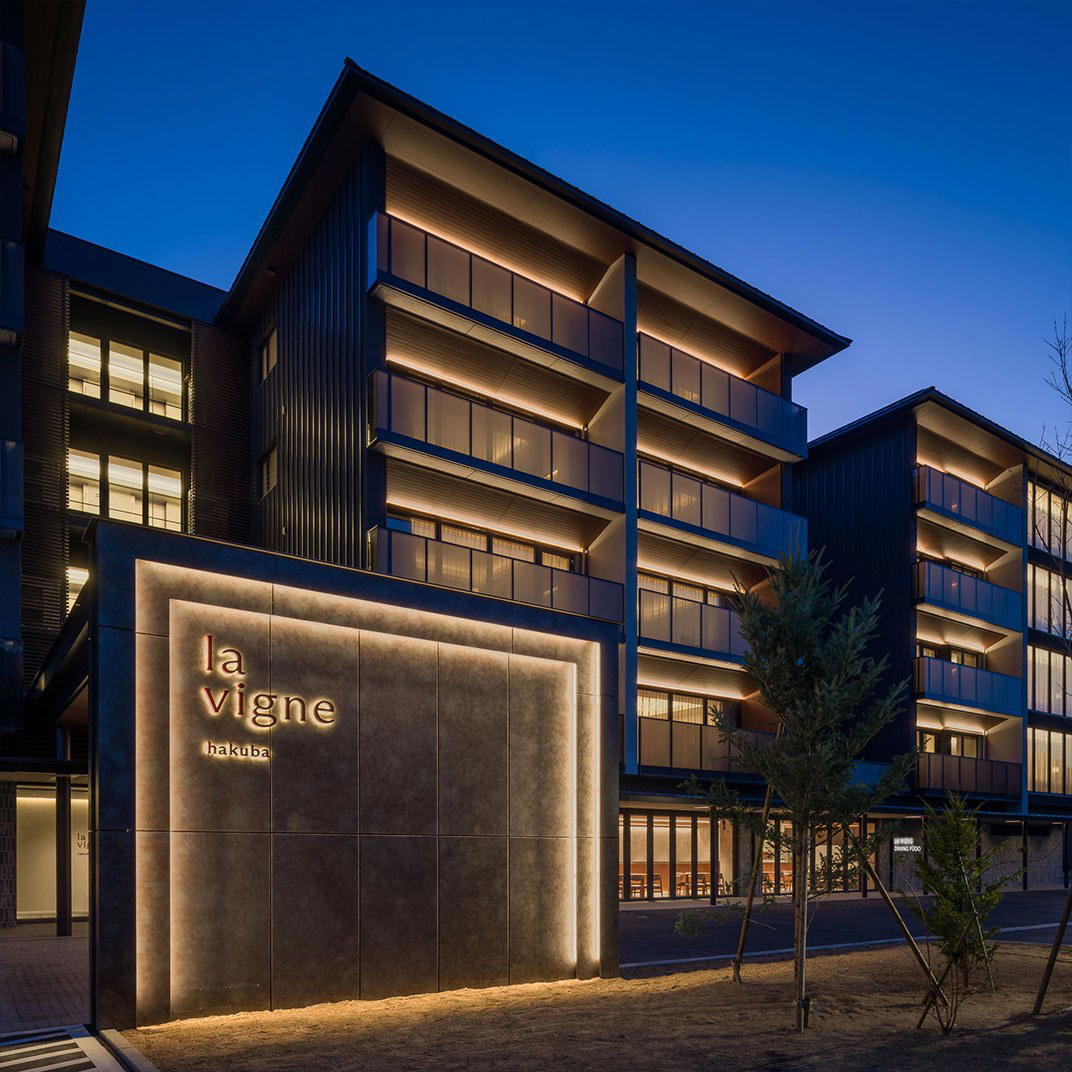
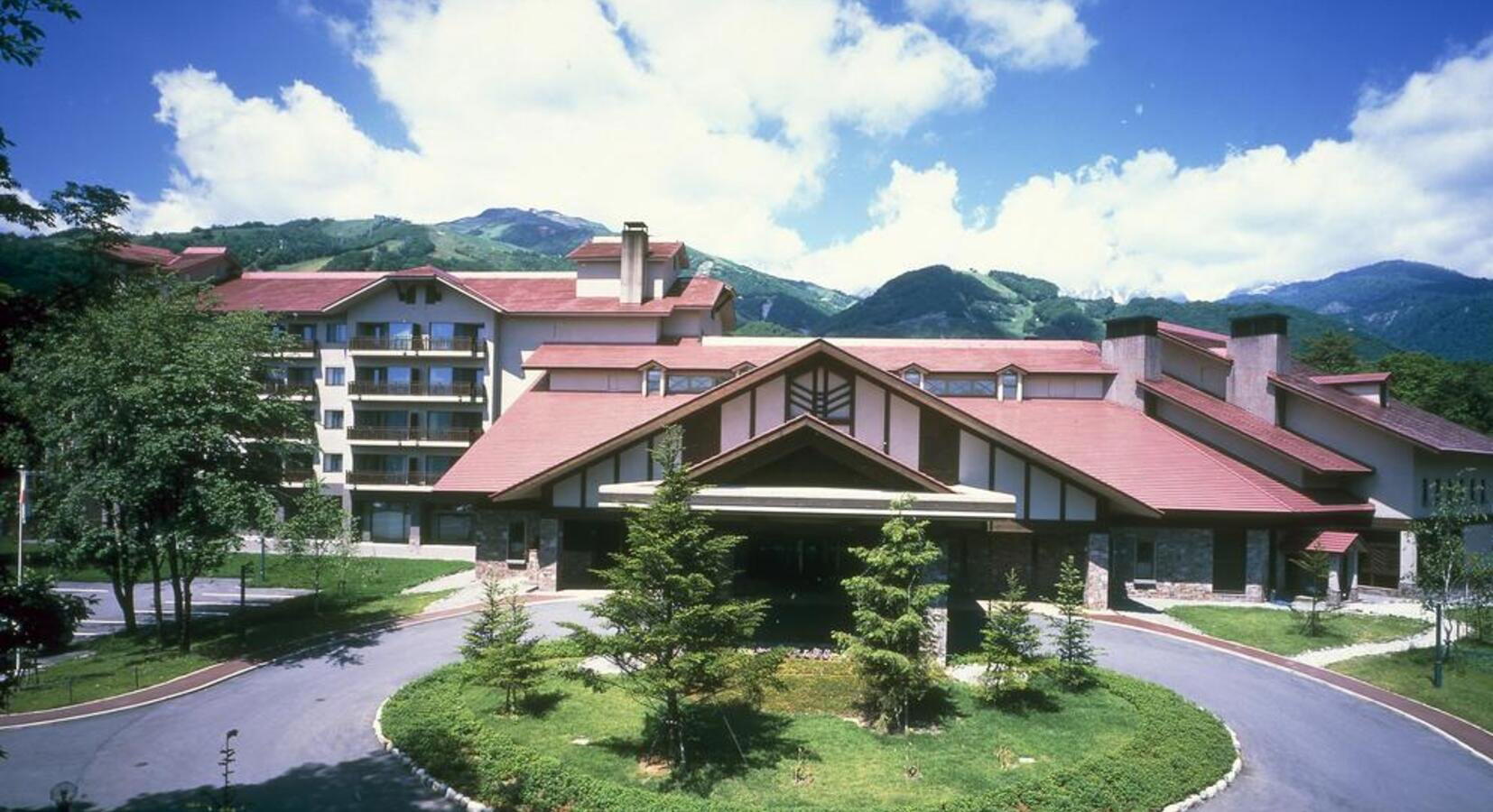

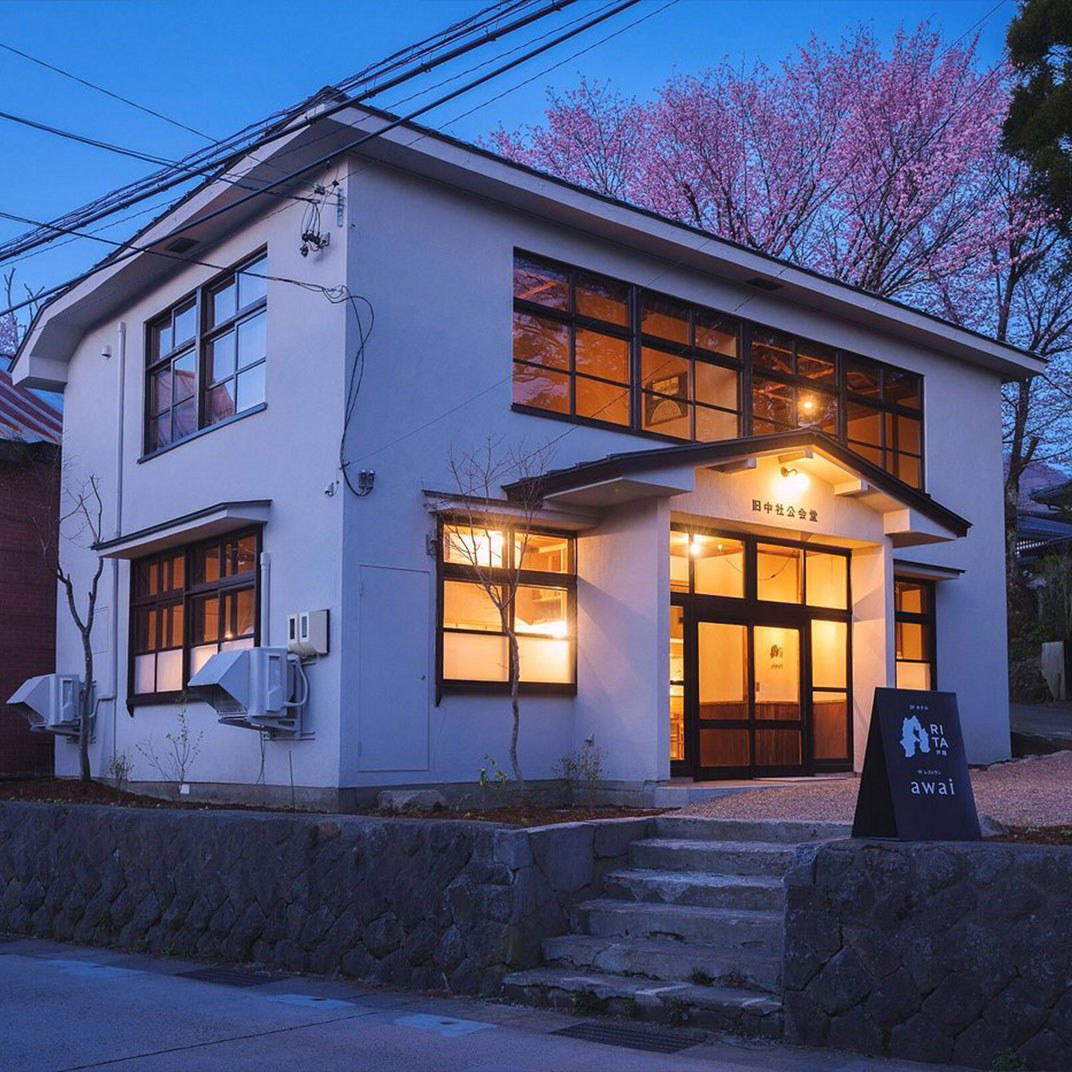
Restaurants in Hakuba
Browse all →

Wineries in Hakuba
Browse all →
Details
- Quiet
- Cozy
- Elegant
- Minimalist
- Scenic
- Romantic Getaway
- Weekend Escape
- Destination Wedding
- Design Destination
- Panoramic View
- Wi Fi
- Bar
- Mountain
Quiet, cozy, and elegant, with downplayed lighting, organic materials, and a calm Japanese-Scandinavian design atmosphere that feels like a comfortable home.