Our verdict
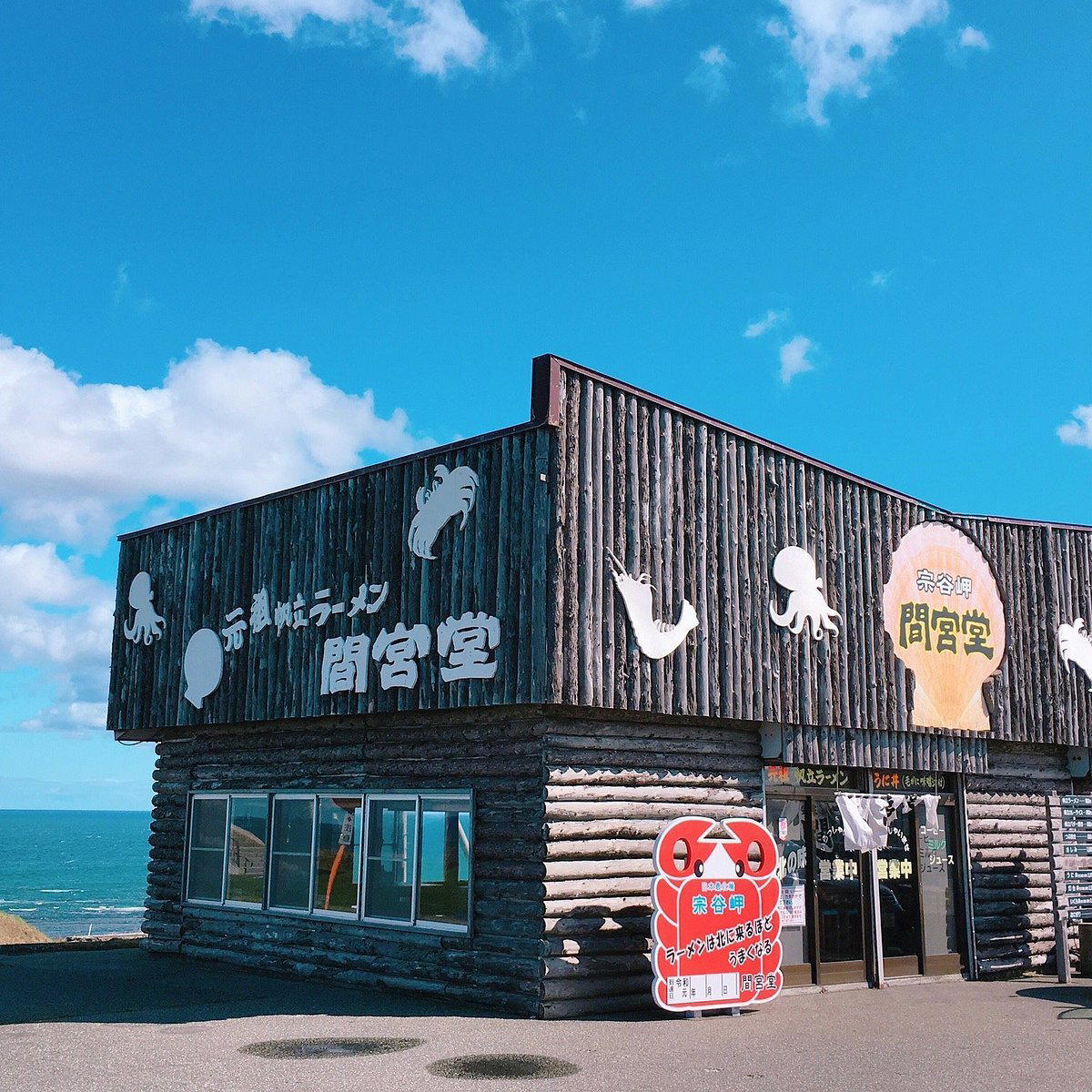
Mamiyado sits in Wakkanai, Japan's northernmost city, where the Sea of Japan and the Sea of Okhotsk converge to produce some of the country's most distinctive cold-water seafood. The dining scene here operates at a remove from the Michelin circuits of Sapporo, Osaka, and Tokyo, shaped instead by proximity to Sakhalin and a fishing economy that determines what appears on the plate. For travellers reaching this far north, Mamiyado offers a grounded entry point into that tradition.

Pearl is the En Primeur Club membership app, where members save venues, book tables and use the concierge.
The menu
What to order
- Scallop salt ramen
- Shio ramen with scallop
- Scallop curry
Where Japan Runs Out of Road
Wakkanai sits at the northernmost tip of Hokkaido, roughly 330 kilometres north of Sapporo, separated from Sakhalin Island by the Soya Strait. The city is not a dining destination in the way that Kyoto or Fukuoka are, there are no Michelin inspectors making regular circuits this far north, and the restaurant scene reflects the priorities of a working port town rather than a culinary showcase. What it does have is some of Japan's most direct access to cold-water seafood: sea urchin, scallops, crab, and fish that travel a short distance from boat to kitchen. Mamiyado operates within that context, and that context is the reason to come.
For comparison, the high-end Japanese dining that most international travellers encounter, the kaiseki counters of Kyoto, the precision sushi of Tokyo venues like Harutaka, or the innovative tasting menus at places like HAJIME in Osaka, is built on sourcing networks that often trace supply chains back to exactly this kind of northern port. The ingredient origin and the finished plate are usually separated by geography, economics, and several layers of distribution. In Wakkanai, that distance collapses.
The Cultural Weight of the Far North
Hokkaido became formally incorporated into the Japanese state only in the late nineteenth century, and Wakkanai's character still carries traces of that relatively recent settlement history alongside the longer presence of the Ainu people and the influence of Sakhalin's geography. The food culture here is less ceremony-driven than the kaiseki tradition of central Honshu and more directly tied to what the surrounding seas produce in a given season. This is not a place where the kitchen interprets ingredients through elaborate technique, it is a place where the quality of the raw material is the primary argument.
That directness sits in contrast to the formally codified dining experiences found further south. Gion Sasaki in Kyoto represents kaiseki at its most disciplined and culturally layered, where seasonal transition is marked through specific preparations with precise historical antecedents. Wakkanai dining, including what Mamiyado represents, operates without that formal grammar. The seasonal logic is present, crab season, sea urchin season, the particular character of winter fishing, but it is expressed through availability rather than ritual. Both are legitimate expressions of Japanese food culture; they simply sit at different points on a spectrum that runs from ceremony to subsistence.
Internationally, the closest parallel is perhaps the kind of waterfront dining found in port cities where the fishing economy is still active: Bergen, Galicia, the Breton coast. The argument in each case is the same, proximity to source is itself a form of quality control that no amount of technique applied further down the supply chain can fully replicate. Venues like Le Bernardin in New York City have built reputations on sourcing and technique applied to premium seafood; places like Wakkanai operate at the other end of that chain, where sourcing is a matter of geography rather than procurement strategy.
Reading the Wakkanai Dining Scene
The restaurant scene in Wakkanai is modest in scale. This is a city with a population that has been declining for decades as fishing industry employment has shifted, and the dining infrastructure reflects that. The venues that persist tend to be small, often family-operated, and oriented toward local regulars and the relatively small number of visitors who make the journey specifically because of the seafood reputation. Karafuto Shokudō is another point of reference in the local scene, and taken together these venues represent a dining culture shaped by utility and ingredient quality rather than by competition for awards or tourist traffic.
The absence of Michelin recognition in Wakkanai is not evidence of deficiency, it reflects the guide's geographic coverage priorities, which have historically concentrated on larger urban centres. Sapporo, Hokkaido's capital, receives annual Michelin attention; venues like 夕仙山乃 in Sapporo sit within that evaluated circuit. Wakkanai does not. That distinction matters for how a traveller should calibrate expectations: the measure of quality here is not stars or scores but the directness of the sourcing chain and the kitchen's ability to present what the sea provides without overclaiming.
Elsewhere in Japan, similar dynamics play out in other fishing-economy towns. The broader Hokkaido (Wakkanai) restaurant scene reflects a food culture that is quieter and more internally consistent than the dining circuits of major cities, and for certain travellers, that consistency is precisely the point. Venues like Goh in Fukuoka or akordu in Nara represent how Japanese cities outside Tokyo have developed distinct dining identities; Wakkanai takes that regional particularity to an extreme, defined almost entirely by its maritime geography.
Planning a Visit
Reaching Wakkanai from Sapporo takes approximately five hours by train on the JR Soya Line, or around two hours by air from New Chitose Airport. The logistics of getting there are the first filter: the city rewards travellers who have built an itinerary around the far north rather than those adding it as a day extension from Sapporo. The leading seasonal window for seafood in this region runs from late spring through early autumn, with sea urchin in particular peaking during summer months. Crab seasons follow different calendars depending on species, so confirming what is in season before booking travel makes practical sense.
Travellers who have built Japan itineraries around restaurants with formal recognition, the counter seats at venues like Atomix in New York City for a transatlantic point of reference, or high-format experiences along the lines of 湖畔荘, will find Wakkanai operating in a fundamentally different register. The case for the journey is the case for ingredient provenance at the point of origin, not for culinary theatre. Those are different propositions, and Mamiyado is relevant to the former.
Frequently asked questions
Is Mamiyado a family-friendly restaurant?
Wakkanai's dining scene is small and community-oriented by nature, a city of this scale, with a declining population tied to the fishing industry, tends to produce restaurants that serve a broad local cross-section rather than narrow demographics.
What's the overall feel of Mamiyado?
Wakkanai carries a working-port character that distinguishes it sharply from Hokkaido's more tourist-oriented towns further south. Restaurants here tend to reflect that: functional, local, shaped by proximity to the Soya Strait fisheries rather than by hospitality trends filtering down from Sapporo. Mamiyado sits within that context, in a city where the atmosphere is set more by geography and industry than by design intention.
Is Mamiyado worth visiting specifically if I'm travelling to Wakkanai from Sapporo?
The journey from Sapporo to Wakkanai takes roughly five hours by train on the JR Soya Line, which means most visitors arrive with a clear purpose rather than passing through. Wakkanai's restaurant options are limited in number, so Mamiyado occupies a meaningful position in a city where dining choices are shaped by local fishing supply rather than competitive culinary density. If you are making the trip north, accounting for local restaurants like Mamiyado is part of engaging with the destination rather than an afterthought.
What do people recommend at Mamiyado?
Specific dish recommendations for Mamiyado are not available in current documentation. What the broader Wakkanai setting makes highly plausible is a menu anchored in northern seafood: the waters around the Soya Strait yield sea urchin, scallops, and cold-water fish that define Hokkaido's far-north food identity. For accurate current menu information, contacting Mamiyado directly or consulting recent local visitor accounts is the reliable route.
What's the best way to book Mamiyado?
In a city the size of Wakkanai, many restaurants operate on a walk-in basis or accept reservations by phone through local accommodation referrals. Asking your hotel or ryokan in Wakkanai to assist with a reservation is often the most effective approach in smaller Hokkaido cities.
Price and Positioning
Comparable venues nearby, for context on price, style, and recognition.
| Venue | Cuisine | Price | Awards | Notes |
|---|---|---|---|---|
| MamiyadoThis venue (the venue you are viewing) | Japanese Seafood Ramen | $10–20 | Not listed | Not listed |
| Karafuto Shokudō | Fresh Hokkaido Seafood Bowls | $20–30 | Not listed | Noshappu, Fresh Hokkaido Seafood Bowls |
| Fujiya NOODLE | Modern Sapporo miso ramen counter | $10–20 | Tabelog 100 #13 | Chūō, Modern Sapporo miso ramen counter |
| ZEN LABORATORY | Modern ramen & tsukemen | $10–20 | Tabelog 100 #21 | Kita, Modern ramen & tsukemen |
| Nishimura | Japanese | Not listed | Not listed | Naka, Japanese |
| Tori no Sato | Japanese Izakaya (Local Chicken & Seafood) | $30–50 | Tabelog 100 #67 | Kawaramachi, Japanese Izakaya (Local Chicken & Seafood) |
Continue exploring
More in Wakkanai
Restaurants in Wakkanai
Browse all →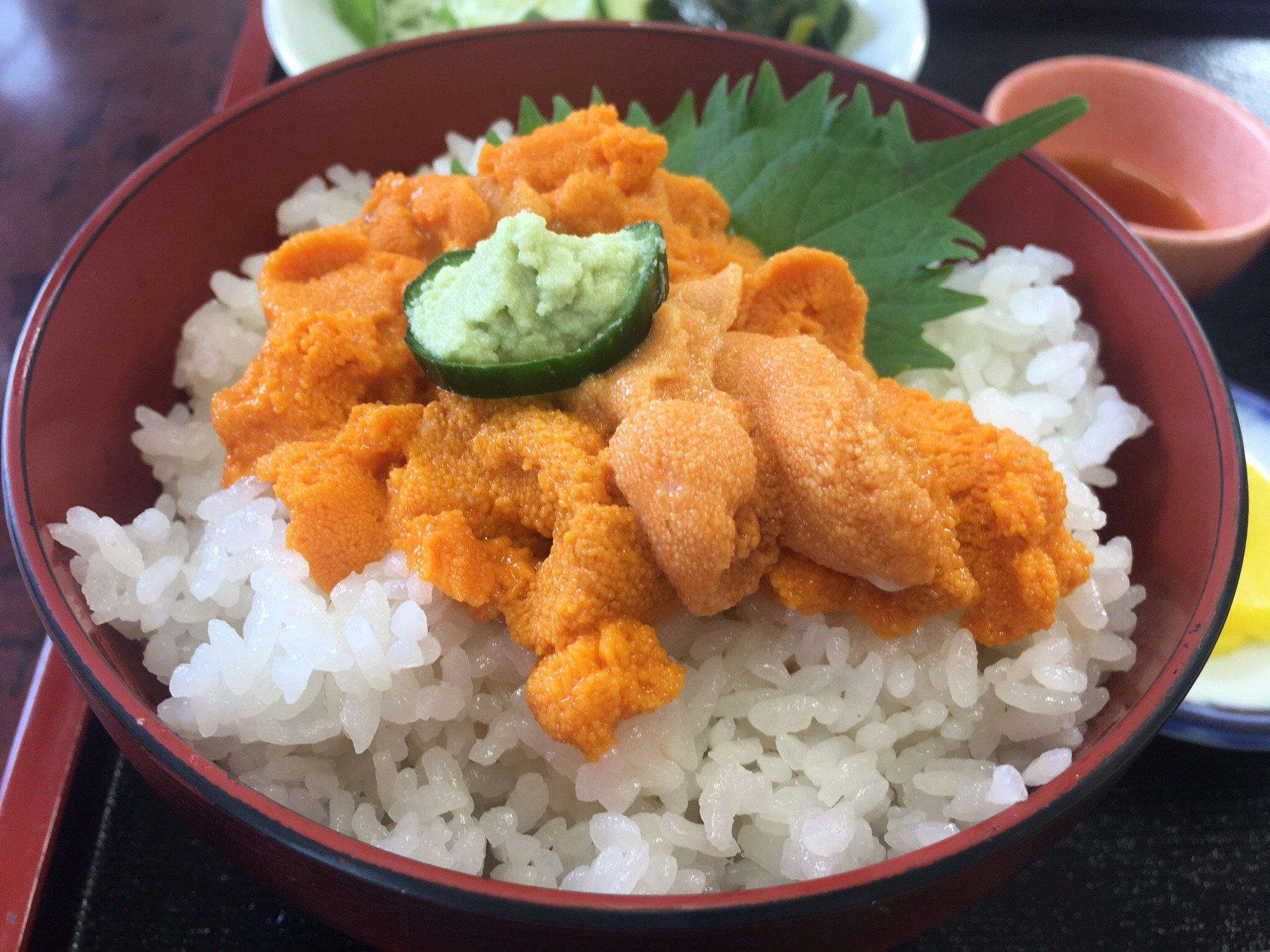
Details
- Cozy
- Classic
- Quiet
- Casual Hangout
- Solo
- Waterfront
- Standalone
- Local Sourcing
- Waterfront
- A La Carte
- Pescatarian Friendly
Cozy, casual, and simple, with a relaxed atmosphere and ocean views noted by diners.