


Tabelog Silver #23
Our verdict
Toyama’s kaiseki scene is inseparable from the Japan Sea, mountain water, and a regional craft culture that rewards restraint over display. Oryori Fujii sits in that serious local register: reservation-only, fish-led Japanese cuisine with Tabelog Silver recognition in 2026 and a place on Opinionated About Dining’s 2026 Japan ranking.

Pearl is the En Primeur Club membership app — saves, bookings, and concierge access live there. Same editors, same standards.
- Address
- 93 Higashiiwasemachi, Toyama, 931-8353, Japan
- Phone
- +81 76-471-5555
- Hours
- Mon ClosedTue–Sun 12–3 PM, 6–10 PM
- Website
- oryouri-fujii.jp
- Directions
- Get directions
- Booking
- Book on TableCheck
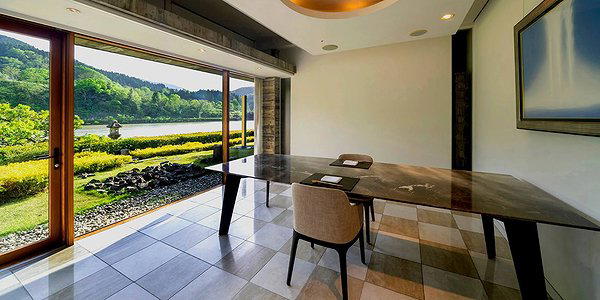
Higashiiwase gives Toyama dining a different tempo from the station-side grid. The old port district is quiet and deliberate, with low buildings, craft associations and the sense that the sea is daily infrastructure, not scenery. That matters for kaiseki. The form depends on sequence, season and proportion, and in Toyama on proximity: cold-water fish, mountain-fed rivers, rice culture and sake traditions sit close enough to shape the table without explanation.
Oryori Fujii belongs to that regional school of Japanese cuisine, not the capital-city model of high-gloss kaiseki. Its awards signal seriousness: The Tabelog Award 2026 Silver, a Tabelog score of 4.43, selection for Tabelog Japanese cuisine WEST “Tabelog 100” 2025, and a 2026 Opinionated About Dining Top Restaurants in Japan Ranked placement at No. 38. Those credentials put it in a national conversation, but the more useful frame is Chūbu’s coastal kaiseki circuit, where Toyama, Ishikawa and Shiga kitchens compete on ingredient fidelity, pacing and craft rather than spectacle.
Toyama kaiseki, read through fish and restraint
Kaiseki is often misread abroad as luxury by accumulation: more courses, rare ingredients, ceremony. The stronger version is editorial. It edits the season into sequence, sets warm and cool, cooked and raw, broth and rice in controlled relation, and lets tableware and room rhythm work. Toyama sharpens that logic because the prefecture has a clear culinary grammar. The Japan Sea supplies the marine backbone; inland valleys and mountain water give the cuisine rice, vegetables and sake culture. A fish-led kitchen here is not style bolted onto a menu; it is the local condition.
That makes the restaurant’s classification as Japanese Cuisine and Regional Cuisine more telling than a generic fine-dining label. Toyama lacks Kyoto’s imperial dining mythology and Tokyo’s density of luxury counters. Its stronger restaurants speak through place: disciplined seafood, local seasonality without pastoral cliché, and service formats that reward diners who accept a course meal’s cadence. Oryori Fujii’s reservation-only structure and compact room support that style. Its 20-seat format, including an eight-seat counter and private tatami room, feels closer to a controlled kaiseki salon than a large regional restaurant.
The counter matters because kaiseki is timing, temperature and visible handoff, not only plates in order. In a small room, cooking and service narrow. The private tatami room suits Toyama’s family and group dining culture, where serious Japanese cuisine need not mean a hushed counter for two. That dual format is practical and regional: formal dining can be intimate without metropolitan-counter rigidity.
A national ranking, but not a Tokyo-style proposition
The restaurant’s recognition should be read carefully. The Tabelog Silver award places it among restaurants with sustained high user and critic attention in Japan’s dining ecosystem, while OAD’s 2026 ranking gives it visibility beyond domestic review culture. Neither makes the experience a Tokyo transplant. The better comparison is with regional kaiseki houses such as Kataori, Zeniya, Tokuyamazushi, Shofukuro Honten and Hirasansou, where destination value comes from a strong local larder and clear sense of place. In that company, the measure is not luxury markers, but how convincingly locality becomes structure.
Masataka Fujioka gives the restaurant a chef anchor, but the more important point is its place within Toyama’s craft-minded dining culture. Kaiseki has always been as much about objects as ingredients: lacquer, ceramics, trays, flowers and negative space shape how a meal is read. Toyama’s craft reputation makes that relationship feel less ornamental. A house restaurant with counter seating and a tatami room fits the regional idiom: personal scale, formal cues, and domestic texture that avoids hotel-restaurant performance.
Price positioning clarifies the audience, though the decision should not be reduced to cost. Lunch and dinner share the JPY 30,000 to JPY 39,999 band before service charge, placing the meal firmly in Toyama destination-dining territory. That parity suggests value lies in the full course format, not a lighter daytime compromise. Diners comparing it with a casual sushi stop or izakaya crawl are comparing different categories. The benchmark is a planned kaiseki meal built around regional materials, not a spontaneous seafood dinner near the station.
For travelers mapping Toyama beyond one meal, the city rewards category switching. The wider restaurant circuit includes casual and specialist addresses such as Boteyan, Boteyan Tanaka, Cave Yunoki, Daimon and Daruma. For broader planning, use Our full Toyama restaurants guide, then pair the meal with Our full Toyama hotels guide, Our full Toyama bars guide, Our full Toyama wineries guide and Our full Toyama experiences guide. Readers building a Japan-wide kaiseki itinerary can compare the genre against Ajihiro, Kaiseki in Tokyo and Akasaka Asada, Kaiseki in Tokyo, while contrasting regional Japanese dining with unrelated formats such as -Grilled beef Sukiyaki- KAMAKURA TANUKIAN 鎌倉 たぬき庵 in Kamakura. 鮪と炭火焼き うお炭 秋葉原店 in Tokyo.cafe in Osaka.know in Kumamoto, (Shoku) Vietnam in Kawasaki and [Curry Senmon Ten] Maruyama Kyoju. in Sapporo.
Who should plan a meal here
This is a strong choice for diners who understand that kaiseki asks for attention. The payoff is not a single headline dish, and no responsible reading should promise one. The pleasure is cumulative: how a meal moves through season, vessel, broth, fish, rice and closing gestures; how a small room keeps pace; how a regional kitchen speaks confidently without copying Kyoto or Tokyo. Toyama’s dining identity benefits from restaurants that make the prefecture specific rather than secondary, and this is where Oryori Fujii earns its itinerary place.
The planning profile is clear. The restaurant is reservation-only, non-smoking indoors, accepts major credit cards and PayPay, and has parking shared with a neighboring business. It is also more flexible than many high-end counters for families: children are welcomed, counter use is limited to middle-school age and older with an adult ordering a course, and younger children are directed to the private room. Dress guidance is restrained rather than formal, but light clothing such as T-shirts and tank tops is discouraged. For a Toyama trip built around serious Japanese cuisine, treat the meal as the day’s anchor rather than an add-on between sightseeing blocks.
Frequently asked questions
Would Oryori Fujii be comfortable with kids?
Yes, but the dining room is set up with limits. Children are welcome, the counter is for middle school age and older with an adult ordering a course meal, and younger children are directed to the private room. The private tatami room can accommodate up to 12 guests.
What's the vibe at Oryori Fujii?
It reads as a reservation-only kaiseki house in Toyama, with 20 seats, including eight counter seats and a private tatami room. The address on Higashiiwasemachi and the Tabelog Silver award point to a serious dining room rather than a casual neighborhood spot. Expect a setting that suits course meals and longer, paced dinners.
What kind of cuisine does Oryori Fujii serve?
Oryori Fujii serves Kaiseki cuisine.
What days is Oryori Fujii closed?
Hours at Oryori Fujii: Hours: Monday Closed Tuesday 12–3 pm, 6–10 pm Wednesday 12–3 pm, 6–10 pm Thursday 12–3 pm, 6–10 pm Friday 12–3 pm, 6–10 pm Saturday 12–3 pm, 6–10 pm Sunday 12–3 pm, 6–10 pm.
What's Oryori Fujii's location?
Oryori Fujii is located in Toyama.
Comparable venues nearby, for context on price, style, and recognition.
| Venue | Cuisine | Price | Awards | Notes |
|---|---|---|---|---|
| Oryori FujiiThis venue — the venue you are viewing | Toyama Kaiseki | $200–300 | Tabelog Silver #23 | Not listed |
| SOTO | High-End Omakase Sushi | $150–200 | Tabelog 100 #9 | Izumicho |
| Tempura Koizumi Takano | Seasonal Kansai-style Tempura Omakase | $100–150 | Tabelog 100 #79 | Toyama Station area |
| Cave Yunoki | One-group-per-day French fine dining in a historic Toyama warehouse | $150–200 | Tabelog 100 #100 | Higashi Iwase |
| Ogiichi Masuzushi Honpo | Traditional Toyama Masuzushi Specialty Shop | $20–30 | Tabelog 100 #66 | Koizumicho |
| Gin Gyo | Izakaya Seafood | $30–50 | Tabelog 100 #12 | Shintomicho |
Recognition history
Dated appearances from independent guides and award organizations, with the underlying list record or original source where available.
Opinionated About Dining Top Restaurants in Japan Ranked #38
Opinionated About Dining
Tabelog Silver #23
Tabelog
The Japan Times Destination Restaurants Destination Restaurants Selection #8
The Japan Times Destination Restaurants
Full recognition history (7 entries)
Opinionated About Dining Top Restaurants in Japan Ranked #73
Opinionated About Dining
Tabelog Silver
Tabelog
Tabelog 100 #4 · No. 4
Tabelog · Tabelog 100 - Japanese cuisine - WEST - 2025
Opinionated About Dining Top Restaurants in Japan Ranked #101
Opinionated About Dining
Continue exploring
More in Toyama
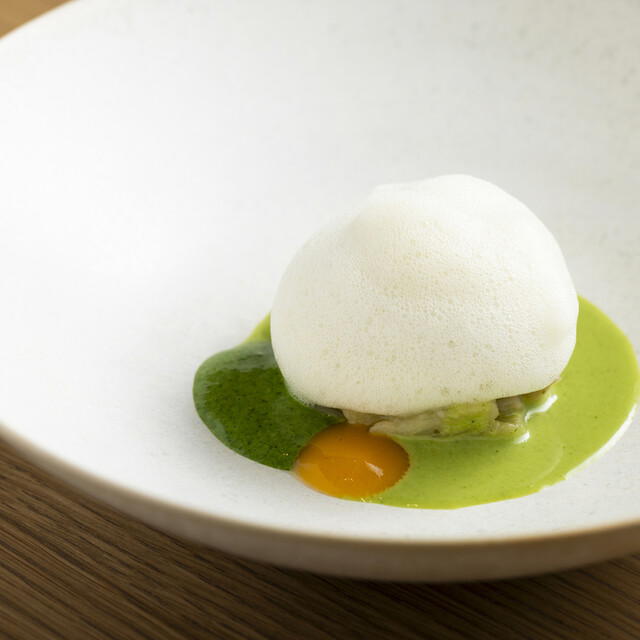
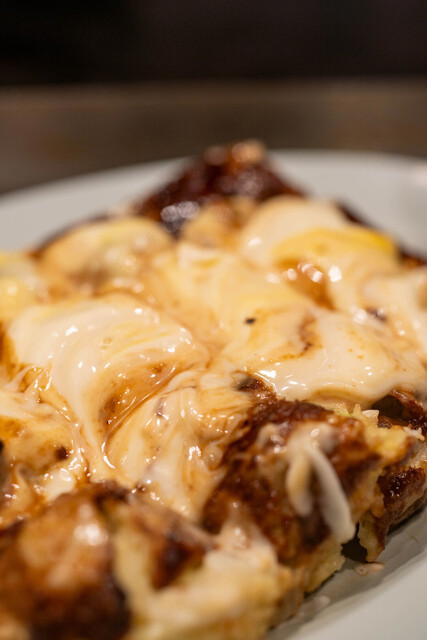
Restaurants in Toyama
Browse all →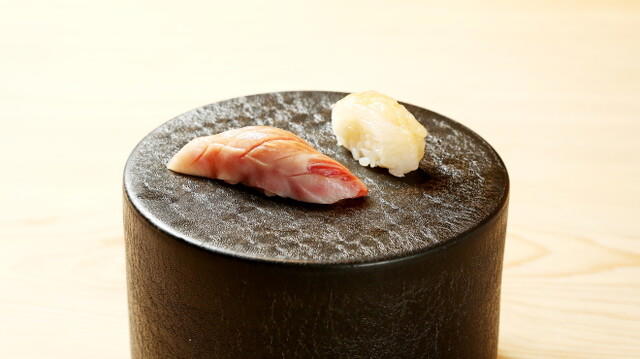
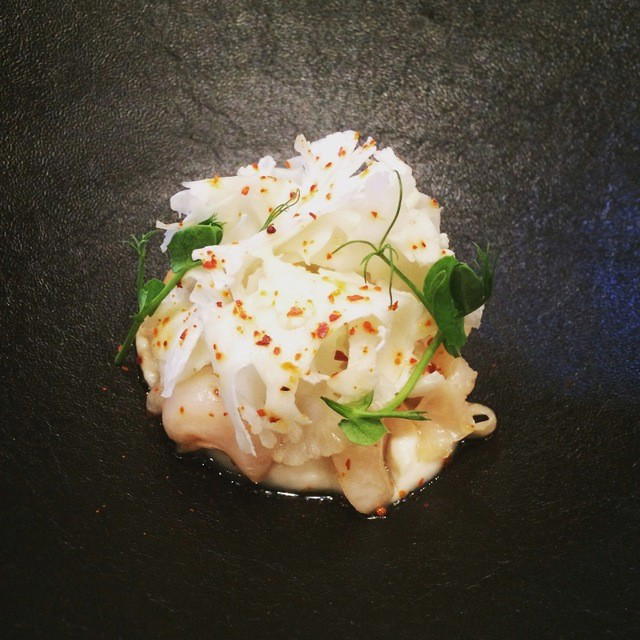
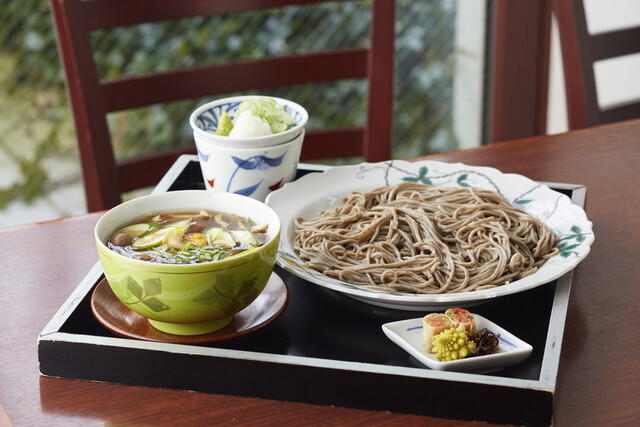
Hotels in Toyama
Browse all →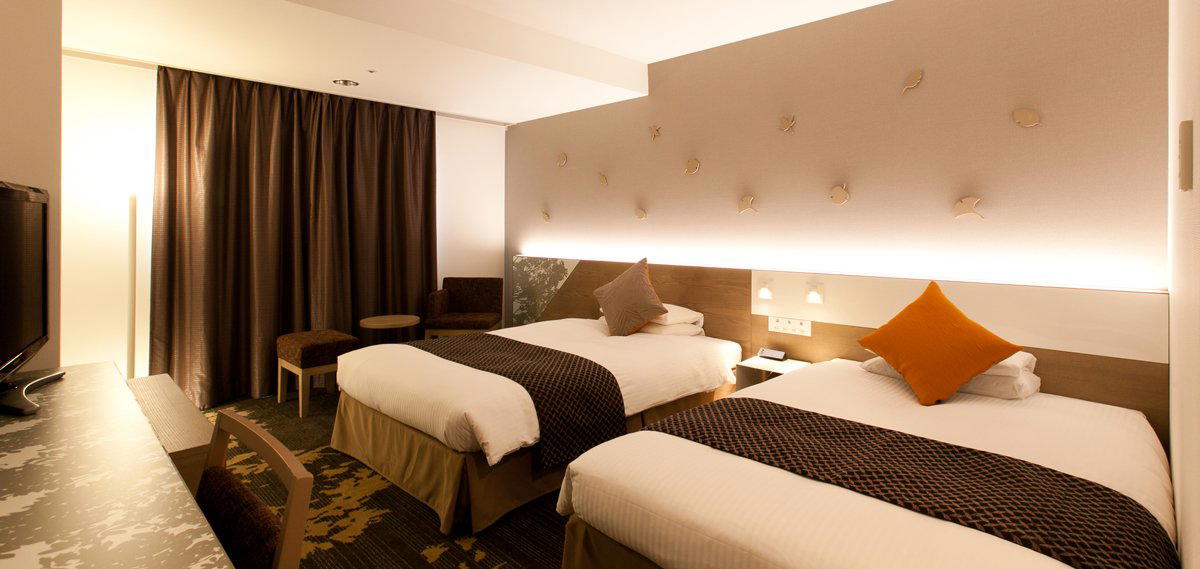
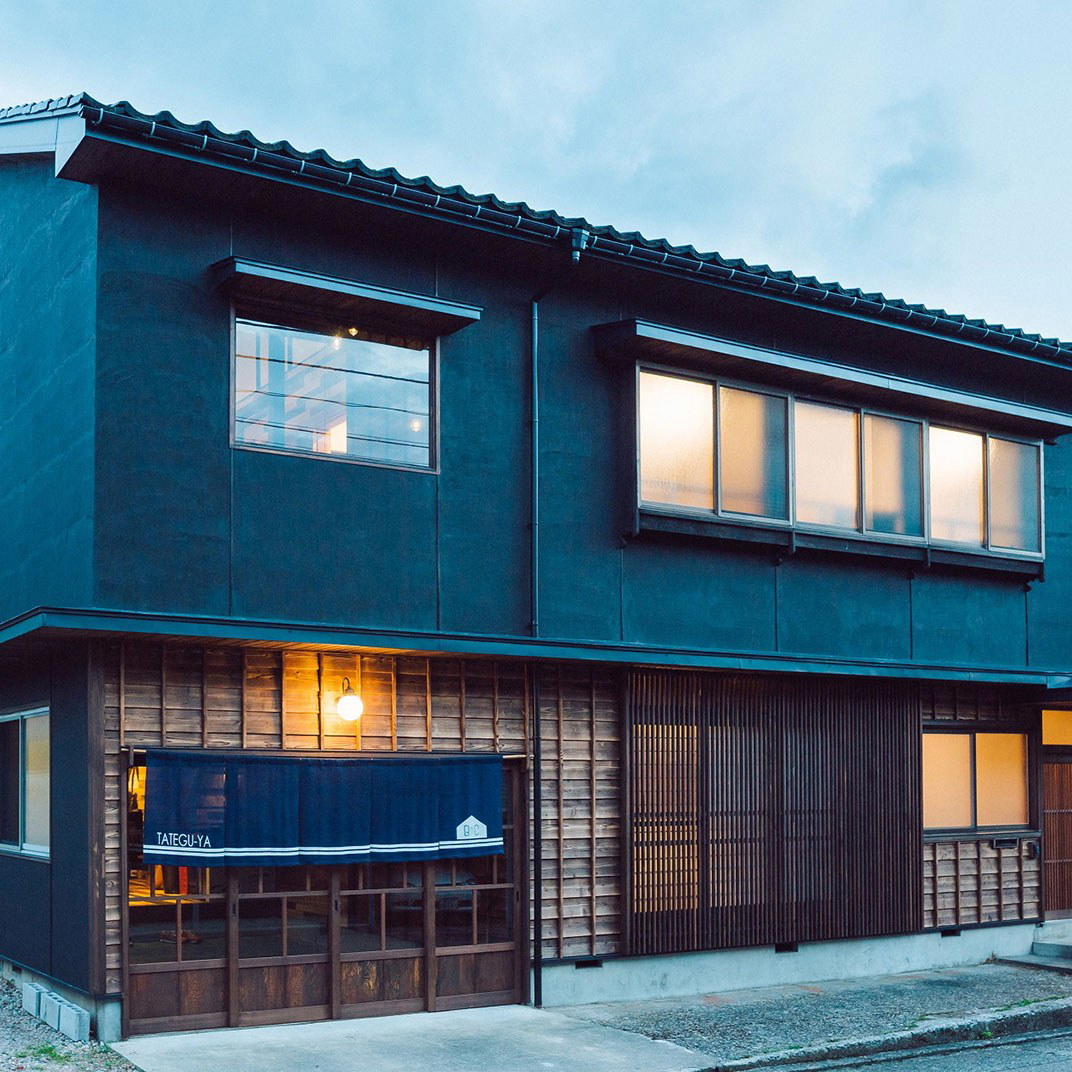
Wineries in Toyama
Browse all →
Details
- Elegant
- Sophisticated
- Intimate
- Scenic
- Cozy
- Special Occasion
- Date Night
- Celebration
- Chefs Counter
- Garden
- Private Dining
- Historic Building
- Sake Program
- Local Sourcing
- Garden
- Omakase
- Counter Dining
- Sake
Current opening hours
- Monday
- Closed
- Tuesday
- 12–3 PM, 6–10 PM
- Wednesday
- 12–3 PM, 6–10 PM
- Thursday
- 12–3 PM, 6–10 PM
- Friday
- 12–3 PM, 6–10 PM
- Saturday
- 12–3 PM, 6–10 PM
- Sunday
- 12–3 PM, 6–10 PM
Hours can change for holidays and private events. Last verified .
Serene and harmonious atmosphere in a traditional Japanese setting with tatami rooms, counter overlooking a beautiful Japanese garden, soft lighting, and historic charm.