
Kuchi Iwa is an eight-seat, reservation-only soba restaurant in Toyama’s Higashiiwase area, selected for Tabelog 100 Soba WEST 2025. Dinner sits in the JPY 10,000–14,999 range, with a sake-minded format and no private rooms, making it a focused choice for travelers treating soba as a serious regional meal rather than a quick noodle stop.
Pearl is the En Primeur Club membership app — saves, bookings, and concierge access live there. Same editors, same standards.
- Address
- 富山県富山市東岩瀬町135
- Website
- tabelog.com
 Saves & bookings on Pearl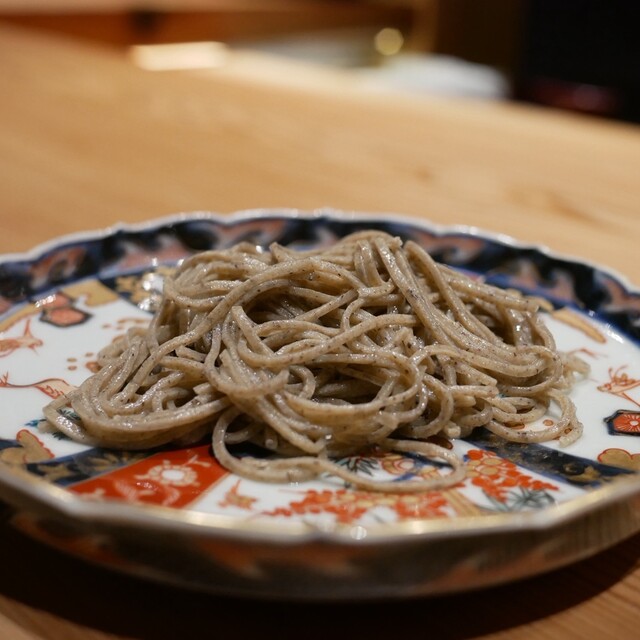
Higashiiwase has a different rhythm from central Toyama. The old port quarter faces the Japan Sea trade routes that shaped the city’s appetite for fish, sake and restrained craft, and its quieter streets make a natural setting for soba served with intent rather than speed. In that context, Kuchi Iwa belongs to a small, serious category: a house-style restaurant where buckwheat noodles are treated as a full evening format, not a lunch-counter convenience.
Soba occupies a particular place in Japanese dining because it can be both plain and exacting. The dish looks spare, yet the meal depends on grain quality, water, texture, dipping sauce balance and timing. Toyama adds another layer. This is a prefecture with strong sake culture, cold winters, mountain water and a coastal pantry, so the region’s more compelling tables often place technique in service of clarity rather than excess. Kuchi Iwa’s Tabelog 100 Soba WEST 2025 selection places it within that wider western Japan conversation, where soba houses are assessed against specialist peers rather than general Japanese restaurants.
Soba as an evening meal, not a quick stop
The useful way to read this address is through format. Many soba restaurants in Japan work as casual daytime rooms, built around speed, turnover and familiar combinations. Here, the signal is narrower: eight seats, evening service, reservation-only operation and a stated emphasis on nihonshu. That combination moves the meal closer to kappo logic, where pacing and drink pairing matter, while keeping buckwheat at the centre of the experience.
The price band also matters. At JPY 10,000–14,999, this is not competing with station-area noodle shops or simple zaru soba lunches. It sits below Toyama’s higher-priced destination dining rooms such as Cave Yunoki, which falls in the JPY 20,000–29,999 bracket, but above casual everyday dining. That middle tier can be the interesting one in regional Japan: less theatrical than luxury tasting menus, more disciplined than comfort-food stops, and often built around one craft tradition.
Toyama travelers tend to arrive with seafood in mind, which is understandable given the bay. The better reading is broader. The city’s dining culture rewards ingredients with clear seasonal identity, whether rice, fish, sake or buckwheat. Soba fits that logic because it is modest only on the surface. The pleasure lies in restraint: a kitchen has fewer places to hide, and the room’s small scale makes lapses easier to notice.
Where Kuchi Iwa fits in Toyama's dining map
Toyama’s stronger restaurant addresses are not concentrated in a single nightlife district. They spread between central dining rooms, port-side pockets and residential-feeling locations that require more planning than a casual stroll. That distribution changes the traveler’s decision. A meal here is not an add-on between bars; it is the anchor of an evening in Higashiiwase, a neighborhood whose appeal is partly its distance from the city-centre dining circuit.
For a fuller read on the city, compare this style with the broader local range in Our full Toyama restaurants guide. The contrast is useful: Boteyan and Boteyan Tanaka speak to Toyama’s more casual regional appetite, while Daimon and Daruma help frame the city’s range beyond soba. Kuchi Iwa’s lane is more specialist, closer to a craft-focused dinner than a broad introduction to local staples.
The comparison with other Toyama rooms is also practical. Piatto Suzuki Cinque operates at a lower dinner price band, while Cave Yunoki and GEJO sit higher. Kuchi Iwa lands in the space where the premium comes from intimacy, reservation discipline and a narrow culinary subject. That makes it a better fit for diners who want depth in one Japanese form rather than a long survey of the prefecture’s produce.
The planning logic: small room, serious soba, sake context
The strongest reason to prioritize this meal is not scale or spectacle. It is the chance to see soba treated with the same seriousness that travelers often reserve for sushi counters and kaiseki rooms. The Tabelog 100 Soba WEST 2025 recognition is the clearest external signal, and the eight-seat format reinforces the point: this is a low-capacity restaurant in a category where timing and focus carry real weight.
That same format narrows the audience. The room suits adults or older children who can sit through a quiet, reservation-led dinner, especially given the price level and intimate seating. It is less appropriate for travelers seeking a flexible family meal, a broad menu, or a spontaneous stop after sightseeing. There are no private rooms, and the experience is built around a compact dining environment.
Travelers building a Toyama itinerary should think of the meal alongside the city’s other categories rather than in isolation. Hotels shape the pacing of a port-side dinner, so Our full Toyama hotels guide is useful for choosing a base. Drinking plans belong in Our full Toyama bars guide, while regional producers and cultural outings sit in Our full Toyama wineries guide and Our full Toyama experiences guide. The broader Japan file also helps calibrate expectations, from -Grilled beef Sukiyaki- KAMAKURA TANUKIAN 鎌倉 たぬき庵 in Kamakura and. 鮪と炭火焼き うお炭 秋葉原店 in Tokyo to.cafe in Osaka,.know in Kumamoto, (Shoku) Vietnam in Kawasaki and [Curry Senmon Ten] Maruyama Kyoju. in Sapporo. For Japanese drinking culture abroad, Jōdo Saké Bar in Los Angeles and Onigiri Time in Pasadena offer useful counterpoints.
The editorial call is simple: Kuchi Iwa is for travelers who already understand that soba can justify a full evening. In Toyama, where regional dining is often read through seafood, this is a sharper, quieter proposition: buckwheat, sake and a small room in the old port quarter, backed by a 2025 specialist award rather than broad hype.
Pricing, Compared
Nearby venues at a similar price tier for orientation.
| Venue | Cuisine | Price | Awards | Notes |
|---|---|---|---|---|
| Kuchi IwaThis venue — the venue you are viewing | $$$ | , | ||
| Hagiwara | Ote Mall, Toyama Omakase | $$$ | , | |
| Tempura Koizumi Takano | $$$$ | , | Toyama Station area, Seasonal Kansai-style Tempura Omakase | |
| Sushi Namba | Kumonmyo, Traditional Sushi Omakase | $$$ | , | |
| Gin Gyo | Shintomicho, Izakaya Seafood | $$ | , | |
| Piatto Suzuki Cinque | $$$ | , | Higashi-Iwase, Seasonal Italian using Toyama seafood |
Continue exploring
More in Toyama
Restaurants in Toyama
Browse all →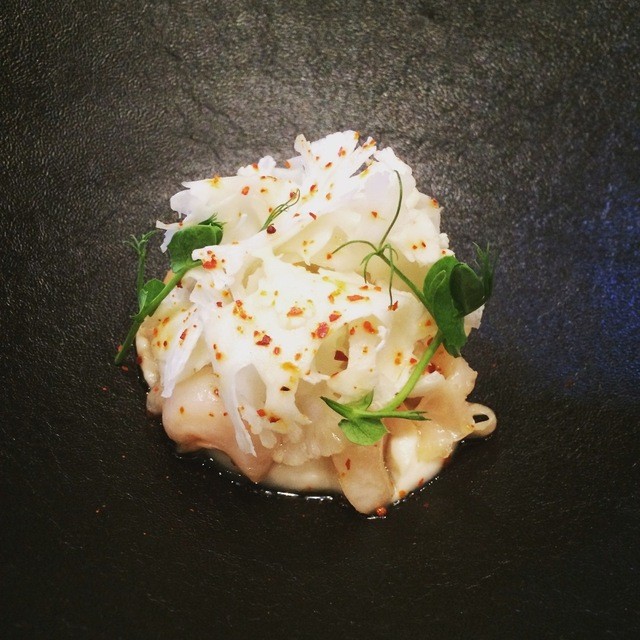
At a Glance
- Cozy
- Hidden Gem
- Intimate
- Modern
- Date Night
- Solo
- Special Occasion
- After Work
- Chefs Counter
- Standalone
- Design Destination
- Sake Program
- Local Sourcing
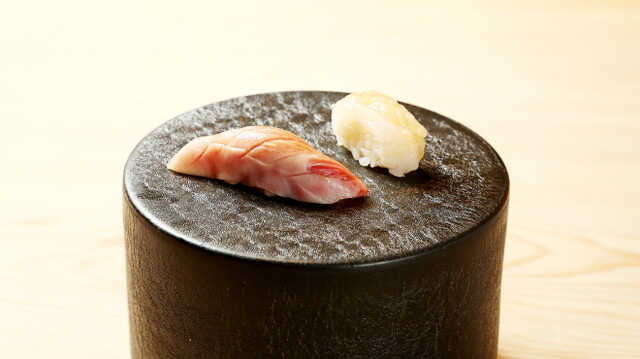
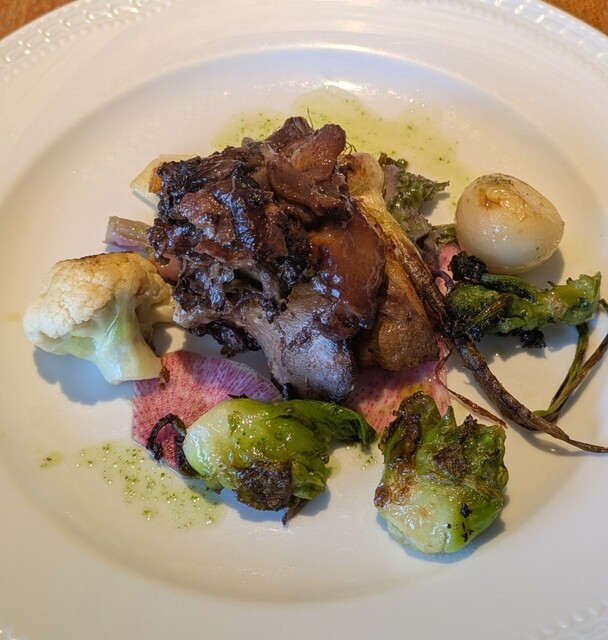
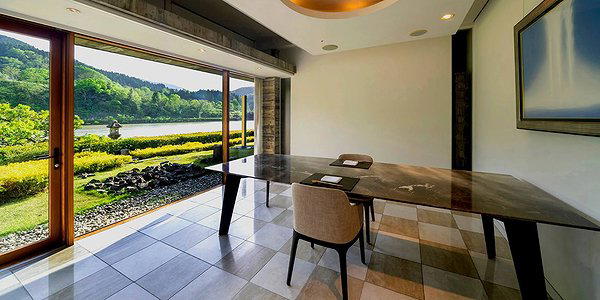
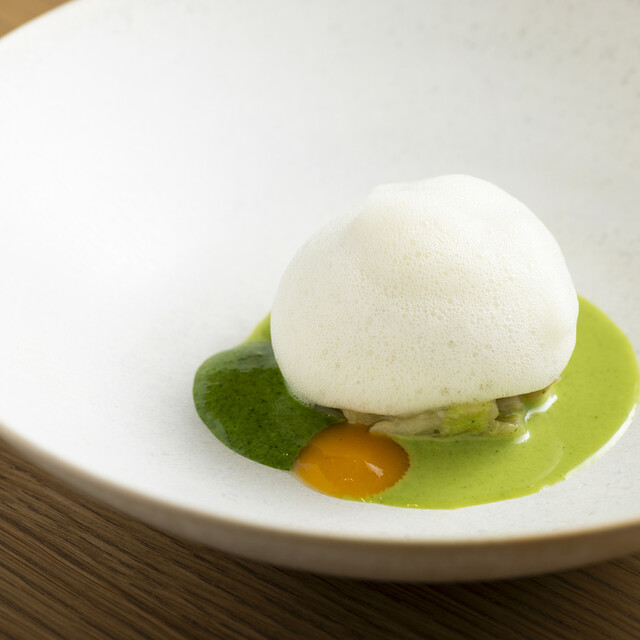
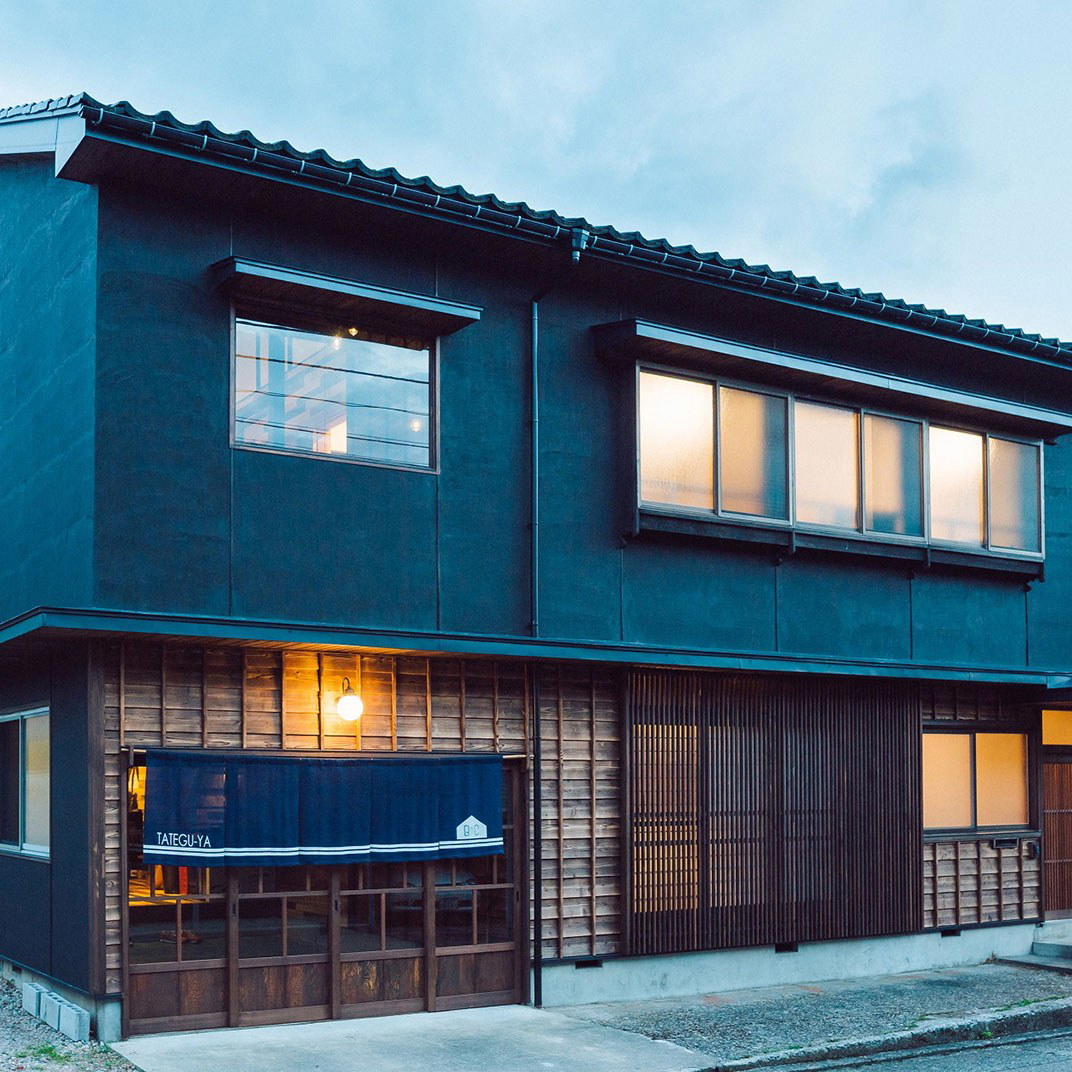
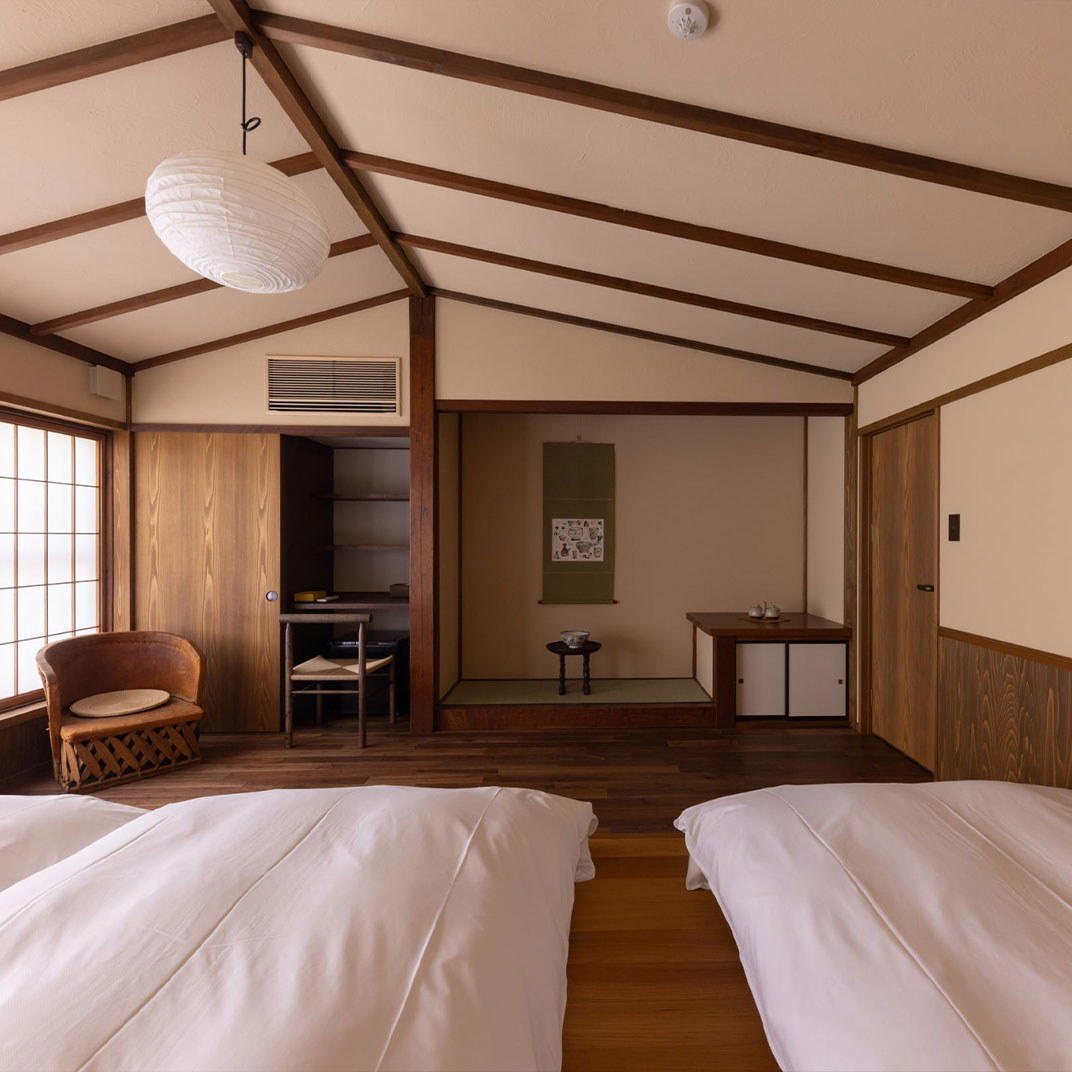
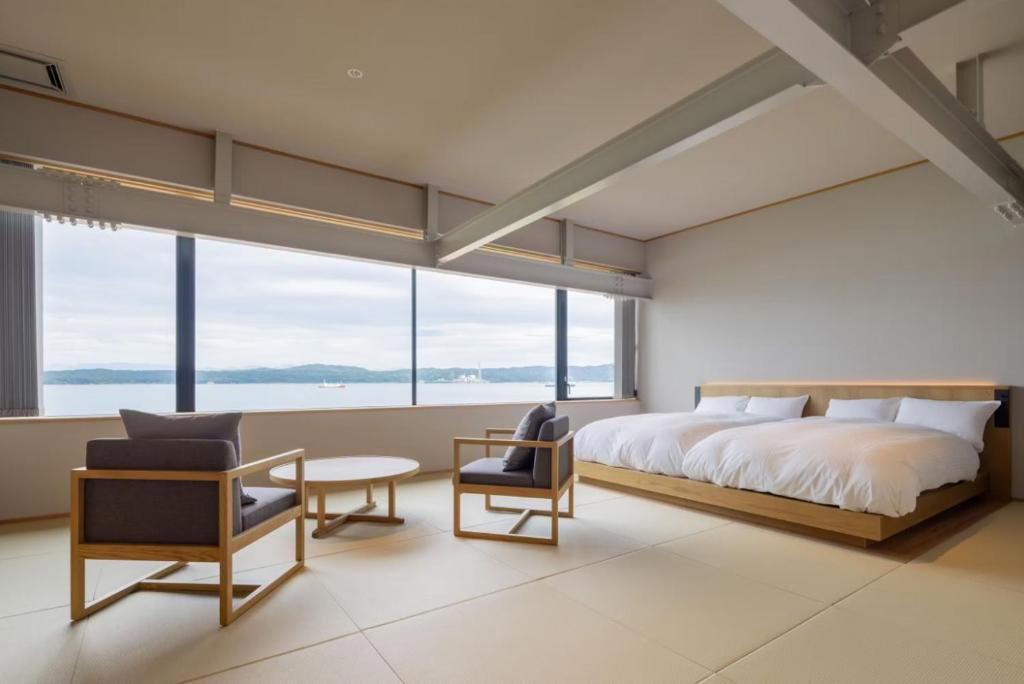
A small, stylish house-restaurant with only eight seats, non-smoking and reservation-only, creating a quiet, relaxed atmosphere that feels like a refined hideout for soba and sake lovers.