
Preferred Hotels Member
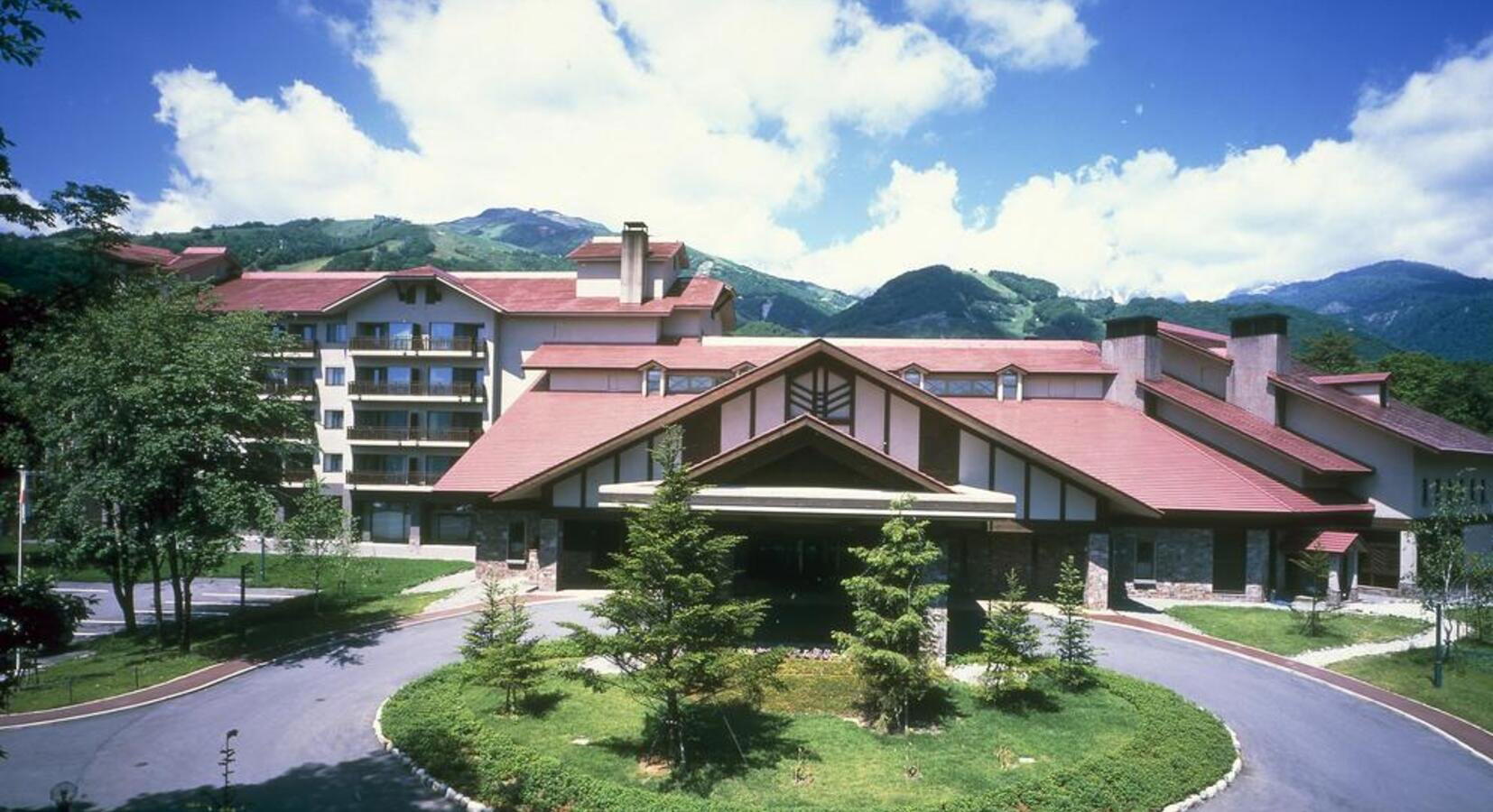
Hakuba Tokyu Hotel sits at the base of the Hakuba Valley ski area in Nagano Prefecture, offering 102 rooms across a format that balances mountain-resort practicality with the service standards associated with the Tokyu brand. It operates as a solid mid-tier base for skiers and hikers, positioned within reach of Hakuba's internationally recognised slopes and summer trail networks.

Pearl is the En Primeur Club membership app — saves, bookings, and concierge access live there. Same editors, same standards.
- Address
- 4688 Hokujō, Hakuba, Kitaazumi District, Nagano 399-9301
- Phone
- +81 261-72-3001
- Website
- tokyuhotels.co.jp
- Directions
- Get directions
Mountain Resort Hotels in the Hakuba Valley: Where the Tokyu Property Fits
Japan's ski-resort hotel sector divides along a clear axis. On one side sit the intimate ryokan properties and boutique design-led builds that have proliferated across Nagano and Hokkaido in the past decade. On the other, branded mid-tier and upper-mid-tier hotels deliver the kind of operational consistency that repeat visitors to active mountain destinations often prioritise over atmosphere alone. Hakuba Tokyu Hotel belongs to the second category, and understanding what that means in practice is the most useful frame for deciding whether it belongs in your itinerary.
The Hakuba Valley sits roughly 80 kilometres north of Nagano city, reachable by bus from Nagano Station or by car along routes that, in peak winter season, require tyre chains or four-wheel drive. The valley hosts eleven interconnected ski resorts and gained significant international recognition after serving as a venue for the 1998 Nagano Winter Olympics. That credential still shapes the area's reputation among overseas visitors: Hakuba is not a regional domestic ski hill but a destination that draws serious skiers from Australia, North America, and across East Asia, drawn by annual snowfall totals that regularly exceed fifteen metres at upper elevations.
The 102-Room Format and What It Signals
With 102 rooms, Hakuba Tokyu Hotel sits in a scale bracket that distinguishes it from the intimate ryokan tier, where properties like Zaborin in Kutchan or Gora Kadan in Hakone operate with room counts deliberately kept low to preserve the quality of personal service. At 102 keys, the Tokyu property is built for throughput during the compressed windows of peak ski season and the summer hiking calendar. That is not a criticism: the operational logic of a mountain resort with a defined seasonal demand curve is different from that of an onsen retreat or a city luxury hotel, and the room count reflects it.
The Tokyu Hotel Group has operated properties across Japan for decades, bringing a domestic-brand reliability that appeals to Japanese travellers familiar with the chain's service conventions, as well as to international guests who value predictability when coordinating around ski passes, equipment rentals, and early morning lift queues. For context on what a higher-investment Nagano hotel stay looks like, Kyukaruizawa Kikyo, Curio Collection by Hilton represents the design-led Nagano alternative in a different micro-destination within the prefecture.
The Dining Programme: Mountain-Resort Food in Context
Mountain-resort dining in Japan operates under a set of expectations shaped by the guest profile rather than by the ambitions of any individual kitchen. Guests arriving from the slopes after six or seven hours of skiing are not primarily seeking a chef's tasting menu; they want caloric density, warmth, and speed. The breakfast service at a 102-room ski hotel with a high proportion of active guests is logistically as important as the dinner offering, sometimes more so, given that early lifts open before eight in the morning and guests need fuel before departure.
The Hokujō address places the hotel in the Hakuba village zone, where the après-ski dining ecosystem runs from casual ramen counters and izakayas up to the small number of international restaurants that have opened to serve the area's growing Australian and European visitor base.
For guests seeking a higher-ambition dining experience during a Nagano or wider Japan itinerary, the gap between mountain-resort hotel dining and the country's upper tier is significant. Properties like Amanemu in Mie or HOTEL THE MITSUI KYOTO in Kyoto operate dining programmes at a different register entirely, and a Japan itinerary that moves between Hakuba for skiing and Kyoto or Tokyo for urban dining is a workable way to cover both registers without compromise. See our full Nagano restaurants guide for further context on what the broader prefecture offers beyond the Hakuba Valley.
Seasonal Logic and Planning Priorities
The Hakuba Valley operates on two primary seasons. Winter runs from late November through March, with the peak compression falling in January and February when snowpack is deepest and visibility at upper elevations is most reliable. Lift passes for the linked Hakuba 47 and Goryu areas, as well as the broader Hakuba Valley ticket that spans multiple resorts, sell out and surge in price during school holiday windows, making advance planning during the December-January overlap particularly important for international visitors who require flights and accommodation in sequence.
Summer in Hakuba has grown as a distinct travel reason over the past decade, with the valley's hiking trails, cycling routes, and alpine scenery drawing visitors who might previously have passed the area entirely in favour of Nikko, Fuji Five Lakes, or the Japan Alps further south. The shoulder seasons of May and October offer the village with minimal crowds, though some hotel facilities and local restaurants operate on reduced schedules outside peak windows.
Booking for peak winter weeks typically requires lead times of two to three months for international visitors coordinating around flight schedules and ski pass availability, though exact booking policy for the Tokyu property should be confirmed through current channels. For reference, peak demand at comparable mountain properties in the Japan Alps and Hokkaido often runs on allocations that open earlier than the equivalent urban luxury hotel.
Placing the Tokyu Hotel in the Wider Japan Mountain Accommodation Spectrum
The Japan mountain accommodation spectrum now covers a wider range than at any point in the past twenty years. At the design-intensive end, properties like Fufu Kawaguchiko or Fufu Nikko bring a kaiseki-led dining programme and boutique room count to mountain and heritage settings. Farther along the spectrum, branded resort properties like the Tokyu provide a different value: scale, operational reliability, and proximity to lift infrastructure. Neither end is wrong; they serve different trip architectures.
Travellers whose Japan itinerary prioritises ski days above all other considerations, and who want to minimise the logistical complexity of transfers between accommodation and mountain access, will find the Tokyu format practical. Those whose hierarchy places accommodation experience and dining programme ahead of slope access time should consider whether a ryokan in the valley or a short transfer to a design-led property in a neighbouring Nagano sub-region better serves their priorities. For a broader view of what Japan's premium accommodation circuit looks like, properties including Benesse House in Naoshima, Asaba in Izu, and Araya Totoan in Kaga illustrate how design, art, and culinary programming intersect at the higher-investment end of Japanese hospitality.
Planning Your Stay
The hotel is located at 4688 Hokujō, Hakuba, Kitaazumi District, Nagano 399-9301, within the central Hakuba village zone and within operational distance of multiple ski resort entry points. Guests travelling from Tokyo should plan for the Nagano Shinkansen to Nagano Station, then an onward bus or private transfer to Hakuba, a total journey of roughly two and a half to three hours depending on connection timing.
Cost Snapshot
| Venue | Awards |
|---|---|
| Hakuba Tokyu HotelThis venue — the venue you are viewing | Preferred Hotels Member |
| Bvlgari Hotel Tokyo | 3 Michelin Keys · World's 50 Best #24 |
| Aman Kyoto | 2 Michelin Keys · World's 50 Best #74 |
| Aman Tokyo | 2 Michelin Keys · World's 50 Best #11 |
| Amanemu | 3 Michelin Keys · La Liste Top Hotels |
| Four Seasons Hotel Tokyo at Otemachi | 3 Michelin Keys · La Liste Top Hotels |
Recognition history
Dated appearances from independent guides and award organizations, with the underlying list record or original source where available.
Preferred Hotels Member
Preferred Hotels
Continue exploring
More in Nagano
Hotels in Nagano
Browse all →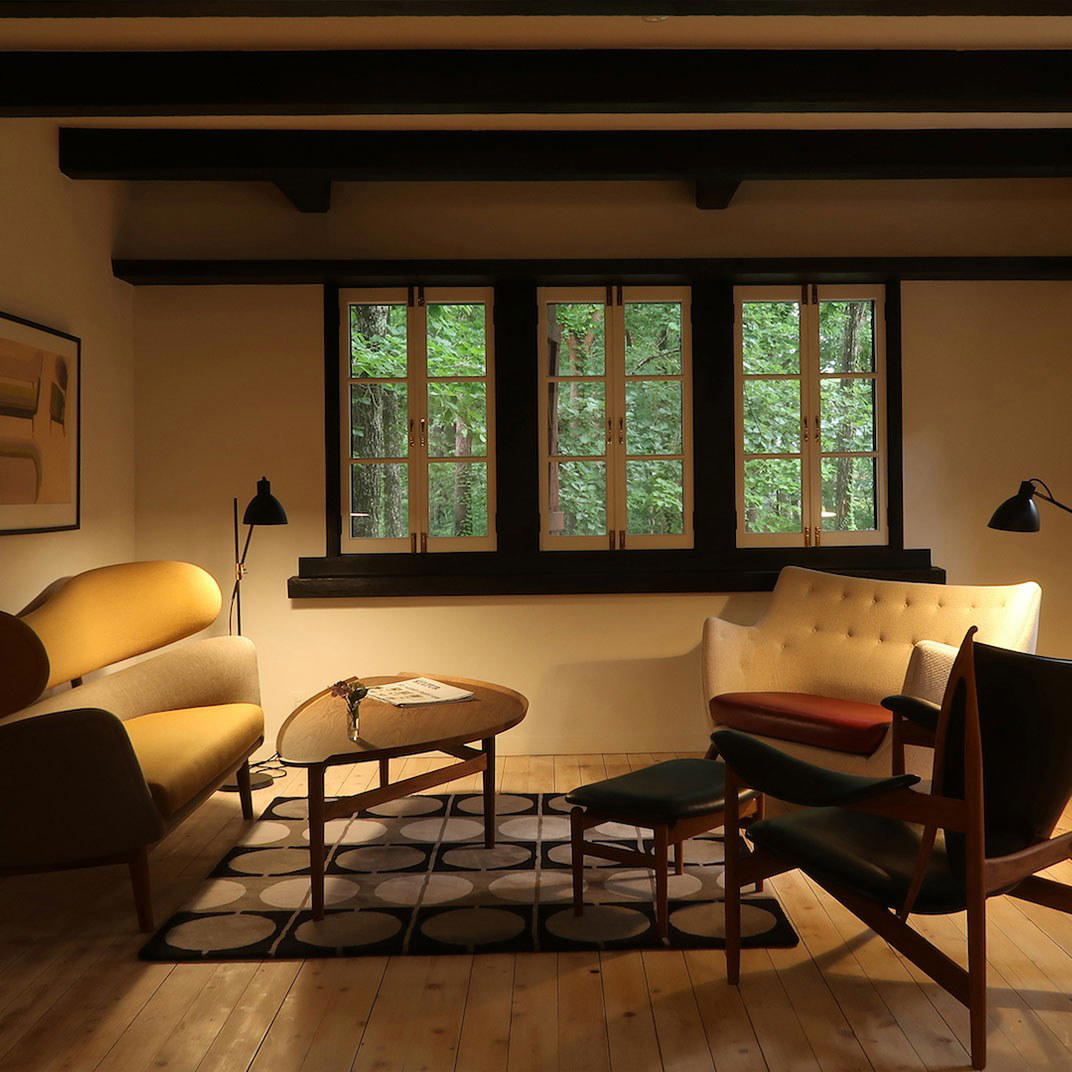

Restaurants in Nagano
Browse all →
Wineries in Nagano
Browse all →
Details
- Scenic
- Elegant
- Classic
- Cozy
- Sophisticated
- Family Vacation
- Weekend Escape
- Wellness Retreat
- Group Retreat
- Panoramic View
- Destination Spa
- Wi Fi
- Spa
- Restaurant
- Bar
- Concierge
- Business Center
- Bicycle Rental
- Room Service
- Mountain
- Elevator
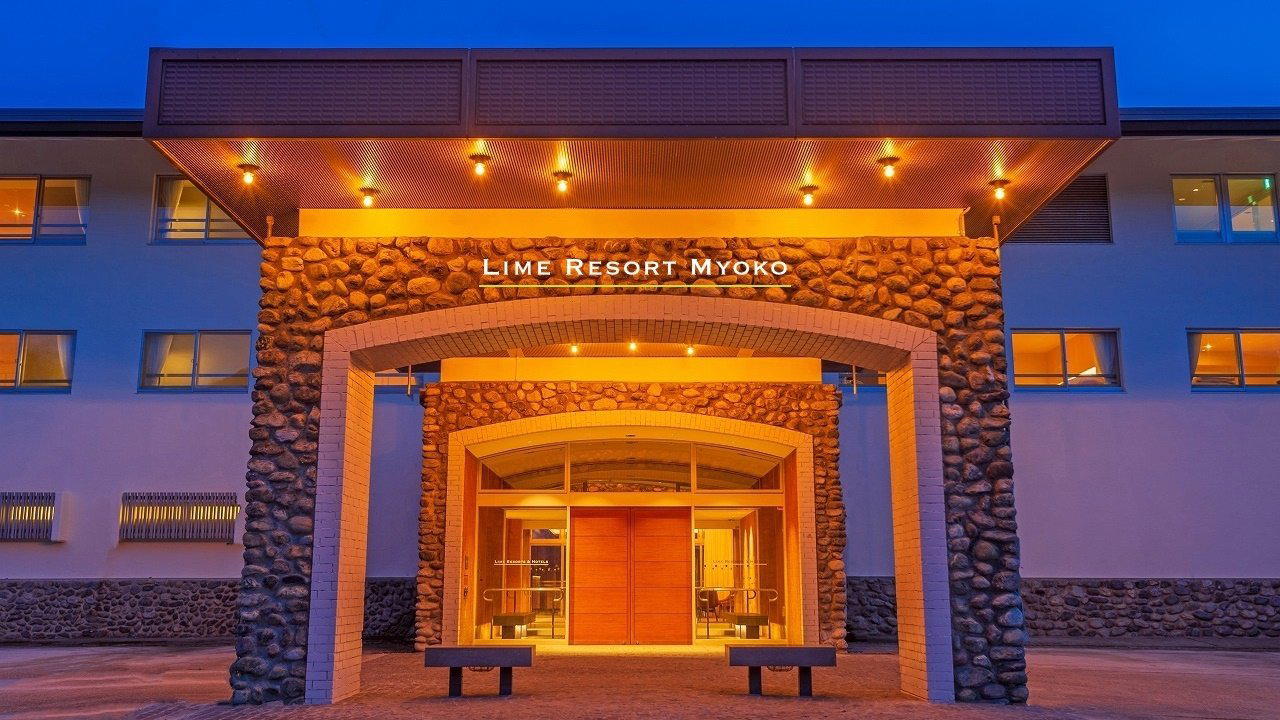
Elegant mountain-resort atmosphere with a European-style exterior, wood-and-stone interiors, and nature-forward rooms designed to frame the surrounding Hakuba landscape.