
Our verdict
鮨大門 focuses on traditional kaiseki at dinner, with seasonal sashimi, grilled Toyama Bay fish, and seasonal vegetable preparations served alongside a sake program.

Pearl is the En Primeur Club membership app — saves, bookings, and concierge access live there. Same editors, same standards.
- Address
- 1 Chome-2-3 Shakado, Uozu, Toyama 937-0067, Japan
- Phone
- +815054944072
- Hours
- Mon ClosedTue–Sun 5–10 PM
- Website
- pocket-concierge.jp
- Directions
- Get directions
The menu
What to order
- Seasonal sashimi
- Grilled Toyama Bay fish
- Seasonal vegetable preparations
Uozu's Coastal Edge and the Tradition of Sourcing at Its Source
Toyama Prefecture occupies a particular position in Japanese food culture that outsiders rarely appreciate until they arrive. The prefecture faces the Sea of Japan across Toyama Bay, one of the deepest bays in the country, where cold, nutrient-dense water produces seafood that chefs in Tokyo and Osaka quietly covet. Uozu sits at the eastern edge of this bay, a small fishing city whose name itself translates roughly to "fish harbor" — an etymology that functions less as branding and more as a direct description of local economic and culinary identity. It is in this context that our full Uozu restaurants guide becomes relevant: dining in this city is inseparable from the question of where the fish came from this morning.
Ebi Daido occupies an address in the Shakado district, a part of Uozu where the commercial grid gives way to the quieter rhythms of a working coastal town. The physical approach — low buildings, the faint maritime air that characterizes port-adjacent neighborhoods throughout Toyama, sets expectations that the kitchen either meets or exceeds through the specificity of what arrives on the plate. In a city where the supply chain between sea and table is measured in kilometers rather than prefectural distances, the margin for error in execution narrows significantly. The ingredient does the talking; the kitchen's job is not to overwhelm it.
Toyama Bay as Ingredient Architecture
The sourcing logic that governs serious dining in Uozu differs from what operates in larger urban centers. In Tokyo, a kaiseki kitchen might source Toyama's white shrimp, shiro ebi, the prefecture's most recognized crustacean, through a wholesaler network that adds days and intermediaries to the chain. In Uozu, a restaurant drawing on local supply can work with product that left the water that day. This compression of the supply chain is not a marketing claim; it is a structural feature of small coastal cities where the fishing port and the restaurant district are separated by a short drive at most.
Japan's northwest coast produces a range of species that receive less international attention than the Tsukiji-adjacent bluefin narrative, but that matter greatly to the cuisine of the region: firefly squid (hotaru ika), which surface in Toyama Bay in concentrations unusual for Japanese coastal waters; buri (yellowtail) that migrate south through the Japan Sea in winter and arrive in the bay in prime condition; and the aforementioned shiro ebi, which is commercially harvested almost exclusively in Toyama. For a Uozu kitchen positioned to draw on these ingredients, the editorial question is not whether the sourcing is local but how the format addresses it. Comparable sourcing logic operates at very different price points and registers across Japan, from the ¥¥¥¥ precision of Harutaka in Tokyo to the regional ingredient frameworks deployed at Gion Sasaki in Kyoto or the produce-driven approach at akordu in Nara.
The Uozu Dining Scene in Comparative Terms
Uozu does not carry the same critical infrastructure as Kyoto or Fukuoka. There is no dense cluster of reviewed restaurants, no well-publicized omakase counter that draws reservation requests from abroad. What the city has instead is a relatively unmediated connection between its fishing economy and its food service, a structure that rewards visitors who are willing to prioritize ingredient provenance over formal dining theater. The trade-off is real: without the award verification and price-point data that anchor venues like HAJIME in Osaka or Goh in Fukuoka in a legible critical hierarchy, the visitor to a Uozu restaurant is making a different kind of bet.
Other restaurants in the city, including 太助鮨 and ボケリア, represent the breadth of what Uozu's dining offers across different registers. A city this size rarely sustains a single dominant format; the more informative comparison is between the city's collective approach to local seafood and what comparable coastal cities produce. The regional dining tradition across Toyama's Sea of Japan-facing communities tends to prioritize the ingredient condition over technique elaboration, a contrast to the transformative French-influenced registers at venues like Le Bernardin in New York City, where sourcing matters but is one input into a larger technical conversation.
Smaller Japanese cities with strong regional seafood identities have generated serious culinary recognition before, affetto akita in Akita and Aji Arai in Oita demonstrate that Michelin and major guide attention can reach well outside Japan's three major metro corridors.
Planning a Meal in Uozu
Uozu is accessible from Toyama City by the Ainokaze Toyama Railway line in roughly 40 to 50 minutes, or by expressway in a similar window. The Hokuriku Shinkansen, which extended its service to Tsuruga in 2024, positions Toyama as a more practical base for visitors traveling from Tokyo or Osaka, a structural change that is already increasing general tourist traffic to the prefecture. Visitors planning a Uozu meal should account for the limited advance planning infrastructure typical of smaller Japanese coastal restaurants: phone reservation protocols are standard in this category, hours vary seasonally with fishing patterns, and English-language booking support is rarely available without a Japanese-speaking intermediary. The Shakado address places the restaurant within central Uozu, walkable from the main station. Seasonal timing matters in Toyama: spring brings the firefly squid season (March through May) that draws food-focused visitors specifically to the prefecture, while winter yellowtail represents a separate peak for buri-focused menus.
Visitors who find the format or availability at Ebi Daido uncertain can cross-reference with Ajidocoro in Yubari District or Akakichi in Imabari for comparable regional coastal dining contexts elsewhere in Japan. The broader EP Club network, including aki nagao in Sapporo, Amaki in Aichi, Amegen in Saga, and Abon in Ashiya, provides additional reference points for the range of regional Japanese dining that operates outside the major metropolitan critical spotlight. For a different end of the spectrum, format-driven, highly reviewed, destination dining, Lazy Bear in San Francisco represents what a high-investment sourcing narrative looks like when formalized into a full tasting structure.
Frequently asked questions
Is 鱗大海 suitable for children?
鱗大海 is located at 1 Chome-2-3 Shakado in Uozu, a small coastal city where dining culture skews toward traditional formats centred on fresh seafood. Whether the setting and menu structure suit younger diners is best confirmed directly with the restaurant, as no formal family policy is documented.
What's the address for 鮨大é?
鮨大é is located at 1 Chome-2-3 Shakado, Uozu, Toyama 937-0067, Japan, Uozu.
What kind of setting is 鱗大海?
鱗大海 sits in Uozu, a port city in Toyama Prefecture whose dining identity is shaped by direct access to Toyama Bay catch. The address on Shakado places it within the town's established commercial and hospitality corridor, suggesting a neighbourhood restaurant format rather than a resort or destination complex.
What dish is 鱗大海 famous for?
Uozu's culinary reputation is built substantially on Toyama Bay seafood, including shiroebi (white shrimp), hotaruika (firefly squid), and buri (yellowtail), all of which are seasonal mainstays in the prefecture's serious kitchens. No specific signature dish for 鱗大海 is documented, but a restaurant operating under this name in this city would almost certainly anchor its menu to the bay's seasonal harvest.
Fast Comparison
Comparable venues nearby, for context on price, style, and recognition.
| Venue | Cuisine | Price | Awards | Notes |
|---|---|---|---|---|
| 鮨大門This venue — the venue you are viewing | Traditional Kaiseki | $50–100 | Not listed | Not listed |
| 太助鮨 | Japanese Kaiseki | Not listed | Not listed | Uozu |
| ボケリア | Mediterranean Fusion with Toyama Seafood | Not listed | Not listed | Uozu Station area |
| Hajime Ya | Iekei tonkotsu‑shoyu ramen shop | $1–10 | Tabelog 100 #80 | / Uozu |
| Nana Kamado | Authentic Japanese Cuisine | $30–50 | Not listed | Takamibaba |
| Iruka Tokyo Roppongi | Modern Ramen | $20–30 | Michelin Bib Gourmand · Tabelog 100 #94 | Roppongi |
Recognition history
Dated appearances from independent guides and award organizations, with the underlying list record or original source where available.
Opinionated About Dining Top Restaurants in Japan Recommended
Opinionated About Dining
Continue exploring
More in Uozu
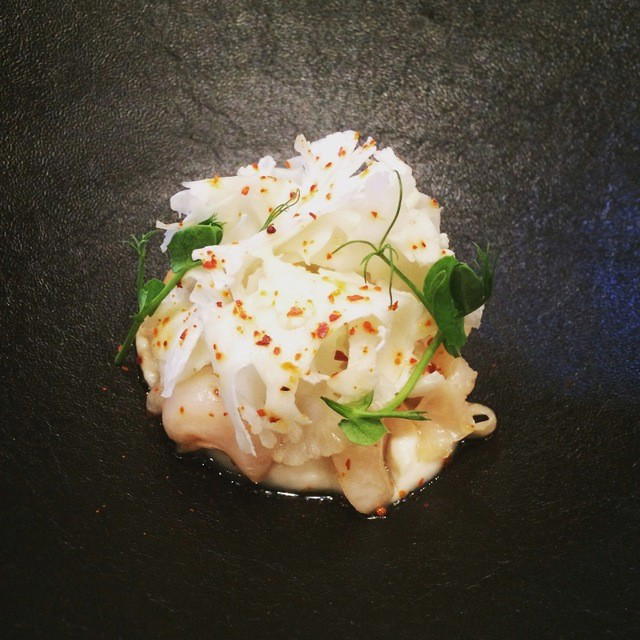
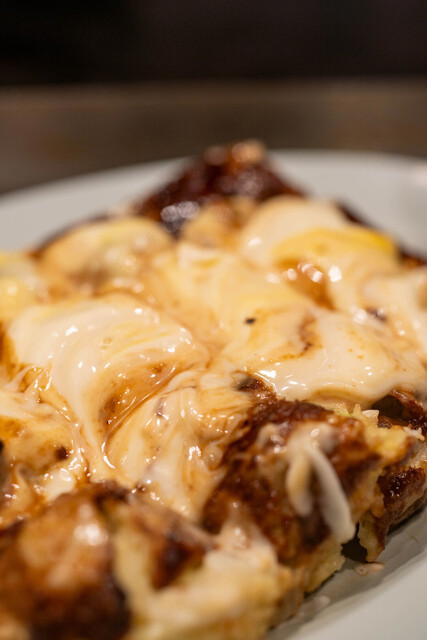
Restaurants in Uozu
Browse all →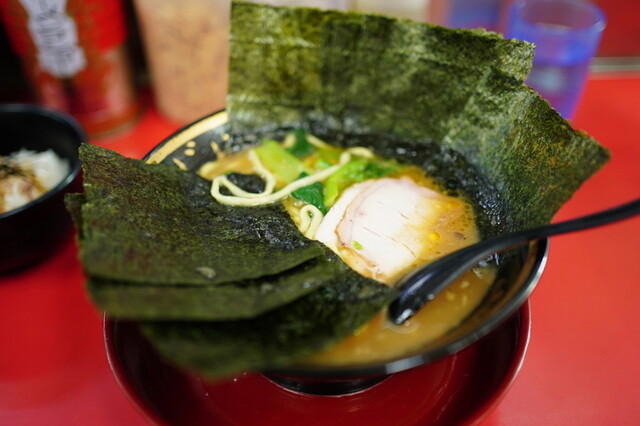
Hotels in Uozu
Browse all →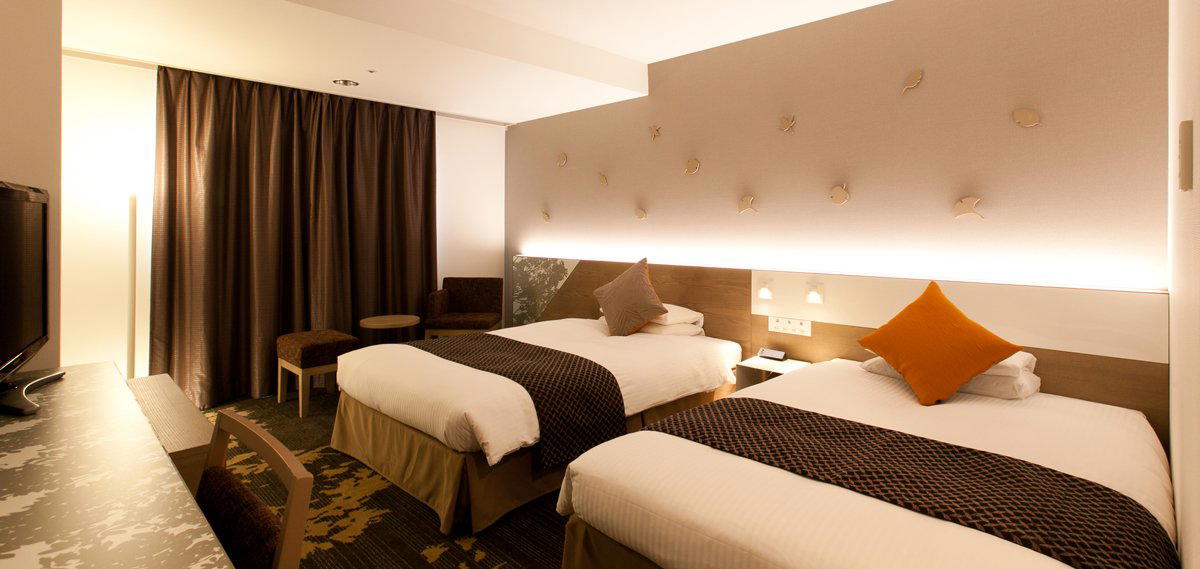
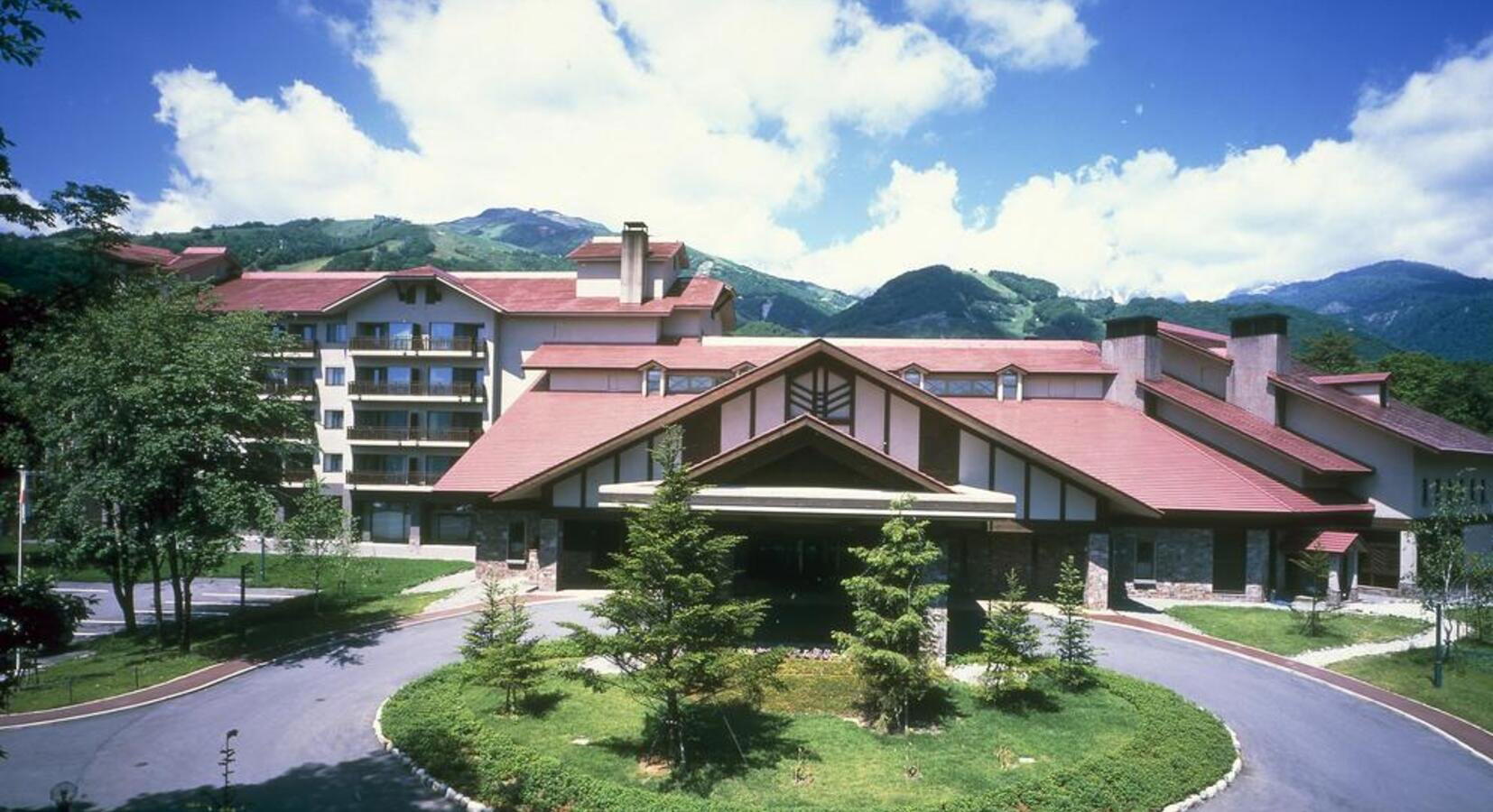

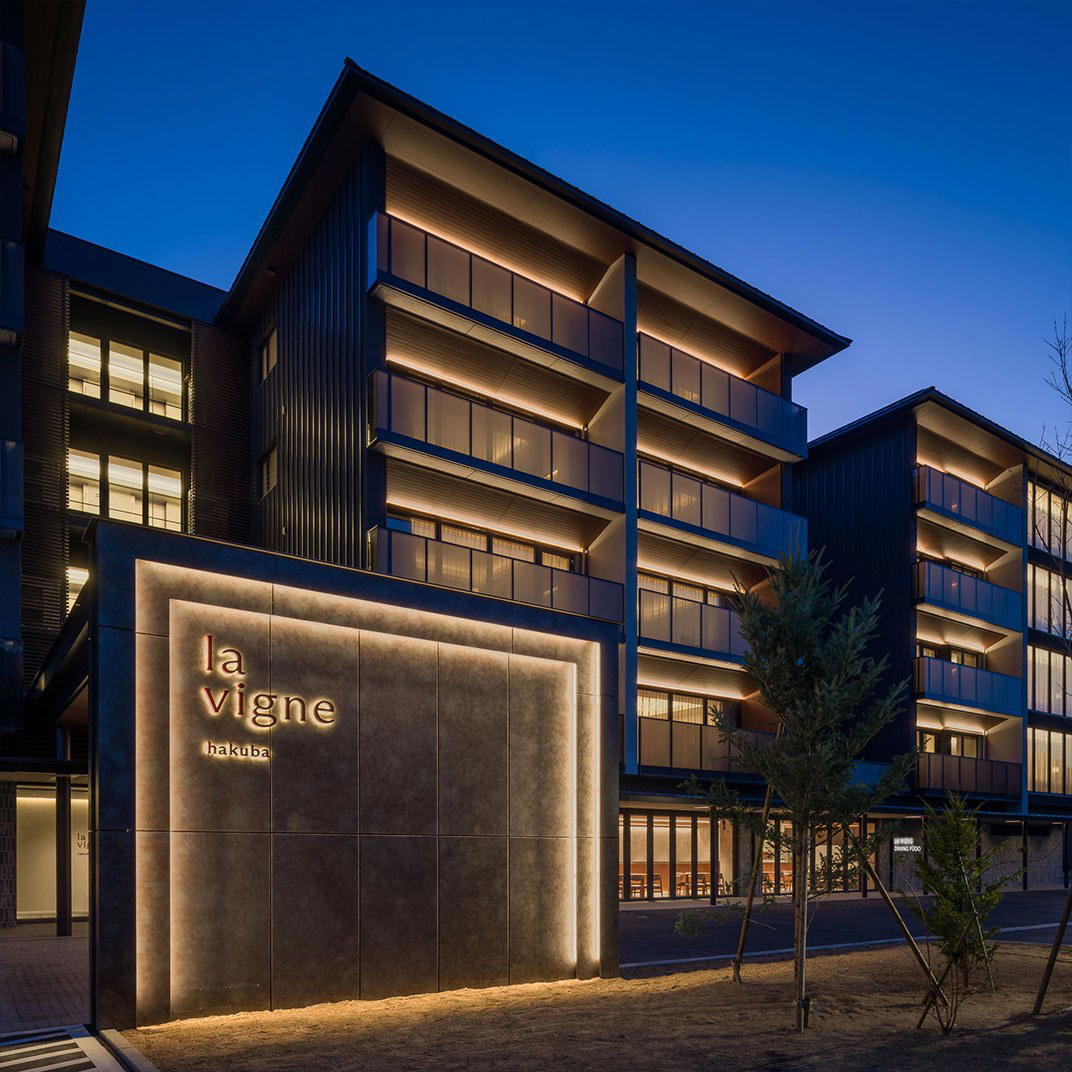

Wineries in Uozu
Browse all →
Details
- Elegant
- Intimate
- Classic
- Special Occasion
- Date Night
- Business Dinner
- Open Kitchen
- Sake Program
- Local Sourcing
- Sustainable Seafood
- Omakase
- Set Menu
- Sake
- Tea
Current opening hours
- Monday
- Closed
- Tuesday
- 5–10 PM
- Wednesday
- 5–10 PM
- Thursday
- 5–10 PM
- Friday
- 5–10 PM
- Saturday
- 5–10 PM
- Sunday
- 5–10 PM
Hours can change for holidays and private events. Last verified .
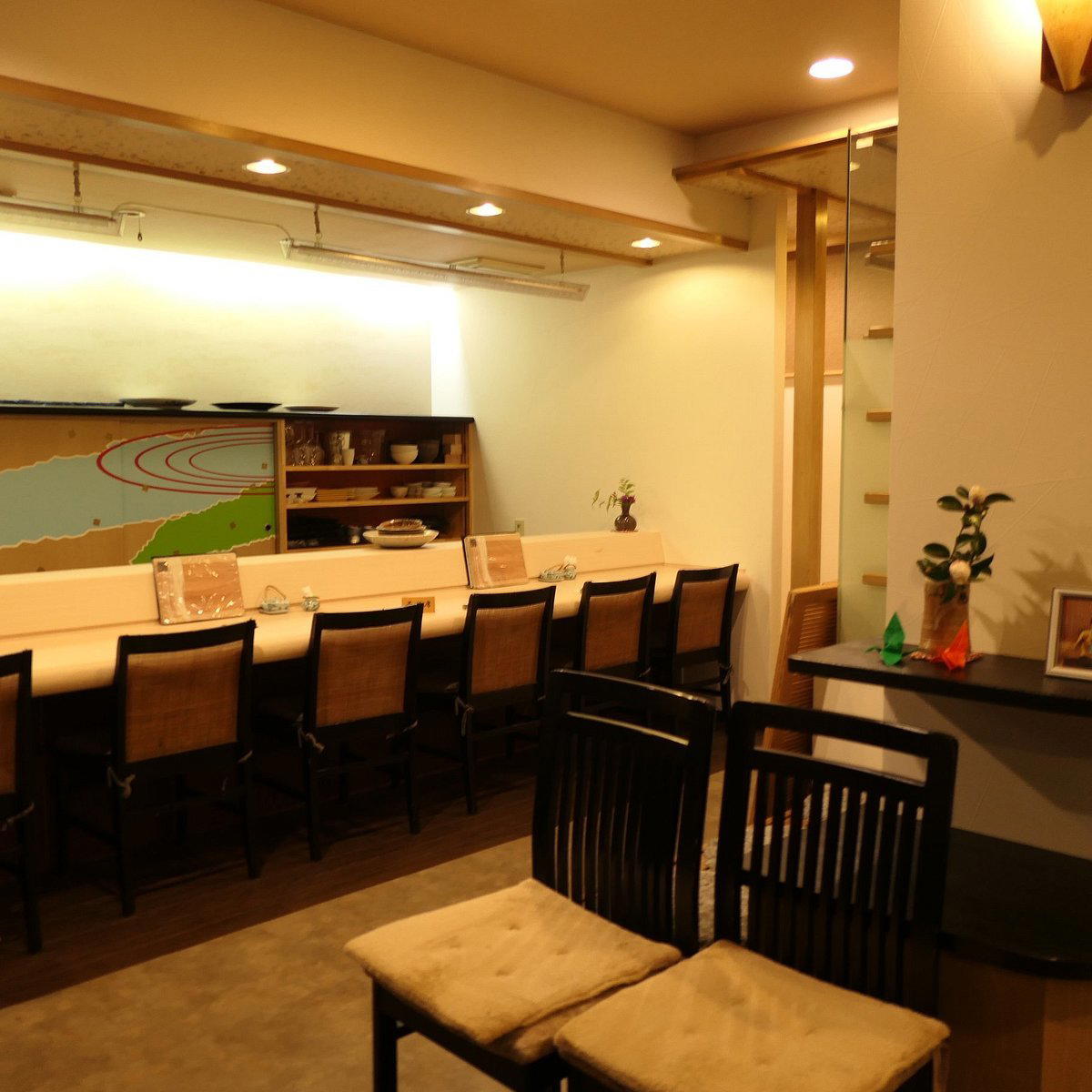
Refined and serene with warm lighting, traditional Japanese aesthetic, and meticulous attention to detail in every element.