In Sapporo's Shiroishi ward, 麺屋 菜々兵衛 occupies the quieter residential tier of Hokkaido's ramen scene, sitting apart from the tourist-facing corridors of Susukino and the Sapporo Ramen Republic. The address in Kawashimo places it squarely in neighbourhood-first dining territory, where locals return by habit rather than algorithm, and where the bowl itself does the talking.
Pearl is the En Primeur Club membership app — saves, bookings, and concierge access live there. Same editors, same standards.
- Address
- 白石区川下3条4-3-21, 札幌市, 北海道, 003-0863
 Saves & bookings on Pearl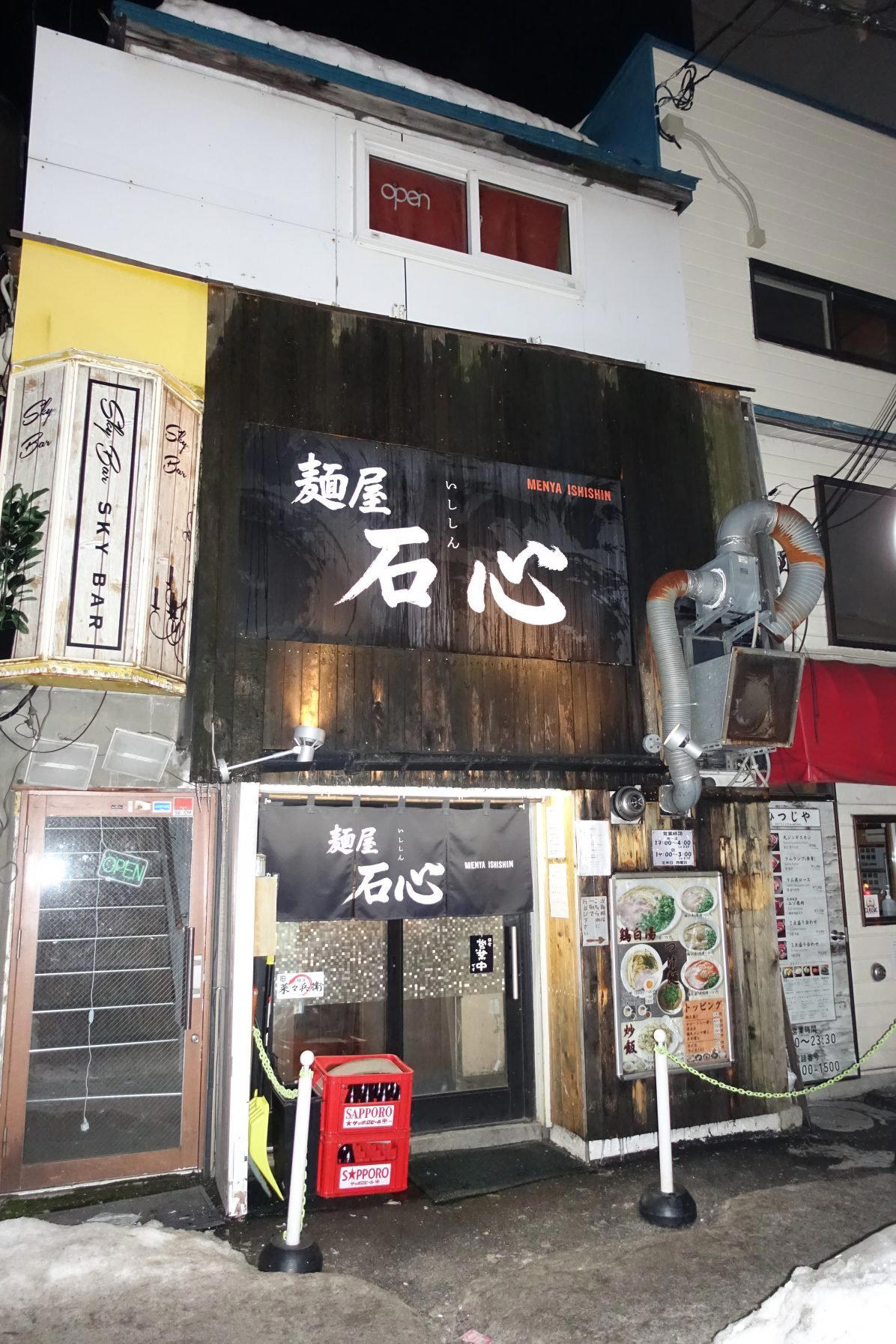
Shiroishi and the Ramen Districts That Don't Advertise
Sapporo's reputation as Japan's ramen capital is well-documented, but the city's most instructive dining is rarely found in the places that market themselves as such. The Sapporo Ramen Republic at Sapporo Station and the Susukino corridor handle the volume trade efficiently. The more considered tier sits elsewhere: in Shiroishi, Toyohira, and the residential wards where a shop's longevity depends on repeat custom from the surrounding blocks rather than tourist throughput. 麺屋 菜々兵衛, a casual Sapporo chicken paitan ramen shop in Shiroishi ward at 白石区川下3条4-3-21, belongs to that residential category. The ward itself is among Sapporo's more densely populated, a working city district without the design-quarter polish of Kita or the student energy of areas around Hokkaido University. That context matters when reading a ramen shop here: the local audience is not forgiving of inconsistency, and shops that survive in these neighbourhoods do so on the quality of the bowl, not the atmosphere of the room.
What Sapporo Ramen Actually Means
The cultural weight attached to Sapporo ramen as a regional category is substantial enough to warrant unpacking. Miso ramen as a distinct style is broadly traced to Sapporo, with the city's cold winters creating demand for a richer, more insulating broth than the shoyu and shio styles that dominated Tokyo and coastal regions. The combination of fermented miso paste, animal-fat enriched stock, and stir-fried vegetable toppings became sufficiently associated with the city that it now anchors a national and international perception of Hokkaido food culture. Butter and sweet corn as additions reflect the agricultural identity of the island: Hokkaido produces a significant share of Japan's dairy and corn output, and the ramen bowl became a vehicle for those ingredients in ways that other regional styles did not. Within that tradition, shops differentiate themselves primarily through the composition of their miso blend, the fat content and temperature of their broth, the noodle gauge and hydration level, and the precision of the stir-fry step that characterises the Sapporo method. These are not minor variations. The gap between a technically executed Sapporo miso ramen and a careless one is wide enough that experienced local eaters will cross multiple wards to avoid the latter.
For readers building a broader picture of Japanese regional dining, the contrast with what is happening at the fine-dining tier in Sapporo is instructive. Venues like Hanakoji Sawada (Kaiseki) and Arima (Sushi) operate on the premise that Hokkaido's ingredient base, its seafood, its dairy, its short but intense growing season, justifies premium counter dining. The ramen shop in Shiroishi is working with many of the same raw materials but in a format priced and structured for daily consumption. Both represent serious cooking; they simply occupy different registers of the same food culture.
The Residential Ward as Proving Ground
Japan's most respected ramen is frequently found in locations that require deliberate effort to reach. The logic is consistent across cities: a shop in a transit hub or tourist corridor can absorb foot traffic that compensates for an unremarkable bowl. A shop on a residential side street in Kawashimo cannot. The customer base is smaller, the catchment area is local, and the margin for error is lower. Sapporo's ramen geography follows this pattern closely. Shops like Higebozu have built reputations that draw city-wide followings despite addresses that require navigation. The same dynamic applies to 麺屋 菜々兵衛's position in Shiroishi. Its distance from the central ramen cluster is not a liability in the way it would be for a tourist-dependent operation; it is a structural fact that concentrates the audience to those who seek it out.
This pattern recurs across Japan's regional ramen culture. In Fukuoka, the tonkotsu shops that matter most to locals are rarely on the main tourist circuit. In Kyoto, the handful of serious ramen operations function largely outside the kaiseki-and-matcha itinerary that visitors follow. Sapporo's residential wards operate on the same principle. For travellers who want to read the city's food culture accurately rather than efficiently, navigating to a ward address is a more reliable signal of intent than choosing from the curated tourist-facing options.
How 麺屋 菜々兵衛 Sits Within Sapporo's Ramen comparable set
Sapporo's ramen shops now span a wider quality range than they did two decades ago, with a clearer separation between the mass-market and the technically serious. The comparison venue most frequently cited alongside shops of this type is Menya Saimi, which has achieved national recognition and draws queues that extend well beyond the local ward. 麺屋 菜々兵衛's Shiroishi address places it in a different competitive tier: shops in this bracket compete primarily on neighbourhood loyalty and bowl consistency rather than media profile. That is not a lesser position. Some of the most technically precise ramen in Japan operates outside the national ranking system entirely, known to ward regulars and to the city-level ramen community without ever appearing in print. Other Sapporo restaurants worth understanding in context include aki nagao, Hidetaka, and the broader scope covered in our full Sapporo restaurants guide.
Across Japan, the same principle of neighbourhood-first ramen holds at venues that EP Club covers in other cities. Goh in Fukuoka demonstrates how a regional city can sustain serious cooking in formats that run parallel to the fine-dining tier. HAJIME in Osaka, Harutaka in Tokyo, and Gion Sasaki in Kyoto each anchor the premium end of their respective cities, while the residential-ward ramen shop operates in a register that complements rather than competes with them. Readers planning itineraries across Japan may also find akordu in Nara useful for understanding how regional Japan is producing serious cooking outside its three major cities.
Planning a Visit
The Shiroishi ward address at 白石区川下3条4-3-21 is most practically reached by car or taxi from central Sapporo, as the location sits in a residential grid that is a meaningful distance from the subway network's main lines. Visitors staying centrally should budget travel time accordingly. As with most serious ramen shops in Sapporo's residential wards, arriving at or near opening is advisable; the shops that have built loyal local followings tend to sell out of broth or specific toppings. Seating is first-come, and the queue outside is the only reservation system. Winter visits, from December through February, bring the coldest temperatures in Sapporo, which is also when the logic of miso ramen as a warming, fat-rich broth is most viscerally apparent. The city's winters are among Japan's most severe, and the correlation between the climate and the richness of the regional ramen style is not coincidental.
For travellers moving through Hokkaido more broadly, venues like 一本木 石川製 in Nanao, 湖南飯店 in Takashima, and 鳥羽屋 in Nishikawa Machi illustrate how Japan's regional food culture extends well beyond the island's larger cities. Additional reference points for serious dining in other formats include Birdland in Sakai, Bistro Ange in Toyohashi, Le Bernardin in New York City, and Atomix in New York City for readers calibrating Japan's food culture against international benchmarks.
Nearby-ish Comparables
Comparable venues nearby, for context on price, style, and recognition.
| Venue | Cuisine | Price | Notes |
|---|---|---|---|
| 麺屋 菜々兵衛This venue — the venue you are viewing | Sapporo Chicken Paitan Ramen | $$ | |
| CAN CUN | Sapporo soup curry bar with Mexican resort vibe | $$ | Chūō |
| Tiger Curry | Sapporo soup curry | $$ | Kita |
| 話食屋ひろ志 | Creative Japanese Izakaya | $$ | Chūō |
| Picante Sapporo ekimae ten | Sapporo soup curry | $$ | Chūō |
| Curry no Furano Ya | Hokkaido soup & roux curry | $$ | Atsubetsu |
Continue exploring
More in Sapporo
Restaurants in Sapporo
Browse all →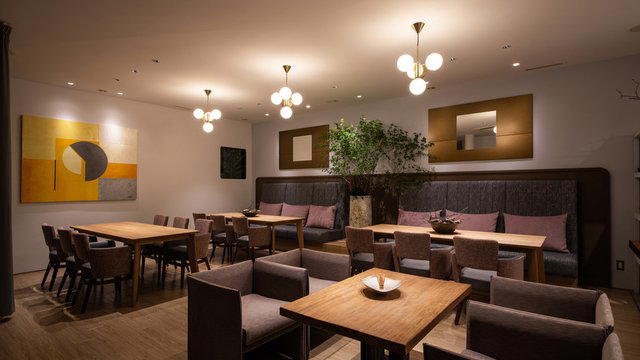

At a Glance
- Cozy
- Casual Hangout
- Beer Program
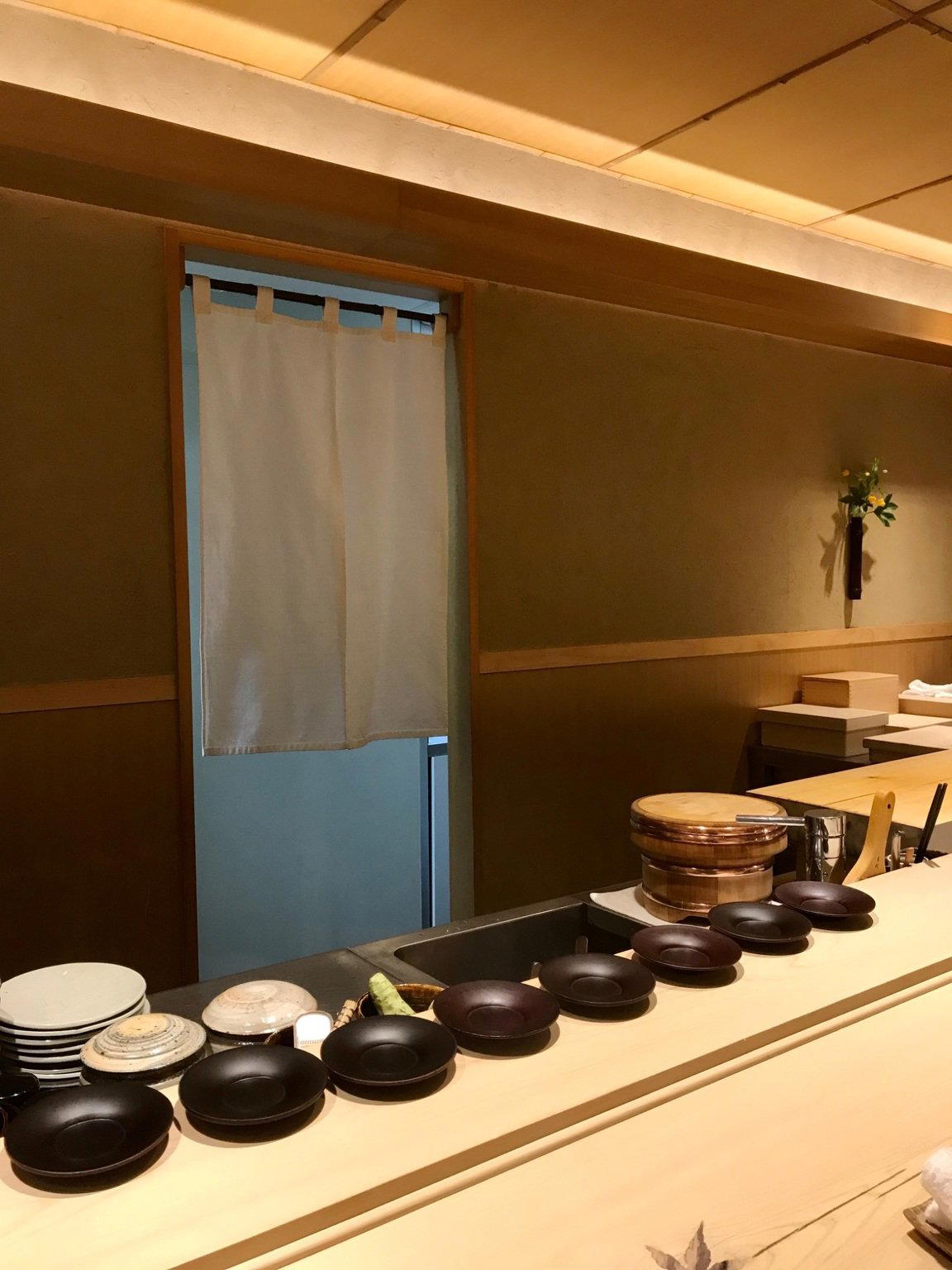
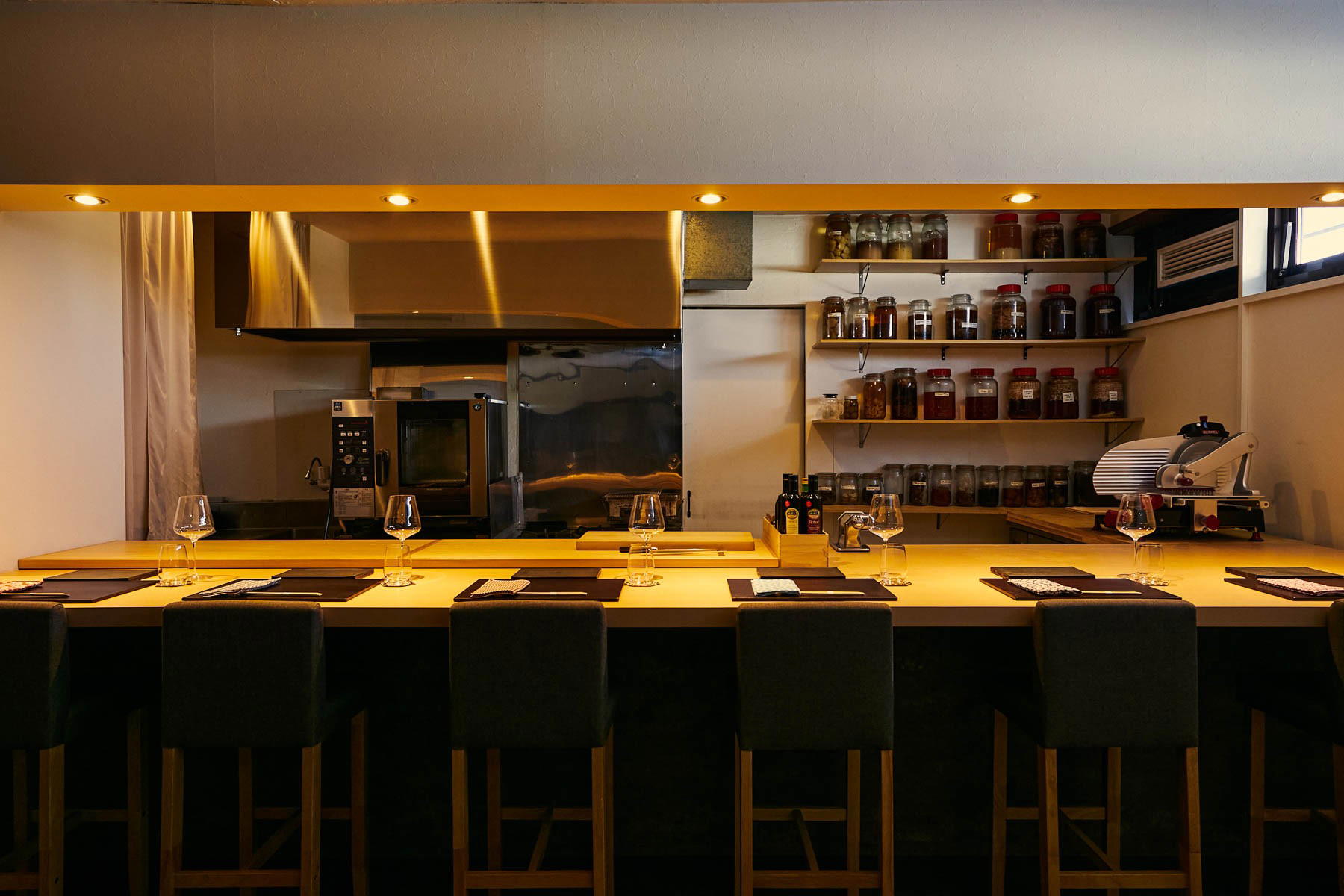
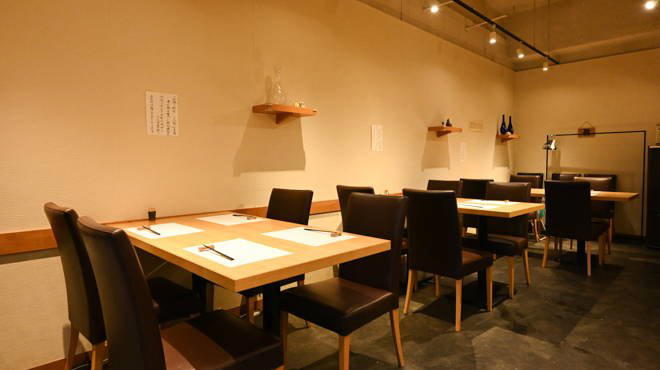
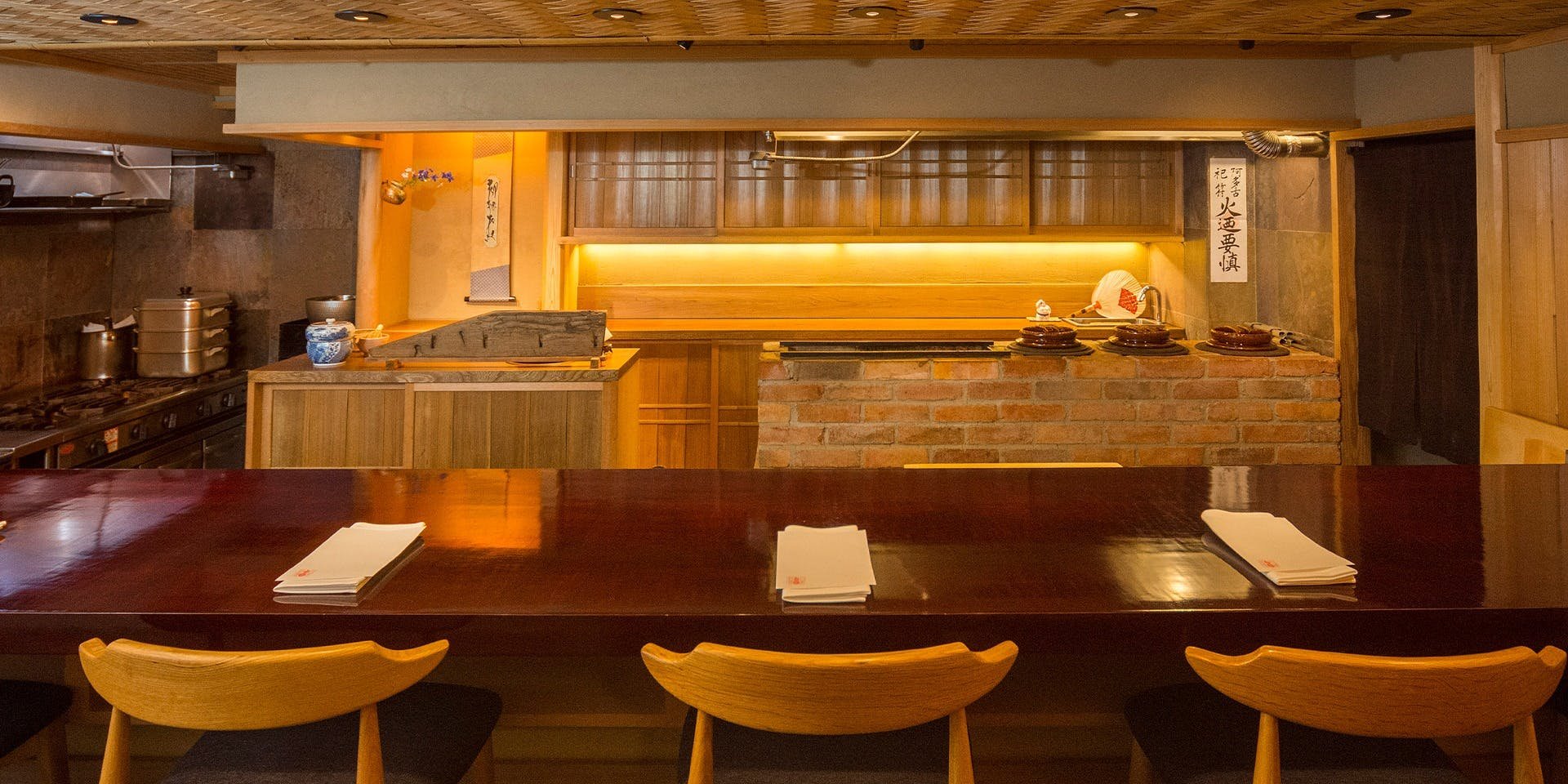
Cozy family-run counter seating with a casual, welcoming atmosphere in a residential neighborhood.