
Sapporo’s soup curry culture is built on spice, broth, and everyday accessibility rather than ceremony. Picante Sapporo ekimae ten fits that grammar: a central, compact soup-curry room near the station, selected for Tabelog Curry EAST “Tabelog 100” in 2023 and 2024, with pricing in the JPY 1,000–1,999 range.
Pearl is the En Primeur Club membership app — saves, bookings, and concierge access live there. Same editors, same standards.
- Address
- 北海道札幌市中央区北2条西1-8-4 青山ビル 1F
- Phone
- +81112713900
- Website
- picante2009.com
 Saves & bookings on Pearl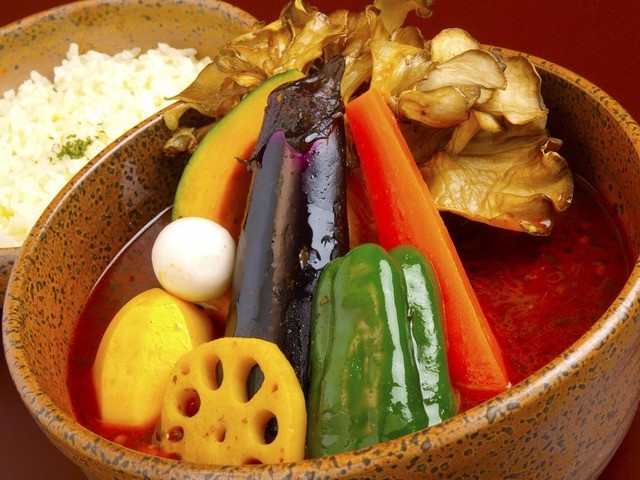
Central Sapporo has a particular lunch rhythm: office workers moving between station exits, winter coats steaming indoors, and curry shops doing serious business without treating spice as performance. Soup curry belongs to this city more than to the national curry-rice template. The format is looser, brothier, and more modular, closer to a spiced bowl built around vegetables, protein, and heat level than a plate of roux over rice.
That context matters before any single shop enters the frame. Sapporo’s curry scene is not a side note to ramen or seafood; it is one of the city’s defining casual-food traditions, with enough depth to reward visitors who treat it as a category rather than a quick meal between snow festival stops. Picante Sapporo ekimae ten sits in that tradition with the signals that count: Soup Curry as its category, repeat selection for Tabelog Curry EAST “Tabelog 100” in 2023 and 2024, and a price band that keeps the meal in everyday territory rather than tasting-menu theatre.
Soup curry as Sapporo's democratic counterpoint to luxury dining
Sapporo’s high-end dining can be polished and expensive, particularly around sushi, teppanyaki, and hotel dining. Soup curry cuts across that hierarchy. It is highly local, often personal in spice preference, and still accessible to solo diners, families, and friends. In a city where winter shapes appetite, a broth-based curry format makes practical sense: it is warming, adaptable, and substantial without needing the formality of a full-service dinner.
The useful comparison is not with generic Japanese curry, but with Sapporo’s wider casual-specialist tier. 175°DENO Tantanmen Sapporo kitaguchi ten approaches heat through sesame and Sichuan-style noodle structure, while [Curry Senmon Ten] Maruyama Kyoju. points to the city’s narrower curry-specialist lane. Ajanta Indo Curry Ten and Ajanta Sohonke show how Indian-curry references have long been absorbed into Hokkaido’s own habits. Picante Sapporo ekimae ten belongs to the Sapporo soup-curry conversation rather than the broader imported-curry category, which is the distinction that matters for visitors trying to read the city properly.
The Tabelog Curry EAST “Tabelog 100” selections in consecutive years are the clearest external marker here. Tabelog’s Hyakumeiten lists are not Michelin-style star systems; they function more like category recognition within Japan’s restaurant culture. For a soup-curry shop in Sapporo, that recognition places the address inside a competitive regional field where consistency, local demand, and category identity carry more weight than luxury cues.
A station-area curry room built for daily use, not ceremony
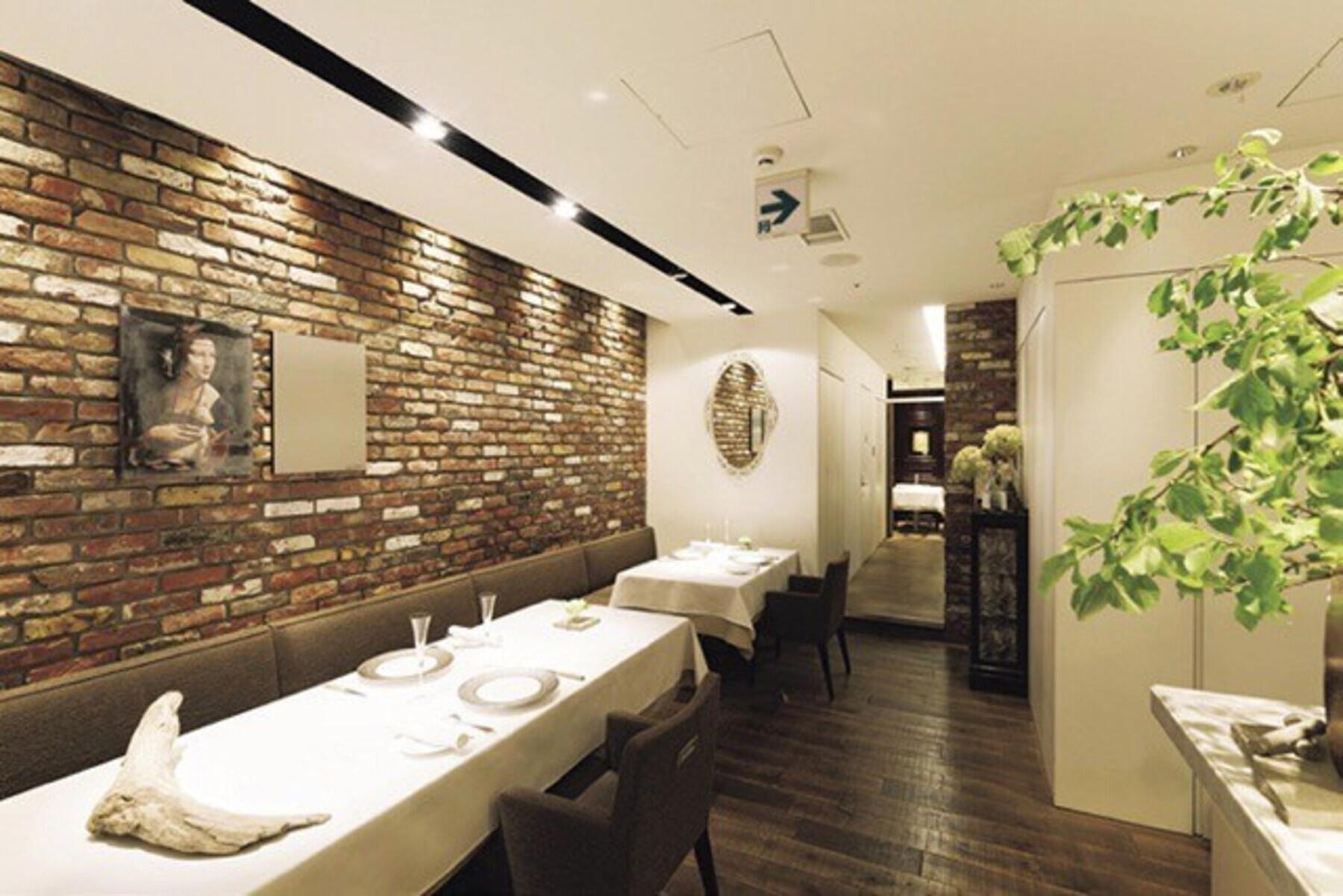
Station-front location gives the meal a different character from destination dining in residential Sapporo neighborhoods. Ekimae eating is about efficiency, repeat use, and directness. The room is compact, with 20 seats across counter and table formats, which suits soup curry’s solo-friendly nature. Counter seating matters in this genre because many diners are there for one bowl and a clean exit, not a long social meal.
Pricing also defines the experience. At JPY 1,000–1,999, the decision is less about splurge logic than category literacy: if only one Sapporo soup-curry stop fits the itinerary, a recognized, central option makes sense. The trade-off is that station-area convenience often means tighter seating and less lingering. That is not a flaw in this format; it is part of how the meal works in the city’s daily food economy.
Takeout is part of the service model, with a listed container fee of JPY 90. That small detail says more about the restaurant type than a polished mission statement would. Soup curry can be an eat-in bowl, a workday lunch, or a practical takeaway, and the format has enough structural clarity to travel better than many brothy dishes. Payment flexibility, including credit cards, electronic money, and QR code payments, also places the shop squarely in contemporary urban Japan rather than nostalgic food-tour framing.
How to place it within a Sapporo eating itinerary
For visitors building a food-led stay, soup curry should not be treated as a consolation prize after sushi or ramen. It explains Sapporo as directly as a seafood market breakfast or a late-night bowl. A sensible itinerary might put soup curry at lunch, then leave dinner for a higher-spend room such as Teppanyaki Ishikari or Sushi Chinese Fukurokuju, where the price structure changes the occasion. Hige Danshaku sits closer in price, but the category logic differs: soup curry is about broth, spice calibration, and local habit rather than pub-style breadth.
The nearby station geography also makes this an efficient first or final Sapporo meal, especially for travellers connecting through rail routes. For broader planning, Our full Sapporo restaurants guide gives the city’s dining range more context, while Our full Sapporo hotels guide, Our full Sapporo bars guide, Our full Sapporo wineries guide, and Our full Sapporo experiences guide help separate station convenience from neighborhood-led travel.
There is a broader Japan lesson here too: casual specialist restaurants often carry as much local information as expensive counters. The same editorial principle applies outside Hokkaido, from -Grilled beef Sukiyaki- KAMAKURA TANUKIAN 鎌倉 たぬき庵 in Kamakura to. 鮪と炭火焼き うお炭 秋葉原店 in Tokyo.cafe in Osaka.know in Kumamoto, (Shoku) Vietnam in Kawasaki, and [ki:] in Kyoto. Japanese dining culture rewards narrow formats when they are executed with discipline. Overseas, that same narrow-format logic appears in places such as Jōdo Saké Bar in Los Angeles and Onigiri Time in Pasadena, where a defined category can tell a sharper story than a broad menu.
Picante Sapporo ekimae ten is strongest as a cultural read: a compact, recognized soup-curry address in the part of town where visitors actually pass through. It will not replace Sapporo’s luxury meals, and it does not need to. Its value is in showing how the city eats when the brief is spice, warmth, speed, and local identity rather than ceremony.
Budget Reality Check
Comparable options at the same price tier.
| Venue | Cuisine | Price | Notes |
|---|---|---|---|
| Picante Sapporo ekimae tenThis venue — the venue you are viewing | Chūō, Sapporo soup curry | $$ | Not listed |
| Ramen Sapporo Ichiryuan | Chūō, Hokkaido miso ramen | $$ | Not listed |
| North Continent Machi No Naka | Not listed | $$ | Chūō, Hokkaido-sourced Hamburg Steak & Western Grill |
| NOUILLES JAPONAISE Tokuichi | Chūō, French-inspired Japanese ramen | $$ | Not listed |
| Ichimonji Curry Ten | Shiroishi, Sapporo Japanese curry house | $$ | Not listed |
| 175°DENO Tantanmen Sapporo kitaguchi ten | Kita, Japanese Tantanmen Ramen | $$ | Not listed |
Recognition history
Dated appearances from independent guides and award organizations, with the underlying list record or original source where available.
Tabelog 100 #35 · No. 35
Tabelog · Tabelog 100 - Curry - EAST - 2024

At a Glance
- Lively
- Cozy
- Casual
- Casual Hangout
- Solo
- Family
- Group Dining
- After Work
- Standalone
- Beer Program
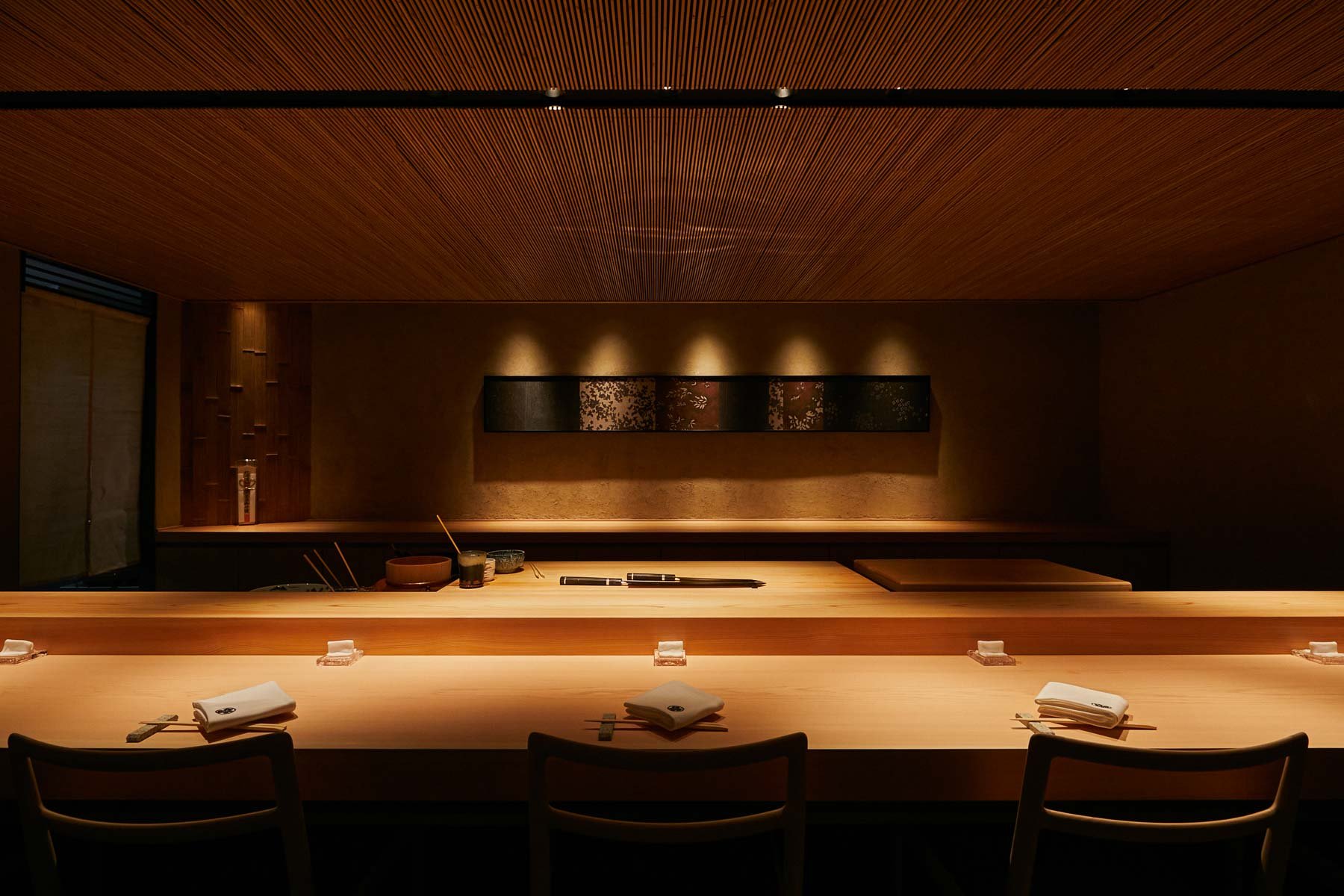
Casual, compact soup curry shop with simple seating and a relaxed, bustling atmosphere typical of a popular local lunch spot near the station.