Hyatt Centric Sapporo belongs to a newer style of Sapporo hotel: urban, design-aware, and built for travellers who want the city rather than a sealed resort experience. With little public venue-specific detail available, its strongest editorial signal is positioning: a Hyatt lifestyle address in a capital known for snow, food markets, beer culture, and access to wider Hokkaido.
Pearl is the En Primeur Club membership app — saves, bookings, and concierge access live there. Same editors, same standards.
- Address
- Sapporo, Japan
- Directions
- Get directions
 Saves & bookings on Pearl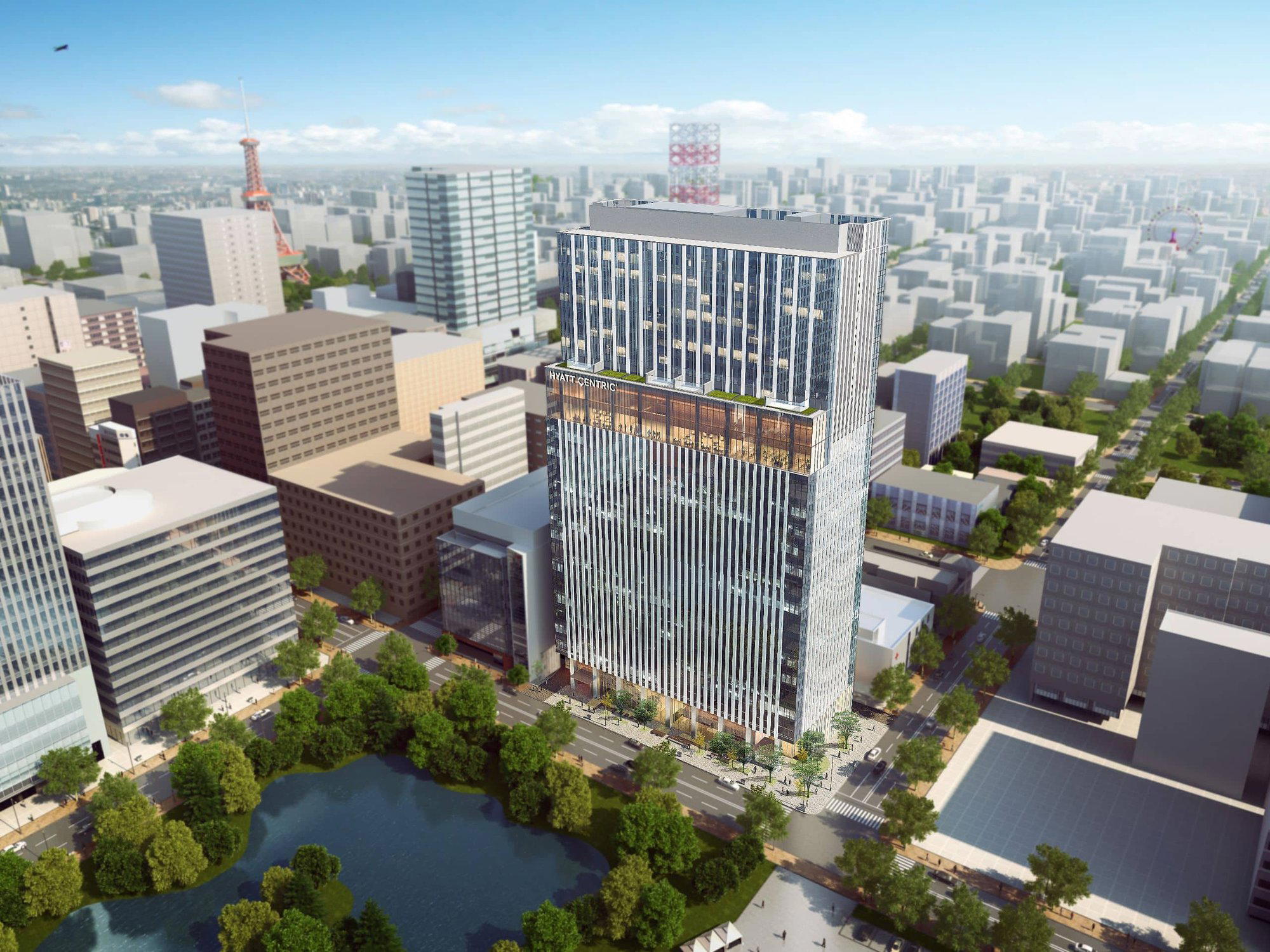
Arrival in a City Built for Weather
Sapporo is a city where hotels are judged first by how they mediate the elements. Winter arrives with weight: packed pavements, heated interiors, train-station concourses that become civic corridors, and a dining culture that rewards those who can move comfortably between snow, ramen counters, department-store food halls, and late-evening bars. In that setting, Hyatt Centric Sapporo reads less as a resort proposition than as an urban base, part of the contemporary lifestyle-hotel tier that treats the city itself as the main room.
The Hyatt Centric flag matters because it carries a specific brand grammar. Across the portfolio, the concept is pitched around central locations, local references, and a lighter, more social version of full-service hospitality than the grand-hotel model. That makes the Sapporo address interesting in context: Hokkaido travel has long been split between functional city hotels, hot-spring ryokan, and ski-country retreats. A Centric property points toward a different visitor pattern, one in which Sapporo is not merely an airport stop before Niseko or Furano, but a food-and-design city with enough depth to hold several nights.
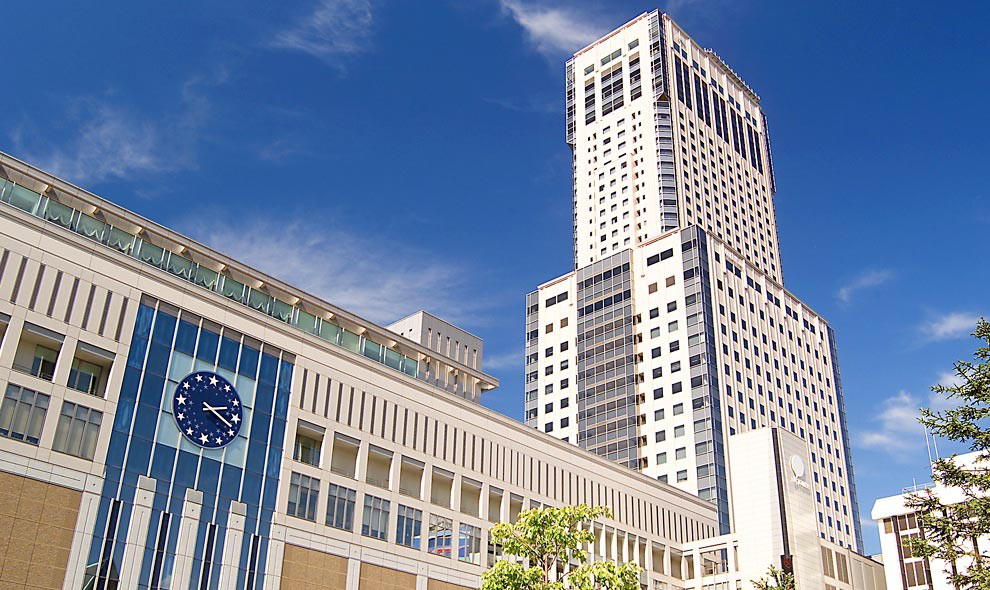
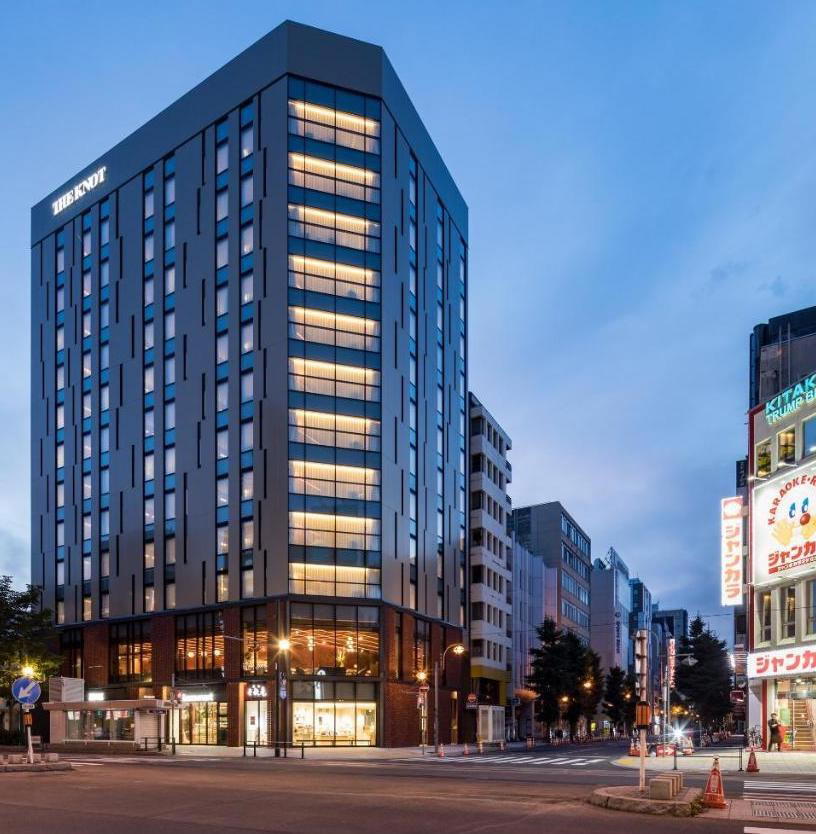
Hyatt Centric Sapporo is a 4-star hotel in Sapporo, Japan, best read through category rather than claims. It sits in the internationally branded lifestyle lane, distinct from onsen ryokan such as Chalet Ivy Jozankei, city-view business-luxury hotels such as JR Tower Hotel Nikko Sapporo, and design-forward local alternatives such as The Knot Sapporo. That comparison is more revealing than any generic claim about comfort: Sapporo now supports several kinds of premium stay, and the choice depends on how much of the city a traveller wants at street level.
Design as a Form of Urban Translation
Architecture-led hotel writing in Japan often drifts too quickly toward temples, timber, and borrowed serenity. Sapporo needs a different lens. This is a planned northern capital, shaped by broad avenues, winter infrastructure, beer history, postwar department stores, and the practical elegance of cities that have to function under snow. A hotel in this category has to translate that civic character without turning Hokkaido into a decorative theme.
The Centric model is well suited to that task when executed with restraint. Its design language generally favors public spaces that work as informal thresholds: lobby seating with movement, food-and-drink areas that can handle both guests and local use, and interiors intended to feel less ceremonial than a palace hotel. In Sapporo, that matters because the city rewards casual precision. Visitors move from morning coffee to Nijo Market, from Odori Park to Susukino, from ski-day layers to dinner without wanting a hotel that makes every return feel staged.
Hyatt Centric Sapporo therefore belongs to the same broad shift seen in other Japanese cities, where international brands are learning to soften the old distinction between luxury and locality. Tokyo has its high-gloss vertical statements, represented by properties such as Bvlgari Hotel Tokyo in Tokyo. Kyoto has heritage-sensitive addresses such as HOTEL THE MITSUI KYOTO in Kyoto. Hakone and Ise-Shima lean into ryokan and resort traditions, visible in Gora Kadan in Hakone and Amanemu in Mie. Sapporo’s version is more urban and more practical: design has to hold coats, boots, luggage, restaurant reservations, and quick decisions about weather.
Where It Fits in Sapporo's Hotel Set
Sapporo’s hotel field is unusually varied for a city that many overseas travellers still underrate. The classic city-hotel model clusters around transport and skyline convenience. Cross Hotel Sapporo and Sapporo Excel Hotel Tokyu speak to that urban practicality, while InterContinental Sapporo signals the city’s growing appetite for large international luxury brands. Sosei Sapporo - MGallery adds another design-conscious international interpretation, and Suigan points toward the quieter, retreat-minded end of the regional spectrum.
Against that comparable set, Hyatt Centric Sapporo is easiest to understand as an access hotel rather than a cocoon. The point is not to replace the city with in-house spectacle. The point is to make it easier to use Sapporo well: a day organized around seafood markets and shopping arcades, an evening built around Jingisukan, ramen, whisky, or wine bars, and a return that feels contemporary rather than corporate. That is a meaningful distinction in Hokkaido, where many travellers pair Sapporo with hot-spring stays or ski lodges and need the city portion to be sharp, efficient, and socially legible.
The comparison with Japan’s rural and resort properties clarifies the role. Fufu Nikko in Nikko, Asaba in Izu, Kamenoi Besso in Yufu, Zaborin in Kutchan, and Sekitei in Hatsukaichi-shi all belong to traditions where the property can become the main event. A Sapporo lifestyle hotel has a different burden: it must support appetite, movement, and timing. In that sense, its design is judged by circulation as much as visual identity.
The Food-City Argument
Any serious assessment of a Sapporo hotel has to account for food. The city is not a backdrop for dining; it is one of the reasons to come. Hokkaido’s agricultural and seafood reputation gives Sapporo unusual range, from dairy and corn to crab, scallops, lamb, soup curry, and miso ramen. The strongest hotel choice is often the one that lets a traveller eat outside without friction.
That does not require a hotel to disclose a destination restaurant in order to be relevant. In Sapporo, restaurant access is part of the room value. A centrally oriented, contemporary hotel format suits travellers who want to build days around neighbourhood eating rather than remain inside a property restaurant. For deeper planning, A Sapporo restaurants guide is the useful companion, especially for sorting counter formats, seafood-led rooms, and the city’s winter-friendly comfort dishes. A Sapporo bars guide is useful, because the city’s late-night rhythm is part of its appeal, particularly around Susukino and central shopping streets.
The broader Hokkaido stay also benefits from category awareness. A traveller using Sapporo as a culinary base may care more about walkability, transit access, and a clean design idiom than about resort acreage. A traveller using the city as a pause between powder skiing and an onsen stay may prioritize luggage handling, predictable service standards, and a hotel that does not demand ceremony. Hyatt Centric Sapporo, by brand positioning and city placement, is more aligned with those urban-use cases than with the slow rituals of a countryside ryokan.
How to Read the Lack of Published Detail
That absence should shape planning rather than be smoothed over. In a market where many hotels publish detailed room plans, dining hours, bath access, and seasonal packages, missing structured data means the prudent reader treats third-party summaries with caution and confirms particulars through official Hyatt channels or a trusted travel advisor before committing dates.
It also means certain claims should not be made. There is no verified basis for naming a signature suite, describing a lobby artwork, identifying a chef, or promising a view. The editorial value lies in what can be said safely: the hotel is a Hyatt lifestyle-branded hotel in Sapporo, and that places it within an expanding urban hospitality segment in Hokkaido. The brand itself is the trust signal, not an award citation. Readers seeking historically documented grand-hotel narratives will find more obvious analogues in European palace hotels such as Hôtel de Paris Monte-Carlo in Monte Carlo or alpine institutions such as Badrutt's Palace Hotel in St. Moritz. Sapporo’s case is quieter and more practical.
For city-wide hotel comparison, a Sapporo hotels guide gives the broader shortlist. Travellers building a wider itinerary can also use a Sapporo experiences guide for cultural structure and a Sapporo wineries guide for regional drinking context. Hokkaido is not only ski fields and seafood; it has a growing wine conversation, and Sapporo is the natural urban gateway for that story.
Planning the Stay
Plan the hotel as a city hotel first. That means dates should be matched to Sapporo’s seasonal pressure points: snow season changes the rhythm of arrival and movement, while festival periods and long weekends can tighten availability across the city. Rate comparisons should be made across official Hyatt distribution and reputable hotel platforms, with special attention to cancellation terms in winter. Weather disruptions are not theoretical in Hokkaido travel.
Room choice requires the same discipline. No specific room type can be responsibly singled out. The practical hierarchy is clear, however: prioritize the category that gives the right balance of space for winter clothing and luggage, sleep quality, and access to the parts of Sapporo that define the trip. Travellers planning restaurant-heavy days may value location and late return convenience over a larger room. Travellers pairing Sapporo with ski or onsen stays may need more storage and simpler transit logistics.
For a multi-city Japan itinerary, the Sapporo stop should be framed differently from Tokyo, Kyoto, and resort destinations. A property such as The Fifth Avenue Hotel in New York City shows how lifestyle hotels can become part of an urban cultural circuit; the hotel’s comparable promise is as a platform for northern Japan’s food, weather, and design culture. The decision is less about spectacle and more about whether a contemporary international base helps the traveller use Sapporo with precision.
In Context
Comparable venues nearby, for context on price, style, and recognition.
| Venue | Price | Awards | Notes |
|---|---|---|---|
| Hyatt Centric SapporoThis venue — the venue you are viewing | $$$ | 4-Star | Not listed |
| Sosei Sapporo - MGallery | $$$$ | 5-Star | Chūō, Historic boutique hotel bridging Sapporo's past and future with frontier spirit. |
| Sapporo Excel Hotel Tokyu | $$$ | 4-Star | Chūō, Modern upscale urban hotel with family-friendly spacious rooms |
| InterContinental Sapporo | $$$$ | 5-Star | Chūō, residential luxury fused with natural Hokkaido landscapes |
| Cross Hotel Sapporo | $$$ | 4-Star | Chūō, Sleek modern tower with artsy, lounge-like vibe emphasizing local Hokkaido connections. |
| The Knot Sapporo | $$$ | 3-Star | Susukino, Lifestyle hotel blending natural Hokkaido warmth with sleek modern design |
Continue exploring
More in Sapporo
Hotels in Sapporo
Browse all →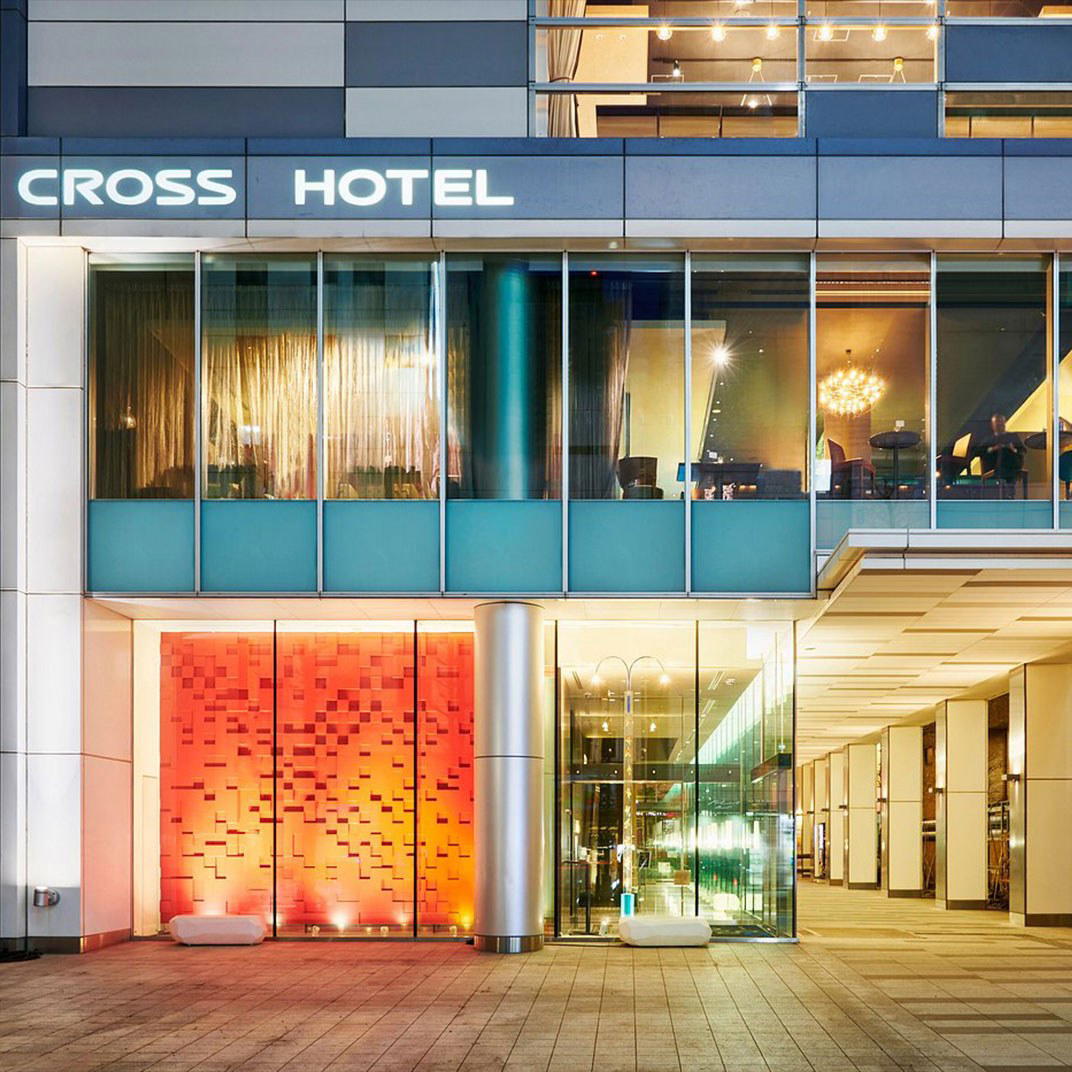
At a Glance
- Modern
- Sophisticated
- Trendy
- Energetic
- Business Trip
- Weekend Escape
- Group Retreat
- Panoramic View
- Design Destination
- Wi Fi
- Fitness Center
- Concierge
- Room Service
- Business Center
- Skyline
- Wi Fi
- Fitness Center
- Concierge
- Room Service
- Business Center
Modern, lively, and polished, with a contemporary urban atmosphere suited to travelers exploring the city.