Our verdict
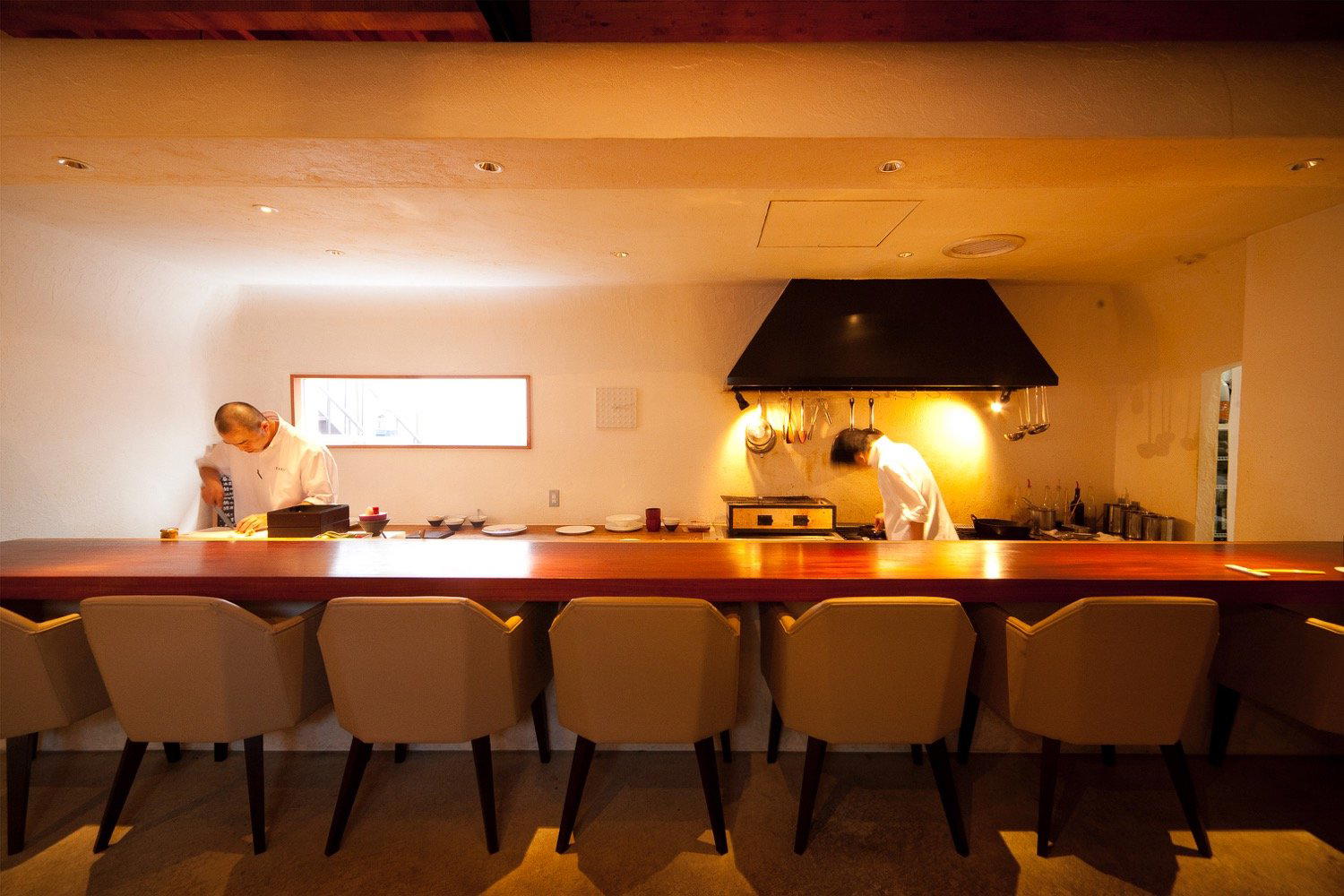
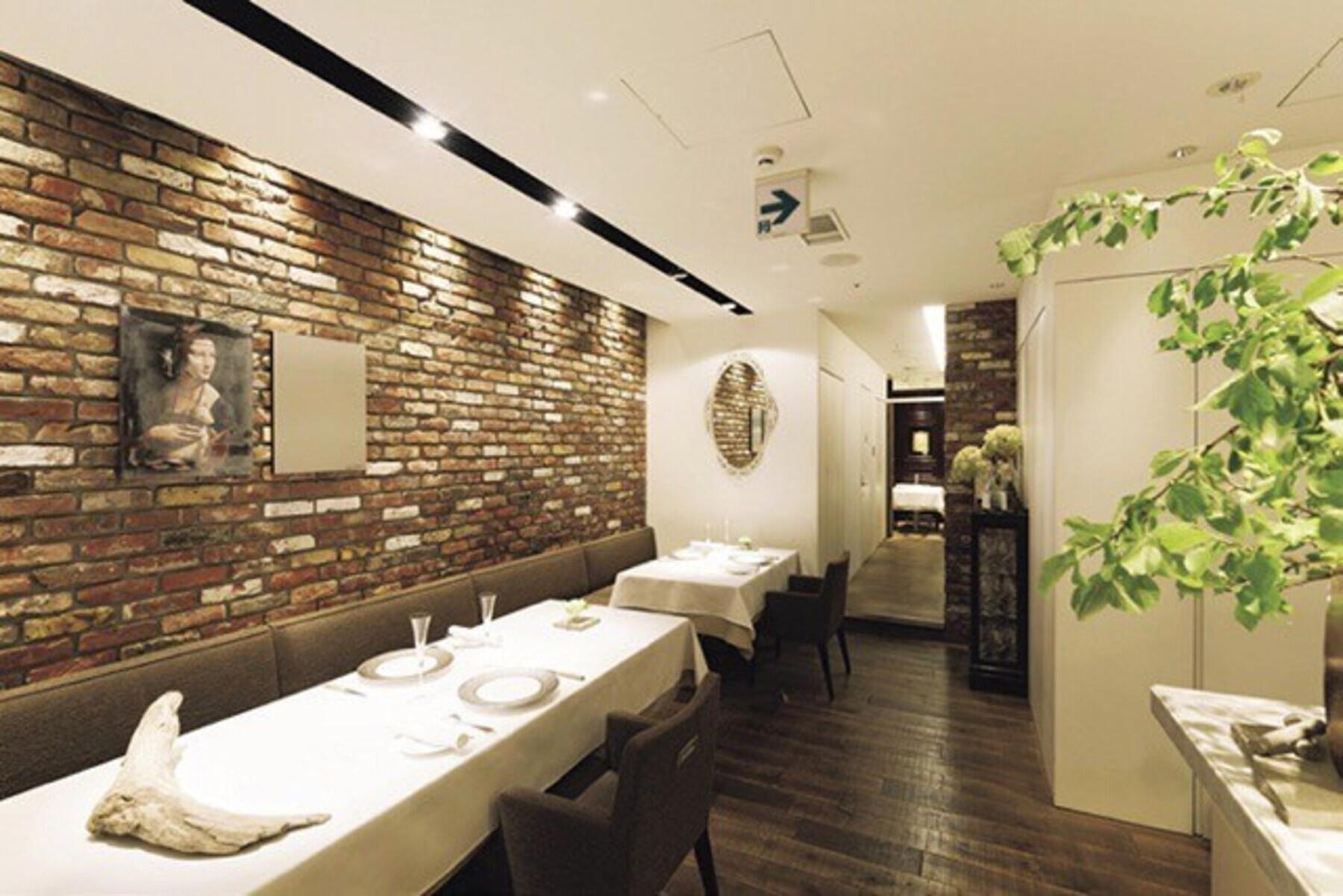
話食屋ひろ志 occupies the third floor of a low-key Chuo Ward building in central Sapporo, operating within the city's established tradition of intimate, counter-led dining rooms.

Pearl is the En Primeur Club membership app, where members save venues, book tables and use the concierge.
The menu
What to order
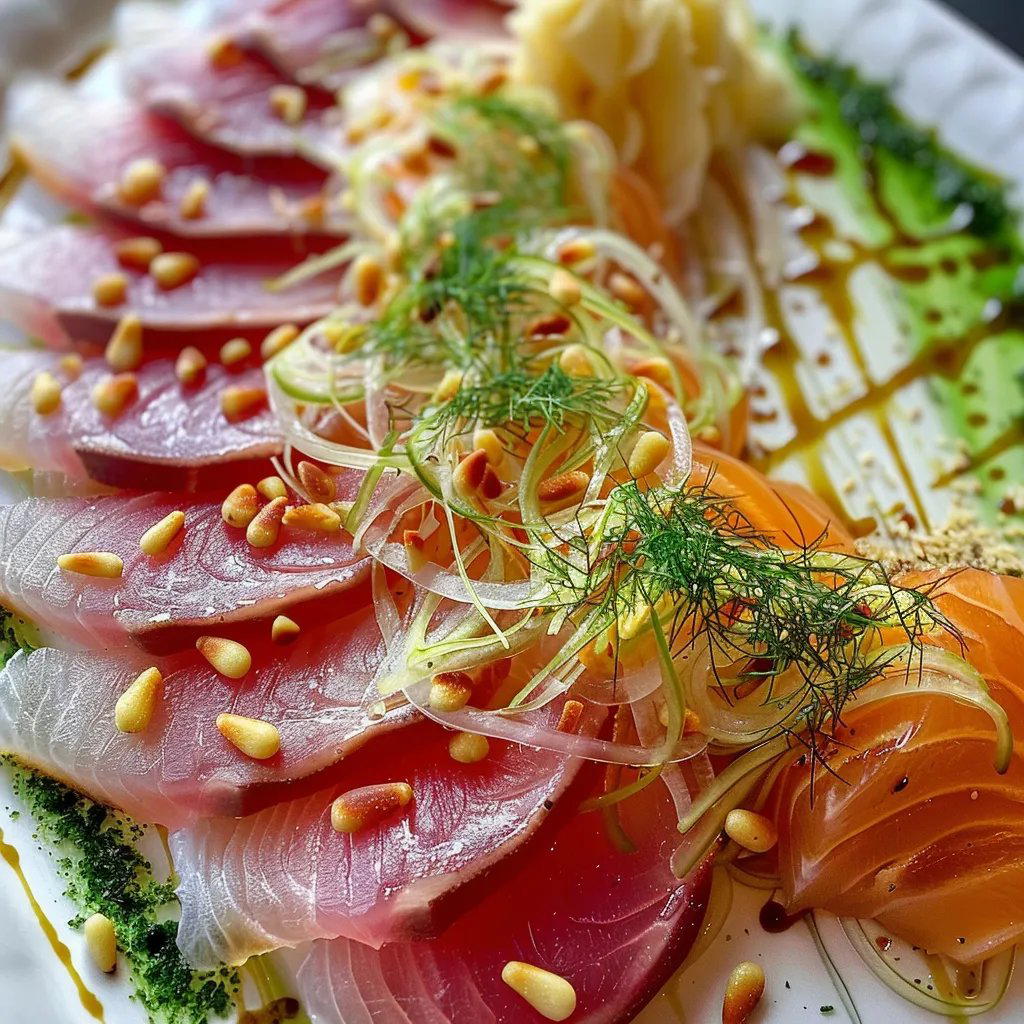
- 元祖トリュフマグロ
- コロッケみたいなポテサラ
Third Floor, Chuo Ward: The Geometry of Sapporo's Neighbourhood Dining
Sapporo's most interesting dining rooms rarely occupy street level. The city has developed a particular pattern over decades: serious kitchens tucked into upper floors of low-rise mixed-use buildings, accessible by narrow staircases, identifiable only by a small sign or a paper lantern at the entrance. This format, familiar across Japanese secondary cities, carries a specific logic in Sapporo's context. The climate favours interiors. The dining culture prioritises the host-guest relationship over foot traffic. And the economics of a building's upper floors allow for the kind of focused, lower-volume operation that defines the most consistent neighbourhood tables. 話食屋ひろ志, on the third floor of the 第3広和ビル in Minami 2 Jonishi, Chuo Ward, follows that template precisely.
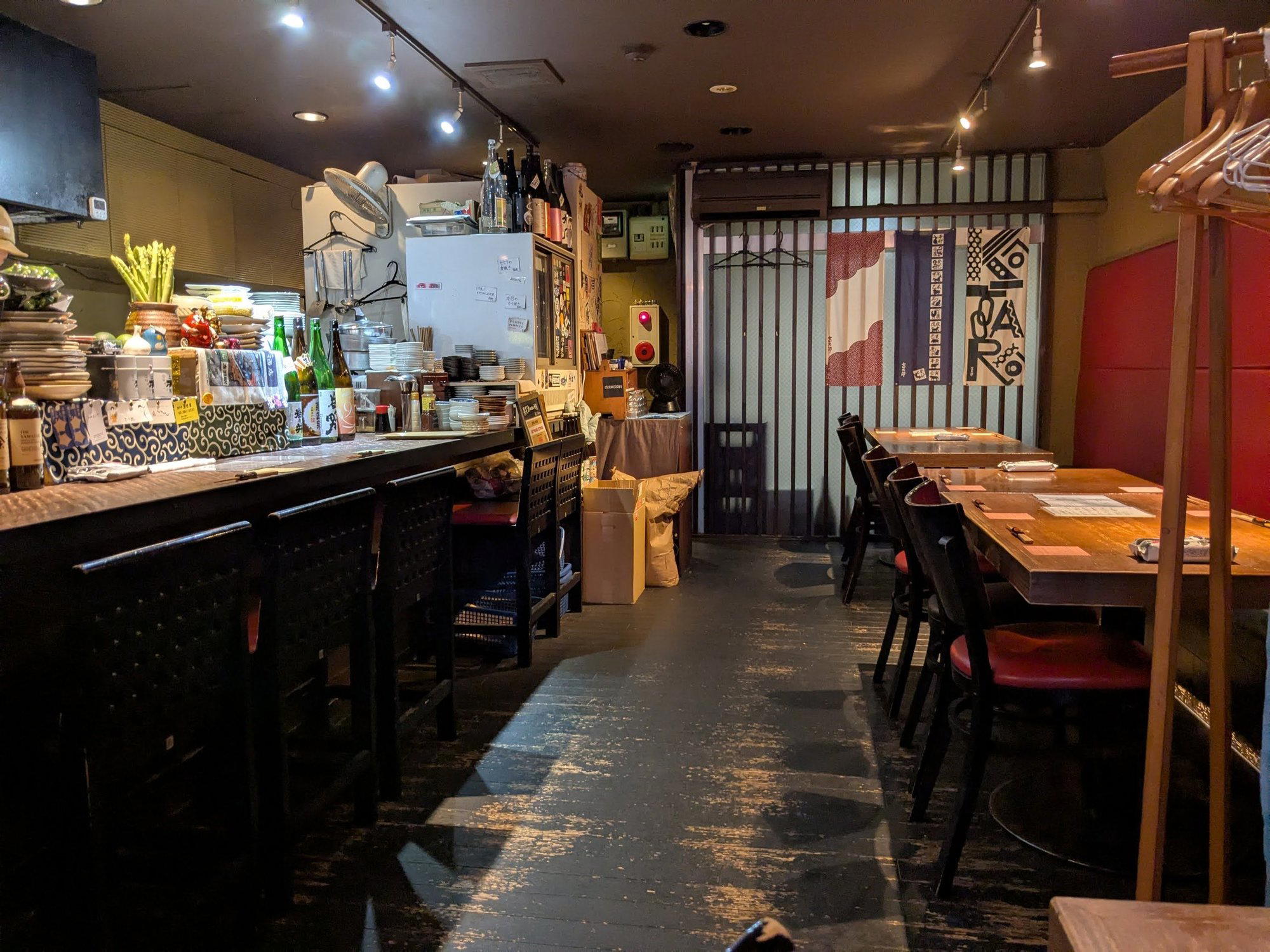
Approaching from the street, there is no facade performance. Chuo Ward, Sapporo's administrative and hospitality core, contains the bulk of the city's dining density, from the ramen counters of Susukino to the kaiseki rooms that position themselves against venues like Hanakoji Sawada (Kaiseki). Within that concentrated geography, the upper-floor, neighbourhood-scale format occupies a specific niche: neither casual nor ceremonially formal, built around regulars and a pace set by the kitchen rather than the reservation system.
Sapporo's Dining Evolution and Where Neighbourhood Tables Fit
Over the past fifteen years, Sapporo has attracted increasing attention from the broader Japanese food conversation. Hokkaido's ingredient reputation, built on dairy, seafood, and agricultural produce of consistent quality, has drawn chefs from Osaka, Tokyo, and Kyoto. That migration, combined with local culinary culture, has created a city with more dining register variety than its international profile suggests. At one end sit the omakase sushi counters, well-represented by venues like Arima (Sushi), which compete directly with the upper tiers of Japan's national sushi conversation. At the other end, a parallel tradition of neighbourhood izakaya and small-format dining rooms has evolved quietly, absorbing influences from the city's growing culinary seriousness without abandoning the informal register that defines them.
This evolution matters for understanding where 話食屋ひろ志 sits. The venue's name, 話食屋, translates loosely to a place for conversation and eating, a framing that positions the dining experience within social exchange rather than culinary theatre. That framing is itself a kind of editorial statement about what the room is built to do. In cities like Fukuoka and Osaka, equivalent venues have evolved over time from pure neighbourhood convenience into something more considered, without necessarily acquiring formal recognition. The same pattern is visible in Sapporo's Chuo Ward, where a number of small dining rooms have quietly refined their offer over time. For comparison across Japan's regional dining evolution, venues like Goh in Fukuoka and HAJIME in Osaka illustrate how the country's secondary cities have developed distinct culinary identities that no longer require Tokyo's validation.
The Counter Tradition and Its Current Direction
Japan's small dining rooms tend to evolve in one of two directions over time. Some formalise: tasting menus replace à la carte, dress codes appear, booking windows extend. Others consolidate: the menu narrows, the regulars deepen, the room becomes less accessible to first-time visitors not already in the network. The 話食屋 format, by name and by the building's understated position on a Chuo Ward side street, suggests the second trajectory. The absence of a listed website and phone contact in public records reinforces that reading. At this scale and visibility level, discovery typically happens through existing guests, local recommendation networks, or platforms that aggregate word-of-mouth, rather than through conventional search.
That pattern is not unusual in Sapporo's neighbourhood tier. Venues like Higebozu and Hidetaka occupy related positions within the city's dining fabric, where informal recognition among locals carries more operational weight than formal awards. For the reader planning a visit, this means the most reliable route to a table runs through the local network rather than a central booking system. Arriving in Chuo Ward with a reservation made through a Japanese-speaking contact, a hotel concierge with local relationships, or a platform with direct venue access, will produce a different experience from walking in without context.
Sapporo's proximity to Hokkaido's supply chain means that even neighbourhood-scale kitchens have access to ingredients that would be considerably more expensive to source in Tokyo or further south. Seasonal crab, which defines Sapporo's winter dining conversation in venues focused specifically on the format, and the dairy and produce of the broader Hokkaido agricultural corridor, circulate through the city's supply networks in a way that benefits the full range of dining registers, not just the formally recognised rooms. For a broader view of how this supply chain shapes the city's restaurants across categories, the our full Sapporo restaurants guide maps the range in detail.
Planning a Visit
Practical information for 話食屋ひろ志 is limited in public records. The venue sits at Minami 2 Jonishi, 1 Chome-6-11, 第3広和ビル 3F, Chuo Ward, Sapporo, placing it within walking distance of the central subway network and the Susukino entertainment district. No phone number or website is publicly listed, which means advance contact through a hotel concierge or a platform with direct venue relationships is the most reliable approach for visitors unfamiliar with the local network. For readers building a broader Sapporo itinerary, aki nagao offers an additional reference point within the city's neighbourhood dining register. Those extending travel across Japan's regional dining cities will find useful comparative context in Harutaka in Tokyo, Gion Sasaki in Kyoto, and akordu in Nara.
Frequently asked questions
Is 話食屋ひろ志 okay with children?
The venue sits on the third floor of a commercial building in Chuo Ward, Sapporo, a format common to the city's more intimate, adult-oriented dining rooms.
What's the vibe at 話食屋ひろ志?
The address tells much of the story: third floor, Minami 2 Jonishi, inside 第3広和ビル in central Sapporo. That placement puts it squarely in the category of deliberate neighbourhood rooms, spaces where guests arrive with some intention rather than stumbling in from the street. Expect a close, quiet atmosphere rather than a lively ground-floor scene.
How do you find and book 話食屋ひろ志 in Sapporo's Chuo Ward?
The restaurant is on the third floor of 第3広和ビル at Minami 2 Jonishi, 1 Chome-6-11 in Chuo Ward, a building address rather than a street-front sign, which reflects the discretion common to this tier of Sapporo dining. No booking website or phone number is publicly listed, so reservations likely depend on word-of-mouth contact or a direct approach to the venue.
What's the best thing to order at 話食屋ひろ志?
Specific menu details are not in the public record. Given its positioning within Sapporo's Chuo Ward, a district where Hokkaido's ingredient supply directly shapes what kitchens offer, seasonal produce and locally sourced protein are reasonable expectations. Asking the kitchen directly on arrival will give you the clearest picture of what is current.
At a Glance
Comparable venues nearby, for context on price, style, and recognition.
| Venue | Cuisine | Price | Awards | Notes |
|---|---|---|---|---|
| 話食屋ひろ志This venue (the venue you are viewing) | Creative Japanese Izakaya | $20–30 | Not listed | Not listed |
| Gop no Anagura | Sapporo soup curry & spice-driven curry house | $10–20 | Tabelog 100 #90 | Nishi, Sapporo soup curry & spice-driven curry house |
| Ichimonji Curry Ten | Sapporo Japanese curry house | $10–20 | Tabelog 100 #89 | Shiroishi, Sapporo Japanese curry house |
| SOUP CURRY KING Sentoraru | Sapporo soup curry | $10–20 | Tabelog 100 #34 | Chūō, Sapporo soup curry |
| [Curry Senmon Ten] Maruyama Kyoju. | Japanese Curry House | $10–20 | Tabelog 100 #56 | Chūō, Japanese Curry House |
| Yoshoku Konoyoshi Kiyotaku kitano ten | Japanese Yoshoku | Not listed | Tabelog 100 #23 | Kiyota, Japanese Yoshoku |