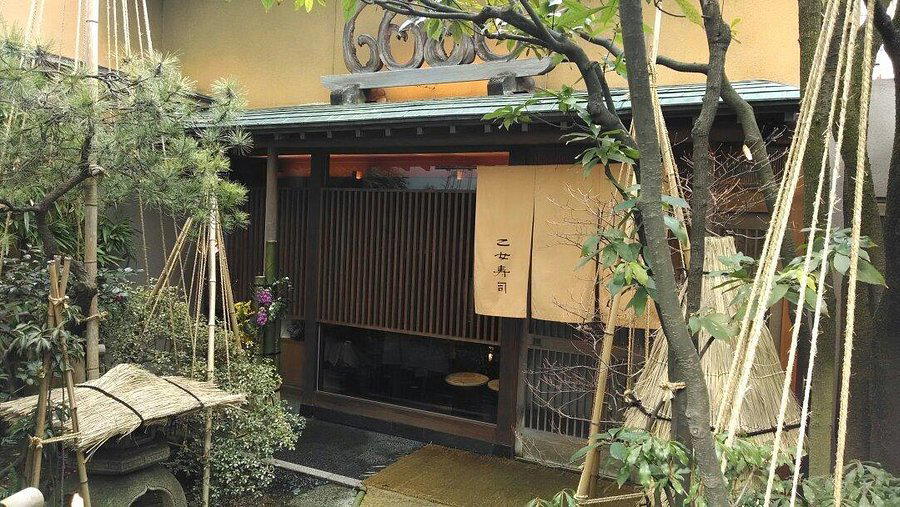
Located in Kanazawa's Hondamachi district, 餐屋 國中屋 sits within a city whose market geography and seasonal produce have shaped some of Japan's most precise regional cooking. The address places it among Kanazawa's mid-tier dining establishments, where the relationship between local ingredients and kitchen discipline tends to define the offer. Visitors exploring the city's culinary depth will find this among the addresses worth weighing alongside the broader Kanazawa restaurant scene.
Pearl is the En Primeur Club membership app — saves, bookings, and concierge access live there. Same editors, same standards.
- Address
- 3 Chome-10-27 Hondamachi, Kanazawa, Ishikawa 920-0964, Japan
- Phone
- +815054892117
- Website
- r.gnavi.co.jp
- Directions
- Get directions
 Saves & bookings on Pearl
Hondamachi and the Grammar of Kanazawa Dining
Kanazawa has long occupied a specific position in the hierarchy of Japanese regional cities: close enough to Kyoto in culinary sensibility to share an obsession with seasonality and craft, but distinct enough in its market geography to have developed its own vocabulary. The Omicho Market, a short distance from the Hondamachi neighbourhood where 餐屋 國中屋 is located, has historically anchored the city's restaurant culture around what arrives fresh from the Sea of Japan and the surrounding mountain prefectures. That proximity to supply shapes the character of dining across Hondamachi, from small counter operations to more formal settings, in ways that differ from cities whose premium dining depends on imported produce.
Hondamachi itself sits in the older residential and commercial fabric of central Kanazawa, away from the tourist corridors around Higashi Chaya and Kenroku-en. Restaurants here tend to operate for a local clientele first, which generally produces a more grounded offer and a less performative dining room. The address at 3 Chome-10-27 Hondamachi places 餐屋 國中屋 within that neighbourhood logic, among streets where the dining proposition has to justify itself on substance rather than footfall from passing visitors.
What Menu Architecture Reveals in a Regional Japanese Context
In Japanese regional dining, the way a menu is structured tells you almost as much as the food itself. A kitchen that organises its offer around the seasonal calendar is making a different claim than one that runs a fixed card year-round. Kanazawa's cooking culture, influenced by the Kaga region's kaiseki tradition, tends toward structured progressions, even in less formal settings: courses move from lighter to richer, raw to cooked, sea to mountain, with the logic of the season providing the throughline. Venues like Dokkan and the kaiseki houses that define the upper tier of the city's dining map, including the well-regarded Amanatto Kawamura, operate within this inherited architecture even when they depart from it.
What the neighbourhood context and venue type suggest is that the offer likely draws from the same regional supply logic that governs most of Kanazawa's serious dining: local seafood, mountain vegetables from Ishikawa Prefecture, and the kind of ingredient-led restraint that the city's culinary tradition rewards. The structural question, whether the kitchen presents a set course or an à la carte format, carries real weight in this context, because it signals how much editorial control the kitchen exercises over the meal's progression.
Placing 餐屋 國中屋 in Its Competitive Set
Kanazawa's restaurant scene stratifies fairly clearly. At the upper end, kaiseki-format restaurants and sushi counters with formal credentials compete on precision and produce access. Below that tier, a mid-range cohort handles the city's everyday serious dining: izakayas with above-average sourcing, small specialist operations, and neighbourhood restaurants that reflect local eating habits more than international dining trends. 餐屋 國中屋's Hondamachi address and the absence of publicised awards or Michelin recognition in available records places it more naturally in the latter group, though that bracket in Kanazawa covers significant range.
For comparison within the city, Budoonomori Les Tonnelles represents the French-inflected end of Kanazawa's mid-to-upper dining tier, while Hakuichi occupies a different niche as a gold-leaf specialist. The yakitori-focused Hamagurizaka Maekawa and the casual Go! Go! Curry mark out the more accessible end of what the city offers. 餐屋 國中屋 sits somewhere in this range, its precise position leading understood through direct engagement rather than assumption from available data.
Japan's regional dining scene has produced serious kitchens well outside the major metropolitan centres. Gion Sasaki in Kyoto and Goh in Fukuoka represent the credentialled end of that regional spectrum, while places like affetto akita in Akita and Aji Arai in Oita demonstrate how provincial cities sustain distinct culinary identities. Kanazawa belongs to that same category of regional cities where the dining culture rewards exploration beyond the headline addresses. The contrast with metropolitan precision at venues like Harutaka in Tokyo or the modernist approach of HAJIME in Osaka is instructive: regional Kanazawa tends toward a quieter, more embedded form of cooking rather than the high-concept register.
Planning a Visit
Hondamachi is accessible from Kanazawa Station by bus or taxi, and sits within walking distance of the central city if you are already in the area. The neighbourhood's residential character means it is generally quieter than the tourist-facing districts, which affects both the approach and the likely atmosphere inside. This applies with particular force if you are visiting Kanazawa on a limited itinerary and need to confirm availability in advance.
Kanazawa is most rewarding in spring, when cherry blossoms and the first appearance of seasonal mountain vegetables coincide, and in autumn, when the crab season begins and the city's restaurants reorient their menus accordingly. Winter in Ishikawa Prefecture brings the snow crab (zuwaigani) that drives some of the region's most distinctive seasonal cooking. Timing a visit to align with one of these windows will generally produce a more complete picture of what Kanazawa's dining culture can offer, regardless of which specific restaurants you choose. For a broader map of the city's options, the EP Club Kanazawa restaurants guide covers the full range of dining available across the city's neighbourhoods.
Beyond Kanazawa, those building a regional Japanese itinerary around food might also consider akordu in Nara, Abon in Ashiya, Akakichi in Imabari, or Ajidocoro in Yubari District as part of a wider circuit. The pattern across Japan's regional cities is consistent: kitchens embedded in local supply chains often produce more honest expressions of place than their metropolitan counterparts, even when they operate without the formal recognition those counterparts carry.
Reputation Context
| Venue | Cuisine | Awards |
|---|---|---|
| é å± å½ä¸éThis venue — the venue you are viewing | Not listed | This venue |
| Kataori | Kaiseki | Kaiseki |
| Respiracion | Innovative Spanish | Innovative Spanish |
| Zeniya | Kaiseki | Kaiseki |
| Sushi Kibatani | Chinese | Chinese |
| Hamagurizaka Maekawa | Yakitori | Yakitori |
Continue exploring
More in Kanazawa
Restaurants in Kanazawa
Browse all →
Bars in Kanazawa
Browse all →
Hotels in Kanazawa
Browse all →
Wineries in Kanazawa
Browse all →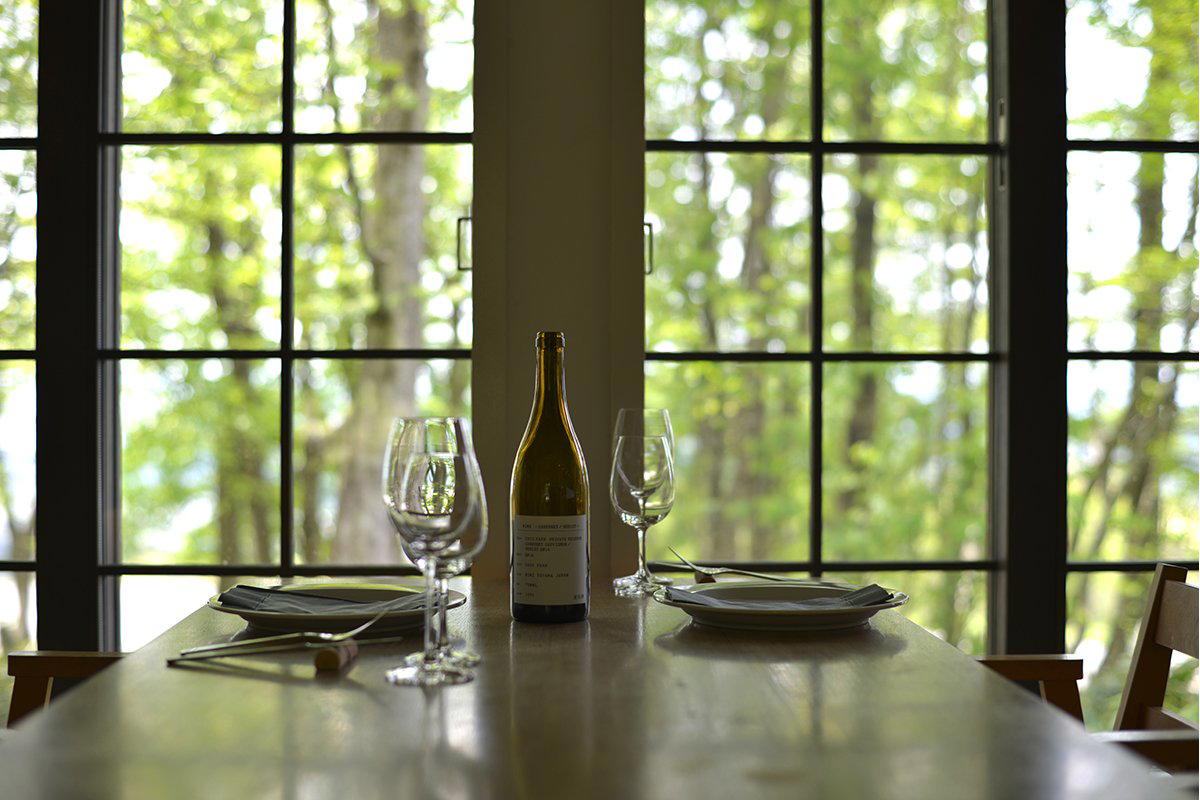
At a Glance
- Elegant
- Intimate
- Sophisticated
- Special Occasion
- Date Night
- Historic Building
- Sake Program
- Local Sourcing
Softly lit traditional wooden interiors create a serene, refined atmosphere well-suited for contemplative multi-course meals.
Know Before You Go
- Getting there
- 3 Chome-10-27 Hondamachi, Kanazawa, Ishikawa 920-0964, Japan