Our verdict
Hokkaido's Culinary Discipline at the Basement Level The basement level of a building on Minami 1-jo Nishi in Sapporo's Chuo Ward is not where you expect to find Japanese cuisine expressed with the kind of precision that defines the city's upper...

Pearl is the En Primeur Club membership app — saves, bookings, and concierge access live there. Same editors, same standards.
- Address
- Japan, 〒064-0801 Hokkaido, Sapporo, Chuo Ward, Minami 1 Jonishi, 22 Chome−2−15 シーズンビル B1F
- Phone
- +81112138518
- Website
- nihonryouri-ruka.net
- Directions
- Get directions
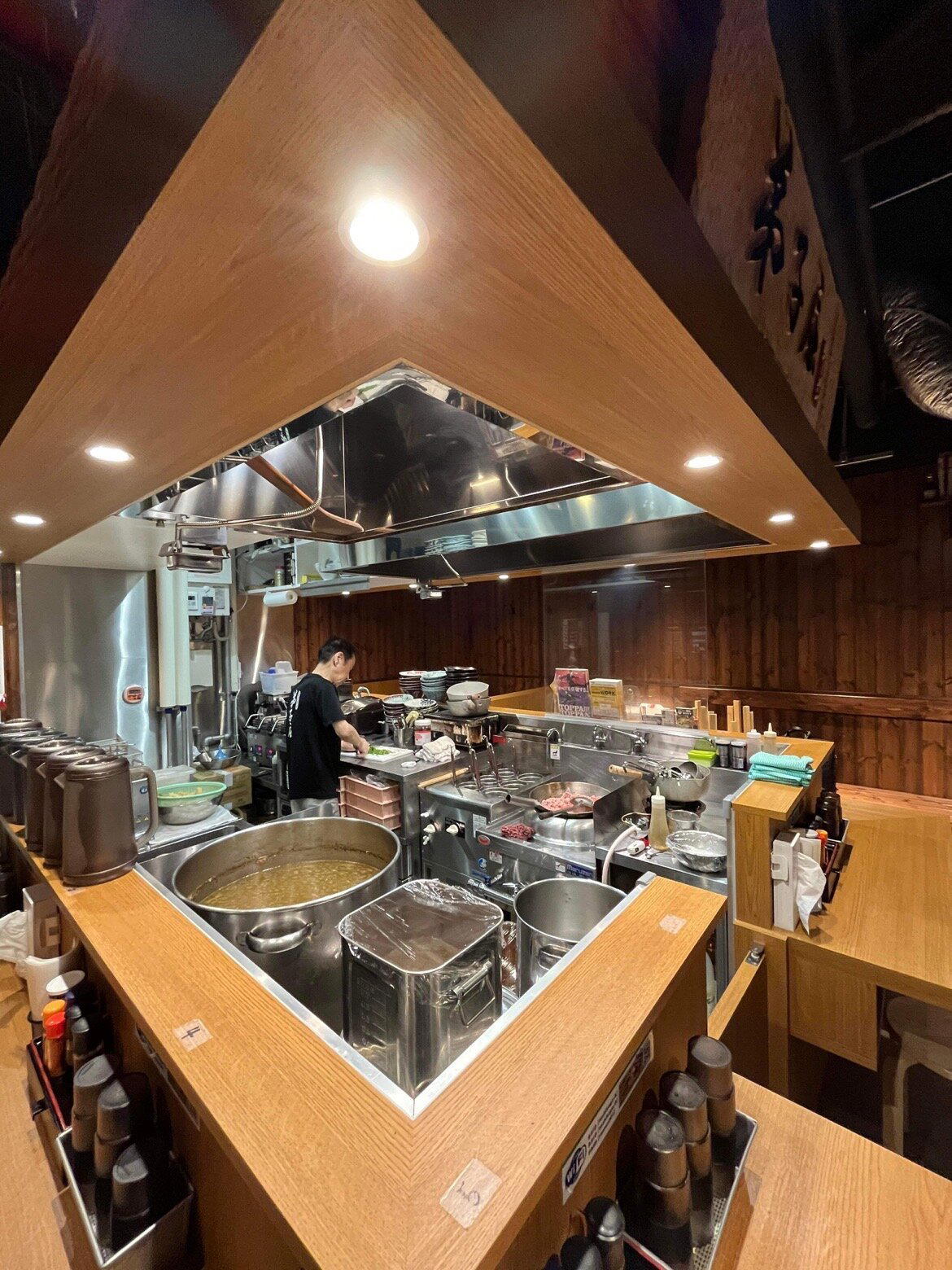
Hokkaido's Culinary Discipline at the Basement Level
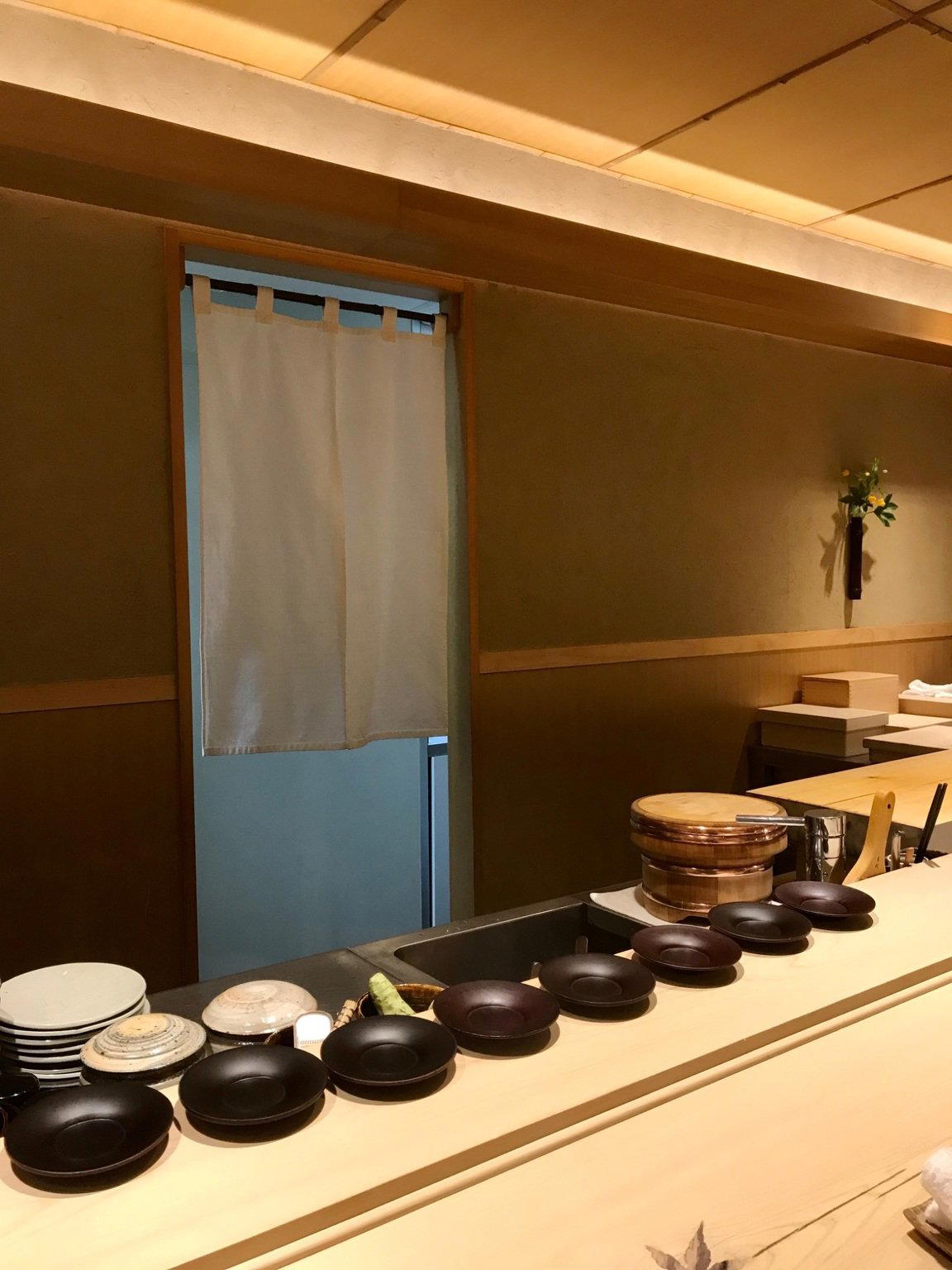
The basement level of a building on Minami 1-jo Nishi in Sapporo's Chuo Ward is not where you expect to find Japanese cuisine expressed with the kind of precision that defines the city's upper tier. Yet that subterranean register — quiet, removed from street noise, compressed in scale — is precisely the environment in which formal Japanese dining has long found its footing in Sapporo. 日本料理 潤白 occupies that space in Season Noble B1F, a setting that frames the meal before the first course arrives.
Sapporo's serious Japanese dining scene has developed its own character, shaped by the prefecture's agricultural wealth and the particular discipline that Hokkaido's seasonal calendar enforces on chefs who work here. Where Tokyo kaiseki kitchens can rely on supply chains reaching in every direction, Sapporo kitchens are more tightly bound to what the island produces, crab from the Sea of Okhotsk, sea urchin from the Shakotan Peninsula, vegetables from the Tokachi plains. That constraint, paradoxically, produces focus. Restaurants in this register don't range widely; they go deep.
Japanese Cuisine in Its Cultural Register
Japanese ryori, the word itself simply means "cooking," though in formal contexts it signals a whole grammar of service, sourcing, and presentation, operates across a wider spectrum in Sapporo than the Michelin guide has historically captured. The city's dining culture sits between two poles: the internationally recognised precision of counters like Arima (Sushi) and the quiet, unheralded rooms where technique is maintained without external validation. 日本料理 潤白 fits within the broader tradition of formal Japanese dining that prizes restraint and material quality over spectacle.
The kaiseki tradition, seasonal, sequential, built around the harmony of vessel, ingredient, and timing, has deep roots in Sapporo's more serious dining rooms. Hanakoji Sawada (Kaiseki) represents one articulation of that tradition; the spectrum extends to rooms like 潤白, where the formal structure of Japanese cuisine is maintained at basement level, away from the visibility of street-facing premises. Nationally, this structure is well-documented at counters like Gion Sasaki in Kyoto, where the kaiseki form carries centuries of Kansai precedent, and at HAJIME in Osaka, where Japanese technique is expressed through a contemporary European lens. 潤白's Sapporo address places it in a northern tradition that draws on different source material but maintains the same underlying discipline.
Sapporo's Place in Japan's Dining Hierarchy
For international visitors, Sapporo is typically approached as a food city in the colloquial sense: ramen, crab, seafood bowls, dairy-rich confections. That reading is not wrong, but it understates the formal dining tier that operates quietly alongside the city's more accessible food culture. The gap between a bowl of Sapporo-style ramen and a counter offering structured Japanese cuisine is as wide here as in any major Japanese city, and the upper tier is proportionally smaller. That compression means venues in the formal register carry a different weight, there is less redundancy, and individual rooms matter more to the overall character of the city's serious dining offering.
Peer venues in Sapporo's formal Japanese bracket include Hidetaka and Higebozu, along with aki nagao, each occupying distinct positions in how they interpret Hokkaido's larder. The comparison extends beyond Sapporo: rooms like Goh in Fukuoka show how regional Japanese cities sustain formal dining outside Tokyo, while affetto akita in Akita and Ajidocoro in Yubari District illustrate the range of approaches that provincial Japanese dining rooms take when working with local materials. Internationally, the discipline of formal Japanese cuisine finds parallels in precision-led rooms like Le Bernardin in New York City, where material quality and technical control define the offer rather than theatrical presentation.
The Chuo Ward Address and What It Signals
Sapporo's Chuo Ward concentrates the city's more serious dining rooms within a walkable corridor. The address on Minami 1-jo Nishi, 22-chome, places 潤白 at the western end of that corridor, in a part of Chuo Ward where the dining density thins and rooms operate with less foot-traffic visibility. Basement positioning in Japanese dining rooms carries specific associations: it signals deliberate insulation from casual walk-in traffic, a compression of acoustic environment, and a choice to let the room fill by reservation rather than proximity to a busy street. It is a format choice as much as a real estate one, and it shapes the dining experience before the meal begins.
For visitors planning a broader Hokkaido itinerary, the Chuo Ward address is accessible from Sapporo's central subway network. Those building a multi-city Japan itinerary that includes formal dining should also consider rooms like akordu in Nara, Abon in Ashiya, and Akakichi in Imabari for a picture of how regional Japanese dining operates outside the major metropolitan centres. Harutaka in Tokyo and Aji Arai in Oita round out the comparative picture for diners building a considered Japan dining itinerary. Our full Sapporo restaurants guide maps the city's dining tier in more detail.
Planning a Visit
For formal Japanese dining rooms in this tier across Sapporo, reservations are the standard mode of access; walk-in availability at this register is uncommon. Dietary requirements are leading raised at the time of booking rather than on arrival, as structured Japanese meals are typically composed in advance. Seasonal timing matters in Hokkaido: the crab season running from autumn through winter and the sea urchin availability concentrated in summer months shape what formal dining rooms in Sapporo have access to at any given point in the calendar. Visiting in either of those windows narrows the gap between what the kitchen can source and what it produces at its most focused.
Frequently asked questions
Where do I go for 日本料理 潤花?
日本料理 潤花 is located at Japan, 〒064-0801 Hokkaido, Sapporo, Chuo Ward, Minami 1 Jonishi, 22 Chome−2−15 シーズンビル B1F, Sapporo.
What dish is 日本料理 潤白 famous for?
No specific signature dish is published in available venue information for 日本料理 潤白. Given the formal Japanese ryori context and Sapporo's position as a city with exceptional access to Hokkaido seafood and dairy produce, the kitchen almost certainly draws on seasonal local sourcing — but specific menu details have not been disclosed. check the venue's official channels for current course content.
Can I walk in to 日本料理 潤花?
Reservations are recommended for 日本料理 潤花 in Sapporo. Confirm current policy via the venue's official channels.
What's the signature at 日本料理 潤花?
日本料理 潤花 is best approached by focusing on the core concept and signature offerings.
Can 日本料理 潤花 accommodate dietary restrictions?
Dietary accommodations can vary. Flag restrictions in advance via the venue's official channels.
Pricing, Compared
| Venue | Cuisine | Price | Awards |
|---|---|---|---|
| æ¥æ¬æç 潤è±This venue — the venue you are viewing | Traditional Japanese Kaiseki | Not listed | Not listed |
| Arima | Hokkaido Ezo-mae Omakase Sushi | $100–150 | Tabelog Bronze #26 |
| Hanakoji Sawada | Michelin-Starred Kaiseki | Not listed | Tabelog 100 #6 |
| Menya Saimi | Sapporo Miso Ramen | $1–10 | Tabelog 100 #36 |
| Nukumi | Contemporary Kaiseki | $150–200 | Tabelog Bronze #330 |
| Sushi Miyakawa | 3 Michelin-Star Edomae Sushi Omakase | $200–300 | Tabelog Silver #80 |
Continue exploring
More in Sapporo
Restaurants in Sapporo
Browse all →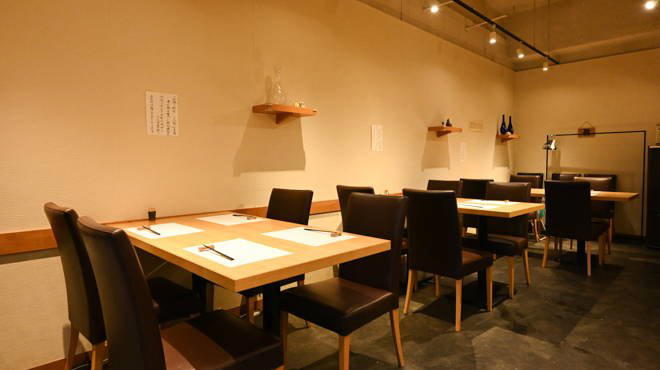
Details
- Elegant
- Sophisticated
- Intimate
- Special Occasion
- Date Night
- Local Sourcing
- Set Menu
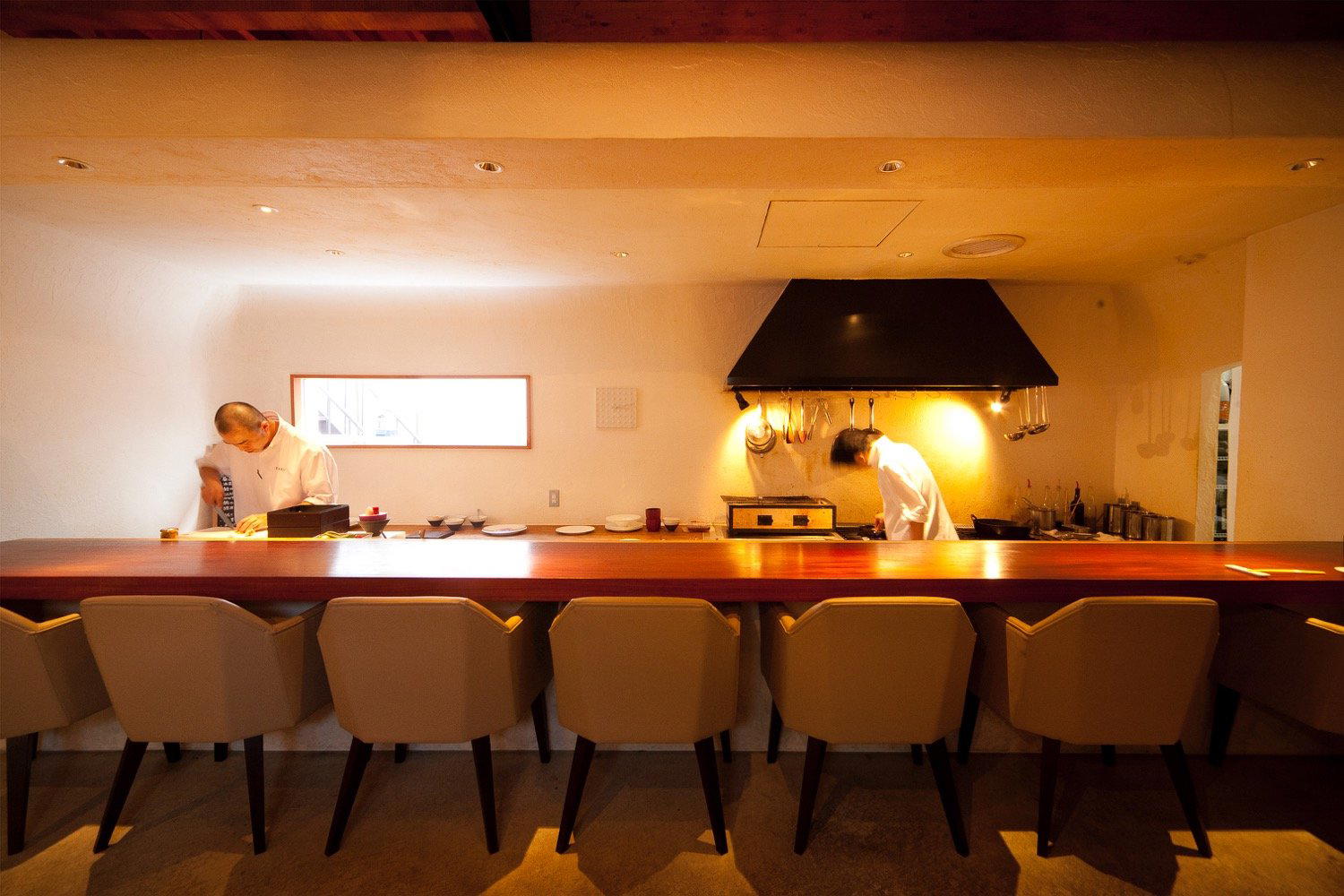
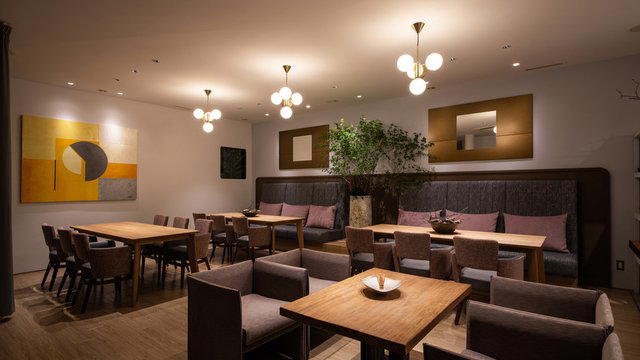
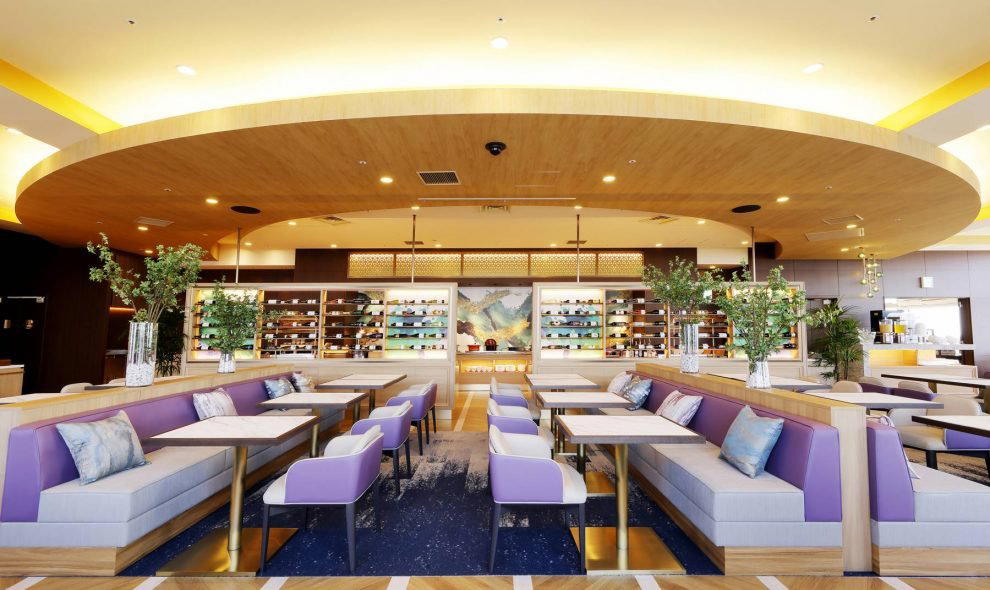
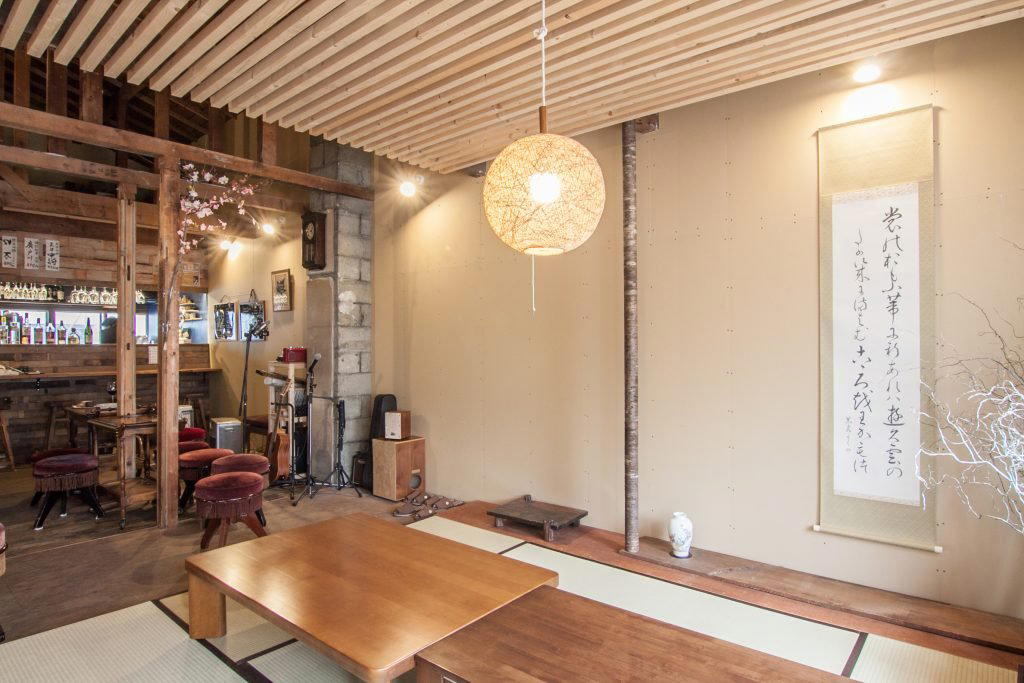
Refined and serene atmosphere with minimalist décor emphasizing the artistry of the cuisine and natural materials.