止宿 (Tomaryado) sits in Sapporo's Chuo Ward, operating from a low-key ground-floor space in Minami 9 Jonishi that reflects the quieter, residential register of the city's southern dining corridor. The venue's name, which carries connotations of rest and lodging, signals a pace of service distinct from the city's faster counter formats. Reservation intelligence and seasonal timing matter here more than walk-in access.
Pearl is the En Primeur Club membership app — saves, bookings, and concierge access live there. Same editors, same standards.
- Address
- Japan, 〒064-0809 Hokkaido, Sapporo, Chuo Ward, Minami 9 Jonishi, 4 Chome−5−12 カモカモビル 1F
- Phone
- +818032341700
- Website
- booking.teriyaki.me
- Directions
- Get directions
 Saves & bookings on Pearl
The Southern Edge of Sapporo's Dining Map
Sapporo's most-discussed dining addresses cluster around Susukino and the Odori corridor, where name recognition and foot traffic reinforce each other. The city's southern wards operate differently. Minami 9 Jonishi, the block where 止宿 occupies a ground-floor unit in a low-profile residential building, sits at a remove from that concentration, and that distance is itself a kind of editorial signal. In Sapporo, as in Osaka or Kyoto, the restaurants that operate farthest from the tourist grid tend to be those most confident that their guest will seek them out. 止宿 belongs to that register.
The name deserves a moment. 霜止出苗 carries older Japanese connotations of rest, lodging, and pausing, a guest house sensibility rather than a stage. In a city where counter formats at venues like Arima (Sushi) or Hanakoji Sawada (Kaiseki) place the chef's technique at the center of the evening, the nomenclature here suggests something oriented differently, toward the guest's stillness rather than the kitchen's performance. Whether that translates into a longer pacing, a quieter room design, or a particular approach to hospitality sequencing is something the physical experience would clarify, but the naming intent is legible on its own terms.
Chuo Ward's Residential Dining Corridor
Sapporo's Chuo Ward contains the city's widest range of dining registers, from the ramen shops around Susukino to the high-end kaiseki rooms that have steadily accumulated Michelin attention over the past decade. The southern stretch of the ward, around Minami 9, operates at lower density and lower visibility than the northern blocks. Buildings here are smaller, residential use is higher, and the commercial ground floors tend toward neighborhood-specific businesses rather than destination restaurants. A restaurant choosing this location is, in effect, opting out of the discovery economy that fuels foot-traffic-dependent venues.
That context matters because it shapes the likely guest profile. Venues in this part of Chuo Ward draw on a committed local clientele and on travelers who arrive with a specific address rather than a general intention to eat well. The comparison set is less about geographic proximity and more about intent: restaurants like Higebozu or Hidetaka also operate outside the main tourist sightlines, and their reputations circulate through word of mouth and specialist recommendation rather than walk-in discovery. 霜止出苗 appears to occupy a similar position on that social map.
The Team Dynamic in a Small-Format Sapporo Room
At the scale that a ground-floor unit in a residential building typically allows, the relationship between kitchen, floor, and guest becomes structurally intimate. There is no buffer of scale. The team dynamic that defines the experience is visible from any seat in the room, which means it is also where the evening's character is made or lost.
Japan's most cohesive small-format restaurants, from Gion Sasaki in Kyoto to HAJIME in Osaka, have demonstrated that the front-of-house function in a compact room requires as much precision as the kitchen work, because the guest's attention is undivided and the margin for pacing errors is narrow. At Lazy Bear in San Francisco and Le Bernardin in New York City, different formats have addressed the same challenge: how does a small, coordinated team sustain a coherent experience across an entire seated service without the cover provided by a large room's ambient noise and spatial separation?
In Sapporo's context, where Hokkaido's seasonal produce provides the kitchen with notable raw material, winter crab, spring mountain vegetables, autumn dairy from the island's farming districts, the floor team's role is also to carry the provenance narrative. The leading small-format venues in Japan use floor staff not just for sequencing and pacing, but as the editorial voice that contextualizes what arrives from the kitchen. That collaboration between chef and front-of-house is what separates a sequence of well-executed dishes from a coherent meal. Venues like aki nagao have built their reputations on exactly that integration.
Sapporo's Broader Fine Dining Moment
Hokkaido has attracted sustained Michelin attention since the guide's Hokkaido edition launched, and Sapporo's restaurants now compete with the island's wider culinary reputation rather than simply against each other. Formats that draw on Hokkaido's agricultural and maritime identity, the seafood counters, the kaiseki rooms using local vegetables and dairy, have been the primary beneficiaries of that attention. The city's dining map now includes enough credentialed addresses that a serious visitor would structure several days around it, rather than treating Sapporo as a single-meal stop en route to Niseko or Asahikawa.
Peer references from outside Hokkaido illuminate where the city sits regionally. Goh in Fukuoka, akordu in Nara, and affetto akita in Akita all represent the pattern of serious cooking anchored in regional identity outside Japan's three major metropolitan centers. Sapporo belongs to that cohort, and venues like Ajidocoro in Yubari District, Aji Arai in Oita, Abon in Ashiya, and Akakichi in Imabari show how broadly that regional-restaurant model has taken hold across Japan. 止宿, positioned in a quiet corner of Chuo Ward, reads as a local expression of the same wider pattern: cooking that draws authority from place rather than metropolitan positioning.
For a broader view of where 霜止出苗 fits within Sapporo's current restaurant scene, the city's guide maps key addresses by format, neighborhood, and occasion. Similarly, Harutaka in Tokyo offers a useful reference point for how a quiet, reservation-essential format operates at the summit of a major Japanese city's dining hierarchy.
Planning a Visit
The address, Minami 9 Jonishi, 4 Chome 5-12, Kuaruaru Biru 1F, Chuo Ward, Sapporo, places the venue in the southern residential section of the ward, accessible from central Sapporo by subway or taxi. Advance reservation is essential; walk-in availability is unlikely. Seasonal timing merits consideration: menus in small-format Sapporo restaurants tend to reflect Hokkaido's distinct seasonal shifts closely. Visiting in alignment with a seasonal peak rather than against it is one direct way to see the kitchen working with its strongest material.
Price and Recognition
Comparable venues nearby, for context on price, style, and recognition.
| Venue | Cuisine | Price | Notes |
|---|---|---|---|
| 霜止出苗This venue — the venue you are viewing | Chūō, Edomae Sushi Omakase | $$$ | Not listed |
| Sapporo Kanihonke (札幌かに本家 すすきの店) | Susukino, Hokkaido Crab Specialty | $$$ | Not listed |
| はなれ味重 | Chūō, Traditional Kaiseki | $$$ | Not listed |
| Omaru Shoten | Not listed | $$ | Chūō, Japanese BBQ (Yakiniku) |
| Sushi Dokoro Ichii | Chūō, Seasonal Hokkaido Sushi Counter | $$$ | Not listed |
| Gop no Anagura | Not listed | $$ | Nishi, Sapporo soup curry & spice-driven curry house |
Continue exploring
More in Sapporo
Restaurants in Sapporo
Browse all →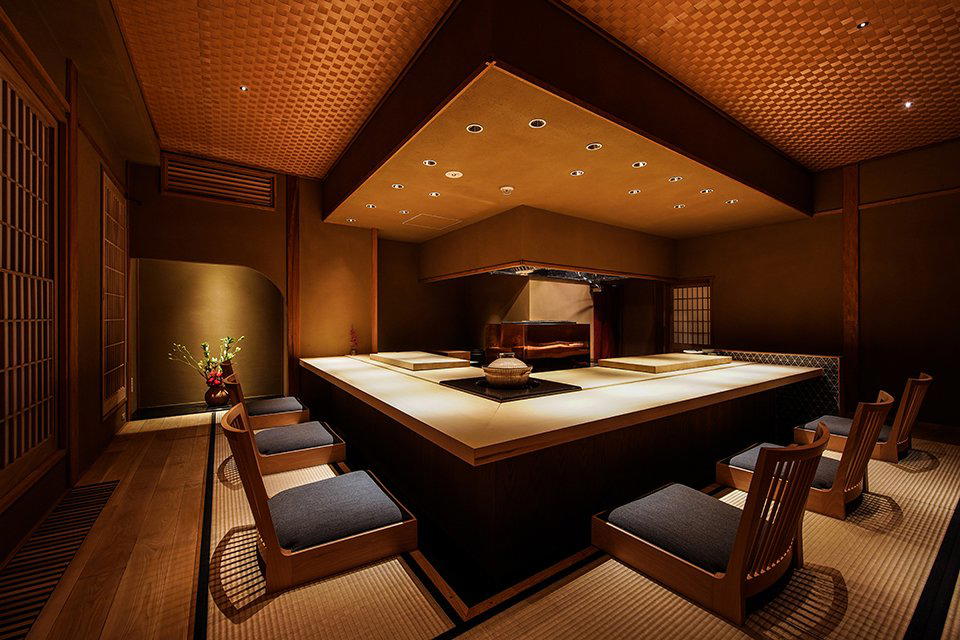

At a Glance
- Intimate
- Elegant
- Sophisticated
- Date Night
- Special Occasion
- Chefs Counter
- Sake Program
- Local Sourcing
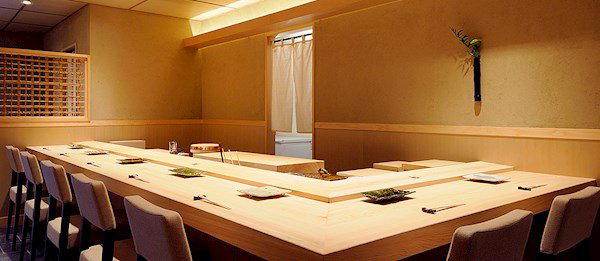
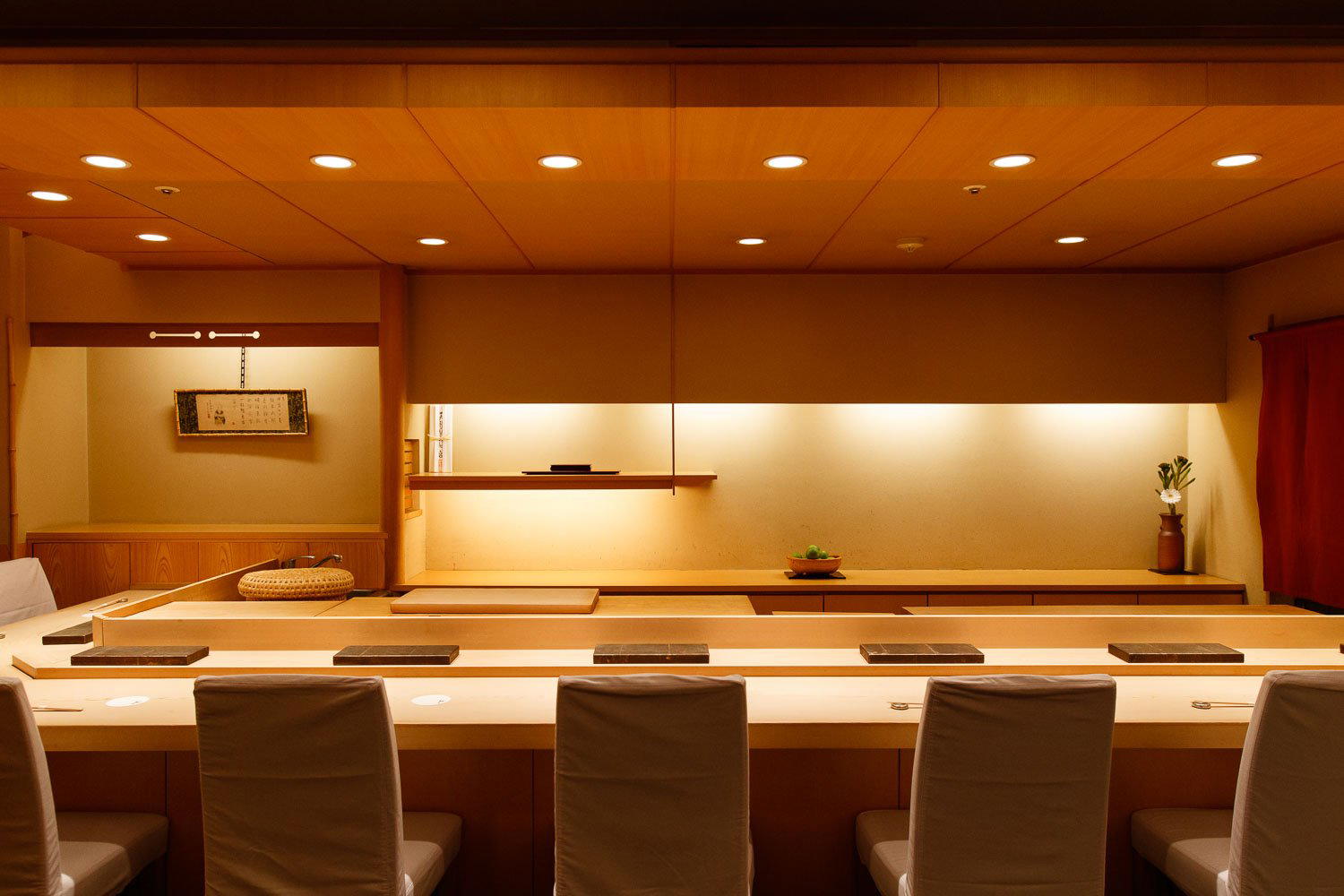
Dimly lit, serene counter seating with focused spotlighting on the sushi preparation, creating an intimate and reverent atmosphere.