
Tabelog 100 #45
Our verdict
Yakiniku Gurumans Ito sits in Sapporo's Chuo Ward, where Hokkaido's cattle-raising tradition meets the precision grill format that defines Japan's upper-tier yakiniku scene. The address places it within easy reach of Susukino's dining corridor, and the format follows the counter-and-grill model that prioritizes ingredient quality over table volume. For visitors working through Sapporo's serious dining circuit, it belongs on the same itinerary as the city's kaiseki and sushi counters.

Pearl is the En Primeur Club membership app, where members save venues, book tables and use the concierge.
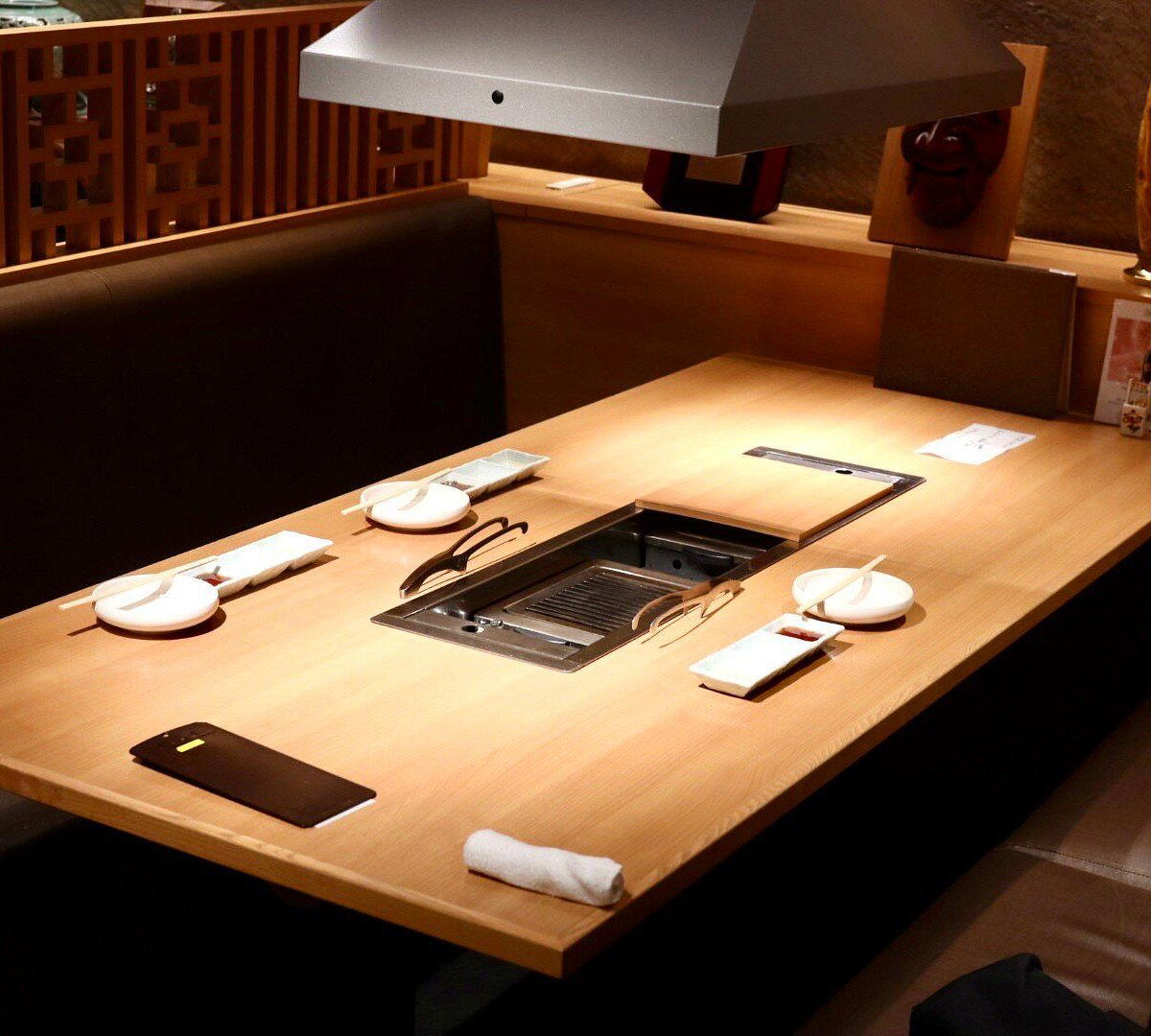
The menu
What to order
- Wagyu tongue
- Wagyu short ribs
- Ezo Mussels Kochori
Hokkaido Beef at the Grill: What Sapporo's Yakiniku Scene Actually Looks Like
Japan's yakiniku format has stratified sharply over the past decade. At the lower end, conveyor-style chains standardize the cut and compress the margin. At the upper end, a smaller tier of counter-focused restaurants works directly with specific farms, presents the beef in discrete sequences, and prices according to provenance rather than volume. Sapporo's yakiniku scene reflects that national split, and Yakiniku Gurumans Ito, positioned in Chuo Ward's Minami 3 Jo corridor, operates in the more deliberate register of that upper cohort.
The address matters more than it might first appear. Chuo Ward concentrates the city's serious dining, kaiseki counters like Hanakoji Sawada, sushi rooms like Arima, and the kind of precise omakase formats that have earned Sapporo consistent attention from national food media.
The Logic of Hokkaido Cattle in a Grill Format
What makes Hokkaido a credible source for premium yakiniku is structural, not promotional. The island's grazing land, cooler climate, and lower cattle density relative to Honshu's main production regions produce beef with distinct fat distribution and texture characteristics. Wagyu raised in Hokkaido tends toward a slightly firmer bite than some southern prefectures while retaining the marbling grades that define the premium category. For a grill format, that distinction matters: higher heat tolerance means more control at the table, and the cook-it-yourself dynamic of yakiniku rewards beef that behaves predictably under heat rather than collapsing immediately.
That regional specificity is part of what separates Sapporo's upper-tier yakiniku from comparable formats in Tokyo or Osaka, where the cattle sourcing is often drawn from the same Miyazaki or Kagoshima supply chains that feed the capital's restaurants. At a Sapporo counter, the argument for local provenance carries more geographic weight. Restaurants like Higebozu and Hidetaka have helped establish the expectation that Sapporo's serious dining venues anchor themselves to Hokkaido's agricultural identity, whether in seafood, dairy, or beef.
What to Expect From the Format
The yakiniku counter model, as distinct from the larger table-service yakimiku format, reduces seat count and increases the precision of service. Cuts arrive in a planned sequence rather than in the all-you-can-eat spread that characterizes mid-market competitors. The progression typically moves from lighter cuts toward richer ones, and a well-run operation will pace the grill changes to match. This sequencing logic places upper-tier yakiniku closer to the omakase tradition than to the barbecue hall model, even if the format remains fundamentally guest-driven in terms of cooking.
For visitors oriented to Sapporo through other restaurant categories, ramen counters, seafood-focused izakayas, or the kaiseki rooms that anchor the city's Michelin attention, yakiniku at this register provides a different but complementary entry point into Hokkaido's ingredient culture. The beef tells a different story than the crab or the uni, but it draws from the same geographic premise: Hokkaido's production environment as a source of distinction.
Drink Pairings and the Wine Question at Japanese Grill Counters
Yakiniku's traditional pairing is beer or highball, and that default remains sensible for mid-register cuts where the fat content and smoke from the grill would overwhelm most wines. At the upper tier, however, the conversation has shifted. Japan's domestic wine production, centered increasingly on Hokkaido and Yamanashi, has generated red wines, Muscat Bailey A, Zweigelt, and some Pinot Noir expressions, that work with grilled beef in ways that imported Bordeaux varieties often do not. The tannin structure in Hokkaido reds tends to be softer, which suits the fat profile of domestic wagyu better than the grip of a Napa Cabernet.
This is a broader trend in Japan's serious restaurant dining: sommeliers and drink programs are moving away from the assumption that European wine hierarchies map onto Japanese cuisine and ingredient profiles. Restaurants like Goh in Fukuoka and HAJIME in Osaka have demonstrated that domestic Japanese wine, when curated with precision, can carry serious dining rooms. The same logic applies at a Sapporo yakiniku counter: a short list that includes Hokkaido-produced red alongside the expected beer and whisky selection signals that the operation is thinking about the full experience, not just the meat.
For guests with a particular interest in Japanese wine alongside grilled beef, it is worth confirming with the restaurant whether a drink list is available, as programs at this level vary considerably by season and supplier allocation. The pattern across Japan's more deliberate grill operations is toward at least a brief sake and domestic wine selection presented alongside the standard highball option.
Placing This on a Sapporo Itinerary
Sapporo's dining circuit is geographically compact. Most of the city's serious counters sit within Chuo Ward, making it practical to sequence a multi-day itinerary without significant travel between meals. The Minami 3 Jo address puts Yakiniku Gurumans Ito within the same walkable zone as the sushi and kaiseki rooms that define the city's top tier. An evening here pairs logically with a kaiseki lunch or a seafood-focused afternoon, given the complementary ingredient registers.
For context on what Sapporo's dining identity looks like across categories, our full Sapporo restaurants guide maps the city's counters by cuisine type and price tier. Visitors with broader Japan itineraries might also cross-reference against comparable precision grill and beef-focused formats in other cities: Harutaka in Tokyo and Gion Sasaki in Kyoto offer useful benchmarks for what Japanese counters look like at the highest tier of execution, even if the cuisine categories differ. Further afield, akordu in Nara and aki nagao in Sapporo itself represent how regional ingredient pride translates into different formats and service registers.
Booking logistics for upper-tier yakiniku in Sapporo generally follow the same pattern as the city's sushi counters: phone or in-person reservation preferred, with limited seat availability on weekend evenings. Given the counter format, parties of two are typically easiest to accommodate, and groups of four or more may find the scheduling tighter. Arriving without a reservation on a Friday or Saturday is a risk not worth taking at this level of the market.
Frequently asked questions
Where is Yakiniku Gurumans Ito in Sapporo?
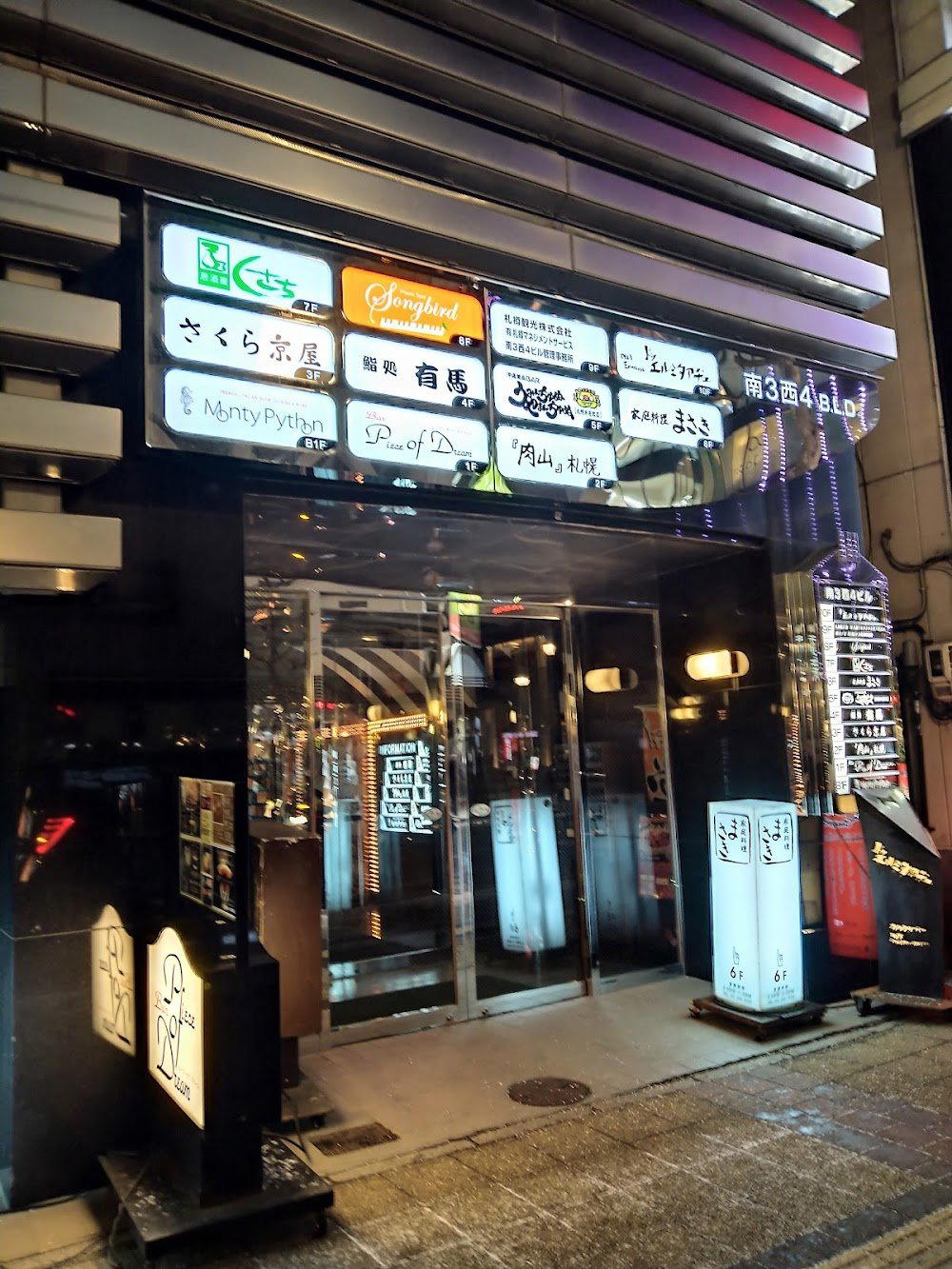
Yakiniku Gurumans Ito is located at Japan, 〒060-0063 Hokkaido, Sapporo, Chuo Ward, Minami 3 Jonishi, 3 Chome−8 å 美ビル 1F, Sapporo.
How does Yakiniku Gurumans Ito fit into a broader Sapporo dining itinerary?
Located at Minami 3 Jonishi in Chuo Ward, Yakiniku Gurumans Ito is positioned within the same compact radius as the majority of Sapporo's counter dining addresses. That geography makes it practical to combine with a kaiseki or sushi counter earlier in the evening, with yakiniku serving as the more tactile, grill-focused contrast. Chuo Ward's walkability is one of Sapporo's genuine logistical strengths for multi-venue nights.
What's the best thing to order at Yakiniku Gurumans Ito?
Yakiniku Gurumans Ito sits in Sapporo's Chuo Ward, where access to Hokkaido cattle makes the premium beef cuts the logical focus. In the yakiniku counter format, the highest-value cuts, tongue, short rib, and loin, are typically where the kitchen demonstrates its sourcing. Given Hokkaido's structural advantages in cattle rearing, the marbled loin cuts are the benchmark by which most serious visitors judge the kitchen's procurement.
Is Yakiniku Gurumans Ito reservation-only?
Counter-format yakiniku venues in Sapporo's Chuo Ward typically run with limited seats, and weekend demand for quality grill counters in this part of the city is consistent enough that booking ahead is the safer approach. Contacting the venue directly before visiting is advisable.
What makes Yakiniku Gurumans Ito worth seeking out?
The address in Sapporo's Chuo Ward places it inside the densest concentration of serious dining counters in the city, and the yakiniku counter model, smaller, more precise than the table-service format, reflects a higher standard of sourcing accountability. Hokkaido's cattle industry gives Sapporo grill counters a supply-chain advantage that most Japanese cities cannot replicate from equivalent proximity. Gurumans Ito sits within that framework.
Comparable Venues
Comparable venues nearby, for context on price, style, and recognition.
| Venue | Cuisine | Price | Awards | Notes |
|---|---|---|---|---|
| Yakiniku Gurumans ItoThis venue (the venue you are viewing) | Yakiniku (Japanese BBQ) | $50–100 | Tabelog 100 #45 | Not listed |
| Kin Zushi | Traditional Sapporo Sushi Counter | $50–100 | Tabelog 100 #12 | Chūō |
| 日本料理 潤花 | Traditional Japanese Kaiseki | Not listed | Not listed | Chūō |
| アグリスケープ | Farm-to-Table Creative Cuisine | $100–150 | Tabelog 100 #22 · We're Smart World 3 Radishes | Nishi |
| Sushi Saikou | Hokkaido Omakase | $50–100 | Not listed | Chūō |
| Shinohei | Reservation-only Wagyu Shabu-shabu | $50–100 | Tabelog 100 #63 | Chūō |
Recognition history
Dated appearances from independent guides and award organizations, with the underlying list record or original source where available.
Tabelog 100 #45 · No. 45
Tabelog · Tabelog 100 - Yakiniku - EAST - 2025
Continue exploring
More in Sapporo
Restaurants in Sapporo
All restaurants in Sapporo →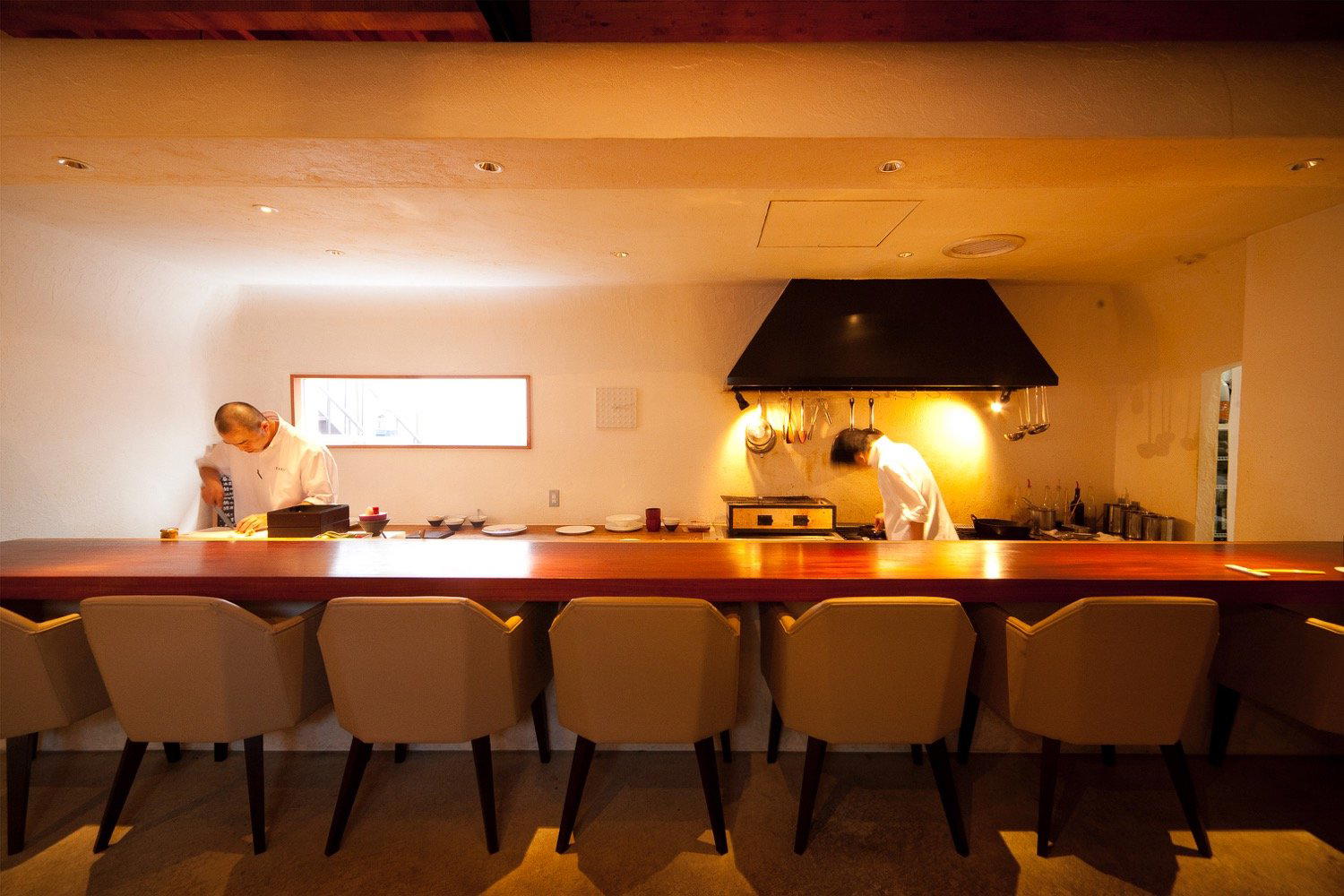
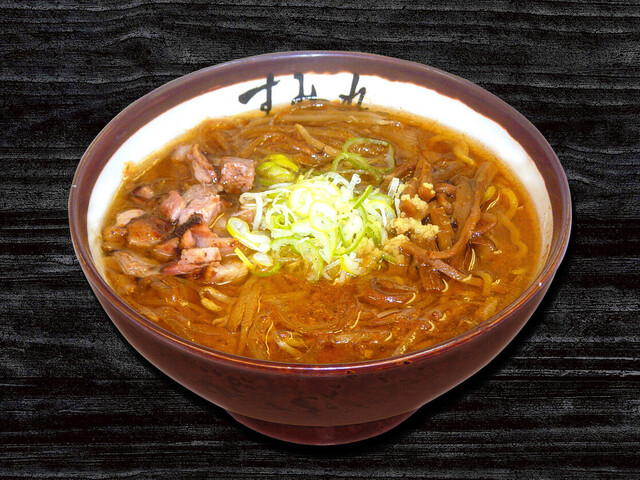
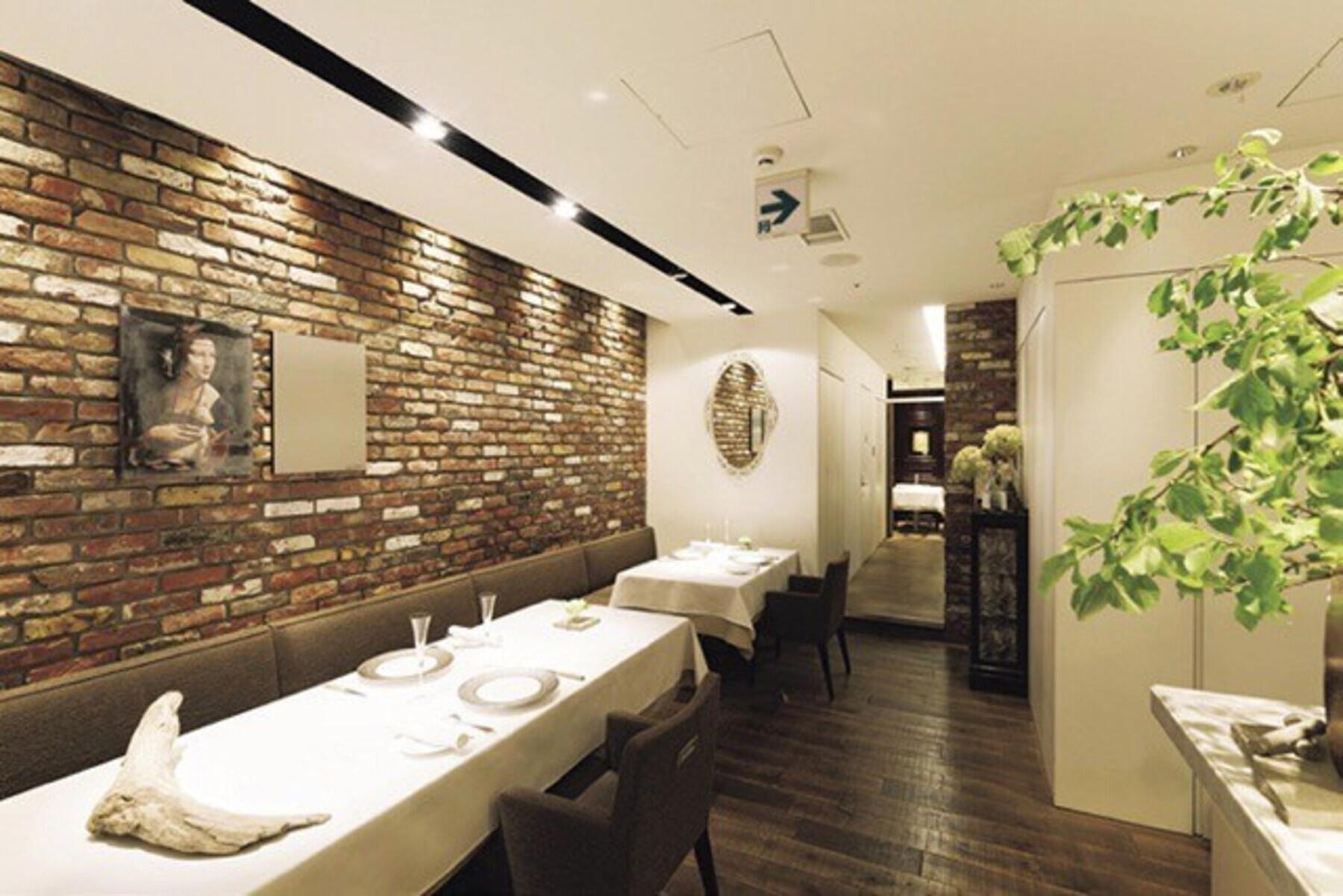
Bars in Sapporo
All bars in Sapporo →
Details
- Lively
- Trendy
- Group Dining
- Late Night
- Casual Hangout
- Sake Program
- A La Carte
Current opening hours
- Monday
- 5 PM–3 AM
- Tuesday
- 5 PM–3 AM
- Wednesday
- Closed
- Thursday
- 5 PM–3 AM
- Friday
- 5 PM–3 AM
- Saturday
- 5 PM–3 AM
- Sunday
- 5 PM–12 AM
Hours can change for holidays and private events. Hours as of .
Energetic atmosphere with late-night service in the bustling Susukino district.