
A nine-seat Edo-style counter in Sapporo's Maruyama district, Sushi Sohei holds a Tabelog Award 2026 Bronze and a place on the Tabelog Sushi EAST 100 list for 2025. Opened in July 2022, it operates on a reservation-only basis at JPY 30,000 to 39,999 per head, with a sake program curated to match Hokkaido's cold-water fish supply.
Pearl is the En Primeur Club membership app — saves, bookings, and concierge access live there. Same editors, same standards.
- Address
- Japan, 〒064-0802 Hokkaido, Sapporo, Chuo Ward, Minami 2 Jonishi, 28 Chome−1−10 エビスビル 1階
- Phone
- +81 11-215-7757
- Website
- sushi-sohei.com
- Directions
- Get directions
 Saves & bookings on Pearl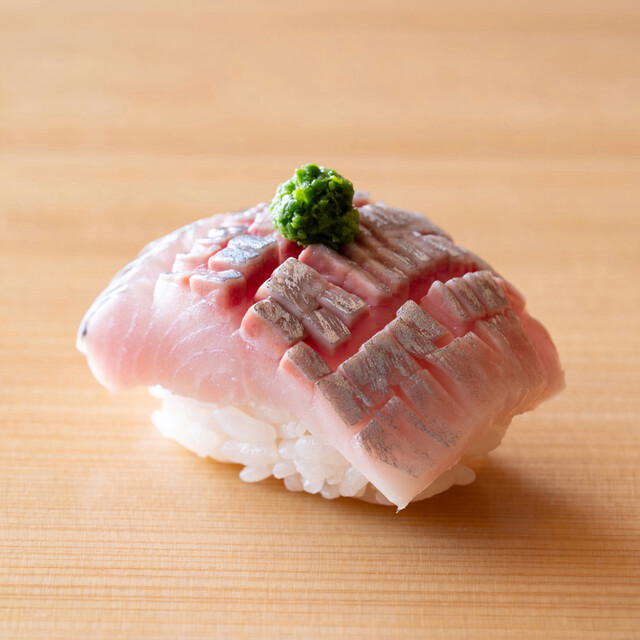
Hokkaido's Sushi Counter Scene and Where Sohei Sits
Sapporo has built a credible case as one of Japan's most serious sushi cities, and not simply by proximity to Hokkaido's fishing grounds. The concentration of high-end omakase counters in the Maruyama and Susukino districts has grown steadily since the late 2010s, drawing comparisons with Ginza's upper-tier counter culture, even if at a different scale. What distinguishes the Sapporo scene is the integration of cold-water Hokkaido ingredients, sea urchin from Rishiri, king crab from the Okhotsk Sea, salmon from the Ishikari River watershed, into a framework that, at houses like Sushi Sohei, is rooted firmly in Edo-mae technique. That pairing of local ingredient sourcing with Tokyo-lineage craftsmanship defines Sapporo's premium sushi tier, and it's the tension that makes the city worth paying attention to.
Sushi Sohei opened on 13 July 2022 in the Ebisu Building on Minami 2-jo Nishi, a five-minute walk from Maruyama Koen Station on the Tozai Subway Line. It has.
The Counter, the Format, and the Atmosphere
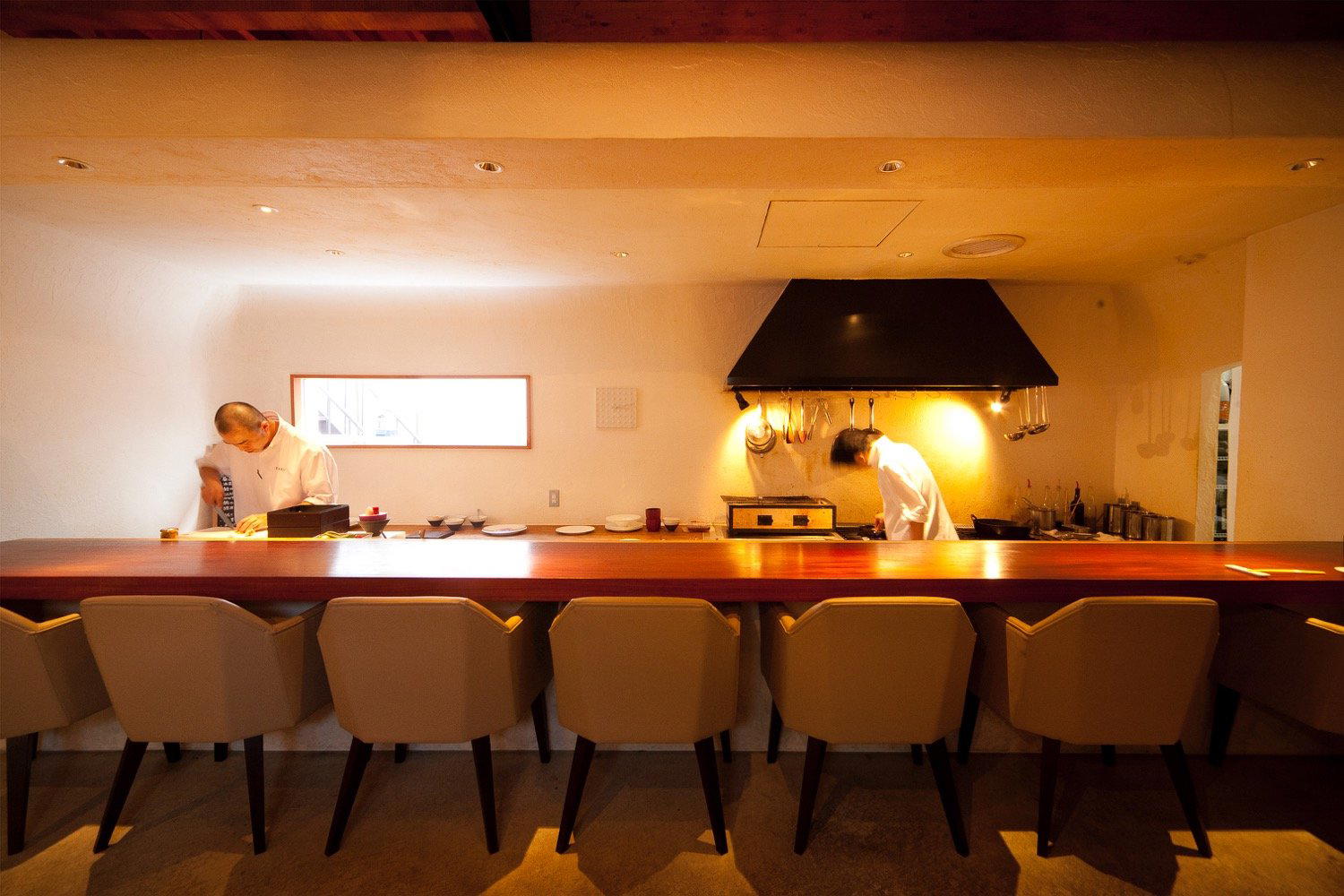
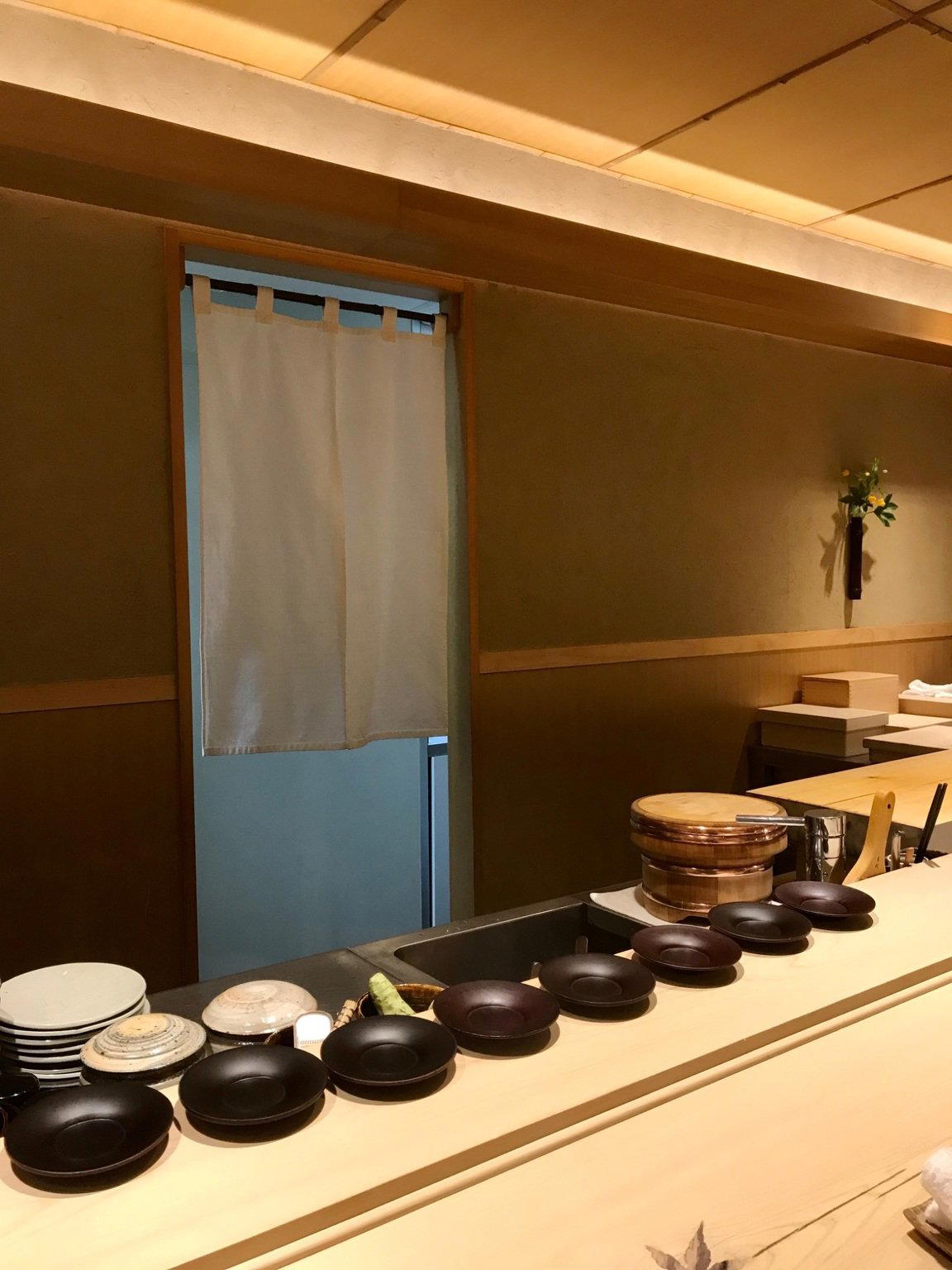
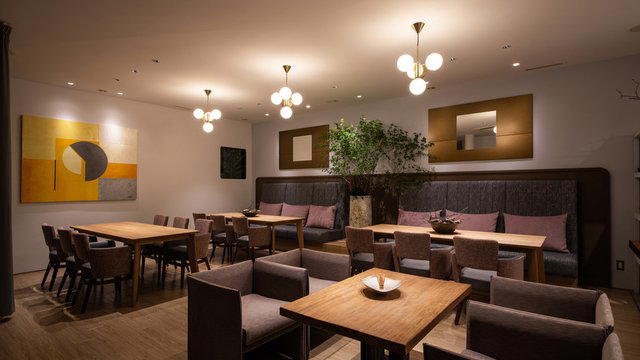
The room holds nine seats, all at the counter. That configuration is not incidental: the nine-seat omakase counter is the structural unit around which Japan's high-end sushi culture organises itself, and it demands a specific kind of attention from both sides of the hinoki wood. Guests at Sushi Sohei are in close proximity to the preparation, which means the rhythm of service, the temperature of the fish, and the pacing of the courses are all visible in real time. The space is described as a relaxing environment, which at this counter format typically means subdued lighting, controlled acoustics, and an absence of the theatrical flourishes that some newer counters use as compensation for inconsistent product. A no-perfume dress code is in place, a standard practice at serious sushi counters where fragrance interferes with the read on the fish.
The drink program is oriented around nihonshu, sake. In Hokkaido, sake pairing at this level tends to draw on the island's own breweries alongside curated selections from Niigata, Akita, and Yamagata, all prefectures whose cold-climate brewing aligns well with the clean, high-fat profiles of northern seafood. That specificity matters in a room where the fish is the main argument and the sake should support rather than override it.
Awards, Recognition, and What They Signal
Awards context here is worth reading carefully. Tabelog's scoring system aggregates reviews from a large user base and applies quality weighting that gives more influence to experienced, high-volume reviewers. A score of 4.12 in the sushi category, in a market as competitive as Hokkaido, places the restaurant in a narrow band.
For comparison, counters like Harutaka in Tokyo or Sushi Shikon in Hong Kong operate within the international fine-dining sushi circuit that attracts Michelin attention alongside Tabelog recognition. The restaurant is also part of a Sapporo peer group that includes Sushi Miyakawa, Sushi Tanabe, Sushisai Wakichi, and Takuzushi, a cohort that has collectively raised the floor for omakase dining in Hokkaido. Outside the sushi category, Sapporo's broader fine-dining scene also includes Arima, which illustrates how the city's high-end dining now spans multiple disciplines.
Sohei's speed of recognition, Tabelog 100 selection and a Bronze Award within three years of opening, is the kind of trajectory that, in Japan's restaurant culture, suggests the counter arrived with fully formed technique rather than developing it publicly. That is consistent with the profile of Sapporo's stronger new openings in recent years, which have generally come from chefs with established lineages rather than first-generation independents finding their footing.
Planning a Visit: Practical Information
The restaurant operates on a reservation-only basis with a tiered cancellation policy: 20 percent charged for cancellations made 10 days in advance, 50 percent at five days, and 100 percent within three days. That structure is standard among Japan's high-demand omakase counters and reflects how tightly the nine-seat format depends on confirmed covers. The dinner price range runs JPY 30,000 to JPY 39,999 per person by listed rate, though actual spend based on user reviews trends toward JPY 40,000 to JPY 49,999 when sake and additional items are included. Lunch is not offered. The counter runs two seatings on most evenings: the first at 18:00 on weekdays and 17:00 on weekends and public holidays, with a second seating at 20:30 and 19:30 respectively. The counter is closed on Wednesdays.
Sapporo's sushi season is worth calibrating. Winter and early spring tend to bring concentrated supply of the ingredients that define Hokkaido's cold-water identity, sea urchin quality peaks in summer from Rishiri, while winter crab supply from the Sea of Japan and Okhotsk Sea runs from November through March. Visitors planning specifically around Hokkaido ingredient seasonality should factor this into their timing. For high-end Japanese dining beyond Hokkaido, counters like Shoukouwa in Singapore and regional Japanese establishments including HAJIME in Osaka, Gion Sasaki in Kyoto, akordu in Nara, Goh in Fukuoka, and 1000 in Yokohama represent comparable tiers of ambition in their respective cities.
Peers Worth Knowing
Comparable venues nearby, for context on price, style, and recognition.
| Venue | Cuisine | Price | Notes |
|---|---|---|---|
| Sushi SoheiThis venue — the venue you are viewing | Edomae Omakase with Hokkaido Seafood | $$$$ | Not listed |
| Mieda | Modern Japanese Fine Dining | $$$$ | Chūō |
| 〇鮨 | Hokkaido Sushi Omakase | $$$$ | Chūō |
| Akatsuki | Traditional Edomae Sushi Omakase | $$$$ | Chūō |
| Sushisai Wakichi | Traditional Hokkaido Omakase | $$$$ | Chūō |
| Suyama | Kyoto Kaiseki | $$$$ | Kita |
Recognition history
Dated appearances from independent guides and award organizations, with the underlying list record or original source where available.
Tabelog Bronze #417
Tabelog
Tabelog 100 #3 · No. 3
Tabelog · Tabelog 100 - Sushi - EAST - 2025
Continue exploring
More in Sapporo
Restaurants in Sapporo
Browse all →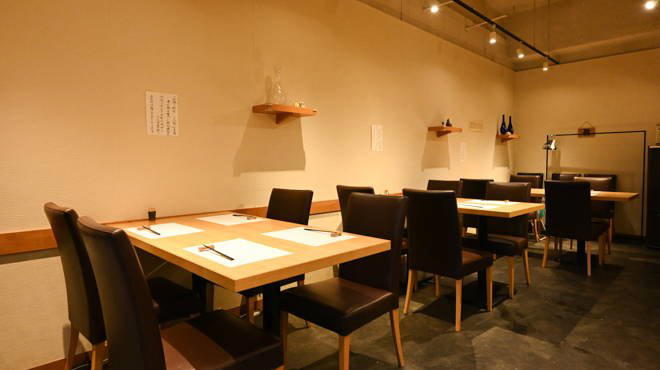
At a Glance
- Minimalist
- Intimate
- Elegant
- Quiet
- Special Occasion
- Date Night
- Chefs Counter
- Open Kitchen
- Sake Program
- Sommelier Led
- Local Sourcing
- Sustainable Seafood
Current opening hours
- Monday
- 6–11 PM
- Tuesday
- 6–11 PM
- Wednesday
- Closed
- Thursday
- 6–11 PM
- Friday
- 6–11 PM
- Saturday
- 5–10 PM
- Sunday
- 5–10 PM
Hours can change for holidays and private events. Last verified .
Minimalist modern Japanese interior with only a solid timber counter and wooden icebox, no background music or artwork; downlighting focuses on the chef's hands as he works, creating an energetic yet refined atmosphere.