
A four-seat basement counter in Sapporo's Chuo Ward, Sushinokura has held the Tabelog Bronze Award consecutively from 2023 through 2026 and appeared in the Tabelog Sushi EAST Top 100 in 2021, 2022, and 2025. Operating solely for dinner, reservation-only, with a Tabelog score of 4.16, it sits in the upper tier of Hokkaido's sushi scene at JPY 20,000 to 29,999 per head.
Pearl is the En Primeur Club membership app — saves, bookings, and concierge access live there. Same editors, same standards.
- Address
- 乙井ビル 地下1階, 4 Chome Minami 2 Jonishi, Chuo Ward, Sapporo, Hokkaido 060-0062, Japan
- Phone
- +81 80-3296-0202
- Website
- tabelog.com
- Directions
- Get directions
 Saves & bookings on Pearl
Four Seats, Basement Level, Full Attention
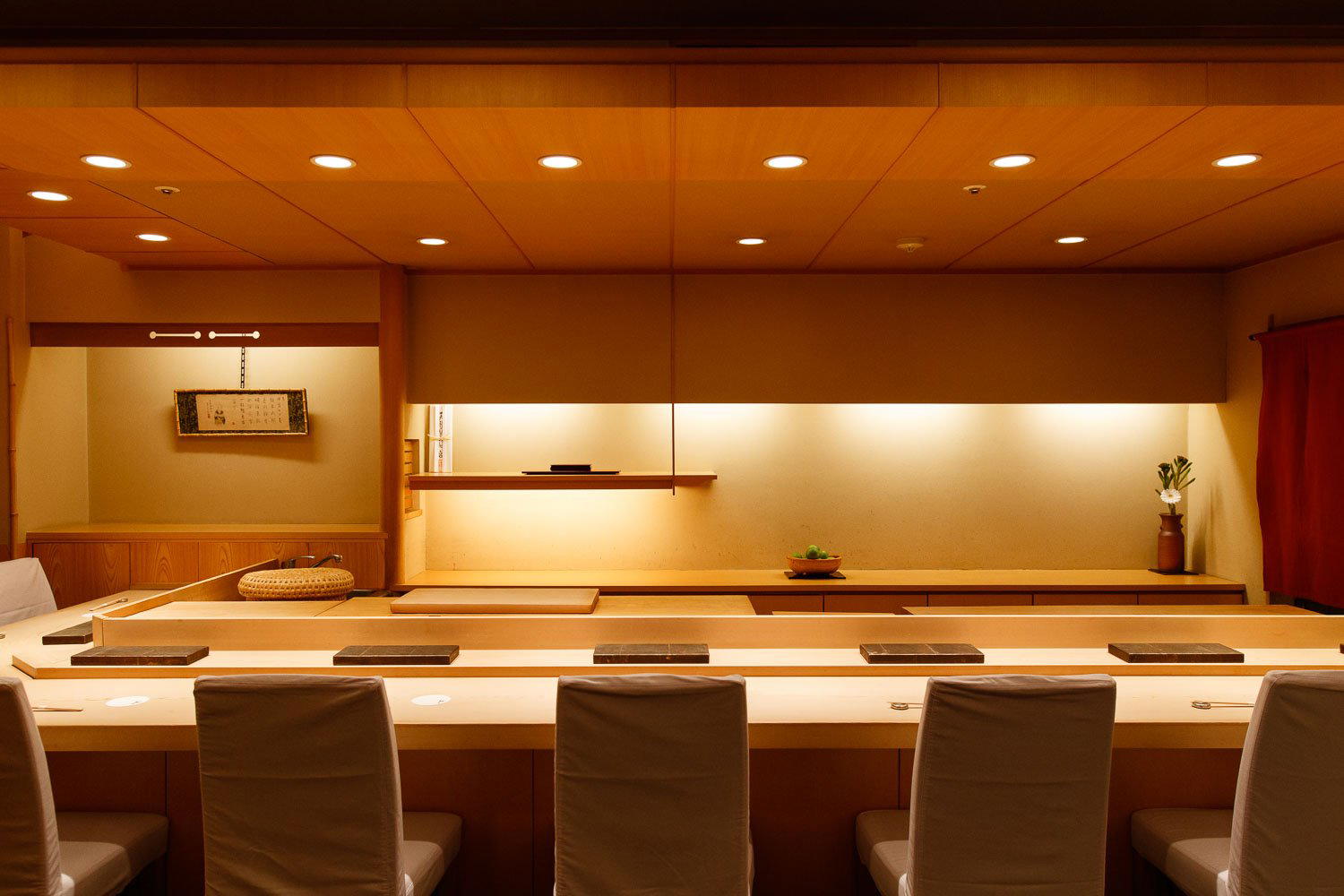
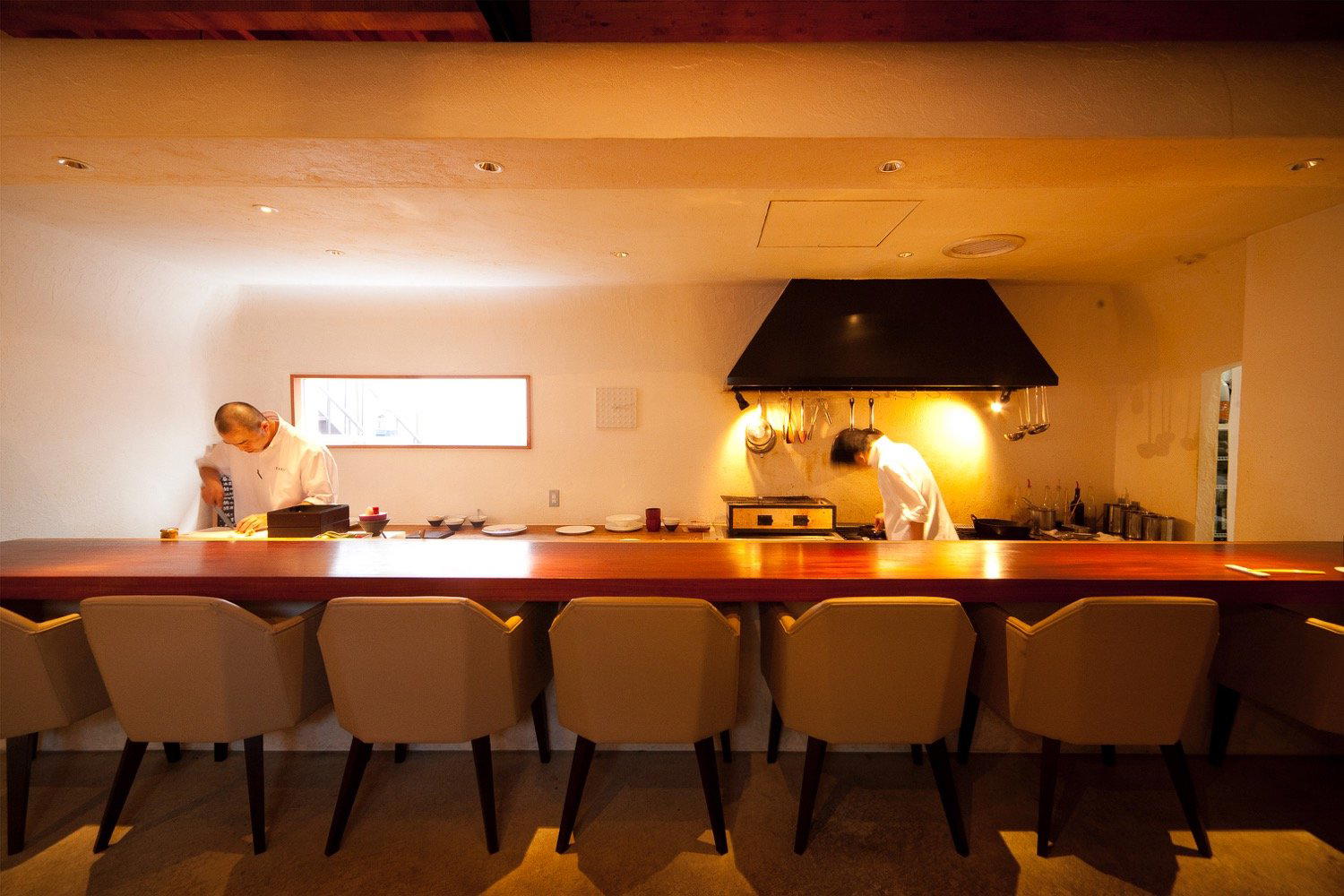
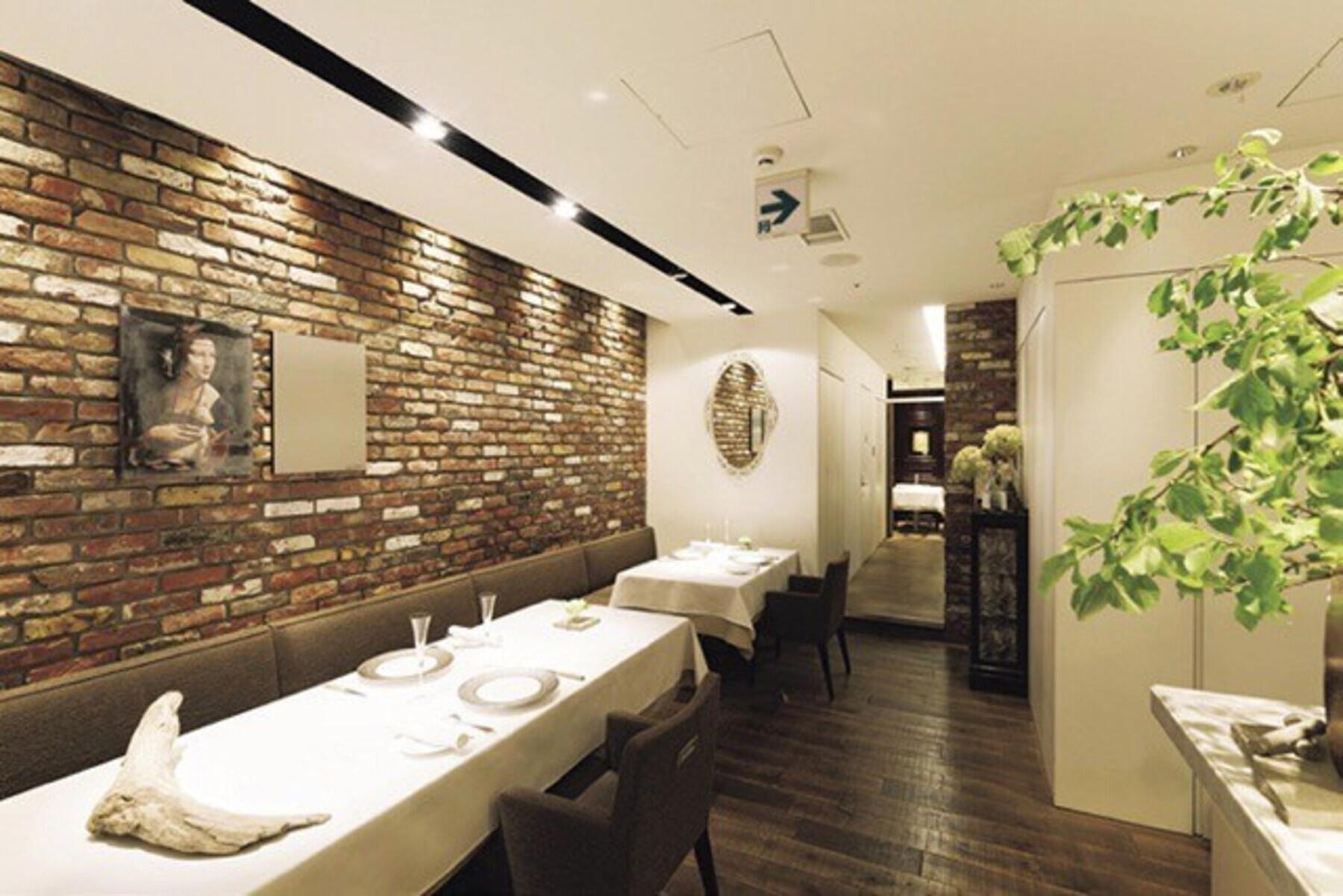
Beneath the Otoi Building on Minami 2-jo Nishi, a staircase descends to one of Sapporo's smallest serious counters. The format at Sushinokura is deliberate in its constraints: four seats, counter-only, no private rooms, no walk-ins, no credit cards. In a city where mid-range sushi restaurants tend toward spacious dining rooms and tableside service, this basement configuration places Sushinokura in a different category entirely, one where the physical compression of the space is a structural choice, not a limitation.
That format belongs to a broader pattern across Japan's recognised sushi scene. The smallest counters, operating at four to eight seats, create conditions for a different kind of meal: the chef manages every element without brigade support, the pacing is singular rather than staggered, and the distance between kitchen and guest collapses. Harutaka in Tokyo and similarly scaled counters elsewhere in Japan demonstrate that recognition at this format is earned through consistency over volume. Sushinokura's Tabelog record, Bronze Awards in each consecutive year from 2023 to 2026, and three separate selections for the Tabelog Sushi EAST Top 100 in 2021, 2022, and 2025, is a signal that the constraints here are being executed reliably.
The Ritual of the Counter Meal
In Japanese sushi at this price point, the meal is almost always a set sequence: no à la carte, no negotiation of course order, and a tempo controlled entirely by the chef. The counter format concentrates that dynamic further. With four guests maximum, there is no variance between tables, no concurrent timing to manage. Every piece arrives when the chef determines it should, and the guest's role is to receive it in that order.
At Sushinokura, service runs from 18:00, with a second seating at 20:30. The meal runs to approximately two and a half hours at the outside. Sake and wine are the drink options listed; the absence of cocktail programmes or elaborate beverage pairings is consistent with counters of this type, where nihonshu is positioned as the primary accompaniment. Cash is the only payment method accepted, which remains standard practice at a proportion of Japan's reservation-only counters, particularly those run by a single operator.
The solo operation matters to how the ritual functions. Reservations are handled through TERIYAKI Booking. That's not an inconvenience, it's an indication of how the meal is being built.
Sapporo's Sushi Positioning
Hokkaido's seafood supply is its primary competitive advantage in the national sushi conversation. The prefecture accounts for a disproportionate share of Japan's domestic seafood production, and Sapporo sits close enough to the coast to receive product at a quality level unavailable to counters in Tokyo or Osaka relying on the Toyosu market alone. That proximity shapes what counters like Sushinokura can present without the logistics overhead that southern-city sushi restaurants manage daily.
Within Sapporo's recognised sushi tier, Sushinokura occupies the formal, reservation-only, counter-omakase category alongside venues like Arima. The city's wider dining scene extends into kaiseki at Hanakoji Sawada, and across categories at aki nagao, Hidetaka, and Higebozu. Sushinokura's Tabelog score of 4.16 and its sustained appearance across multiple award cycles position it in the upper register of that sushi-specific tier, though it operates at a price point, JPY 20,000 to JPY 29,999 per dinner, that sits below the ceiling of what Sapporo's most expensive counters charge.
For comparison, the density of Tabelog-recognised counters in Sapporo's Chuo Ward, particularly around the Odori and Tanukikoji catchment, reflects a city that has developed genuine sushi infrastructure rather than one that relies on a single flagship. The 129-metre proximity to Tanukikoji puts Sushinokura within the concentrated dining precinct where several of the city's better-known restaurants operate, accessible on foot from Odori Station in approximately four minutes.
What Four Consecutive Bronze Awards Signal
The Tabelog Award system distributes Bronze to restaurants ranked in the upper-tier bracket of Tabelog's peer-reviewed scoring, with Gold, Silver, and Bronze assigned hierarchically. Bronze across four consecutive years, 2023, 2024, 2025, 2026, is not a streak that accumulates automatically. It reflects sustained review volume and consistent scoring above the threshold Tabelog applies to that tier. The 2026 ranking places Sushinokura at position 431 nationally among Tabelog Bronze recipients, within Tabelog's broader pool of reviewed restaurants.
The Tabelog Sushi EAST Top 100 selection, which appeared in 2021, 2022, and again in 2025, functions as a separate signal: it narrows the field to the top 100 sushi restaurants across eastern Japan by peer review. Appearing three times across a five-year window, with a gap year in 2023 and 2024 before returning in 2025, suggests continued positioning at the upper edge of that regional cohort rather than a single strong year. Comparable recognition patterns appear at other small-format counters across Japan: Goh in Fukuoka and 1000 in Yokohama both demonstrate how regional counters can hold sustained review platform recognition without the Michelin infrastructure that defines Tokyo's upper tier.
For international diners accustomed to referencing Michelin as the primary signal, as they might when booking HAJIME in Osaka or Gion Sasaki in Kyoto, Tabelog's peer-review infrastructure is the more relevant reference point in cities where Michelin coverage is limited or absent. Tabelog scores and awards function as the primary critical infrastructure for navigating the city's restaurant scene at a granular level.
Planning the Visit
Sushinokura operates Monday through Saturday, 18:00 to 23:00. It is closed Sundays and public holidays. The venue seats four and accepts reservations exclusively through TERIYAKI Booking; walk-in access is not available. Cash payment is required, no credit cards, electronic money, or QR code payments are accepted, so arriving prepared with yen is not optional. The basement entrance off Minami 2-jo Nishi 4-chome is a short walk from Odori Station (Namboku, Tozai, and Toho lines) or approximately three minutes from the Nishi 4-chome streetcar stop.
Children are not admitted, and the venue does not offer private rooms, though it is available for full private hire given the four-seat capacity. For international reference points on counter-format sushi recognition, Atomix in New York City and Le Bernardin in New York City offer a useful frame for how tasting-format restaurants sustain recognition across years, the mechanisms differ, but the discipline required is comparable. Hokkaido's restaurant scene also extends to fine dining in adjacent formats: akordu in Nara illustrates how regional Japanese cities build serious dining identities outside the major metropolitan centres.
What It’s Closest To
Comparable venues nearby, for context on price, style, and recognition.
| Venue | Cuisine | Price | Notes |
|---|---|---|---|
| SushinokuraThis venue — the venue you are viewing | Modern Edomae Sushi Omakase | $$$ | Not listed |
| Shinohei | Reservation-only Wagyu Shabu-shabu | $$$ | Chūō |
| Sapporo Kanihonke (札幌かに本家 すすきの店) | Hokkaido Crab Specialty | $$$ | Susukino |
| Teppanyaki Urushi | Hokkaido Wagyu & Seafood Teppanyaki | $$$ | Chūō |
| 霜止出苗 | Edomae Sushi Omakase | $$$ | Chūō |
| Mieda | Modern Japanese Fine Dining | $$$$ | Chūō |
Recognition history
Dated appearances from independent guides and award organizations, with the underlying list record or original source where available.
Tabelog Bronze #431
Tabelog
Tabelog Bronze
Tabelog
Tabelog 100 #67 · No. 67
Tabelog · Tabelog 100 - Sushi - EAST - 2025
Continue exploring
More in Sapporo
Restaurants in Sapporo
Browse all →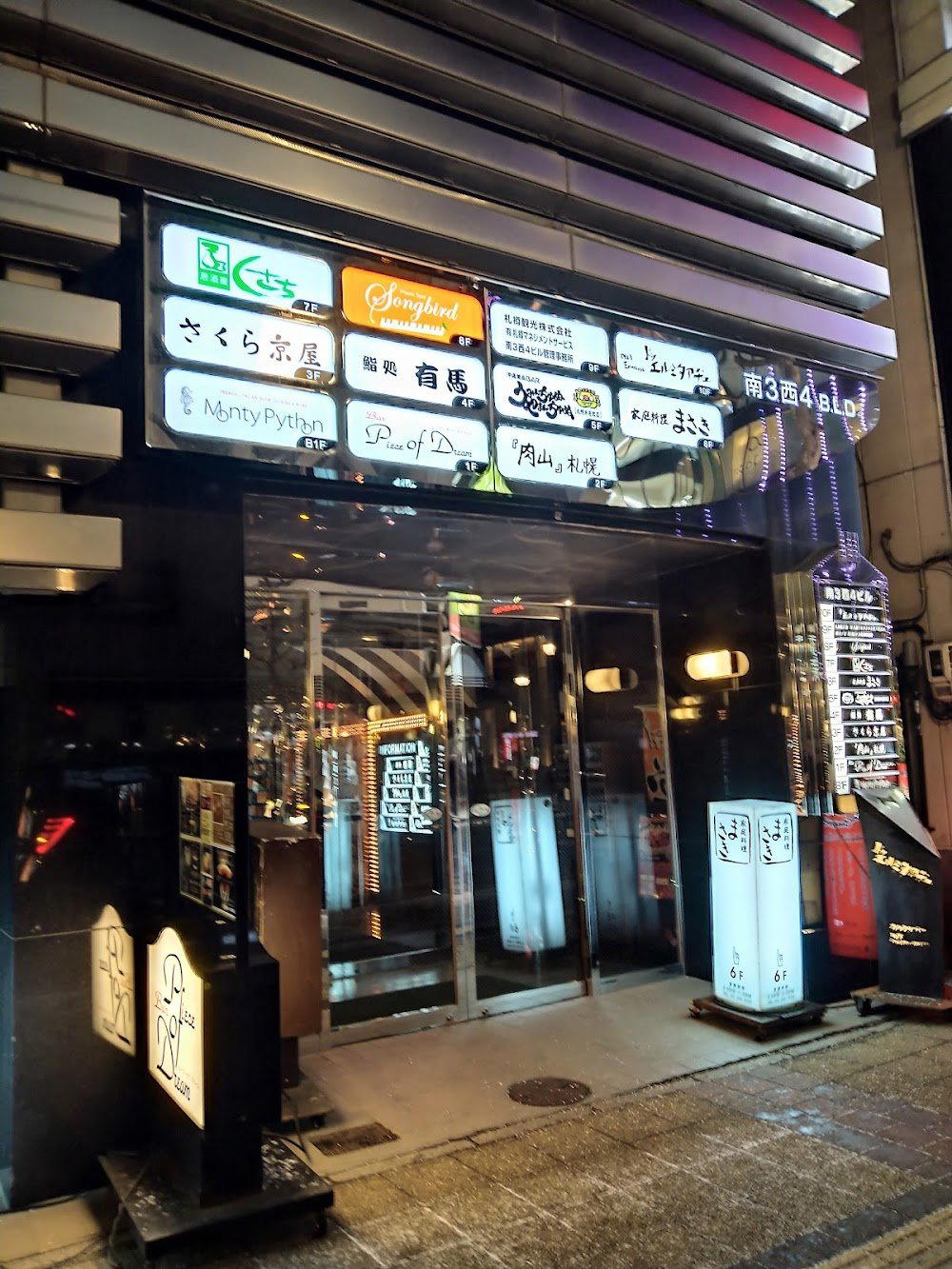
At a Glance
- Intimate
- Cozy
- Sophisticated
- Date Night
- Special Occasion
- Chefs Counter
- Sake Program
- Local Sourcing
Current opening hours
- Monday
- 6–11 PM
- Tuesday
- 6–11 PM
- Wednesday
- 6–11 PM
- Thursday
- 6–11 PM
- Friday
- 6–11 PM
- Saturday
- 6–11 PM
- Sunday
- Closed
Hours can change for holidays and private events. Last verified .
Cozy, relaxing hideout with warm counter seating and intimate atmosphere.