Our verdict
Located in Hiroshima's Naka Ward, this Sakaimachi address represents the quieter, less-mapped tier of the city's dining scene. With minimal public profile and no declared cuisine category, it operates in the register of places that earn their audience through word of mouth rather than awards cycles. Approach with curiosity and confirm details directly before visiting.

Pearl is the En Primeur Club membership app — saves, bookings, and concierge access live there. Same editors, same standards.
- Address
- 2 Chome-1-11 Sakaimachi, Naka Ward, Hiroshima, 730-0853, Japan
- Phone
- +81 82-961-6330
- Website
- instagram.com
- Directions
- Get directions
- Booking
- Book on the venue's website
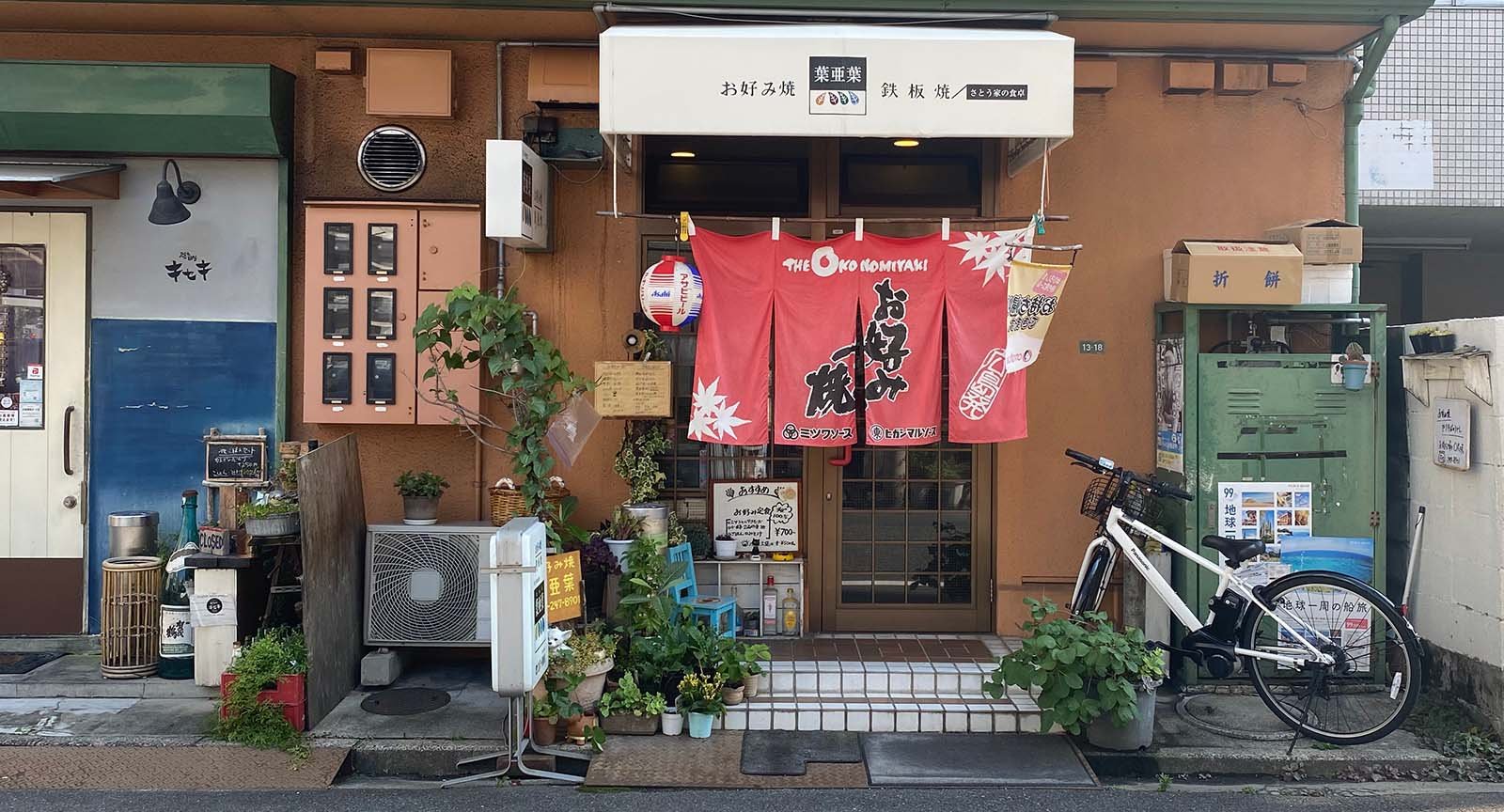
Sakaimachi and the Quieter Register of Hiroshima Dining
Hiroshima's Naka Ward contains two overlapping dining realities. The first is the visible one: the oyster houses along the waterfront, the okonomiyaki specialists on Hondori, the kaiseki rooms that attract Michelin attention and feed into the same conversation as Gion Sasaki in Kyoto or HAJIME in Osaka. The second is harder to read: the addresses in the side streets of Sakaimachi and its surrounds that operate with almost no public presence, where the signage is understated, the hours are not posted online, and the guest list circulates through personal networks rather than booking platforms. The address at 2 Chome-1-11 Sakaimachi belongs to that second register.
This matters editorially because cities with a strong local dining culture tend to produce exactly this bifurcation. The internationally legible restaurants absorb most of the visiting attention. The quieter tier, often drawing on deeper community ties, can be harder to access but rewards persistence. Hiroshima, with its distinct regional identity and proximity to the Seto Inland Sea's extraordinary produce, has always had more culinary depth than its tourist footprint suggests. The Sakaimachi address in question is one data point in that deeper layer.
What the Absence of Public Data Reveals About Menu Architecture
When a restaurant publishes no cuisine category, no price range, no chef name, and no website, the absence itself carries information. In Japan's dining culture, this is not unusual at the quieter end of the market. Many of the country's most serious rooms operate on a near-zero public profile, relying on format discipline and guest familiarity rather than external promotion. The structure of the meal, its internal logic and progression, becomes the primary communication between kitchen and table.
The editorial angle of menu architecture asks: what does the organisation of a meal tell you about the kitchen's priorities? At places like Harutaka in Tokyo or Goh in Fukuoka, the answer is legible because the menus are documented and the critical record is substantial. For an address like this one in Sakaimachi, that documentation does not currently exist in any verifiable public form.
Visitors approaching this address should treat the experience as one defined by discovery rather than preparation. The meal's architecture will only become apparent once you are inside it, which is, arguably, a more honest relationship between restaurant and guest than one mediated by lengthy tasting menu previews and sommelier interview content.
Hiroshima's Broader Dining Context
To place this address correctly, it helps to understand where Hiroshima sits in the national dining hierarchy. The city is not Kyoto or Tokyo in terms of the density of Michelin recognition, but it sustains a range of serious cooking. CHILAN and Chiso Sottakuito represent different registers of the city's formal dining offer, while Denko Sekka and Eizan extend the range further. MASUKI points to the Chinese-influenced thread that runs through Hiroshima's urban food history. Together, these venues map a city that has developed a genuinely layered dining culture, not one reducible to a single signature dish or format.
The Seto Inland Sea is the dominant ingredient source for much of western Japan's serious cooking. Oysters, sea bream, and smaller inshore fish reach Hiroshima's kitchens at a quality level that places the city in productive comparison with coastal dining environments elsewhere in Japan, from Aji Arai in Oita to Akakichi in Imabari. Any serious kitchen in Naka Ward has access to that supply chain, which sets a high floor for ingredient quality regardless of the room's public profile.
For a wider map of where to eat across the city, the full Hiroshima restaurants guide covers the full range from casual to formal.
Planning a Visit: What You Need to Know
The practical reality of visiting an address with this level of public opacity is that preparation requires direct contact. No website, phone number, or booking platform is currently listed in any verified source. That means the conventional planning sequence, checking hours online, booking via a reservation system, reviewing a menu in advance, does not apply here. Visitors staying in central Hiroshima who want to attempt a visit should approach the address in person during likely dinner-service hours on a weekday and be prepared for the possibility that walk-ins are not accepted. This is not an obstacle so much as a feature of how a subset of Japanese restaurants operate, particularly those that have not sought or accepted integration into the international hospitality information ecosystem.
The Sakaimachi address in Naka Ward is accessible from Hiroshima's central tram network, which makes it direct to reach from most hotel areas in the city. For travellers exploring the broader Chugoku and Kansai region, similar experiences of discovering low-profile serious restaurants exist in cities including Nara and Ashiya, and further afield at addresses like affetto akita in Akita or Ajidocoro in Yubari District. The pattern of the non-publicised serious restaurant is not unique to Hiroshima; it is a feature of Japanese dining culture that rewards travellers who move beyond the documented tier. In a global context, the commitment to format over promotion also finds parallels at places like Lazy Bear in San Francisco or Le Bernardin in New York City, though those venues operate at opposite ends of the visibility spectrum.
Frequently asked questions
Is é趣 æ okay with children?
The Sakaimachi address in Hiroshima's Naka Ward places this restaurant in a mixed commercial district associated with composed, quieter dining rather than casual family settings. If you are travelling with children, direct contact with the venue before visiting is advisable.
Where exactly is é趣 æ?
é趣 æ is located at 2 Chome-1-11 Sakaimachi, Naka Ward, Hiroshima, 730-0853, Japan, Hiroshima.
Do I need a reservation for é趣 æ?
Reservations are recommended for é趣 æ in Hiroshima. Confirm current policy via the venue's official channels.
What kind of setting is é趣 æ?
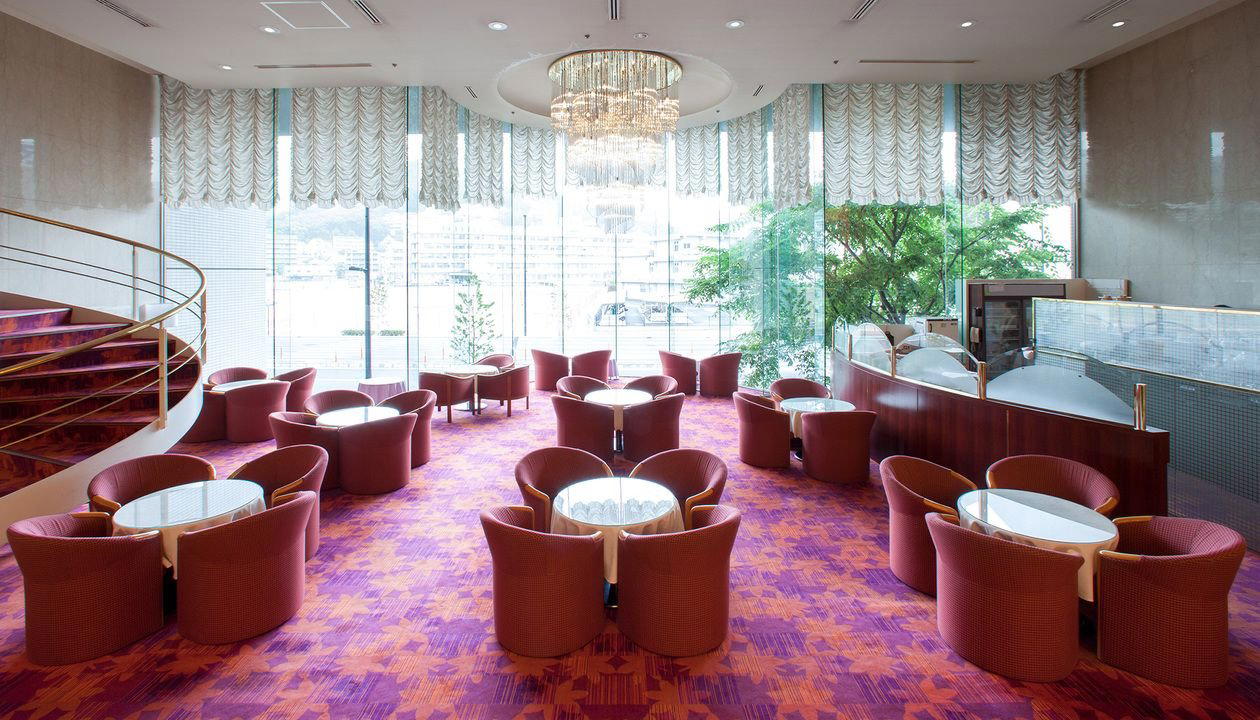
The address at 2 Chome-1-11 Sakaimachi sits in a pocket of Naka Ward that is distinct from Hiroshima's waterfront tourist circuit. This part of the city contains a mix of residential and commercial properties, and restaurants here tend to operate without signage or street-facing visibility designed to attract passing trade. The setting is consistent with a reserved, appointment-style dining environment rather than an open walk-in room.
Recognition, Side-by-Side
| Venue | Cuisine | Price | Awards |
|---|---|---|---|
| é趣 æThis venue — the venue you are viewing | High Quality French | Not listed | Not listed |
| Nakashima | Traditional Japanese Kaiseki | $50–100 | Tabelog Bronze #308 |
| Tenko Honten | Traditional Edomae Tempura | $50–100 | Not listed |
| Chiso Sottakuito | Modern Japanese Omakase | $200–300 | Tabelog Silver #15 |
| Eizan | Seasonal Kaiseki Omakase | $150–200 | Tabelog Bronze #60 |
| NAKADO | Modern French | $150–200 | Tabelog Bronze #303 |
Continue exploring
More in Hiroshima
Restaurants in Hiroshima
Browse all →
Bars in Hiroshima
Browse all →
Details
- Date Night
- Historic Building
Sleepy, quiet suburban atmosphere