Our verdict
Tyra Restaurant occupies a central address in Hiroshima's Naka Ward, placing it within walking distance of the city's most concentrated dining corridor. Where Hiroshima's kaiseki and contemporary Japanese tables tend to cluster around the Hondori and Tokaichimachi axes, Tyra sits directly on that grid — positioned for visitors who want proximity to the civic core without sacrificing a dedicated dining room.

Pearl is the En Primeur Club membership app — saves, bookings, and concierge access live there. Same editors, same standards.
The menu
What to order
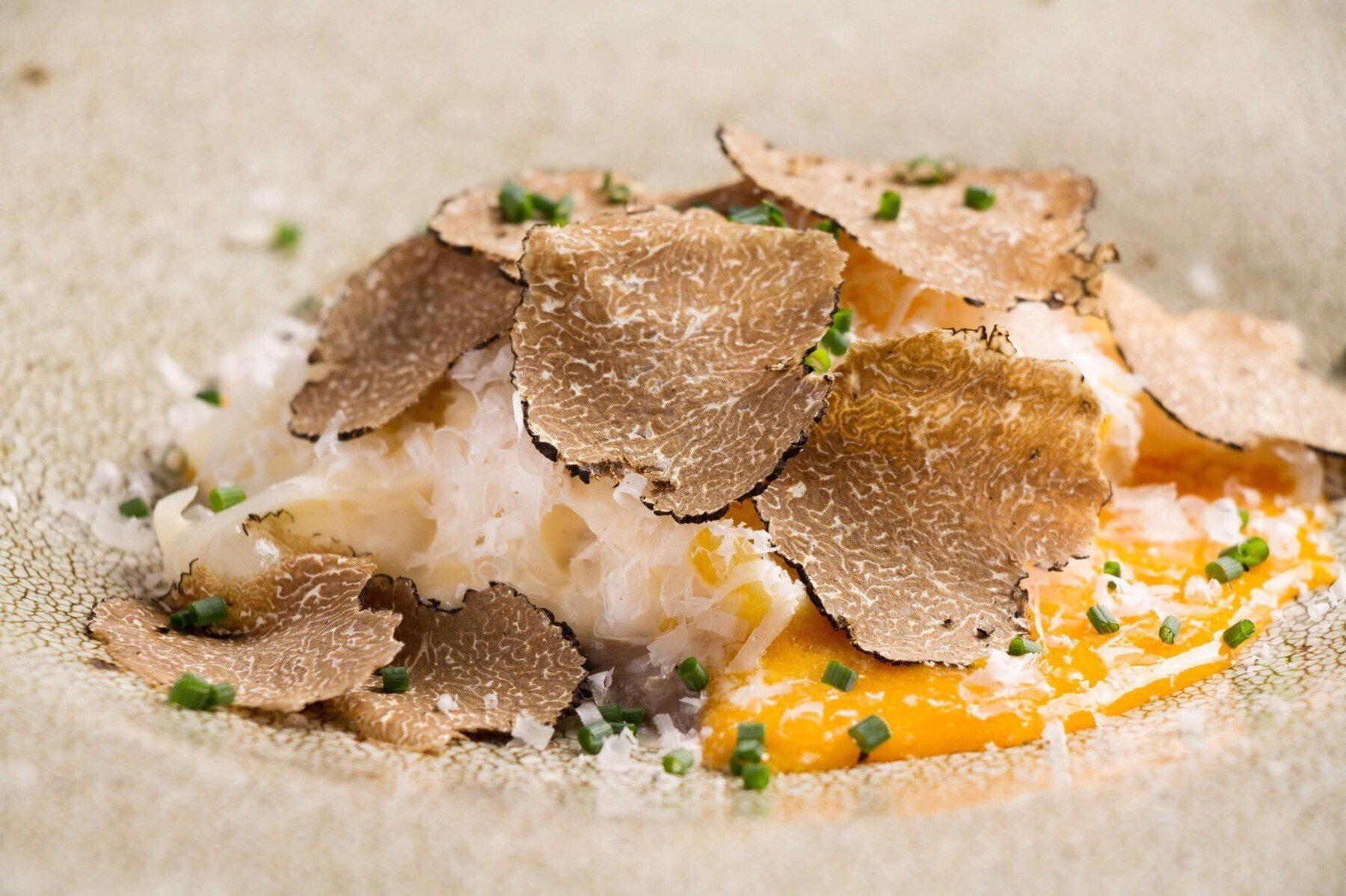
- Vegetarian Japanese style risotto
- Tomato chicken curry
Tokaichimachi and the Naka Ward Dining Grid
Hiroshima's Naka Ward carries more culinary weight than the city's relatively modest international profile would suggest. The ward runs along the Motoyasu and Kyobashi river channels, and its central streets — particularly the Hondori arcade spine and the commercial blocks of Tokaichimachi — host a concentration of dedicated dining rooms that rivals smaller Japanese cities with far greater reputations. The address at 2 Chome-2-8 Tokaichimachi places Tyra Restaurant precisely within that commercial dining corridor, a stretch where serious Japanese kitchens, Chinese rooms operating at the JPY 20,000-plus tier (as neighbours like MASUKI demonstrate), and neighbourhood specialists operate in close proximity.
What that location communicates to a returning visitor is significant. Tokaichimachi is not a destination within a destination, it is the main grid. Restaurants that hold space here are priced and positioned accordingly, competing for a clientele that includes business diners, travellers using Hiroshima as a Sanyo Shinkansen stop between Osaka and Fukuoka, and the growing number of visitors who now spend more than the traditional single-night Peace Memorial itinerary. For that audience, address is a form of editorial statement: proximity matters, and the Naka Ward placement signals a certain ambition about who the restaurant expects to serve.
Where Tyra Sits in Hiroshima's Dining Tier Structure
Hiroshima's upper dining tier is more layered than a first visit implies. The city has kaiseki rooms operating on formal seasonal formats, Chiso Sottakuito and Eizan both sit in that bracket, alongside contemporary Japanese tables like Denko Sekka and CHILAN, which interpret local ingredients through more individual lenses. Tyra Restaurant's Tokaichimachi address places it within reach of this peer group geographically, and the neighbourhood's price ecology, anchored by Chinese rooms charging JPY 20,000 to JPY 29,999 and kaiseki formats at similar or higher points, gives a working sense of where the area's serious dining sits on the spend curve.
Across Japan, the relationship between address and positioning is more direct than in most cities. A central Naka Ward room carries different expectations than a table tucked into a residential neighbourhood or an outer ward. Diners approaching Hiroshima from comparable cities, those who have eaten at Gion Sasaki in Kyoto or HAJIME in Osaka, will read that geography immediately. The Tokaichimachi placement suggests a room designed for centrality and accessibility, not the kind of remove that defines destination-only formats.
The Broader Hiroshima Context: What the City's Dining Scene Rewards
Hiroshima's dining character is shaped by a set of local ingredients that carry genuine distinction: Hiroshima oysters, which dominate the prefecture's coastal production and appear on menus across price tiers; the city's own style of okonomiyaki, assembled in layers rather than the Osaka mixed format; and seasonal seafood from the Seto Inland Sea, which gives kitchens in this region access to produce that their counterparts in landlocked Japanese cities cannot replicate. The best-performing rooms in the city, whether kaiseki-format or more contemporary, tend to anchor their menus to that Seto Inland Sea supply chain, using it as both a quality marker and a point of local distinction.
That regional specificity matters when placing any Hiroshima table in context. Restaurants operating here that engage seriously with local supply tend to occupy a different tier of ambition than those running generic Japanese or international formats. The city's serious dining rooms have learned, over time, that the oyster, the inland sea fish, and the Hiroshima-grown rice are the materials that give this city's cuisine its argument. Visitors arriving from Tokyo tables like Harutaka, or from Fukuoka's more seafood-forward rooms like Goh, will find that Hiroshima offers a version of western Honshu dining that is quieter in international reputation but coherent in local identity.
Japan's regional dining circuit now extends well beyond the major metropolitan axis. Tables in Nara (akordu), smaller Hokkaido cities (Sapporo's serious dining rooms), and rural Ishikawa (Nanao, Takashima) have all moved onto the itineraries of serious food travellers in the last decade. Hiroshima, with its international air connections and Shinkansen centrality, is well placed within that circuit, and its Naka Ward addresses are the most accessible entry points for visitors building time-efficient itineraries around western Japan dining. See our full Hiroshima restaurants guide for the complete picture of where the city's dining is concentrated and how to prioritise across a short visit.
Planning a Visit to Tyra Restaurant
Tokaichimachi sits within Hiroshima's central commercial zone, which means the practicalities of getting there are direct for any visitor already oriented to the city centre. The Hondori streetcar lines and the covered Hondori arcade provide the main navigation axis; Tokaichimachi is immediately adjacent. For travellers arriving by Shinkansen at Hiroshima Station, the central ward is under fifteen minutes by streetcar. The address at 2 Chome-2-8 Tokaichimachi, Naka Ward, is precise enough to locate without ambiguity on any mapping application. For international comparisons on formal dining formats and what reservation-first rooms demand of the visitor in terms of advance planning, the approaches taken at Le Bernardin in New York and Atomix offer a useful frame for managing expectations around access and format discipline. Regional Japanese parallels closer to home, such as Birdland in Sakai or rooms in Nishikawa Machi, illustrate how Japan's mid-size city dining circuit operates outside the metropolitan spotlight.
Frequently asked questions
Where do I go for Tyra Restaurant?
Tyra Restaurant is located at 2 Chome-2-8 Tokaichimachi, Naka Ward, Hiroshima, 730-0805, Japan, Hiroshima.
Is Tyra Restaurant in Hiroshima suitable for a special occasion dinner?
Tyra's address at 2 Chome-2-8 Tokaichimachi in Hiroshima's Naka Ward puts it inside the city's central dining corridor, where restaurants at this level are structured around considered, course-led formats rather than casual drop-in service. Hiroshima's upper dining tier rewards guests who treat the meal as the main event of the evening, and the Naka Ward setting supports that approach with direct access from the city's main transit points. Confirming the format and any private dining options directly with the venue before booking is advisable for occasion-specific visits.
What do regulars order at Tyra Restaurant?
Tyra sits in Hiroshima's Naka Ward, a district where the local larder shapes menus considerably. Hiroshima oysters are the ingredient that serious diners in this part of the city track across seasons, and any kitchen operating at this address in Tokaichimachi would be remiss to ignore them.
How hard is it to get a table at Tyra Restaurant?
Tyra occupies a Tokaichimachi address in Hiroshima's Naka Ward, placing it within the city's central commercial core where demand for upper-tier dining consistently outpaces availability. Reservation lead times for restaurants at this level in Hiroshima's dining grid typically run two to four weeks for weekend sittings. Contact details are not currently listed, so approaching the restaurant through your hotel concierge is the most reliable route to a confirmed booking.
A Tight Comparison
Comparable venues nearby, for context on price, style, and recognition.
| Venue | Cuisine | Price | Awards | Notes |
|---|---|---|---|---|
| Tyra RestaurantThis venue (the venue you are viewing) | Cafe with Japanese fusion | Not listed | Not listed | Not listed |
| Tonkatsu 16 | Tonkatsu | $20–30 | Tabelog 100 #70 | Naka, Tonkatsu |
| Denko Sekka | Minami-ku, Hiroshima-Style Okonomiyaki | Not listed | Not listed | Not listed |
| Bishu Bikou Hamai | Traditional Japanese Izakaya | $30–50 | Tabelog 100 #31 | Naka, Traditional Japanese Izakaya |
| Masaru | Hiroshima Okonomiyaki | $10–20 | Tabelog 100 #30 | Higashi, Hiroshima Okonomiyaki |
| Jidan | Hiroshima-style okonomiyaki | $10–20 | Tabelog 100 #11 | Higashi, Hiroshima-style okonomiyaki |
Continue exploring
More in Hiroshima
Restaurants in Hiroshima
All restaurants in Hiroshima →
Bars in Hiroshima
All bars in Hiroshima →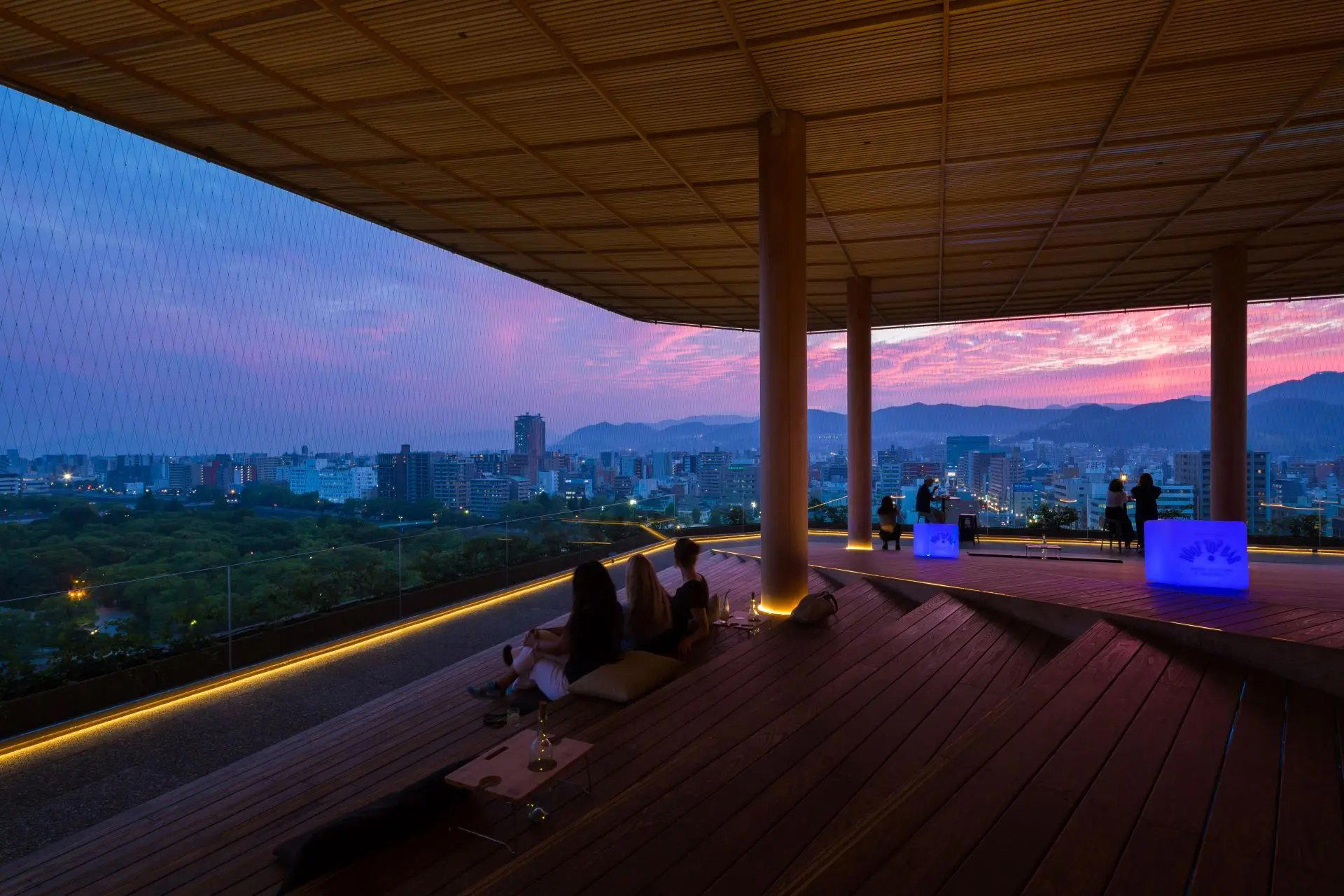
Details
- Cozy
- Quiet
- Scenic
- Modern
- Casual Hangout
- Solo
- Waterfront
- Waterfront
- A La Carte
- Vegetarian Friendly
Current opening hours
- Monday
- Closed
- Tuesday
- 6–11 PM
- Wednesday
- 6–11 PM
- Thursday
- 6–11 PM
- Friday
- 6–11 PM
- Saturday
- 6–11 PM
- Sunday
- 6–11 PM
Hours can change for holidays and private events. Last verified .
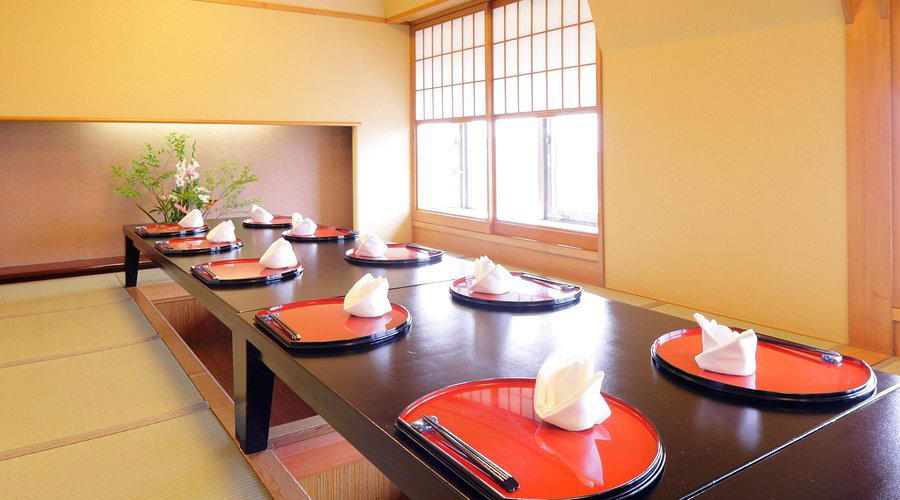
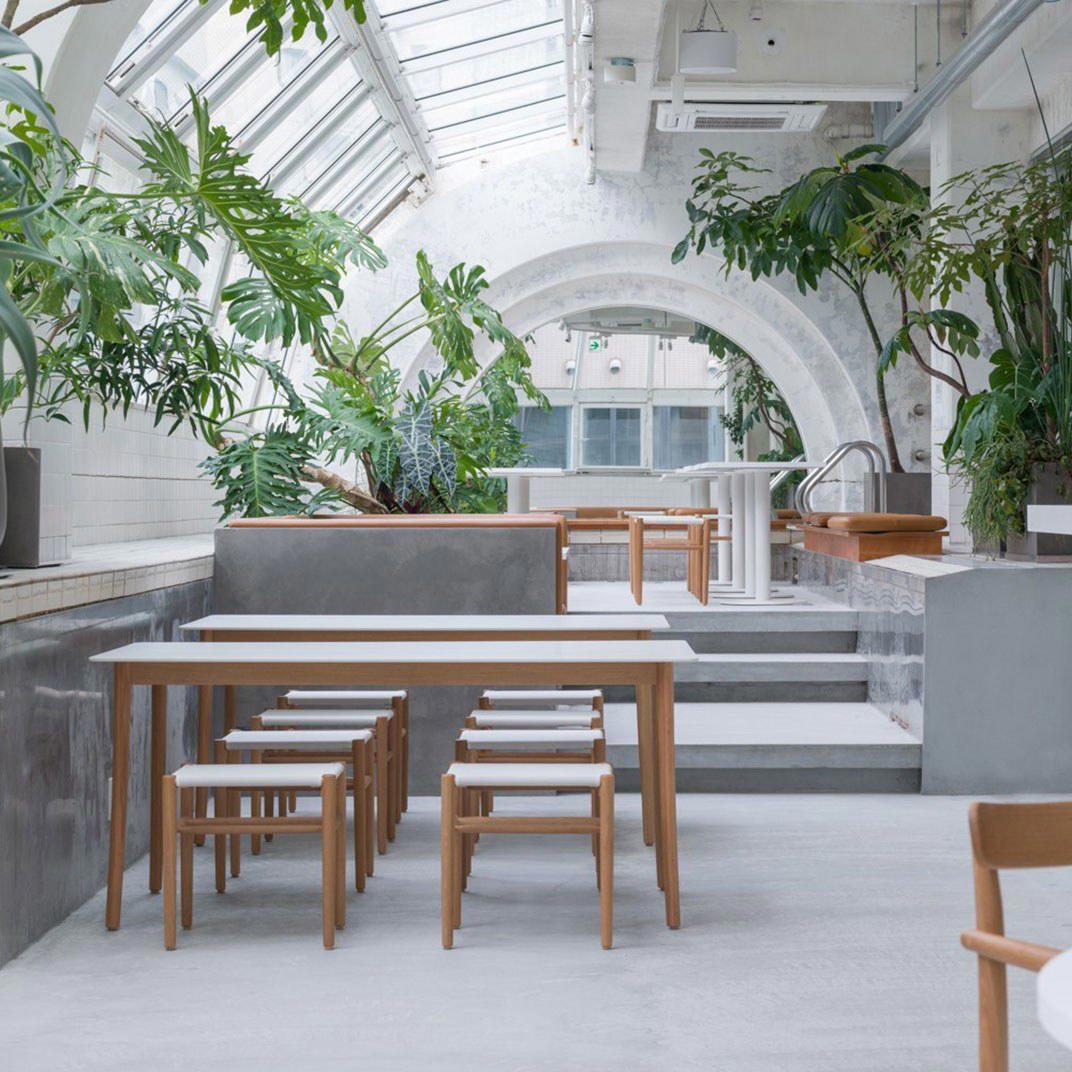
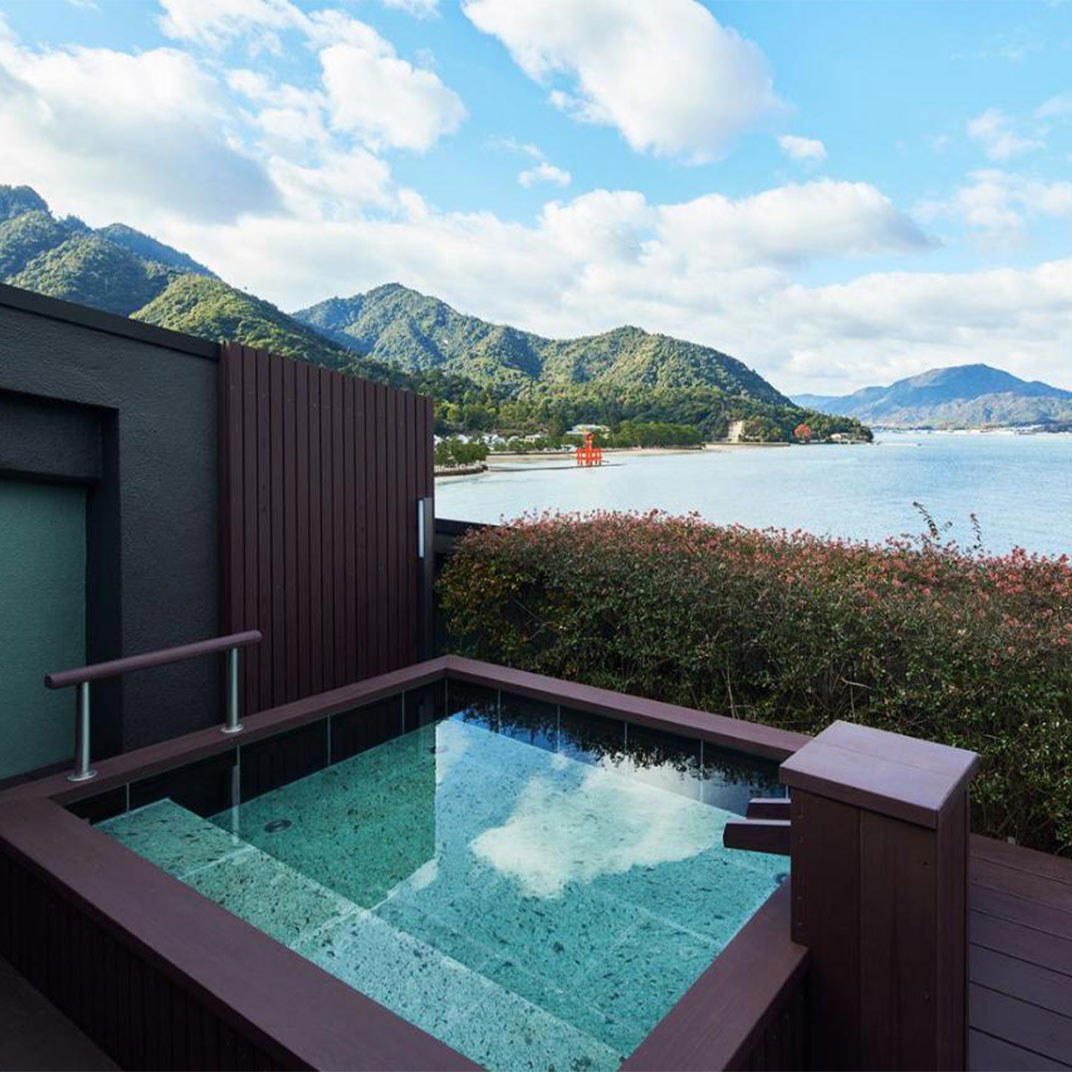
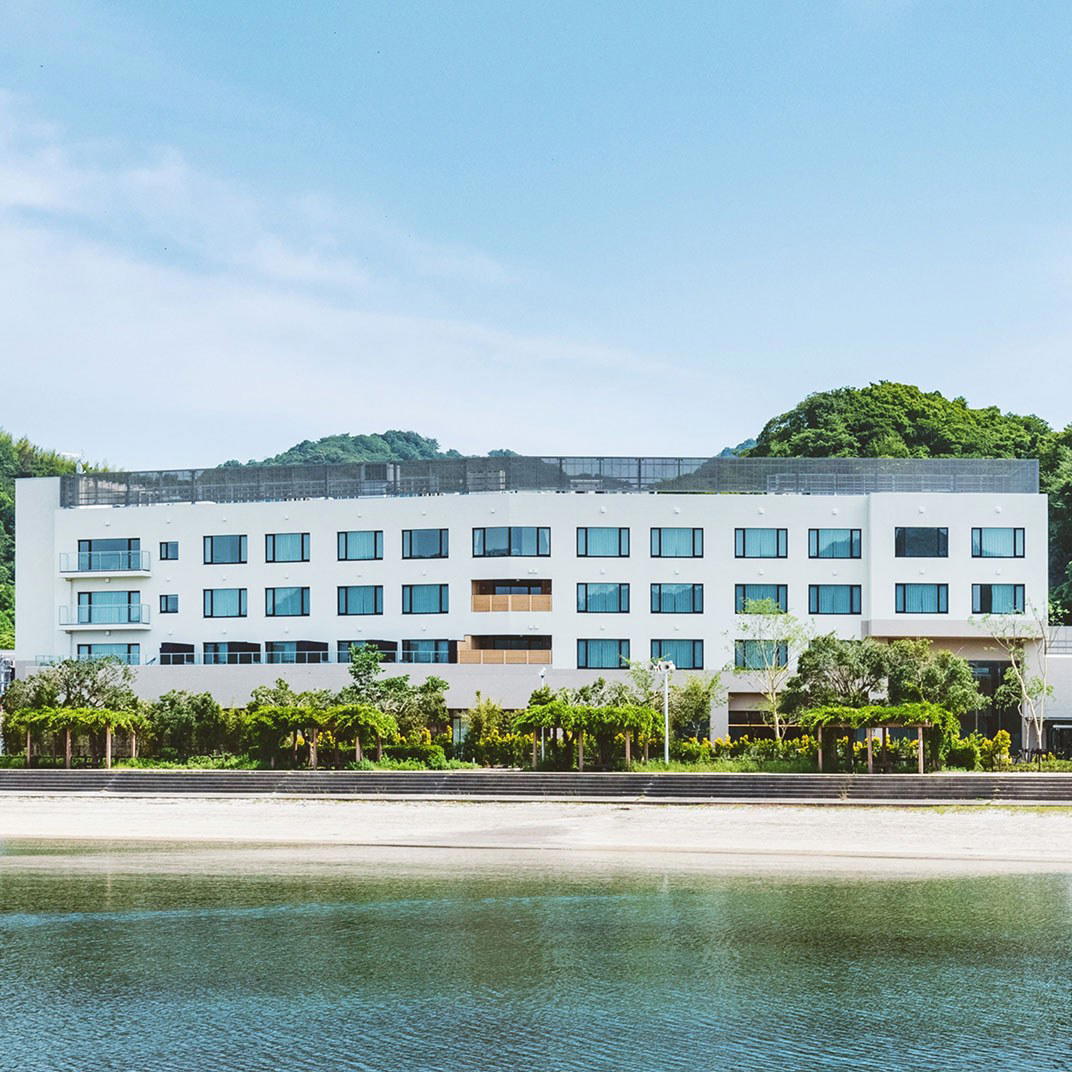
Relaxed, zen, and cozy with natural lighting and sea views.