Located in Minami-Aoyama's VIVRE AOYAMA building, ランタンポレル occupies a quieter register within Tokyo's densely competitive special-occasion dining scene. The address places it in one of the city's most design-conscious neighbourhoods, where restaurants trade on atmosphere and intent as much as plate. For milestone meals in Tokyo, the location alone signals a particular kind of seriousness.
Pearl is the En Primeur Club membership app — saves, bookings, and concierge access live there. Same editors, same standards.
- Address
- Japan, 〒107-0062 Tokyo, Minato City, Minamiaoyama, 4 Chome−9−3 VIVRE AOYAMA1F
- Phone
- +81354135750
- Website
- restaurant-lintemporel.jp
- Directions
- Get directions
 Saves & bookings on Pearl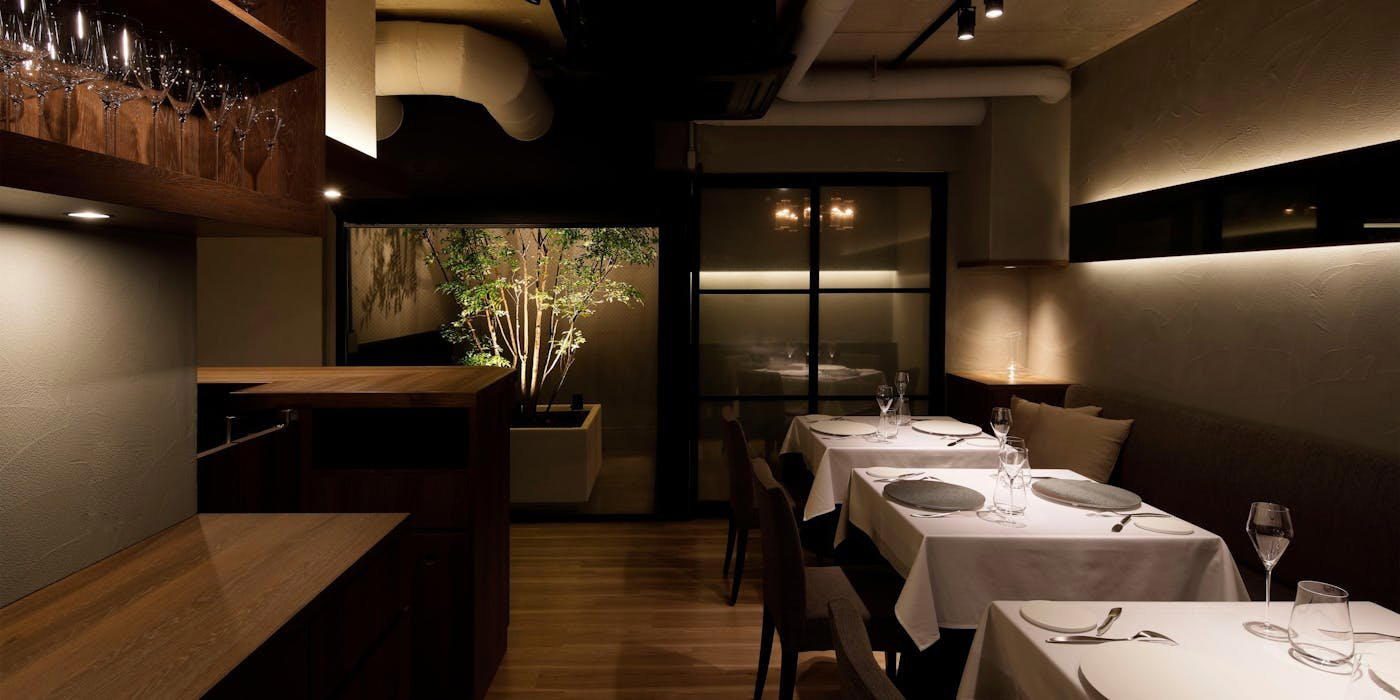
Occasion Dining in Aoyama: Where the Neighbourhood Sets the Standard
ランタンポレル is a Modern French restaurant in Tokyo, priced at about $80 per person. On one side sit the major trophy addresses, the Michelin-decorated French and kaiseki counters of Ginza, Roppongi, and Minami-Aoyama that price and operate against international comparable venues. Counters like Harutaka and RyuGin represent the upper bracket of that tier, where the occasion is built into the booking process itself. On the other side, a smaller cohort of addresses operate with more discretion: fewer external signals, more neighbourhood-embedded positioning, and a clientele that finds them through referral rather than rankings. ランタンポレル's address in the VIVRE AOYAMA building on Minamiaoyama 4-chome places it within this second category, in a ward, Minato, that consistently produces serious dining without always announcing it loudly.
Minami-Aoyama has long functioned as one of Tokyo's more considered dining corridors. It lacks the density of Ginza's restaurant high-rises, but that relative quietness is precisely what draws a certain kind of diner. Galleries, independent design studios, and architecture-forward retail share the neighbourhood's building stock, and the restaurants that last here tend to match that sensibility. A meal at a Minami-Aoyama address carries the implicit understanding that the room itself is part of the proposition, and that the diner is expected to notice.
The Milestones That Tokyo Dining Is Built Around
In Japan, dining out for a significant occasion carries weight that goes beyond the meal. Anniversaries, promotions, and formal celebrations are routed through restaurants in a way that is more structurally embedded than in most Western cities. The market for this kind of dining is competitive and specific: a table for two on a Saturday in February or June (around major gifting and celebration periods) books weeks or months ahead at addresses that have built a reputation for handling the occasion with appropriate gravity. L'Effervescence and Sézanne are examples of French-leaning rooms that have absorbed a significant share of this demand at the summit tier, partly because the tasting-menu format maps well onto formal celebration, a fixed narrative arc, a defined duration, no decisions required once seated.
ランタンポレル occupies an address in that same Minato ward context, where the occasion-dining expectation is built into the neighbourhood's social fabric. The Aoyama positioning implies a room that is designed around the kind of meal people dress for. In Tokyo, that distinction matters. The neighbourhood has trained its clientele to bring a certain formality to the table.
What Aoyama Tells You Before You Arrive
The VIVRE AOYAMA building itself is a useful signal. Aoyama's mixed-use buildings tend to house tenants selected with some curatorial intent, a restaurant in that context is not a default footprint. The address on 4-chome places the venue at a moderate remove from the Omotesando axis, which means it draws on neighbourhood loyalty more than foot traffic. In Tokyo's restaurant geography, this is a meaningful distinction. Rooms that depend on destination dining rather than passing trade operate differently: they attract repeat customers and occasion diners in roughly equal measure, and they tend to develop a more stable, if quieter, reputation over time.
This model contrasts with the high-visibility approach of Tokyo's most internationally reviewed restaurants, where press attention and award cycles drive a significant share of bookings from visiting diners. Addresses like Crony represent Tokyo's more internationally oriented French-innovative tier, where the profile extends well beyond the immediate neighbourhood. ランタンポレル's positioning reads differently, more locally rooted, more suited to the diner who already knows Aoyama and has chosen this address with some deliberateness.
Japan's Broader Occasion-Dining Circuit
Tokyo is the dominant node in Japan's premium dining network, but it does not operate in isolation. Osaka's HAJIME and Kyoto's Gion Sasaki represent the kind of occasion-dining addresses that pull diners from Tokyo for milestone meals, particularly when those meals are tied to cultural travel. Nara's akordu and Fukuoka's Goh serve similar functions in their respective cities. The pattern across all of them is consistent: the special-occasion restaurant in Japan is expected to carry the weight of the event, not merely accompany it. The room, the pacing, the service register, and the way the bill arrives all contribute to the architecture of the evening.
Regional Japan extends this further. Addresses like 一本木 石川割烹 in Nanao and 湖畔荘 in Takashima serve local occasion-dining markets where the restaurant is often the only serious option for a meaningful meal, and that singular position shapes everything from the menu's ambition to the room's formality. Tokyo addresses compete in a far denser field, which means differentiation has to come from somewhere more specific than geography alone.
For context outside Japan, the occasion-dining model Tokyo deploys has parallels at Le Bernardin in New York and Atomix, both of which operate around the understanding that the table is booked for a reason, and that the room's job is to honour that. The difference in Tokyo is the cultural specificity of the occasion itself: the gifting calendar, the formal address conventions, and the way celebration meals are treated as social obligations as much as personal pleasures.
Planning a Visit
Practical guidance here draws on neighbourhood context and category norms. For comparable Minato-ward special-occasion addresses, advance planning of three to six weeks is standard for weekend bookings, with popular dates around Valentine's Day, Golden Week, and year-end filling earlier. The VIVRE AOYAMA building is accessible from Omotesando Station on the Tokyo Metro Ginza, Hanzomon, and Chiyoda lines, with the 4-chome address requiring a short walk south from the main intersection. Confirming hours and reservation method directly with the venue before planning travel is advisable, as smaller Aoyama addresses do not always maintain English-language booking channels.
Other the guide-listed addresses in the region worth considering for milestone meals include 夕暮れ山乃 in Sapporo, 鶴羽屋 in Nishikawa Machi, Birdland in Sakai, and Bistro Ange in Toyohashi, each of which serves a distinct regional occasion-dining market with its own conventions and clientele.
How It Stacks Up
Comparable venues nearby, for context on price, style, and recognition.
| Venue | Cuisine | Price | Notes |
|---|---|---|---|
| ランタンポレルThis venue — the venue you are viewing | Modern French | $$$ | Not listed |
| ドゥ・フイユ | Modern French Bistro with Notable Bread | $$$ | Shinjuku |
| Comptoir Misago | Cozy French Bistro & Wine Bar | $$$ | Minato |
| 野田 | Contemporary French Fine Dining | $$$ | Shibuya |
| KINO_ | Innovative French with Hokkaido ingredients | $$$ | Shibuya |
| La Matiere | Classic French in Kagurazaka | $$$ | Shinjuku |













At a Glance
- Elegant
- Sophisticated
- Intimate
- Date Night
- Special Occasion
- Wine Cellar
- Extensive Wine List
Current opening hours
- Monday
- Closed
- Tuesday
- 6 PM–2 AM
- Wednesday
- 6 PM–2 AM
- Thursday
- 6 PM–2 AM
- Friday
- 12–3 PM, 6 PM–2 AM
- Saturday
- 12–3 PM, 6 PM–2 AM
- Sunday
- 12–3 PM, 6 PM–1 AM
Hours can change for holidays and private events. Last verified .
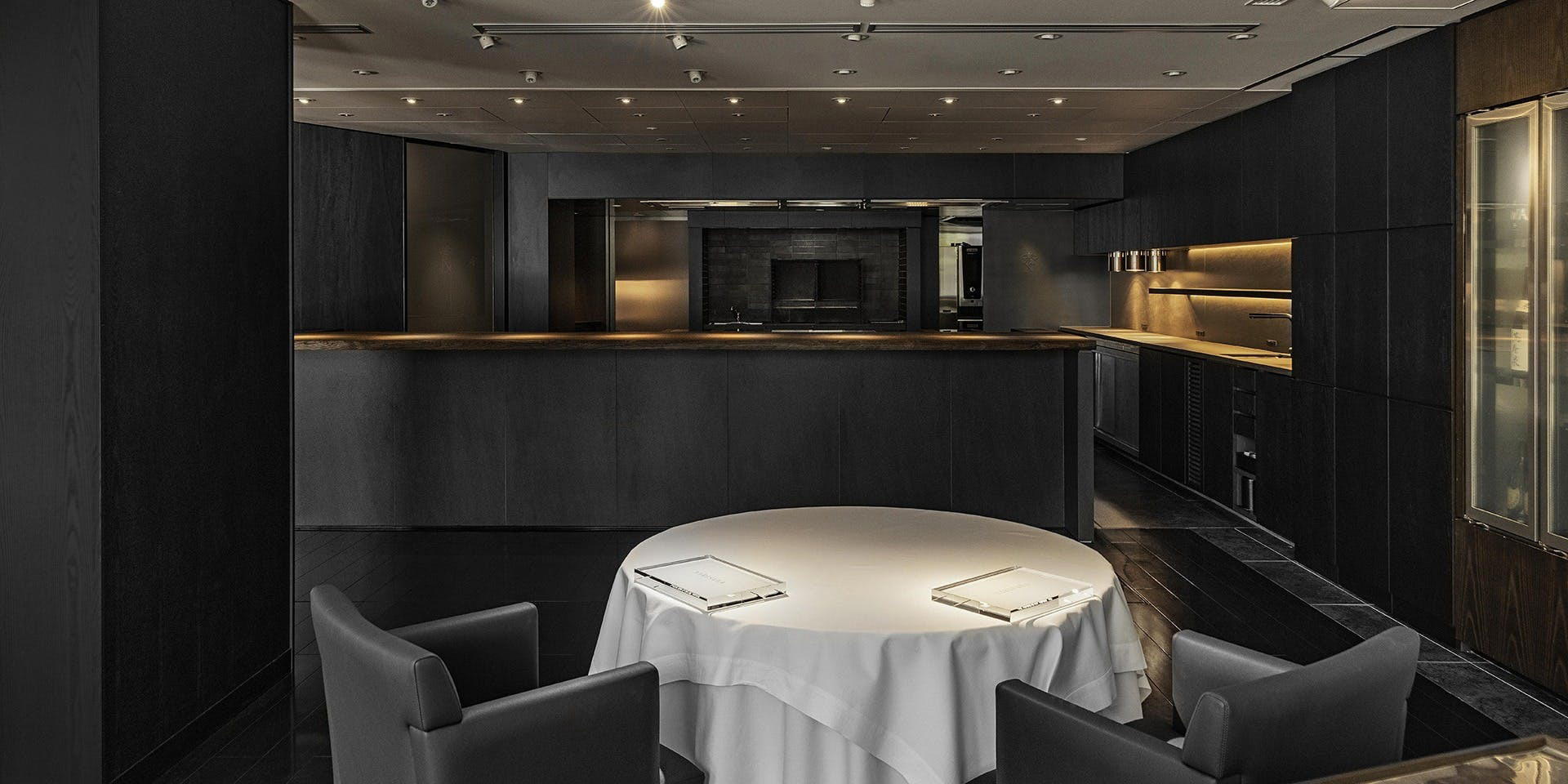
Refined and elegant atmosphere with timeless decor evoking eternal beauty and simplicity.