Located in Higashiyama Ward's Maruyamacho district, æªå¨ occupies one of Kyoto's most historically layered neighbourhoods, where the density of serious dining rooms reflects the city's continued primacy in kaiseki tradition. The address alone places it in a competitive bracket occupied by some of Japan's most closely watched restaurants. Booking details and format specifics are best confirmed directly with the venue.
Pearl is the En Primeur Club membership app — saves, bookings, and concierge access live there. Same editors, same standards.
- Address
- Japan, 〒605-0071 Kyoto, Higashiyama Ward, Maruyamacho, 618
- Phone
- +81755513310
- Website
- mizai.jp
- Directions
- Get directions
 Saves & bookings on Pearl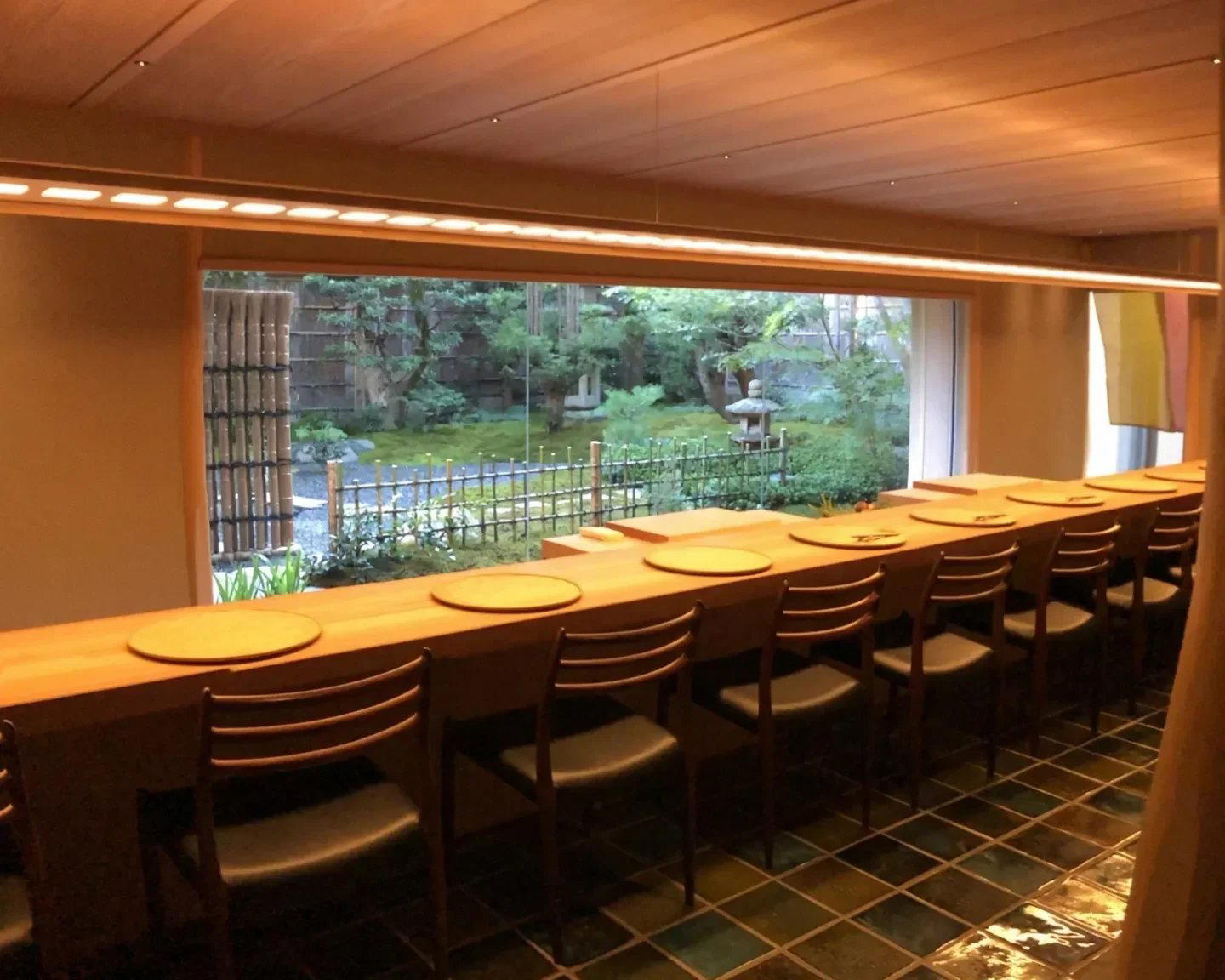
Higashiyama and the Weight of Place
Kyoto's Higashiyama Ward carries a particular kind of pressure for anyone opening a serious dining room. The neighbourhood's stone-paved lanes and preserved machiya streetscapes attract visitors who arrive with expectations shaped by centuries of kaiseki tradition, and the restaurants that persist here are judged not just against each other but against the accumulated history of the form itself. Maruyamacho, where 未在 holds its address at 618, sits at the edge of Maruyama Park and within walking distance of Yasaka Shrine, a location that positions the restaurant inside one of the city's densest concentrations of high-intent dining. Guests arrive at this part of Higashiyama having already made a decision about the kind of evening they want. The neighbourhood does not lend itself to impulse dining.
That geographic context matters because Kyoto's premium dining tier is unusually compressed. Venues like Gion Sasaki, Kikunoi Honten, and Hyotei have spent decades building reputations that extend well beyond Japan, and newer addresses in Higashiyama are evaluated against that standard whether they invite the comparison or not. For any room operating in this ward, the question is never simply whether the food is good, it is whether the entire experience, from the moment of approach to the final course, coheres with the particular seriousness Kyoto's dining culture demands.
The Collaborative Architecture of a Kyoto Dining Room
What distinguishes Kyoto's top tier from comparable rooms in Tokyo or Osaka is less often a single notable element and more often the integration of several. The kitchens at restaurants like Mizai and Isshisoden Nakamura function not as isolated creative engines but as one part of a system that includes front-of-house pacing, beverage pairing, and the choreography of service itself. This collaborative model, where the kitchen, the sommelier or sake director, and the floor team operate as a single organism rather than separate departments, is increasingly the standard against which serious Kyoto rooms are measured.
At æªå¨, the address in Maruyamacho signals an intention to operate within that framework. The Higashiyama dining tradition does not reward restaurants where service feels secondary to cooking, or where beverage choices arrive as an afterthought. Guests in this neighbourhood expect the drink program to be as considered as the menu, and the floor team to be as fluent in the evening's logic as the kitchen. The precise format 未在 takes, the specific interplay between its kitchen and service teams, the structure of its menu, and the nature of its beverage approach are not detailed in the record. What the address and the competitive context do confirm is the standard that any room here must meet.
Where æªå¨ Sits in the Kyoto Dining Tier
Kyoto's serious restaurant tier spans a range of formats, from the long-established kaiseki institutions that attract international press coverage to smaller, quieter rooms that operate largely by word of mouth and local recommendation. The city has also seen a growing cohort of venues that bring non-Japanese culinary frameworks into conversation with local ingredients and seasonal logic, a pattern visible across Japan's secondary fine-dining cities, from akordu in Nara to Goh in Fukuoka and HAJIME in Osaka.
未在 is a Seasonal Kaiseki Kappo restaurant priced at about US$250 per person. What the Maruyamacho address does indicate is a room operating in a neighbourhood where the baseline expectation is high, and where the competitive set includes venues whose reputations have been built over decades. Visitors planning an evening in Higashiyama should consider the neighbourhood's exacting standards before booking.
For comparison, the kaiseki rooms that define Kyoto's highest tier, Gion Sasaki, Hyotei, Kikunoi Honten, price at ¥¥¥¥ and book weeks to months in advance. Rooms that operate just below that threshold, at ¥¥¥, often offer a different kind of value proposition: less ceremony, more flexibility, sometimes a more personal exchange between kitchen and guest. The restaurant is priced at about US$250 per person, so advance reservation is essential.
Approaching the Evening
Higashiyama is most navigable on foot from Gion or from the Keihan line's Gion-Shijo station, with the walk to Maruyamacho passing through a streetscape that shifts register quickly, from the commercial density of Shijo-dori to the quieter, more residential character of the lanes approaching Maruyama Park. The approach itself is part of the experience in this neighbourhood; arriving by taxi is efficient but removes the transition that the walk provides.
Seasonality matters in Kyoto's dining rooms in a way it does not in most cities. The kaiseki tradition is built around the acknowledgment that ingredients have a specific window, and rooms operating in this tradition typically adjust menus across the year's four seasons and, in some cases, the micro-seasons defined by the traditional Japanese calendar. As a Seasonal Kaiseki Kappo restaurant, the menu is shaped by the season. Visiting in late March through April, or in November during koyo, means arriving when the neighbourhood is at its most dramatic but also most crowded, reservations secured well in advance are advisable during these periods.
For those building a broader Japan itinerary around serious dining, the Kansai region offers a natural circuit: HAJIME in Osaka operates at a different register from Kyoto's kaiseki tradition, while akordu in Nara brings a European-inflected sensibility to a city just thirty minutes from Kyoto by express train. Beyond Kansai, rooms like Harutaka in Tokyo, Goh in Fukuoka, and aki nagao in Sapporo show how Japan's serious dining tier extends well beyond the two major cities. Further afield, rooms like Abon in Ashiya, affetto akita in Akita, Aji Arai in Oita, Ajidocoro in Yubari District, and Akakichi in Imabari map the regional depth of Japanese fine dining beyond the obvious anchors. Internationally, the collaborative service model that defines Kyoto's leading rooms finds close parallels at Le Bernardin in New York City and Lazy Bear in San Francisco, where kitchen-floor integration is similarly treated as a defining feature rather than an operational detail.
A Pricing-First Comparison
Comparable venues nearby, for context on price, style, and recognition.
| Venue | Cuisine | Price | Notes |
|---|---|---|---|
| 未在This venue — the venue you are viewing | Higashiyama, Seasonal Kaiseki Kappo | $$$$ | Not listed |
| Gion Kon | Gion, Kappo Japanese Cuisine | $$$$ | Not listed |
| さえ㐂 | Not listed | $$$$ | Nakagyo Ward, Traditional Edomae Sushi Omakase |
| ゑび秀 | Not listed | $$$$ | Higashiyama, Traditional Kyoto Oden Omakase |
| 鮨よし田 | Not listed | $$$$ | Higashiyama, Edomae Sushi with Kyoto Influences |
| 富小路やま岸 | 河原町, 京懐石 | $$$$ | Not listed |
Continue exploring
More in Kyoto
Restaurants in Kyoto
Browse all →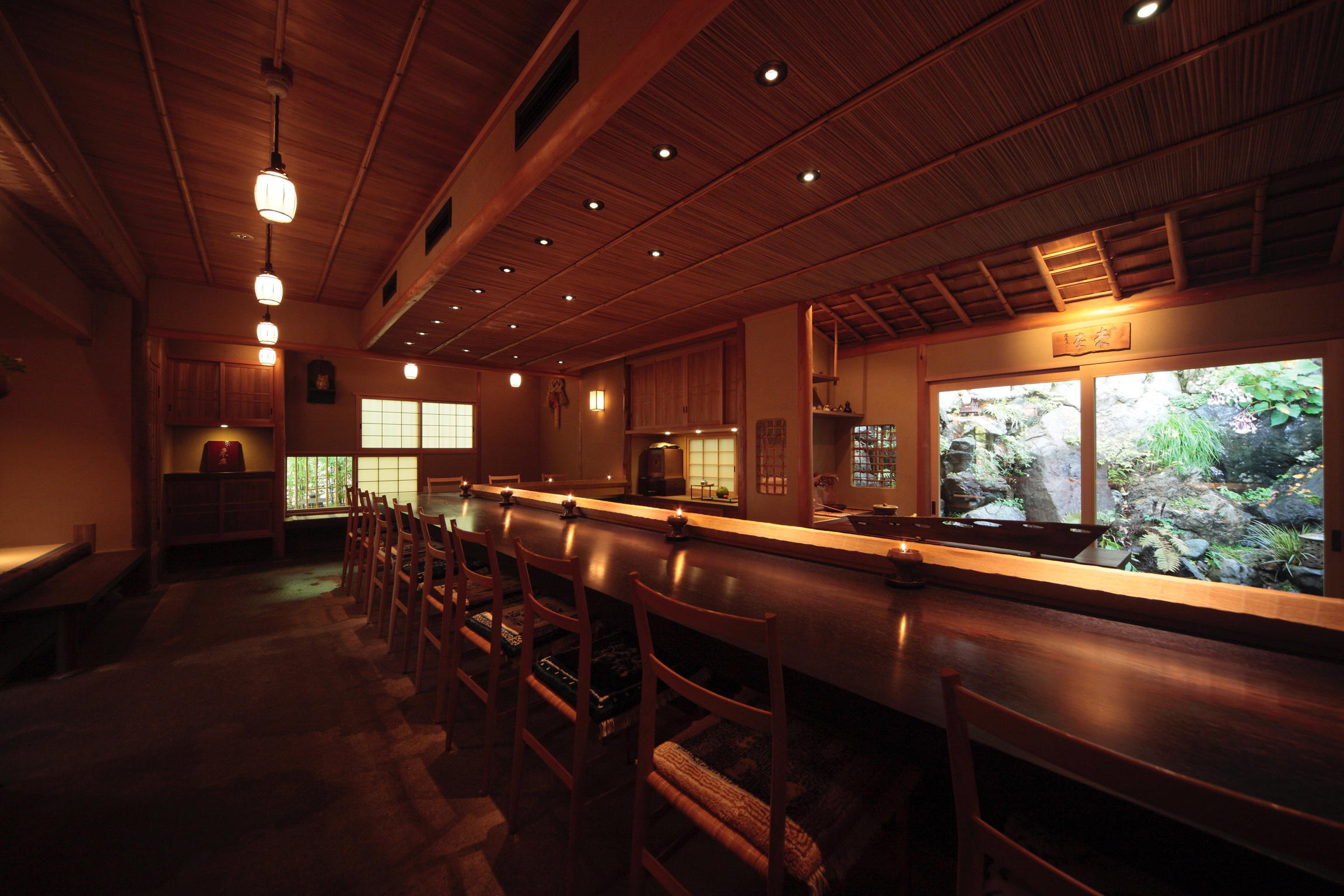
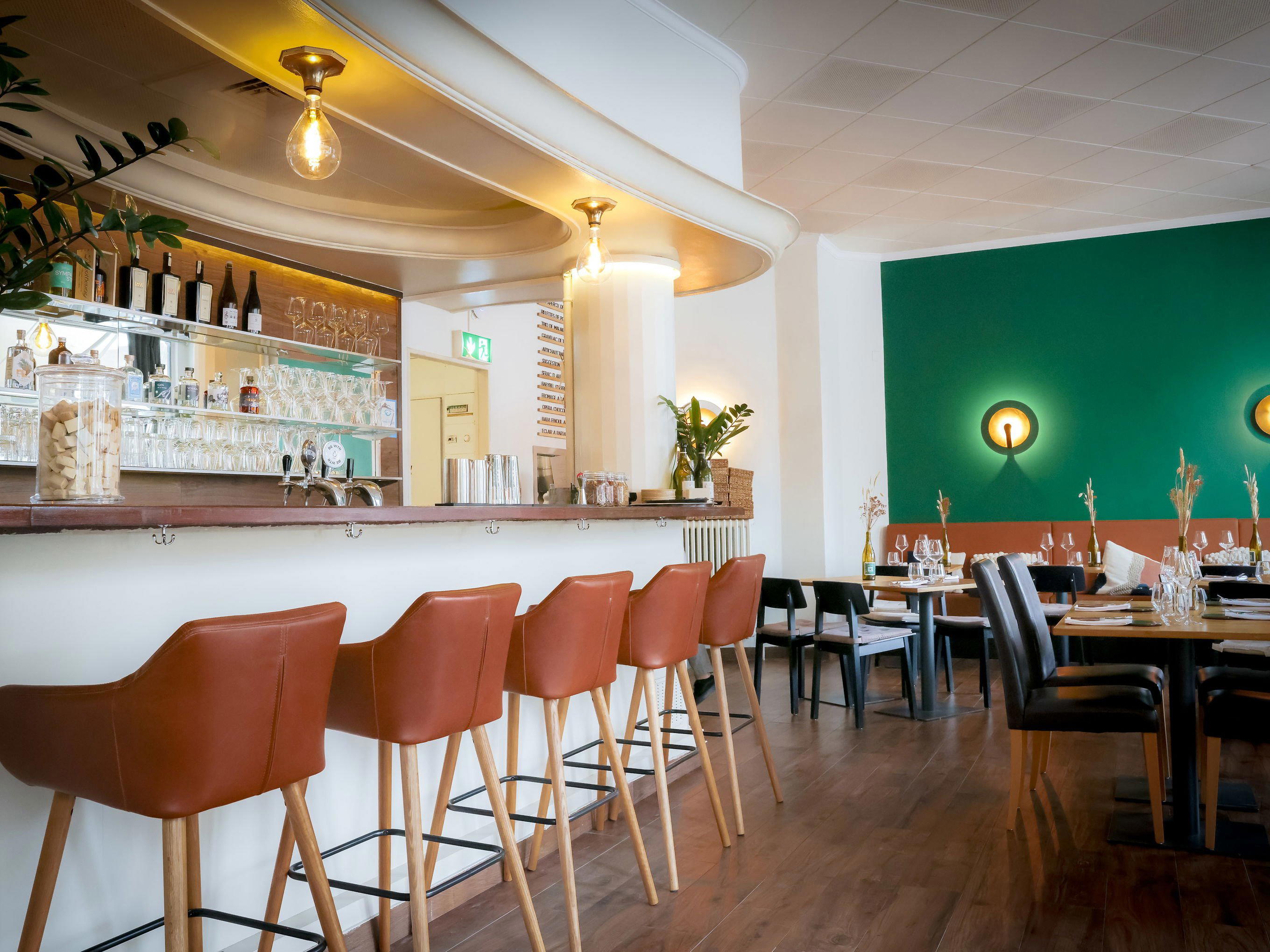
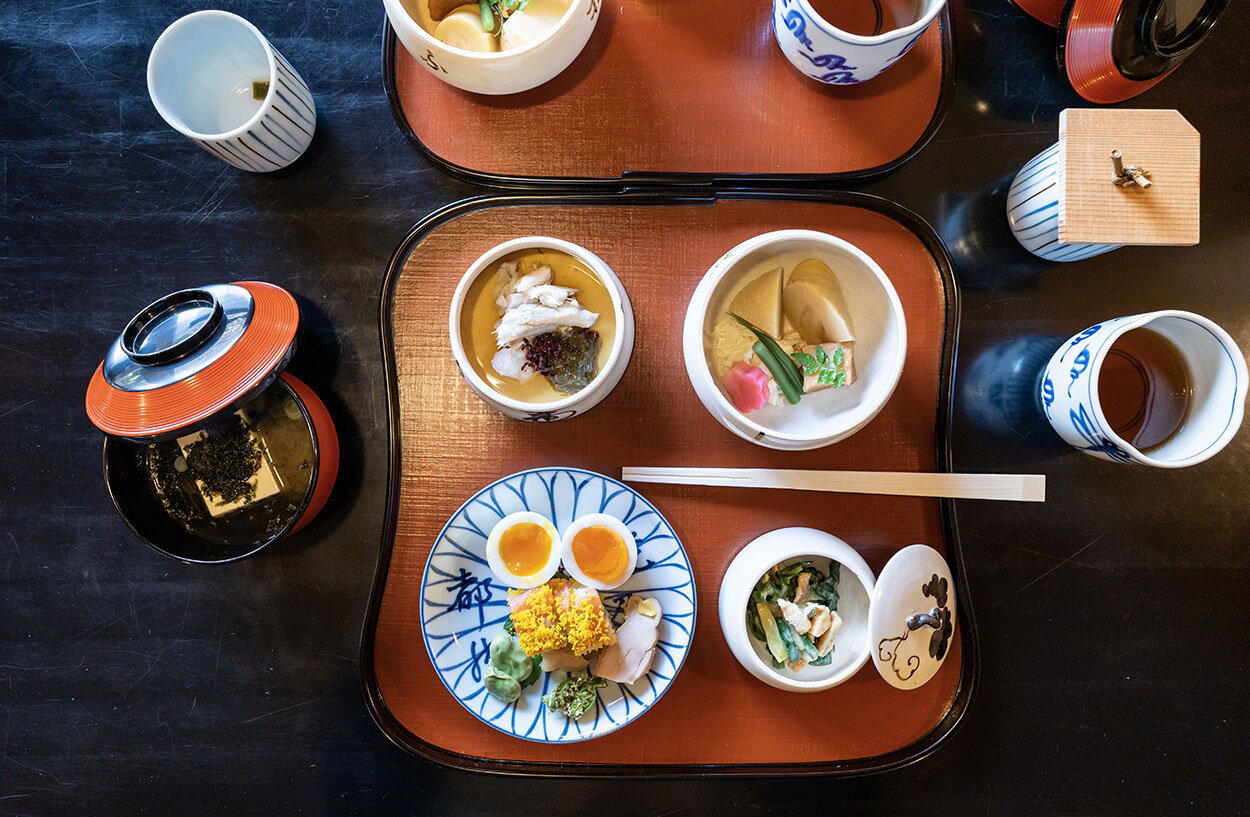
Bars in Kyoto
Browse all →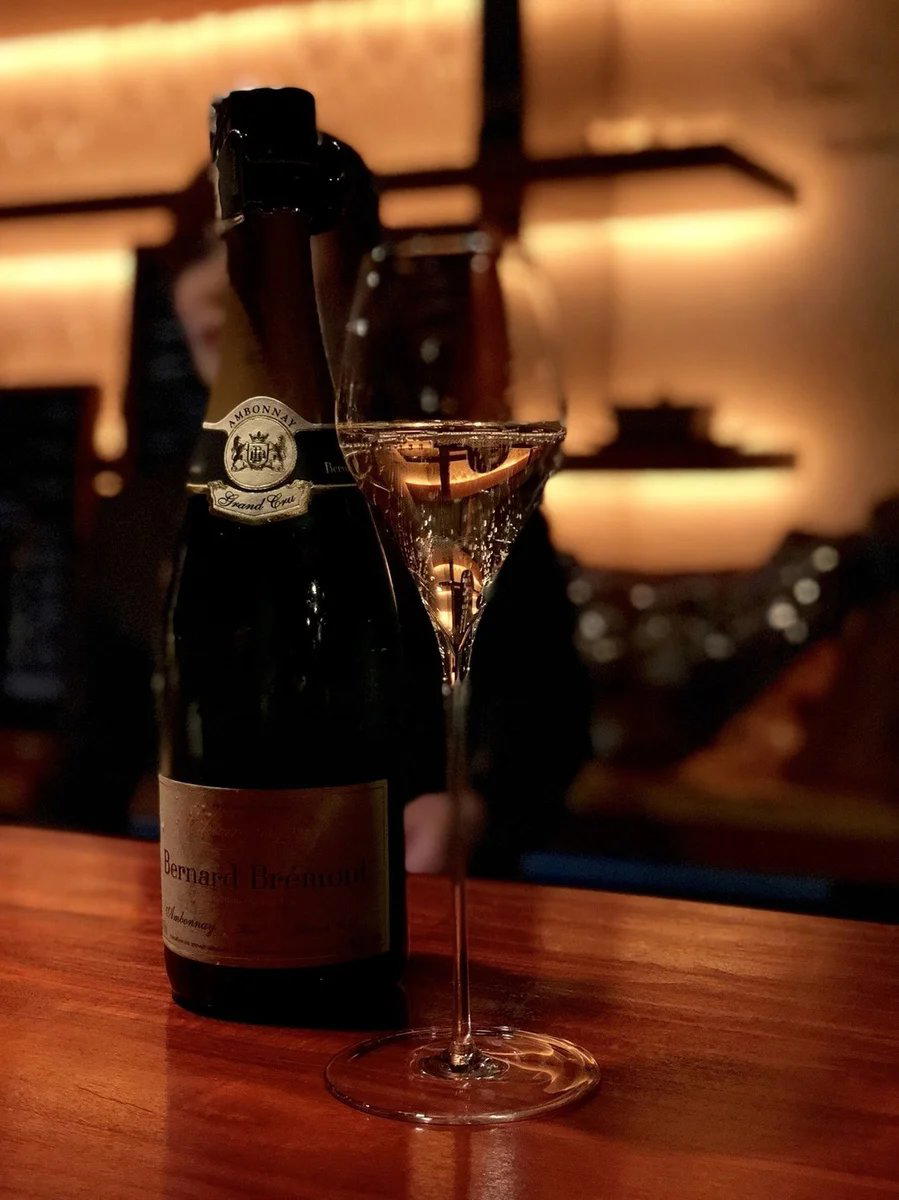
Hotels in Kyoto
Browse all →
Wineries in Kyoto
Browse all →
At a Glance
- Elegant
- Intimate
- Sophisticated
- Special Occasion
- Date Night
- Sake Program
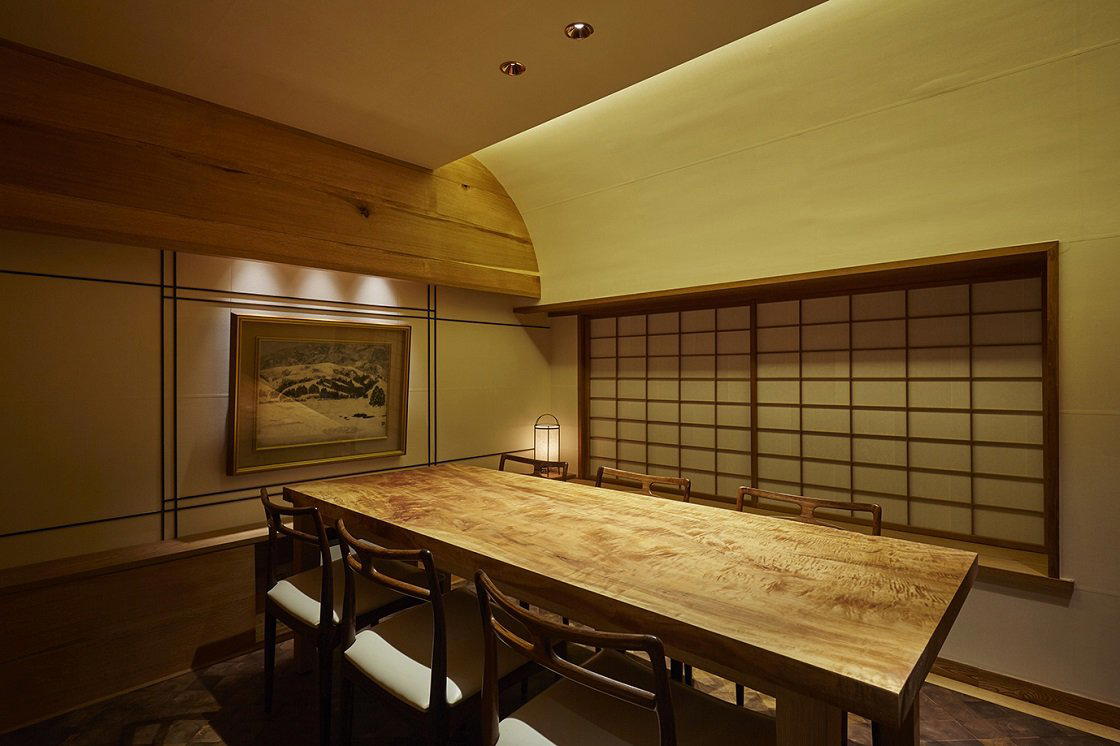
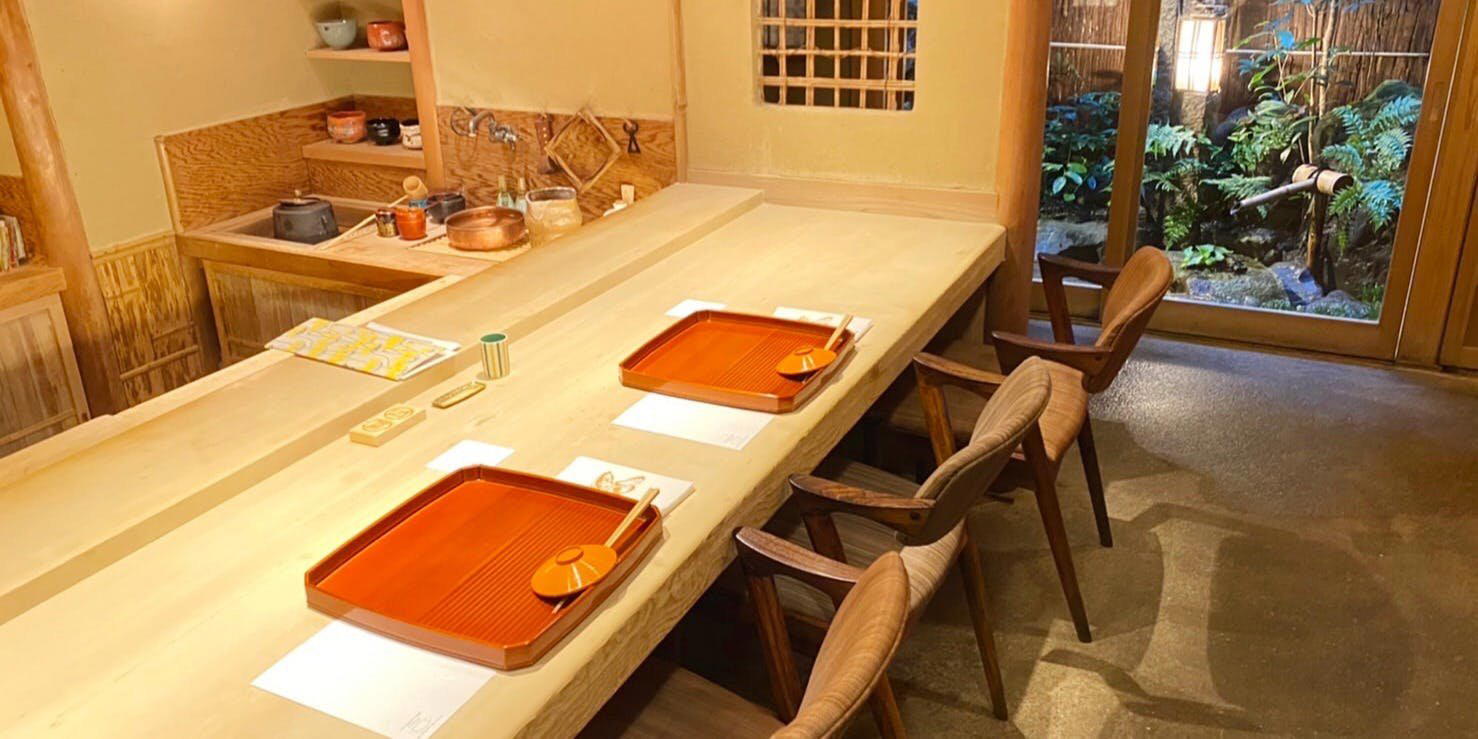
Dimly lit with subtle Japanese lighting, serene and refined atmosphere emphasizing privacy and seasonality.