麺屋 裕 operates in Yamashina, a residential district east of central Kyoto that sits outside the usual tourist circuit. The ramen format here places it at the affordable end of Kyoto's dining spectrum, distinct from the kaiseki houses that define the city's international reputation. For visitors willing to travel beyond the historic core, it represents the kind of neighbourhood-anchored cooking that locals return to regularly.
Pearl is the En Primeur Club membership app — saves, bookings, and concierge access live there. Same editors, same standards.
- Address
- 山科区東野百拍子町25-2, 京都市, 京都府, 607-8153
- Directions
- Get directions
 Saves & bookings on Pearl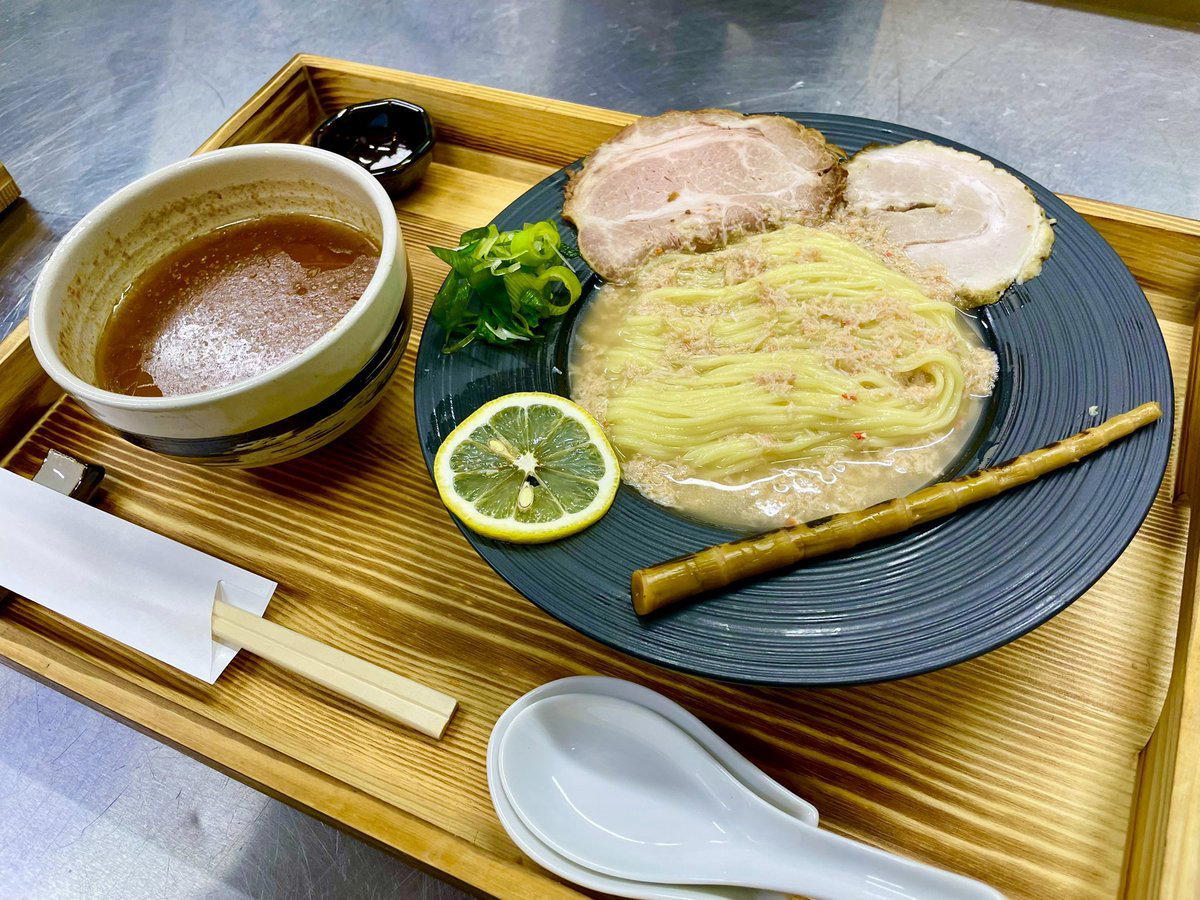
East of the Centre: Ramen in Yamashina
Kyoto's dining identity in international conversation is almost entirely shaped by kaiseki. The multi-course seasonal format, refined over centuries in temple kitchens and teahouse traditions, is what draws visitors to counters like Gion Sasaki, Hyotei, and Kikunoi Honten. But Kyoto also has a parallel dining life that runs at street level, in the residential wards that ring the historic centre, and in formats that have nothing to do with lacquerware or seasonal garnish. Ramen is part of that parallel life, and 麺屋 裕 (Menya Yutaka) sits within it, in Yamashina Ward — a district east of the city centre, separated from Higashiyama by a low ridge, and home to the kind of dense, unglamorous residential fabric that produces the most consistent neighbourhood restaurants in Japan.
The address, in the Higashino area of Yamashina, places the restaurant well outside the radius that most visitors cover. That distance is itself a structural fact about how ramen shops operate in Kyoto. The famous kaiseki houses cluster around Gion, the Kamo River corridor, and the northern cultural zones. Ramen, by contrast, distributes itself through the wards, anchored to commuter patterns and local loyalty rather than tourist itineraries. A restaurant in Yamashina is, by definition, serving its neighbourhood first.
What Ramen Menu Architecture Reveals
Japan's ramen tradition is usefully understood through the lens of menu structure rather than ingredient lists alone. A ramen shop's menu communicates its identity in the first few items: the broth base (shoyu, shio, miso, tonkotsu), the noodle gauge and curl, the toppings hierarchy, and whether additional small plates or rice dishes extend the meal. In Kyoto specifically, the local ramen tradition leans toward shoyu-based broths with a chicken or pork backbone, lighter in body than the tonkotsu-heavy styles of Fukuoka (where Goh operates in a very different dining register) and less architecturally rigid than the dashi-led stocks that inform kaiseki soup courses at places like Mizai.
What the neighbourhood context and format type do suggest is a menu oriented around depth of repeat-visit appeal rather than novelty: the dishes that keep locals returning weekly are almost always simpler and more precisely executed than the dishes designed to impress on a single occasion. That dynamic, common to neighbourhood ramen shops across Japan, tends to produce menus with a short core offering and a small number of optional additions, where the kitchen's energy concentrates on consistency rather than range.
This contrasts sharply with the elaborately structured tasting menus at Kyoto's formal dining addresses. At Isshisoden Nakamura or the kaiseki-adjacent formats at Gion Sasaki, the menu is the experience: sequence, pacing, and seasonal reference are as important as any individual dish. A ramen shop's menu architecture runs in the opposite direction, compressing the entire meal into a single bowl, where broth, noodle, and topping must achieve their effect simultaneously rather than cumulatively.
Yamashina as a Dining District
Yamashina Ward became administratively part of Kyoto in 1931, absorbing what had been a separate town along the old Tokaido route. Its character today is suburban and practical, with train access via the JR Biwako Line and the Kyoto Municipal Subway Tozai Line making it a realistic commuter zone. That infrastructure matters for understanding why independent restaurants here survive: there is a daily flow of people through the area who are looking for reliable meals, not destination dining experiences.
The ward lacks the international recognition of Gion or Arashiyama, which means restaurants there operate without the premium that a tourist address commands. This cuts both ways. Price points tend to be lower; competition is based on local reputation rather than guidebook placement. For a visitor, the trade-off is direct: less atmosphere of historic Kyoto, more authentic contact with the city's everyday food culture. Ramen at this price tier in this kind of neighbourhood is a different proposition entirely from the ¥¥¥¥ kaiseki dinners that Kyoto exports to the world's travel press.
Comparable neighbourhood-anchored cooking exists across Japan's secondary cities and regional wards. Bistro Ange in Toyohashi operates on a similar logic of local loyalty over destination traffic, and the same structural dynamic appears at Birdland in Sakai. Yamashina fits that pattern: a ward with enough residential density to sustain specialist restaurants, but without the tourism infrastructure that transforms a street into a circuit.
Where 麺屋 裕 Sits in Kyoto's Dining Spectrum
Kyoto's formal dining tier is well-documented internationally: the kaiseki houses, the Michelin-starred counters, the multi-course formats where a single dinner runs to several hundred dollars per head. Below that, the city has a functioning everyday restaurant culture that includes ramen shops, izakayas, soba houses, and casual set-lunch formats, all operating at price points accessible to the people who live in the city rather than just visit it. 麺屋 裕 operates in that second tier.
For visitors whose Kyoto itinerary is weighted toward the formal end — kaiseki dinners, tea ceremony experiences, temple circuits, a meal at a Yamashina ramen shop provides a genuine counterpoint. It is not a substitute for the city's high-end dining; it is a different argument about what Kyoto's food culture actually contains. The contrast is informative. Where HAJIME in Osaka or Harutaka in Tokyo position themselves at the apex of their respective cities' formal dining scenes, a neighbourhood ramen shop in Yamashina is positioned at the apex of its local daily-use category: the place residents know is reliable, that doesn't require a booking weeks in advance, and that doesn't ask anything of the visitor except a willingness to leave the tourist centre.
For a fuller picture of where 麺屋 裕 sits within the broader restaurant spectrum, our full Kyoto restaurants guide covers the city's dining tiers from kaiseki to casual, with neighbourhood-level context across the wards. Regional comparisons extend to akordu in Nara and further afield to spots like a counterpart in Nanao and neighbourhood dining in Nishikawa Machi.
Planning a Visit
The Yamashina address is reachable by the Tozai subway line from central Kyoto in under fifteen minutes, making it a practical lunch stop or early-evening meal without significant detour. Ramen shops in Japanese residential districts frequently operate on hours tied to local demand, with afternoon closures between lunch and dinner service being common in the category.
| Venue | Format | Price Tier | District | Booking Required |
|---|---|---|---|---|
| 麺屋 裕 | Ramen (neighbourhood) | ¥ (estimated) | Yamashina | Likely walk-in |
| Gion Sasaki | Kaiseki | ¥¥¥¥ | Gion | Advance reservation |
| Mizai | Kaiseki | ¥¥¥¥ | Central | Advance reservation |
| Regional dining, Takashima | Japanese (regional) | Unconfirmed | Takashima | Unconfirmed |
Standing Among Peers
| Venue | Cuisine | Price | Awards |
|---|---|---|---|
| 麺屋 裕This venue — the venue you are viewing | Not listed | Not listed | This venue |
| Gion Sasaki | Kaiseki, Japanese | ¥¥¥¥ | Michelin 3 Star |
| cenci | Italian | ¥¥¥ | Michelin 1 Star |
| Ifuki | Kaiseki | ¥¥¥¥ | Michelin 2 Star |
| Kyokaiseki Kichisen | Japanese | ¥¥¥¥ | Michelin 2 Star |
| Kyo Seika | Chinese | ¥¥¥ | Michelin 1 Star |
Continue exploring
More in Kyoto
Restaurants in Kyoto
Browse all →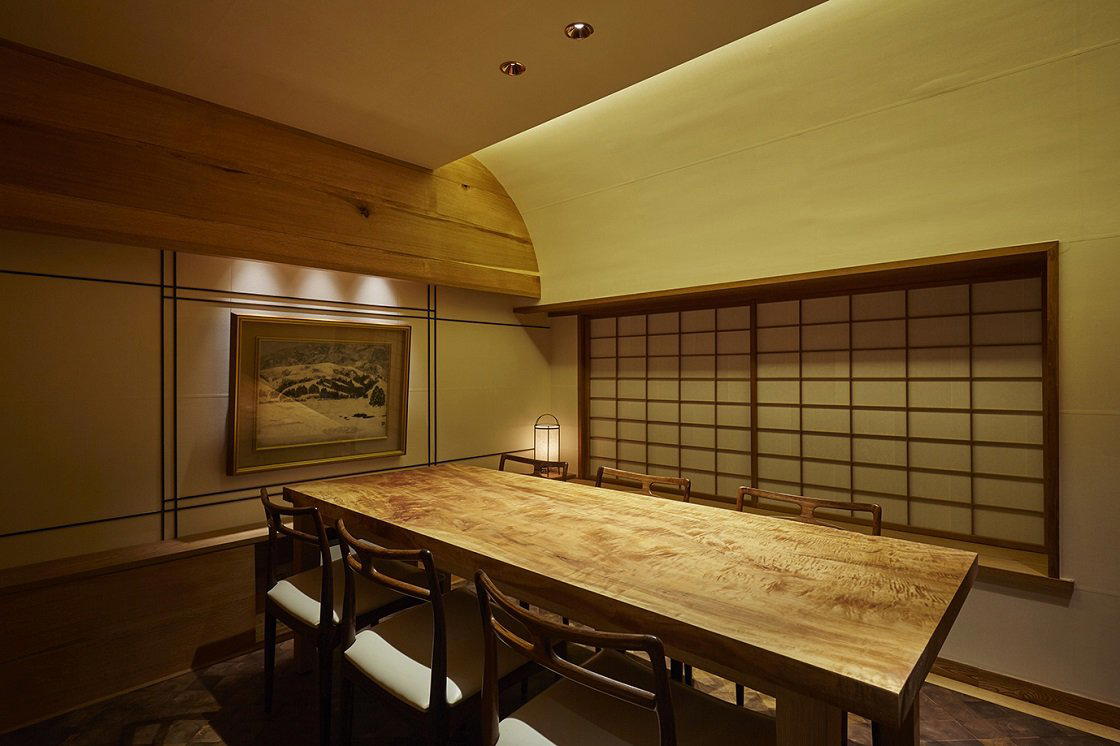
Bars in Kyoto
Browse all →
Hotels in Kyoto
Browse all →

Wineries in Kyoto
Browse all →
At a Glance
- Cozy
- Casual Hangout
- Solo
- Sake Program
Casual counter seating with focus on the kitchen, creating an intimate atmosphere centered around ramen preparation.
Know Before You Go
- Getting there
- 山科区東野百拍子町25-2, 京都市, 京都府, 607-8153