
Kyoto’s izakaya culture is often strongest away from the temple-and-ryokan circuit, where counter seating, fish cookery, noodles, sake and shochu share the same table. Nakae belongs to that neighbourhood tier: a 15-seat Tambaguchi izakaya selected for Tabelog 100 Izakaya WEST 2025, with dinner typically in the JPY 4,000–4,999 range and a format built for regulars rather than spectacle.
Pearl is the En Primeur Club membership app — saves, bookings, and concierge access live there. Same editors, same standards.
- Address
- 京都府京都市下京区西七条赤社町32
- Phone
- +81753123181
- Website
- tabelog.com
 Saves & bookings on Pearl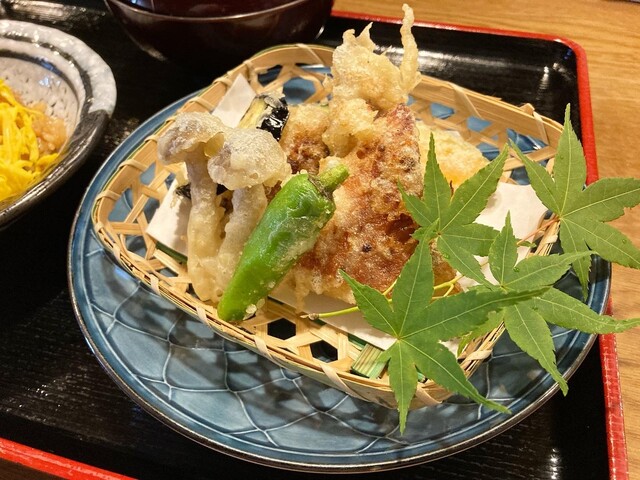
The approach to a serious Kyoto izakaya is rarely theatrical: a modest room, counter seats close enough to read service, and a menu that lets fish, noodles and drinks share an evening without pretending to be kaiseki. Nakae fits that pattern. In a city where attention often pools around Gion, Pontocho and hotel restaurants, Tambaguchi offers a local register, closer to after-work drinking, seasonal seafood and small-plate pacing.
That matters. Kyoto has many formal rooms built around ceremony, but the izakaya remains its flexible social format: kitchen, bar and neighbourhood meeting point. Nakae’s selection for Tabelog 100 Izakaya WEST 2025 places it in a competitive western Japan category where consistency, local appeal and category fluency count. It is not priced like a luxury tasting counter, and should not be judged as one. Dinner sits at JPY 4,000–4,999, while lunch is listed under JPY 999, making the value proposition closer to a trusted local address than a destination splurge.
A compact izakaya format built around fish, drink pacing and counter energy
Kyoto’s stronger izakaya rooms reward sequencing. The meal needs no grand arc; it needs to move from fish to cooked Japanese dishes to noodles without losing balance. Nakae is categorised as an izakaya, Japanese cuisine and noodles address, with an emphasis on fish. That says more than a long menu recital: the kitchen’s range matters, but seafood anchors it.
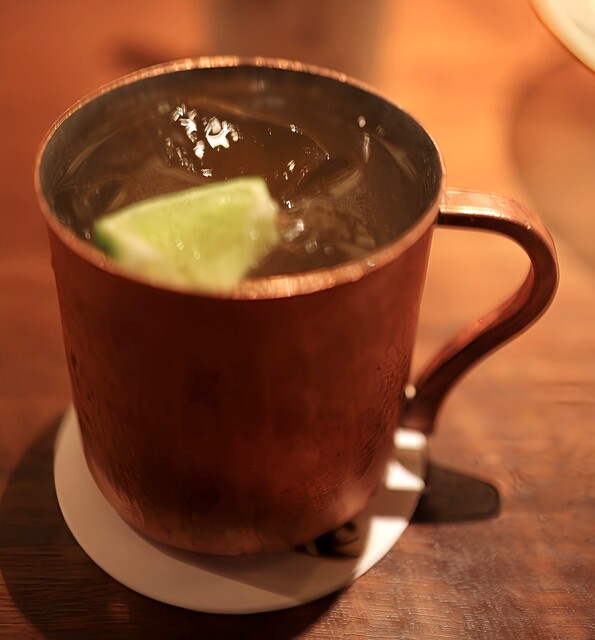
The drinks point to a broader shift in Japanese tavern culture. Older izakaya lists often centred on beer, sake and shochu; newer competitive rooms widen the range without abandoning the core. Here, sake, shochu, wine and cocktails are listed, with particular attention to sake, shochu and cocktails. That makes front-of-house more important than it may look: in a small counter room, timing means knowing when to pour, when to let plates land, and when to move a solo diner from a first drink into a longer meal.
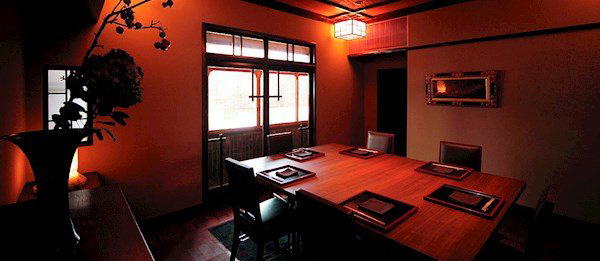
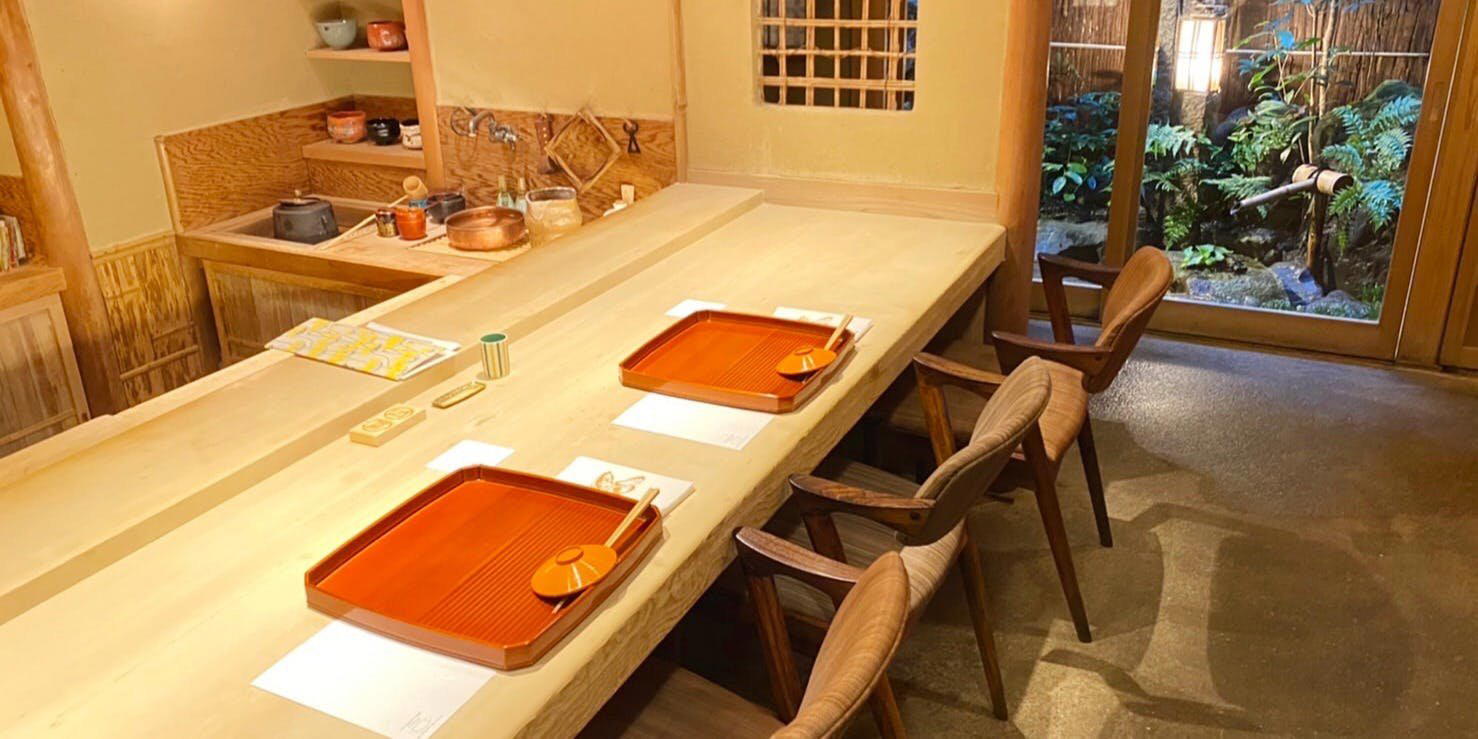
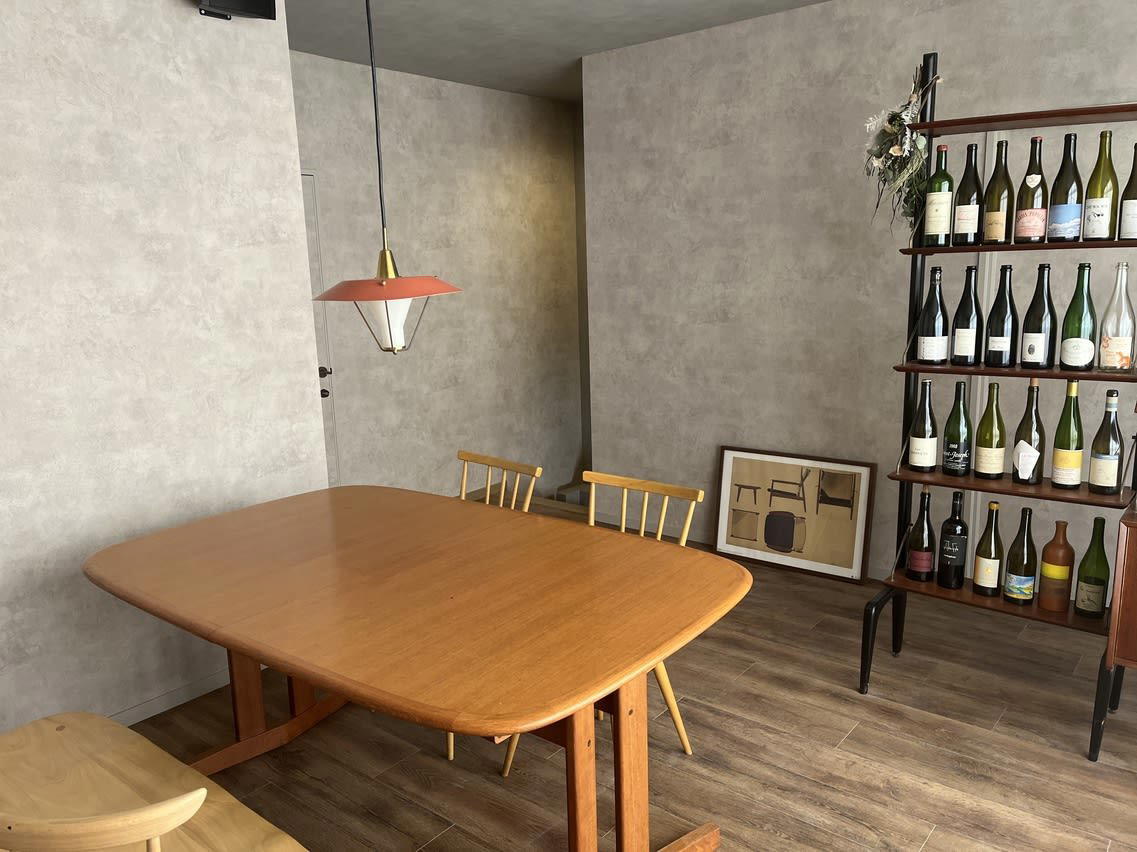
The room size reinforces the dynamic. Fifteen seats, split between a nine-seat counter and six table seats, create an experience closer to managed conversation than a large tavern floor. Counter-heavy izakaya dining in Japan is partly about visibility: kitchen, drinks and pacing are not hidden backstage. For solo diners and pairs, that helps. For larger groups, the format is constrained, though private use is listed for up to 20 people, suggesting the space can be taken over when arranged properly.
Tambaguchi gives Kyoto's tavern scene a different centre of gravity
Location changes expectations in Kyoto. Around Shijo and Kawaramachi, restaurants serve locals, domestic travellers and international visitors moving between shopping streets, bars and hotels. Tambaguchi is less performative, west of the central tourist flow, giving an izakaya permission to operate with fewer gestures toward spectacle. Nakae is about a 10-minute walk from Tambaguchi Station and roughly five minutes on foot from the Gojo Nishioji intersection, so the meal asks for a small detour rather than a full expedition.
That detour is the point. Kyoto dining is not one hierarchy from street food to temple-adjacent fine dining; it is overlapping circuits. A ramen specialist such as Aitsu no Ramen Kataguruma Honten, the lean pricing of Muginoyoake, and a Japanese address such as Uozuya occupy different registers of the same city appetite. Nakae belongs to the izakaya lane, where award recognition and small-seat capacity can matter more than polish. It is a useful counterweight to the city’s more choreographed rooms.
The generational note adds context without myth. Since February 2024, the second generation has taken over a family cooking legacy described as 30 years in the making. In Kyoto, that handover is culturally legible and specific enough to matter. The issue is continuity, not sentimentality: a neighbourhood izakaya with a second-generation operator must preserve regulars while keeping drinks and food relevant for newer diners. The expanded attention to sake, shochu and cocktails suggests that tension is handled through service and selection rather than reinvention for its own sake.
How to place it within a Kyoto eating itinerary
Nakae works in an itinerary that treats Kyoto as a living food city, not only a heritage stage. Pairing a Tambaguchi izakaya dinner with more central meals around Shijo-Karasuma or Nishiki changes the read of the city. For a broader map, Our full Kyoto restaurants guide is the better starting point, especially when balancing izakaya, ramen, sweets and counter dining. Nearby and citywide contrasts include 3TOKU6MI Shijo karasuma ten, 551蓬莱, [ki:], Abbesses and Aburi Mochi Honke Nemoto Kazariya.
The practical read is compact but important. Reservations are available, and the 15-seat scale makes advance planning sensible, especially for dinner. Payment is cash-only; credit cards, electronic money and QR payments are not accepted. Smoking is allowed. Private rooms are not listed, dress code is unnecessary, and parking is unavailable, though paid parking exists nearby. The regular schedule runs Monday through Saturday for lunch and dinner, with Sunday and public holidays closed.
For travellers building a wider Kyoto stay, restaurant choices should sit alongside sleep, drinking and cultural planning rather than compete with them. Use Our full Kyoto hotels guide, Our full Kyoto bars guide, Our full Kyoto wineries guide and Our full Kyoto experiences guide to keep the city coherent. For readers comparing Japanese casual formats beyond Kyoto, useful contrasts include -Grilled beef Sukiyaki- KAMAKURA TANUKIAN 鎌倉 たぬき庵 in Kamakura,. 鮪と炭火焼き うお炭 秋葉原店 in Tokyo,.cafe in Osaka,.know in Kumamoto, (Shoku) Vietnam in Kawasaki, [Curry Senmon Ten] Maruyama Kyoju. in Sapporo, Jōdo Saké Bar in Los Angeles and Onigiri Time in Pasadena.
A Tight Comparison
Comparable venues by cuisine and category.
| Venue | Cuisine | Price | Notes |
|---|---|---|---|
| NakaeThis venue — the venue you are viewing | $$ | ||
| 3TOKU6MI Shijo karasuma ten | $$ | Shimogyō, Japanese Izakaya & Oden Standing Bar | |
| Teppan Tavern Tenamonya | $$ | Higashiyama, Teppanyaki with A5 Wagyu | |
| Ore no Ramen Appare Ya | Joyo, Japanese Ramen | $$ | |
| Tasuki Pass The Baton | $$ | Gion, Traditional Japanese Tea Room & Kakigori | |
| Kichi Kichi (ザ・洋食屋 キチキチ) | $$ | Gion/Pontocho, Japanese Yoshoku (Omurice) |
Continue exploring
More in Kyoto
Restaurants in Kyoto
Browse all →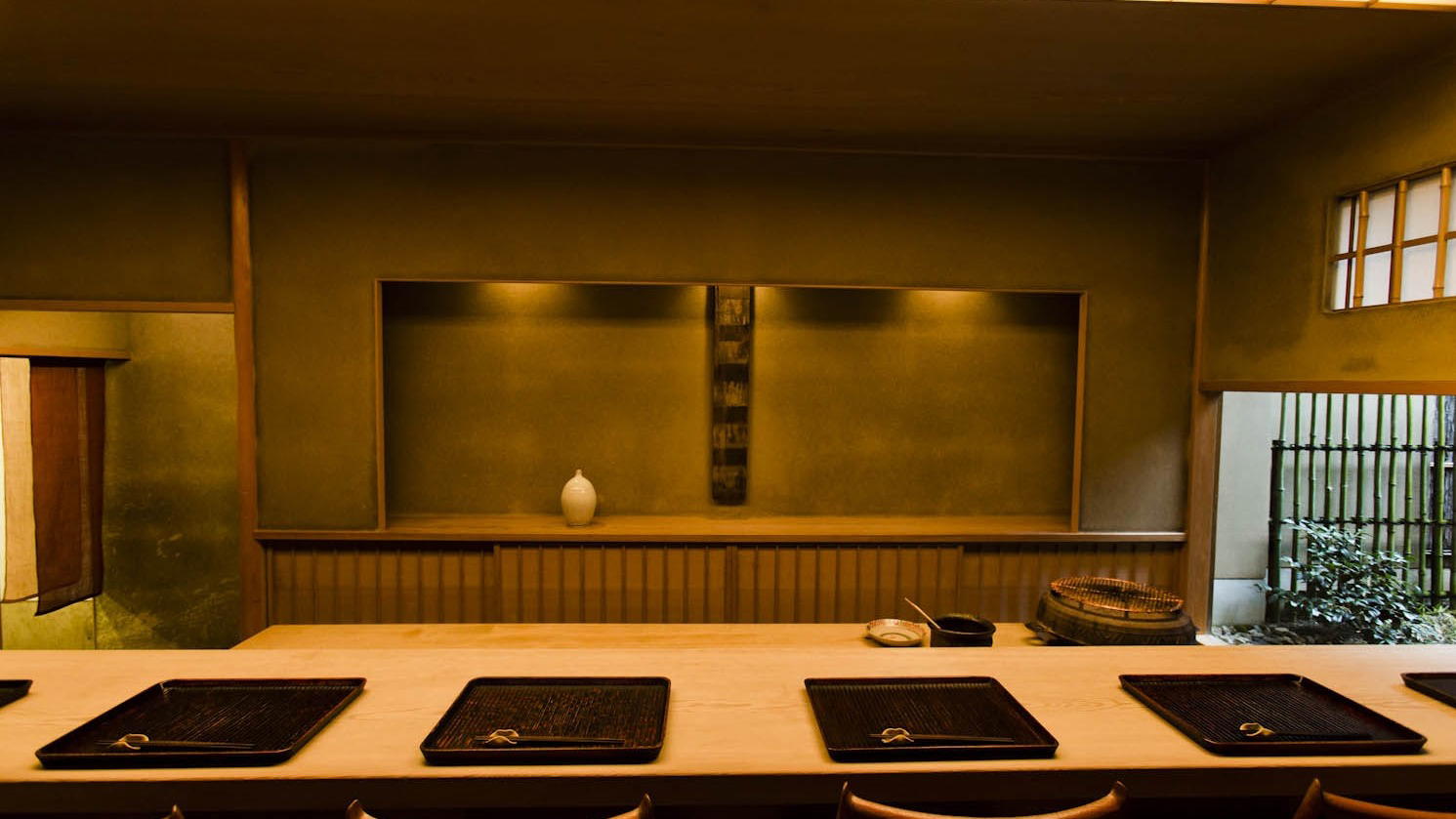
Hotels in Kyoto
Browse all →
Wineries in Kyoto
Browse all →
At a Glance
- Cozy
- Hidden Gem
- Classic
- Intimate
- After Work
- Casual Hangout
- Solo
- Group Dining
- Late Night
- Celebration
- Standalone
- Sake Program
- Beer Program
- Craft Cocktails
Cozy, low-key ‘hideout’ atmosphere with a relaxed counter and a few tables, feeling like a homey house-restaurant where regulars and solo diners are welcomed warmly by the owner couple.