
Menya Inoichi Hanare puts Kyoto ramen in a compact, design-conscious room rather than the city’s more familiar kaiseki frame. Its Tabelog Ramen WEST “Tabelog 100” selections in 2023 and 2025 place it among the region’s closely watched noodle counters, with a format that suits solo diners, families, and travellers reading Kyoto through everyday food as much as ceremony.
Pearl is the En Primeur Club membership app — saves, bookings, and concierge access live there. Same editors, same standards.
- Address
- 京都府京都市下京区高辻通堺町西入泉正寺町463
- Website
- inoichi.stores.jp
 Saves & bookings on Pearl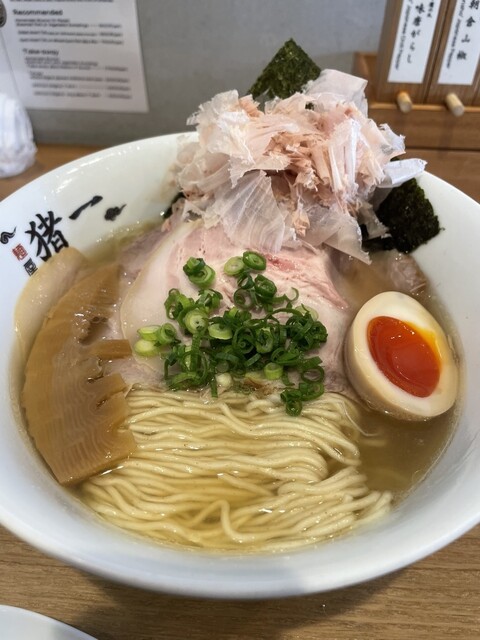
Kyoto’s ramen rooms work on a different scale from its temple-side dining rooms: counter seats, table corners, quick decisions, steam, queue pressure, solo diners, and families. Menya Inoichi Hanare belongs to that compact urban category, where design is traffic control rather than decoration. Its mix of counter seating and tables matters because Kyoto ramen is not only a late-night student habit or station-adjacent convenience; in stronger shops, it becomes a precise expression of broth, noodles, pacing, and spatial discipline.
That is the useful way to read this Shimogyo-ku address. The neighbourhood between Shijo, Karasuma, and Kawaramachi is one of Kyoto’s clearest dining cross-sections: department-store food floors, kappo counters, coffee rooms, casual noodle shops, and serious small restaurants sit within a few blocks. A ramen shop here has to compete on speed, craft, and the city’s habit of restraint. Menya Inoichi Hanare was selected for Tabelog Ramen WEST “Tabelog 100” in 2023 and 2025, placing it inside western Japan’s ramen conversation rather than only Kyoto’s tourist circuit.
A small Kyoto ramen room built around pace, sightlines, and mixed seating
Ramen design is often misunderstood from outside. The counter is not just a seat; it sets the meal’s rhythm. A five-seat counter supports solo dining and fast turnover, while tables make the room workable for pairs, small groups, and children. Menya Inoichi Hanare’s 16-seat layout, with counter and table seating, gives it broader social range than the narrow standing-room or counter-only archetype. In Kyoto, that matters: the stronger casual restaurants are exact without being forbidding.
The room also shapes how visitors experience ramen compared with formal Kyoto dining. Kaiseki and kappo ask diners to slow down and read seasonality course by course; ramen compresses judgment into one bowl and a shorter sitting. The space must carry that shift: orderly enough to feel considered, informal enough to preserve ramen’s directness. Kyoto’s restraint works in the category’s favour. Better rooms avoid loud theming and let spacing, service flow, counter intimacy, and table practicality speak.
Tabelog’s ramen recognition is useful because ramen is crowded, easy to enter, and heavily scrutinised by regulars. A WEST ramen selection does not make a shop comparable to a luxury tasting counter; it places it among noodle specialists assessed within their category. For travellers building a Kyoto itinerary, that distinction matters. This is not the same decision as reserving a high-budget dinner at Kanzan or comparing mid-evening options around KANEGURA. It sits in the everyday-specialist tier, where a focused format carries the meal rather than ceremony, wine service, or a long menu.
How Kyoto ramen fits beside the city's more formal food culture
Kyoto’s dining reputation still leans toward kaiseki, tofu cuisine, tea sweets, obanzai, and temple-adjacent ritual. Ramen cuts across that image. It is urban, quick, and democratic, yet the city’s better bowls often share the local preference for clean structure and controlled intensity. A ramen stop in Shimogyo-ku is therefore more than a convenience between temples. It offers another reading of the city: office workers, families, solo diners, and food-focused visitors sharing a format that rewards repeat habits as much as guidebook planning.
The Kyoto comparison is not only between ramen shops, but between modes of eating. A table at Sakaimachi Kamokura suggests one kind of neighbourhood evening; Shinjuku Menya Fuuka belongs to a similar price-conscious noodle conversation; wabiya moves the decision elsewhere again. The restaurant’s role is defined by keeping ramen within Kyoto’s compact dining geography: serious enough for award lists, casual enough for a normal day, and spatially flexible enough for more than the lone counter diner.
For travellers, the planning value lies in contrast. Kyoto itineraries can become over-weighted with reservation dining, flattening the city into formal rooms. A ramen meal restores proportion. It sits naturally between Nishiki Market browsing, Shijo shopping, gallery visits, or a bar-led evening. Readers mapping the area can use Our full Kyoto restaurants guide for the broader dining picture, then widen the trip with Our full Kyoto hotels guide, Our full Kyoto bars guide, Our full Kyoto wineries guide, and Our full Kyoto experiences guide. The point is not to treat ramen as lesser, but to let it compress craft, speed, and neighbourhood texture into one sitting.
Reading the wider Kyoto and Japan casual-dining map
The same district logic explains why nearby casual and specialist addresses should be read together rather than ranked against one another. 3TOKU6MI Shijo karasuma ten, 551蓬莱, [ki:], and Abbesses show how Kyoto’s central grid absorbs casual and mid-scale eating without losing neighbourhood specificity. Aburi Mochi Honke Nemoto Kazariya points to an older snack tradition, while ramen answers a modern urban appetite.
Against Japan’s wider casual-dining field, the distinction sharpens. A traveller comparing Kyoto with -Grilled beef Sukiyaki- KAMAKURA TANUKIAN 鎌倉 たぬき庵 in Kamakura. 鮪と炭火焼き うお炭 秋葉原店 in Tokyo.cafe in Osaka.know in Kumamoto, (Shoku) Vietnam in Kawasaki, or [Curry Senmon Ten] Maruyama Kyoju. in Sapporo is comparing how each city organizes informality. Beyond Japan, Jōdo Saké Bar in Los Angeles and Onigiri Time in Pasadena show how Japanese formats change once removed from native density.
The restaurant is strongest as a Kyoto ramen decision for readers who care about the room as much as the bowl. Its award history gives external credibility, the compact seating plan explains the experience, and the Shimogyo-ku location places it inside a dense central dining corridor rather than a destination detached from daily movement. In a city often reduced to ceremony, this is the counterpoint: concise, spatially disciplined, and grounded in the everyday mechanics of eating well.
Peers Worth Knowing
Comparable venues at similar price and category levels.
| Venue | Cuisine | Price | Notes |
|---|---|---|---|
| Menya Inoichi HanareThis venue — the venue you are viewing | Modern seafood-based ramen & tsukemen | $$ | Not listed |
| ほしぞら | Korean-style Yakiniku | $$ | Shimogyo-ku |
| Cafe Momoharu | Japanese Cafe with Egg Sandwiches | $$ | Nakagyo Ward |
| Aje Matsubara honten | Yakiniku & Horumon (Offal) Barbecue | $$ | Shimogyō |
| Gion Negiyaki Kana Higashi ten | Kyoto-style Negiyaki & Okonomiyaki Counter | $$ | Higashiyama |
| Arata | Kyoto-Style Okonomiyaki / Teppanyaki | $$ | Minami |
Recognition history
Dated appearances from independent guides and award organizations, with the underlying list record or original source where available.
Tabelog 100 #57 · No. 57
Tabelog · Tabelog 100 - Ramen - WEST - 2025
Continue exploring
More in Kyoto
Restaurants in Kyoto
Browse all →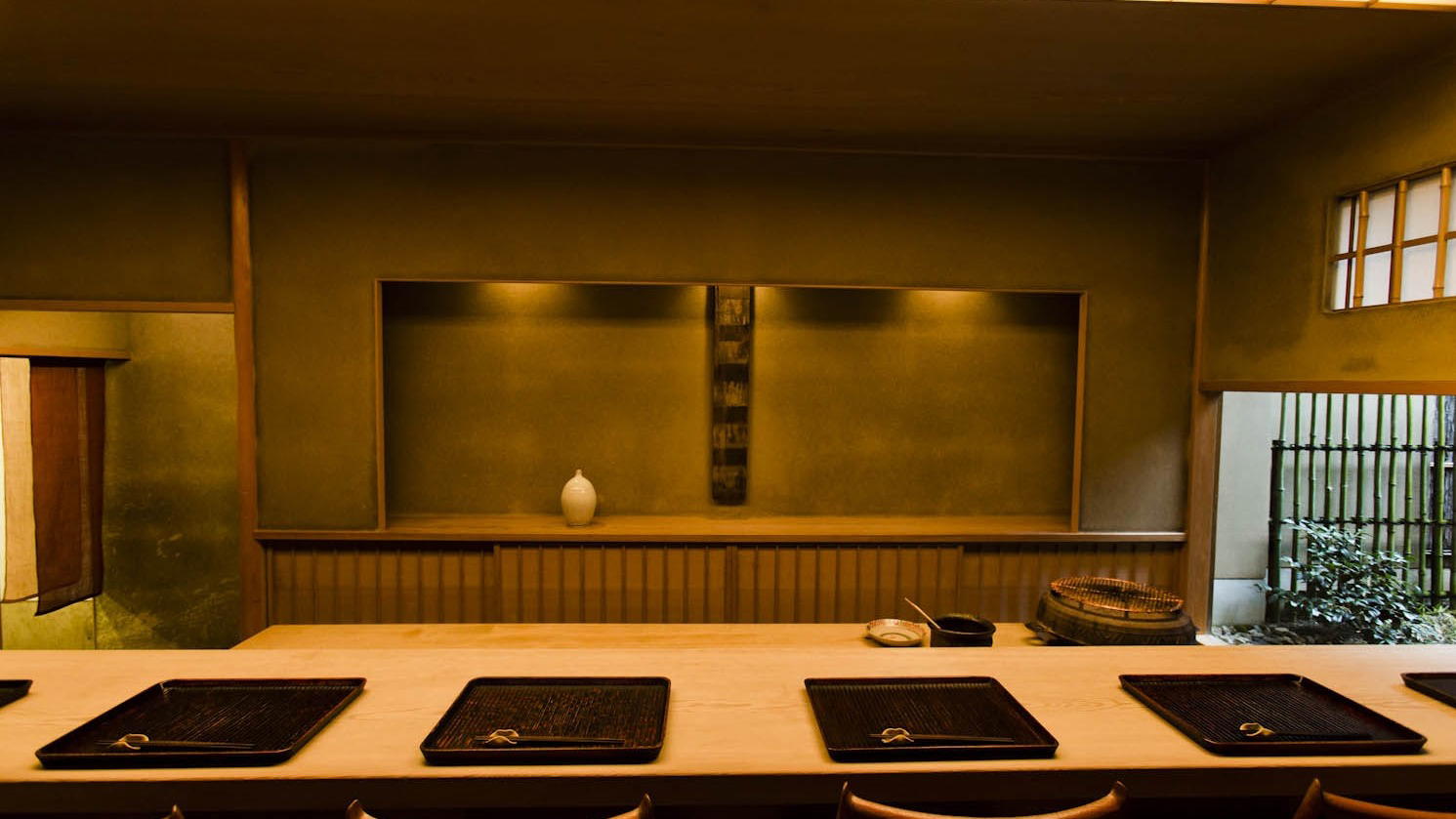


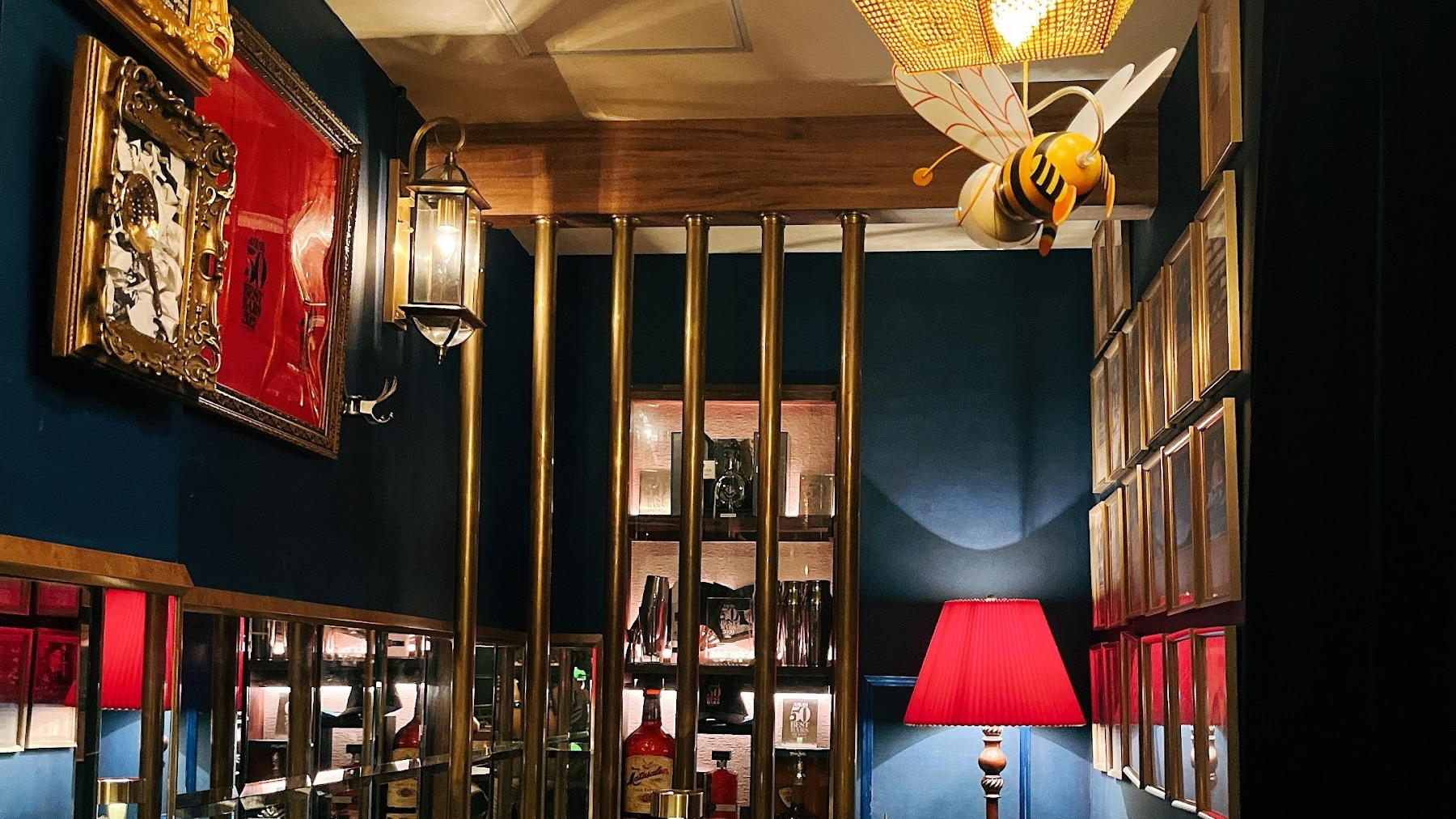
Bars in Kyoto
Browse all →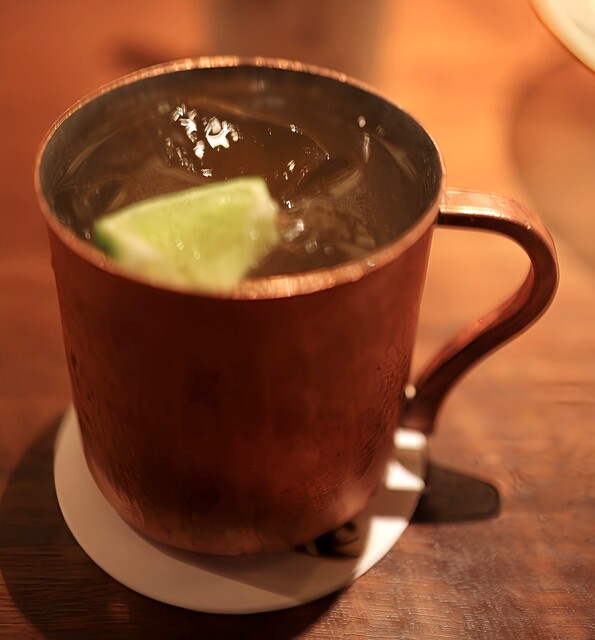

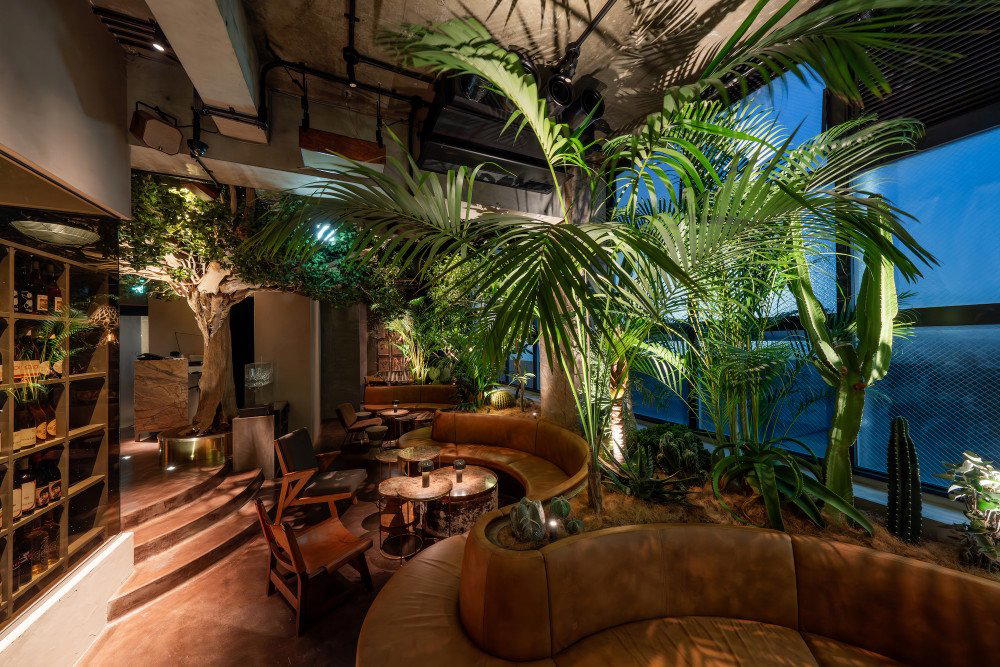

Hotels in Kyoto
Browse all →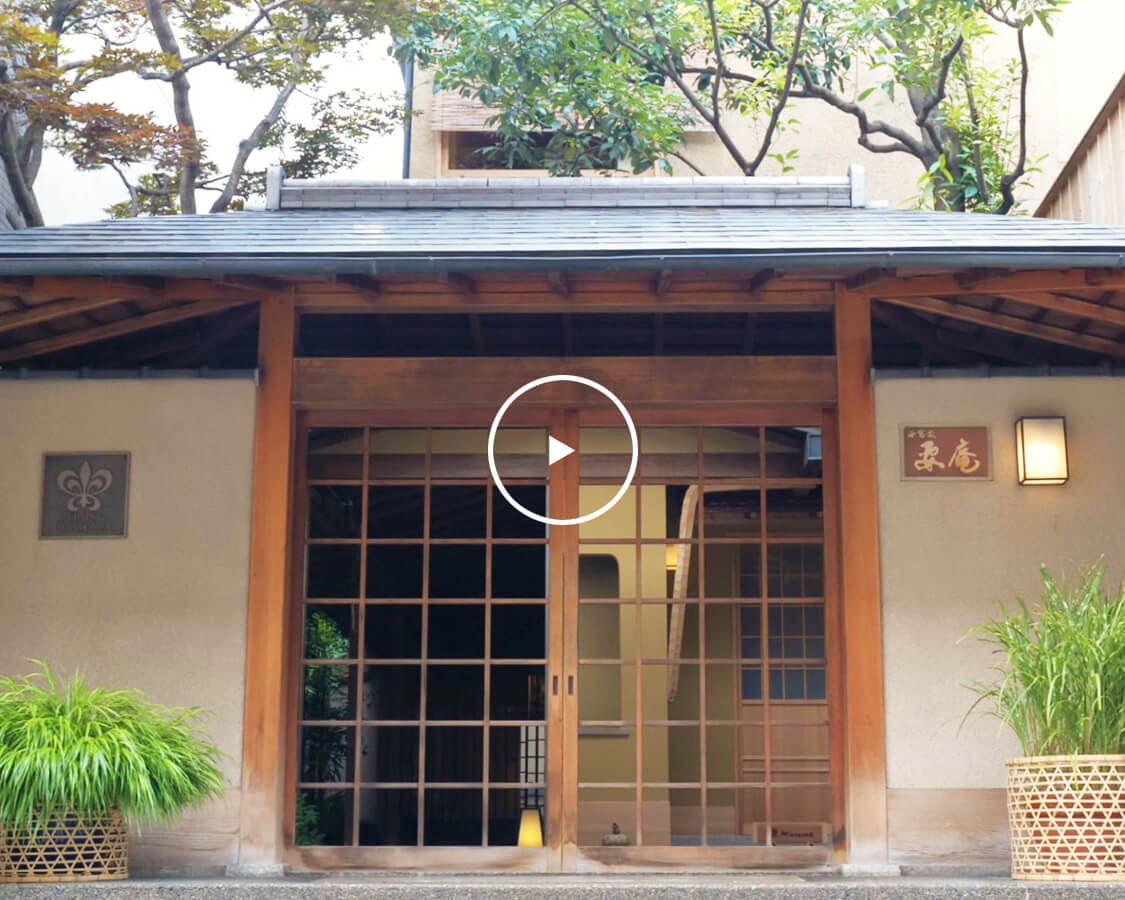

Wineries in Kyoto
Browse all →
At a Glance
- Cozy
- Modern
- Quiet
- Solo
- Casual Hangout
- Date Night
- Standalone
- Design Destination
A small, clean, and quietly bustling ramen shop on a backstreet, with simple modern decor, counter and a few tables, soft lighting, and an orderly queue outside that gives it a calm but serious, almost fine‑dining focus on the noodles.