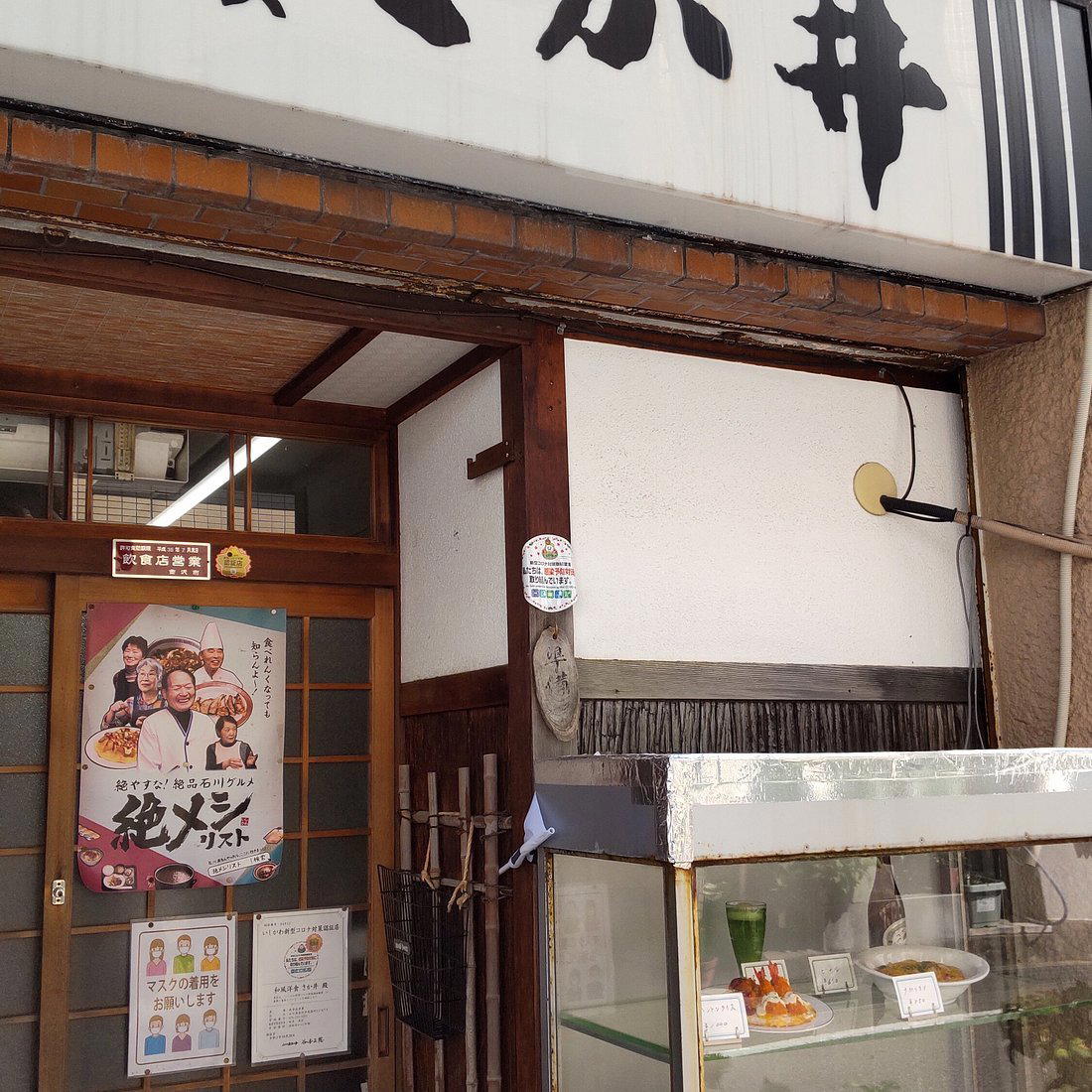
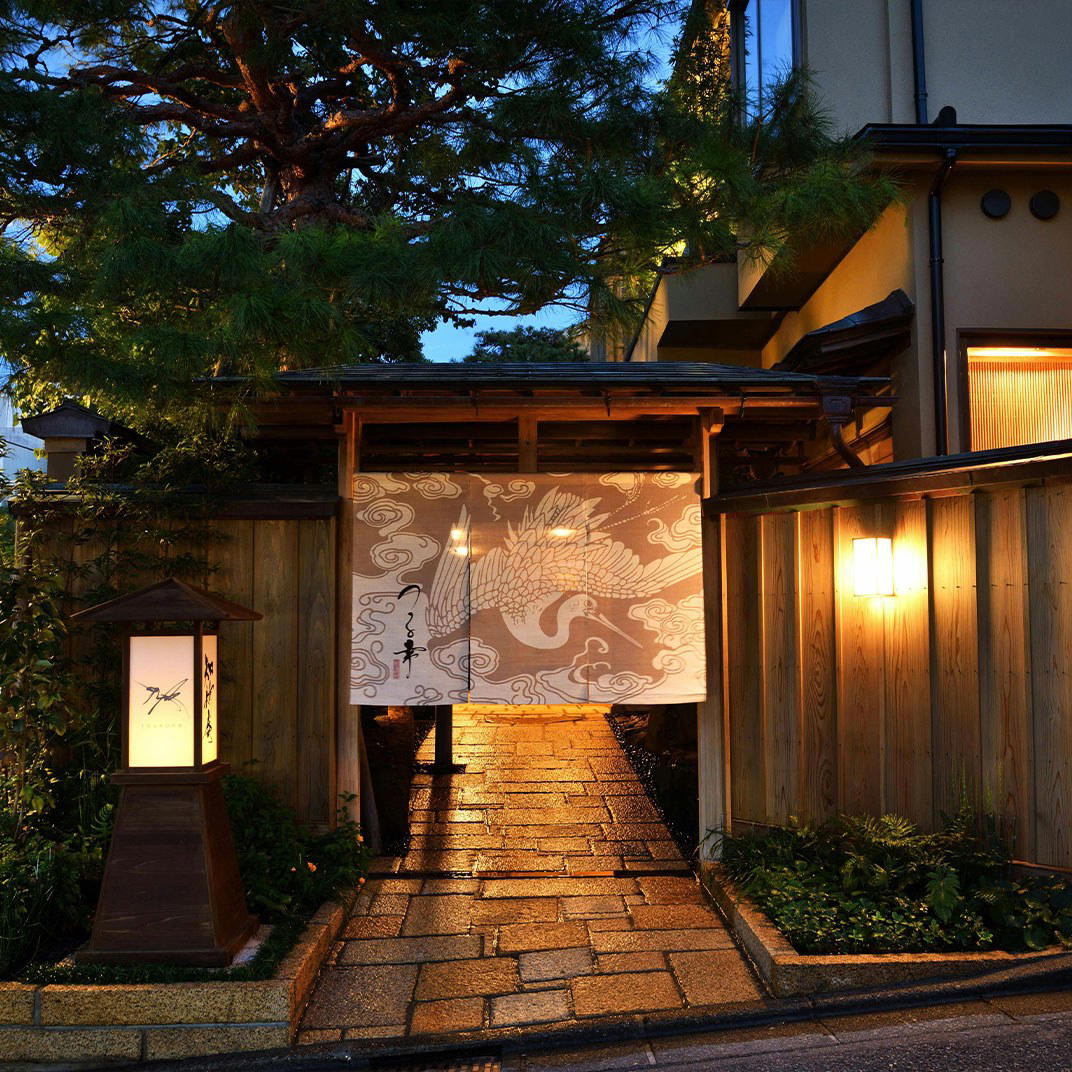
さかい occupies a quiet address in Kanazawa's Koimachi district, operating within a city that has long positioned its food culture as Japan's most ingredient-driven outside Kyoto. The restaurant draws on Ishikawa Prefecture's seafood, mountain vegetables, and artisan producers in a format that sits close to the understated end of Kanazawa's kaiseki-adjacent dining tier. Booking ahead is advisable given the limited-seat format typical of the neighbourhood's serious dining rooms.

Pearl is the En Primeur Club membership app — saves, bookings, and concierge access live there. Same editors, same standards.
Kanazawa's Ingredient Logic
Japan's regional dining culture has always organised itself around supply chains before technique, and Kanazawa makes that hierarchy unusually transparent. The city sits at the intersection of the Sea of Japan's cold-water fishing grounds, the mountainous interior of Ishikawa Prefecture, and a centuries-old craft economy that treats food production, salt, miso, sake, lacquerware, as inseparable from cooking. That combination gives Kanazawa restaurants a sourcing advantage that kitchens in Tokyo or Osaka can only partially replicate through purchasing relationships. さかい, located at 木倉町6-8 in the dense dining pocket between Katamachi and Korinbo, operates within that supply logic. The address places it among Kanazawa's most concentrated blocks of serious eating establishments, a stretch where the competition is not national chains but other quietly serious Japanese kitchens.
The broader context matters here. Kanazawa's food identity has been shaped by its history as a castle town under the Maeda clan, whose patronage sustained artisan culture across lacquer, gold leaf, ceramics, and food. That legacy filters into contemporary restaurants through an expectation of craft at every point in the process: not just cooking method, but the vessel, the provenance of the ingredient, and the seasonality of the presentation.
The Sustainability Frame Kanazawa Already Operates In
Before sustainability became a formal hospitality concept, Kanazawa's restaurant culture was already practicing what the terminology now describes. Short supply chains are structural here, not aspirational. The Noto Peninsula and Nanao Bay, both within reasonable sourcing distance, produce fish, shellfish, and salt under conditions that have not been industrialised in the way that coastal fisheries in more commercially developed prefectures have. Mountain foraged ingredients from Ishikawa's interior arrive through relationships that predate any certification framework. That context is worth naming because it changes what ethical sourcing means in practice at a restaurant like さかい: the constraint is not finding sustainable suppliers but maintaining the kind of direct, volume-limited relationships that sustain small-scale producers over time.
This is the model that Gion Sasaki in Kyoto and HAJIME in Osaka each operate within, though with different formal vocabularies. HAJIME articulates its approach through explicit environmental philosophy. Gion Sasaki anchors it in kaiseki tradition and seasonal constraint. Kanazawa's restaurants, さかい among them, tend toward the less declarative version, sourcing decisions embedded in the menu structure. For restaurants operating in Ishikawa Prefecture's fishing communities, venues such as 三本木 奈加川制 in Nanao demonstrate how hyper-local supply chains function at the coastal end of this regional food system.
The Dining Format and What It Signals
Kanazawa's serious dining rooms divide roughly between kaiseki-format restaurants, which sequence courses through a seasonal logic, and more compressed formats that prioritise a smaller number of preparations at greater depth. The kaiseki comparison set in the city, which includes Dokkan and the well-regarded rooms associated with Kanazawa's traditional cuisine, operates at a price point and formality level that positions the city competitively with Kyoto's mid-tier kaiseki establishments. さかい, given its Koimachi address and the neighbourhood's character, belongs to this serious but not ceremonially stiff stratum of Kanazawa dining.
The 木倉町 block where さかい operates is a useful indicator on its own. Kanazawa's dining geography is specific: the Higashi Chaya geisha district anchors traditional formality to the northeast, while Katamachi and its connecting streets hold a denser, more neighbourhood-scaled mix of izakayas, serious Japanese kitchens, and the occasional specialist room. A restaurant choosing this address is not positioning for tourist foot traffic. It is positioning for regulars, for visitors who have already done their research, and for the local professional audience that treats the Katamachi corridor as a genuine dining destination. That positioning aligns さかい with the Kanazawa dining rooms that prioritise repeat relationships over table turnover.
Kanazawa in the Regional Japanese Fine Dining Picture
Japan's regional fine dining tier has expanded its international recognition over the past decade, with Michelin coverage extending beyond Tokyo and Kyoto to include Osaka, Fukuoka, and Hokkaido. Kanazawa sits in a parallel track: well-documented within Japanese food media and among domestic culinary travellers, but still operating with less global visibility than the headline prefectures. That gap between quality and international recognition is precisely what defines the city's appeal for a certain type of informed traveller. Comparable dynamics play out in Nara, where akordu operates in a city with significant culinary depth and modest foreign tourism volume, or in Fukuoka, where Goh has built a serious reputation within a city that remains underweighted in international fine dining conversation.
For Kanazawa specifically, the comparison extends to the city's own internal diversity. Budoonomori Les Tonnelles represents the French-trained end of the local spectrum. Hakuichi operates in a different register entirely, connecting Kanazawa's gold leaf craft tradition to the food experience. Amanatto Kawamura approaches Kanazawa's confectionery tradition with comparable seriousness. And at one accessible end, Go! Go! Curry anchors the city's claim to a distinct curry style with national reach. さかい occupies the space between those poles: a Japanese kitchen operating at the level of seriousness that Kanazawa's ingredient culture makes possible, without the formality overhead of its most ceremonial peers.
Planning a Visit
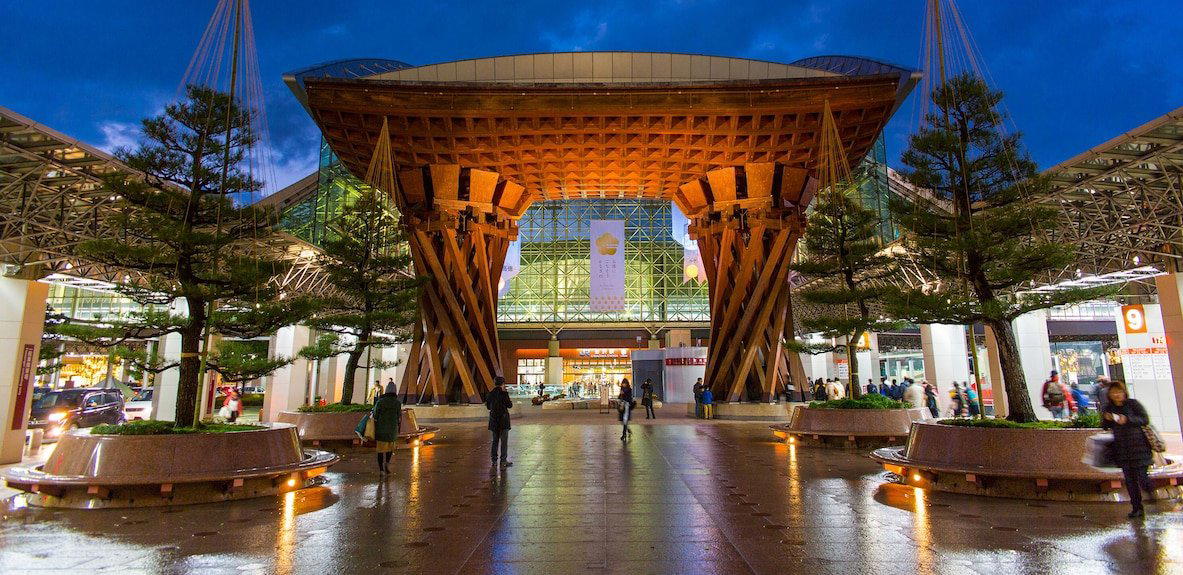
The 木倉町 address is walkable from Kanazawa Station in under twenty minutes or reachable by the Kanazawa Loop Bus to the Katamachi stop in roughly twelve. Reservations made well in advance are the practical standard. Comparable rooms in Kanazawa's serious dining tier book through direct contact rather than third-party platforms, and visitors without Japanese-language capability may find assistance through their hotel concierge one reliable route.
Cuisine Context
Comparable venues nearby, for context on price, style, and recognition.
| Venue | Cuisine | Price | Notes |
|---|---|---|---|
| さかいThis venue — the venue you are viewing | Kaiseki Japanese Cuisine | $$$$ | Not listed |
| 蕎味 櫂 | Kappo-Style Kaiseki | $$$$ | Kanazawa |
| Teppanyaki 「Icho」 | Teppanyaki | $$$$ | Kanazawa |
| é å± å½ä¸é | Traditional Kaga Kaiseki | $$$$ | Kanazawa |
| 片折 | Edomae Omakase | $$$$ | Kanazawa |
| Sushi Dokoro Mekumi | Traditional Japanese Omakase | $$$$ | Nonoichi |
Continue exploring
More in Kanazawa
Restaurants in Kanazawa
Browse all →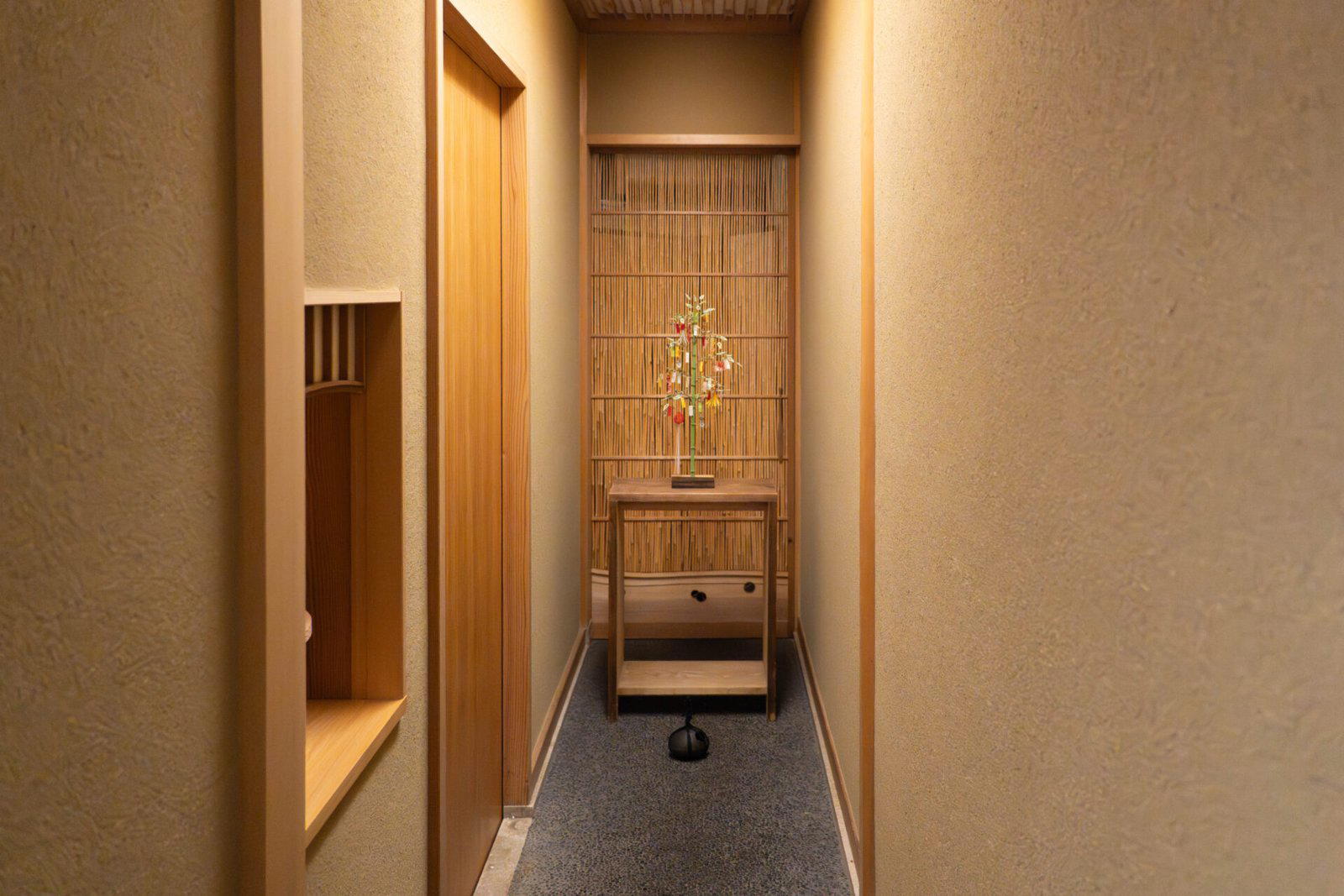
At a Glance
- Elegant
- Sophisticated
- Intimate
- Special Occasion
- Date Night
- Sake Program
- Local Sourcing
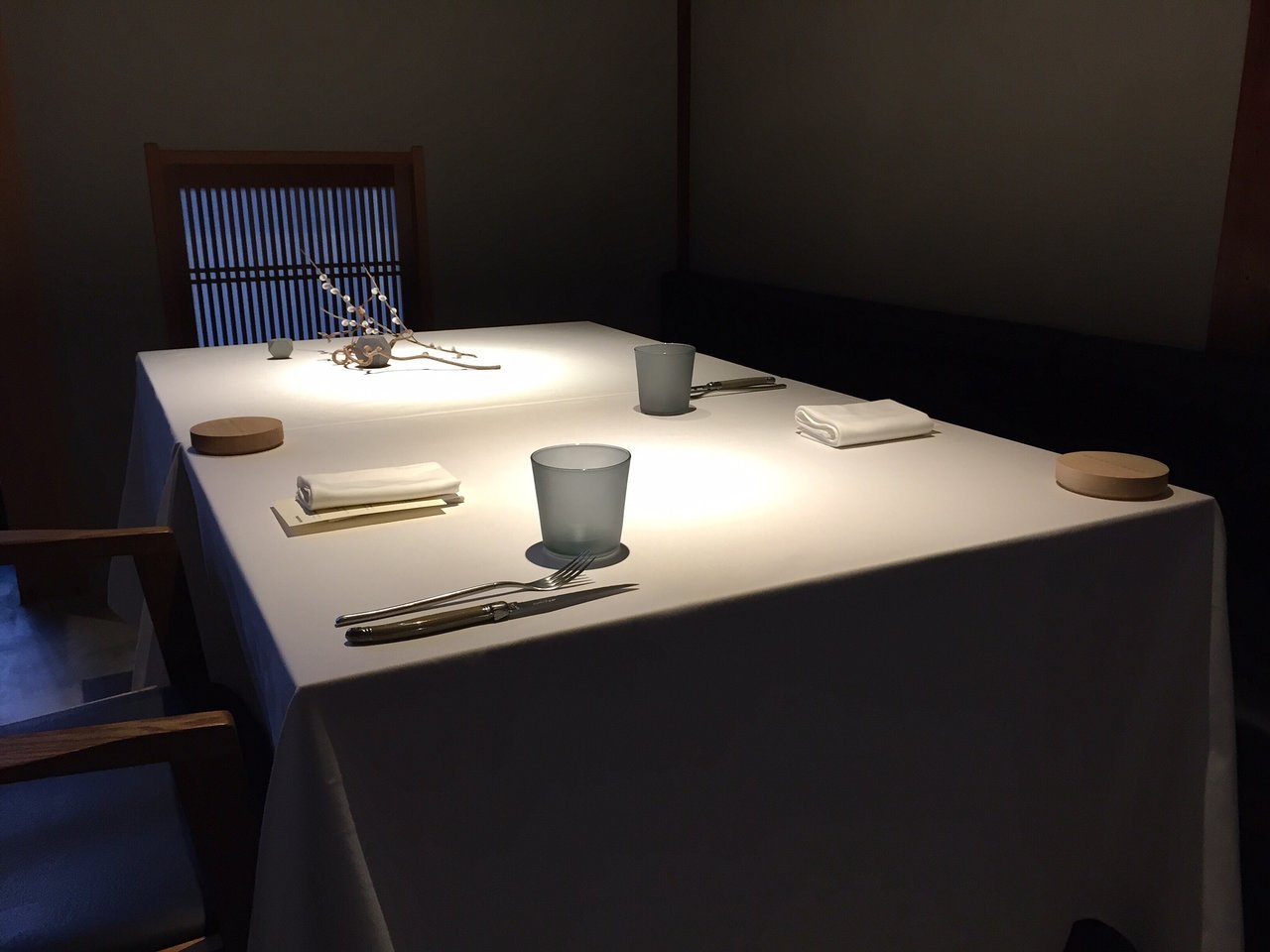
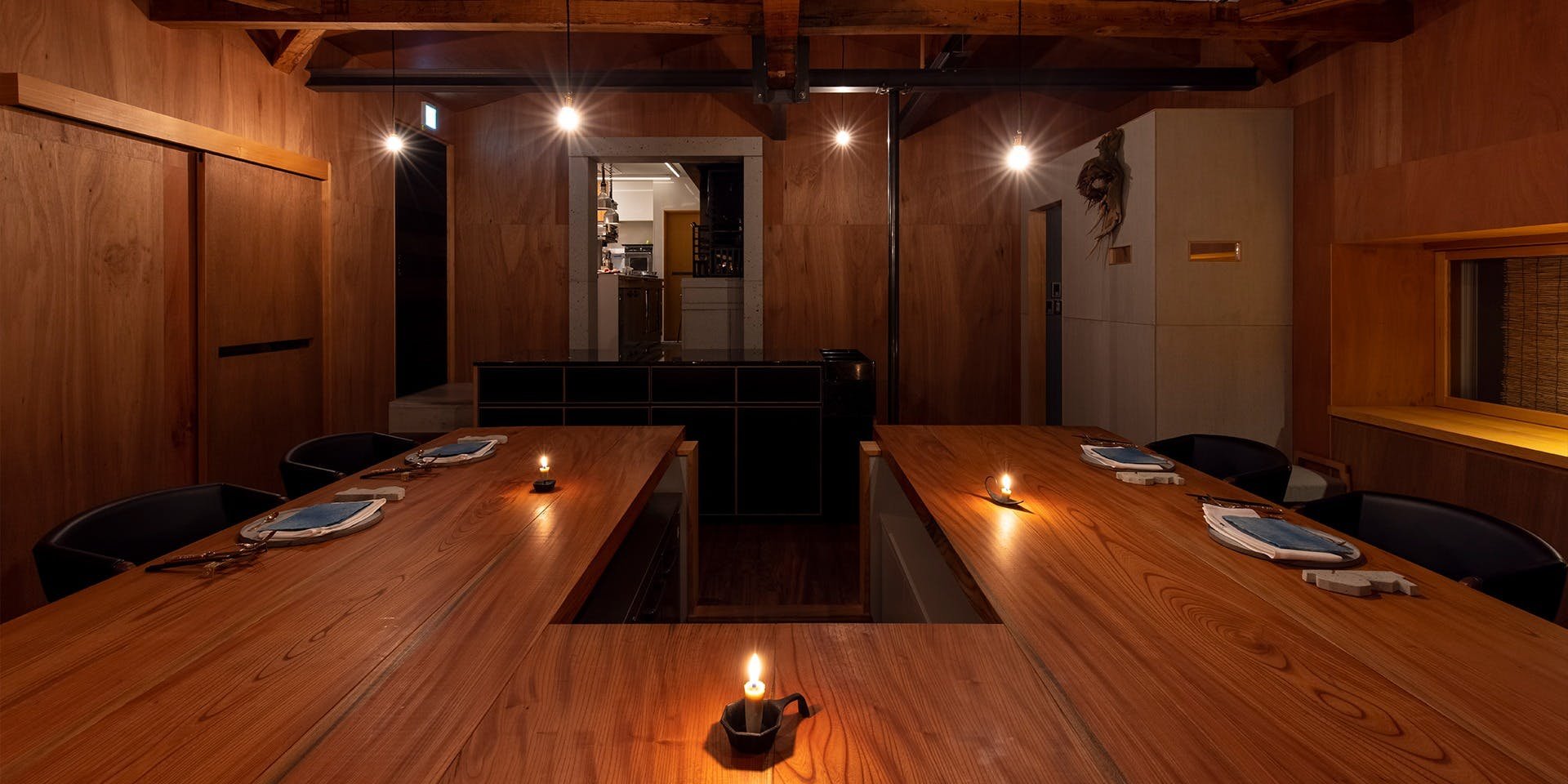
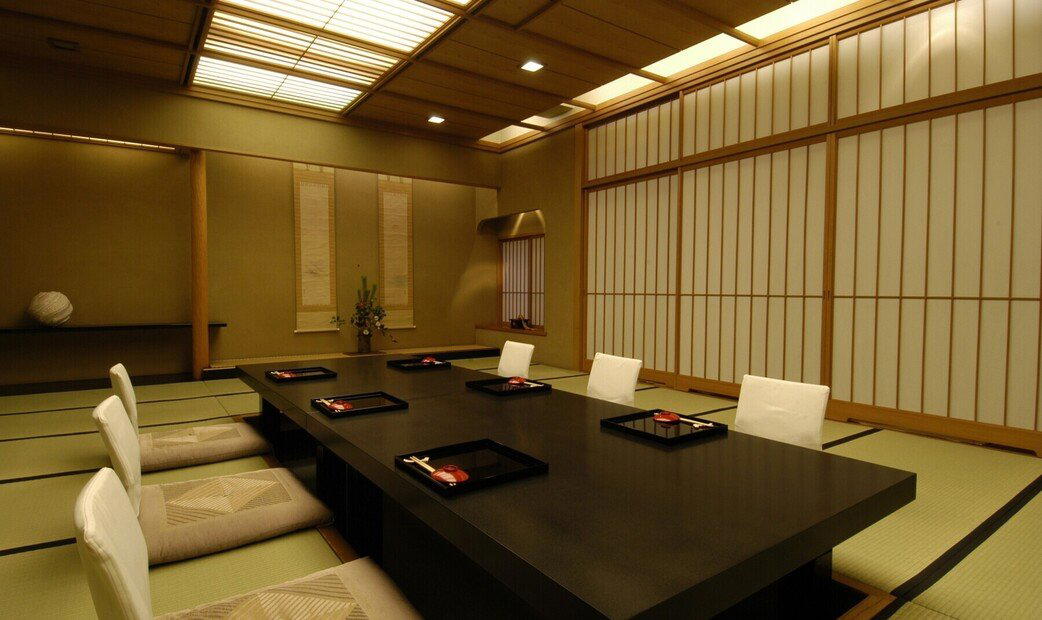
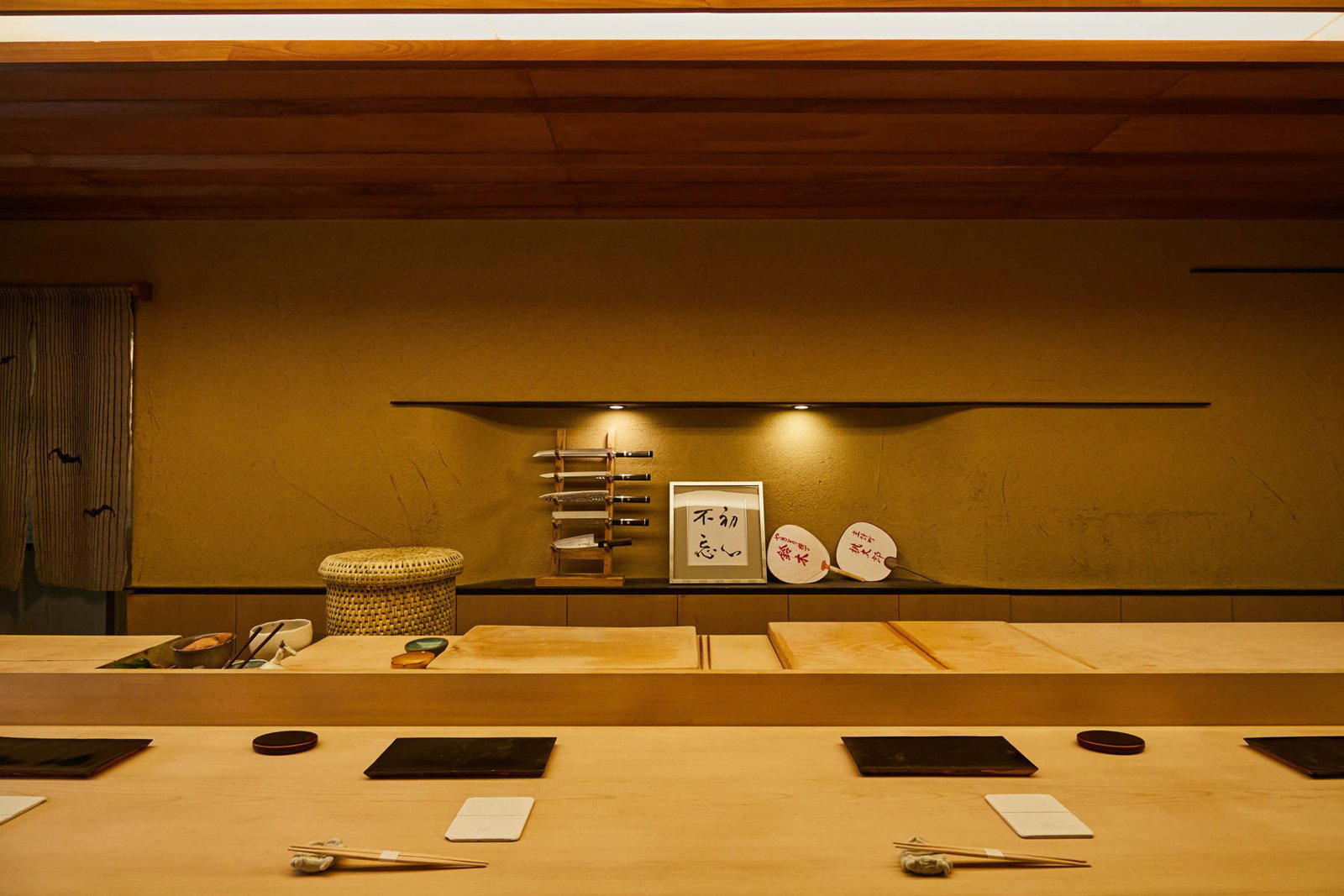
Elegant and auratic interior exuding sophistication in a historic district setting.