
Hand-cut soba, tempura and izakaya-style drinking sit at the center of this Tama Plaza address, with Tabelog 100 Soba EAST 2025 recognition giving it a clear quality signal in Kanagawa’s noodle scene. The appeal is not ceremony for its own sake, but a disciplined soba meal that can move from lunch to a fuller evening around sake, shochu or wine.
Pearl is the En Primeur Club membership app — saves, bookings, and concierge access live there. Same editors, same standards.
- Address
- 3 Chome-13-26 Shinishikawa, Aoba Ward, Yokohama, Kanagawa 225-0003, Japan
- Phone
- +81 45-507-7803
- Website
- soba-furaikyo.com
 Saves & bookings on Pearl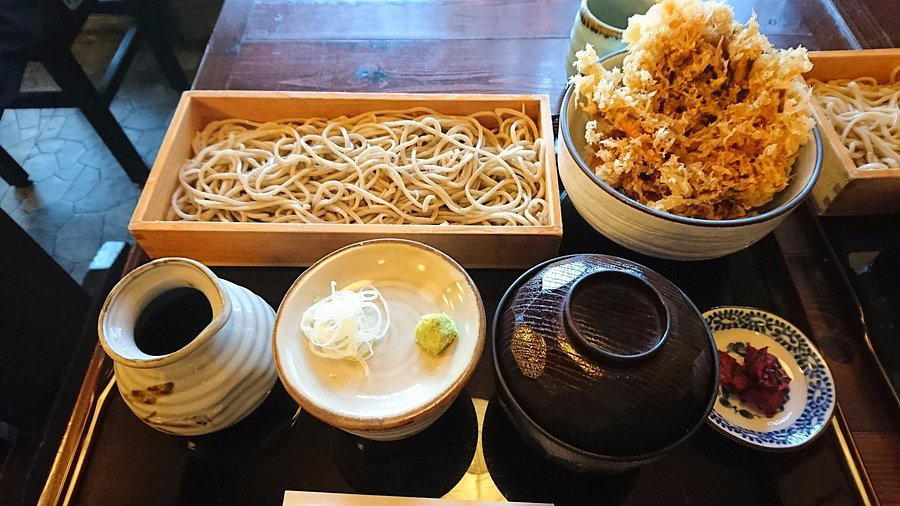
Approaching a serious soba room in suburban Yokohama changes the tempo of a meal before the first order is placed. The city’s dining reputation often leans toward waterfront hotels, Chinatown banquets and station-area drinking, but the quieter prize is found in neighbourhood rooms where handmade noodles carry the meal. Teuchi Soba Fuurai Kyo belongs to that tradition: soba as craft, not as a quick bowl between errands.
That distinction matters in Aoba Ward. Tama Plaza sits outside the tourist reflex of central Yokohama, which helps explain why a soba specialist here reads differently from a polished Minato Mirai dinner. The value is in focus. Instead of paying for skyline theatre or hotel overhead, the meal is anchored by hand-cut buckwheat noodles, tempura and the flexible grammar of an izakaya, with drinks that run through sake, shochu and wine. For a broader sweep of the city’s dining range, Our full Yokohama restaurants guide gives useful contrast; this address sits in the quieter, craft-led lane rather than the spectacle lane.
Hand-cut soba gives the meal its center of gravity
Soba in Japan rewards precision more than excess. The form is spare by design: buckwheat, water, knife work, broth, temperature and timing. In that context, recognition from Tabelog 100 Soba EAST 2025 is a meaningful signal because the list narrows attention to specialists across eastern Japan rather than general-purpose restaurants. Teuchi Soba Fuurai Kyo also carries a Tabelog score of 3.73, a level that places it in a credible tier for diners who use Japanese rating culture as a filter rather than a trophy case.
The menu category tells the story without needing a long chef mythology. Soba is the anchor, tempura extends the meal, and the izakaya frame allows the table to behave less formally than a tasting-menu counter. That combination is common in Japan for good reason: soba can be a restrained lunch, but it also works as the final note after snacks and drinks. The presence of sake, shochu and wine supports that second mode, giving the room more range than a noodle shop built only for turnover.
Yokohama’s restaurant map is broad enough that comparison helps sharpen the choice. 1000 (Yakitori (Grilled chicken skewers)) points toward the grilled-skewer side of the city, while Aichun, Ajowan and Alpenjiro Honten show how much local eating depends on tightly defined genres. Soba fits that pattern particularly well: the narrower the premise, the more the small decisions count.
Value here comes from specialization, not luxury signals
The strongest argument for this kind of meal is the ratio between craft and outlay. In Yokohama, dinner at meat-led venues such as Sumibi Yakiniku Horumon Urara can sit in a higher spend band, while casual sweets and bakery-adjacent stops around Tama Plaza occupy a different, lighter category. A soba specialist with tempura and drinks occupies the useful middle: enough technique to justify a planned meal, without pushing the evening into occasion-dining economics.
That middle position is increasingly important in Japan’s restaurant culture. Premium dining has become polarized between high-cost counters and casual chains, leaving independent specialists to carry much of the everyday craft tradition. Soba is especially well suited to that role because the diner can read quality through texture, cut, aroma and temperature rather than through luxury ingredients. When the format works, it feels measured rather than restrained for effect.
The room’s 38-seat scale also matters. It suggests a neighbourhood restaurant with enough capacity for families and friends, not a tiny counter engineered for scarcity. Counter seating adds another layer for solo diners or pairs who want the pace of a focused noodle meal. Private rooms and private use are not part of the format, which is consistent with a soba-and-izakaya structure built around shared public dining rather than sealed-off entertaining.
The location changes the decision calculus. A meal here makes sense for travellers already exploring the northern side of Yokohama, staying near the Den-en-toshi Line, or building a day that does not depend on central waterfront landmarks. Those planning a wider trip can place it alongside Our full Yokohama hotels guide, Our full Yokohama bars guide, Our full Yokohama wineries guide and Our full Yokohama experiences guide, because the appeal depends as much on itinerary fit as on appetite.
How to place it in a wider Japan food itinerary
For visitors moving beyond Yokohama, the lesson is not that every meal should be destination dining. Japan rewards category literacy. A soba room in Tama Plaza, a sukiyaki address such as -Grilled beef Sukiyaki- KAMAKURA TANUKIAN 鎌倉 たぬき庵 in Kamakura, a Vietnamese counter like (Shoku) Vietnam in Kawasaki, or Tokyo drinking food such as. 鮪と炭火焼き うお炭 秋葉原店 in Tokyo each asks a different question of the diner. The point is to match format to context rather than chase a single ranking logic.
That same thinking applies farther afield..cafe in Osaka.know in Kumamoto, [Curry Senmon Ten] Maruyama Kyoju. in Sapporo, Anzen Shokudo, Jōdo Saké Bar in Los Angeles and Onigiri Time in Pasadena all underline the same editorial point: specialization is often where value becomes legible. Teuchi Soba Fuurai Kyo is compelling for diners who want that clarity in Yokohama, especially when the meal is judged by craft, proportion and category discipline rather than luxury theatre.
Credentials Lens
Comparable venues to calibrate price, style, and recognition.
| Venue | Cuisine | Price | Notes |
|---|---|---|---|
| Teuchi Soba Fuurai KyoThis venue — the venue you are viewing | Seasonal Handmade Soba & Soba Kaiseki | $$$ | Not listed |
| Chiba Hanare | Yakitori | $$$ | Kanagawa |
| Yakitori Midori | Yakitori Omakase | $$$ | Naka |
| Sushi Tsugu | Edomae Sushi Omakase | $$$ | Naka |
| RAMAI Yokohama isezaki mo-ru ten | Hokkaido-style soup curry & Indonesian-inspired curry | $$ | Naka |
| Alpenjiro Honten | Soup and steak curry house | $$ | Naka |
Recognition history
Dated appearances from independent guides and award organizations, with the underlying list record or original source where available.
Tabelog 100 #89 · No. 89
Tabelog · Tabelog 100 - Soba - EAST - 2025
Continue exploring
More in Yokohama
Restaurants in Yokohama
Browse all →


Bars in Yokohama
Browse all →




Hotels in Yokohama
Browse all →




Wineries in Yokohama
Browse all →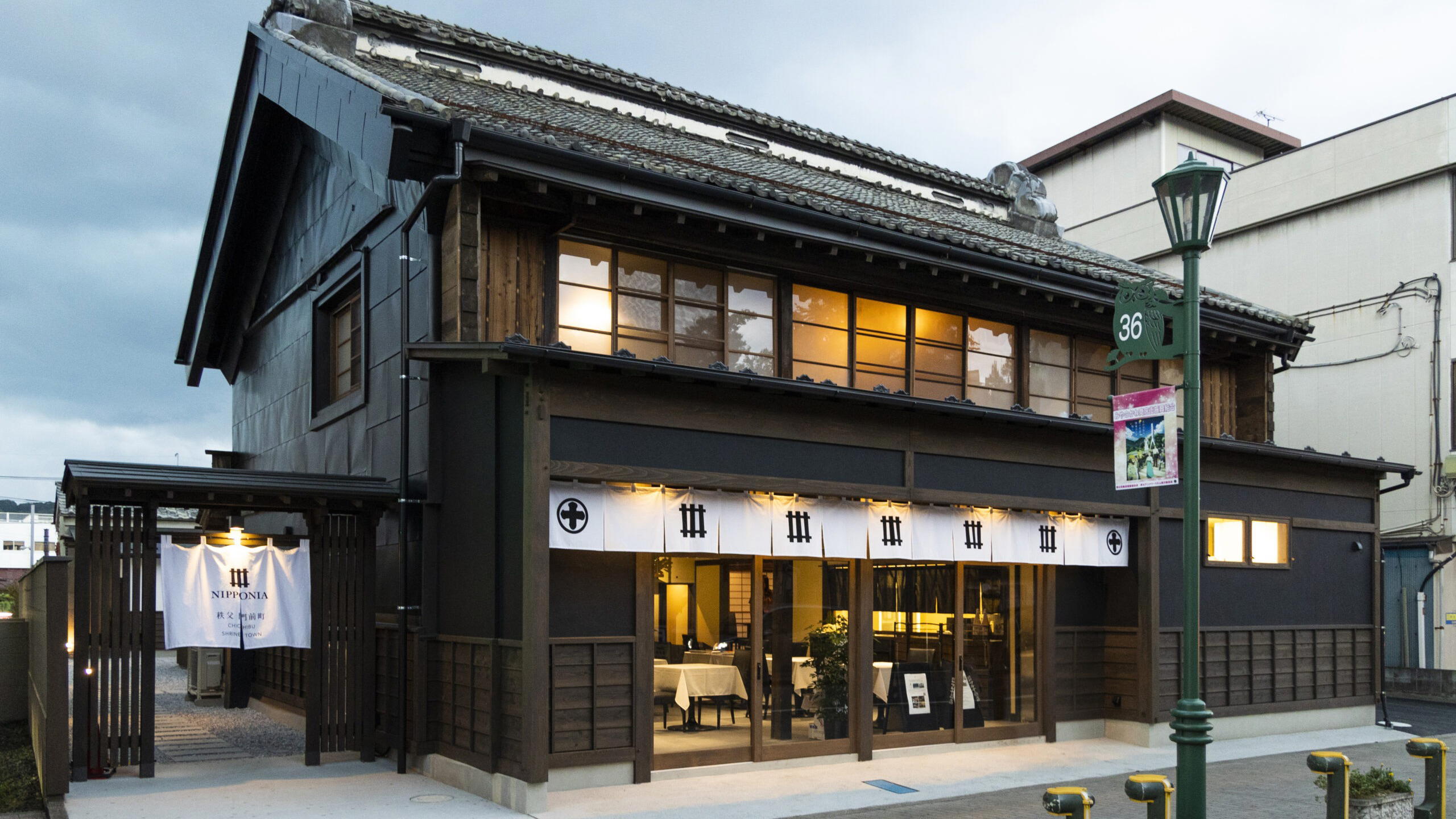
At a Glance
- Cozy
- Elegant
- Intimate
- Quiet
- Date Night
- Business Dinner
- Special Occasion
- Group Dining
- After Work
- Solo
- Standalone
- Private Dining
- Sake Program
- Local Sourcing
- Farm To Table
Current opening hours
- Monday
- 11:30 AM–3 PM, 6–9:30 PM
- Tuesday
- Closed
- Wednesday
- Closed
- Thursday
- 11:30 AM–3 PM, 6–9:30 PM
- Friday
- 11:30 AM–3 PM, 6–9:30 PM
- Saturday
- 11:30 AM–3 PM, 6–9:30 PM
- Sunday
- 11:30 AM–3 PM, 6–9:30 PM
Hours can change for holidays and private events. Last verified .
Calm and understated, with a focus on relaxed conversation and seasonal touches such as flowers and menu design that reflect the four seasons; more like a small soba kaiseki restaurant than a casual noodle shop.