常 sits on the second floor of a Nishiazabu building in Minato-ku, occupying the quieter, less-visible register that Tokyo's most serious dining rooms often favor. The address places it among a cluster of high-commitment Japanese restaurants where the format, not the signage, does the work. Specific details on cuisine type, pricing, and booking are best confirmed directly through current channels.
Pearl is the En Primeur Club membership app — saves, bookings, and concierge access live there. Same editors, same standards.
- Address
- Japan, 〒106-0031 Tokyo, Minato City, Nishiazabu, 4 Chome−11−25 モダンフォルム西麻布ビルパートIII 2F
- Phone
- +815054878111
- Website
- ggbj602.gorp.jp
 Saves & bookings on Pearl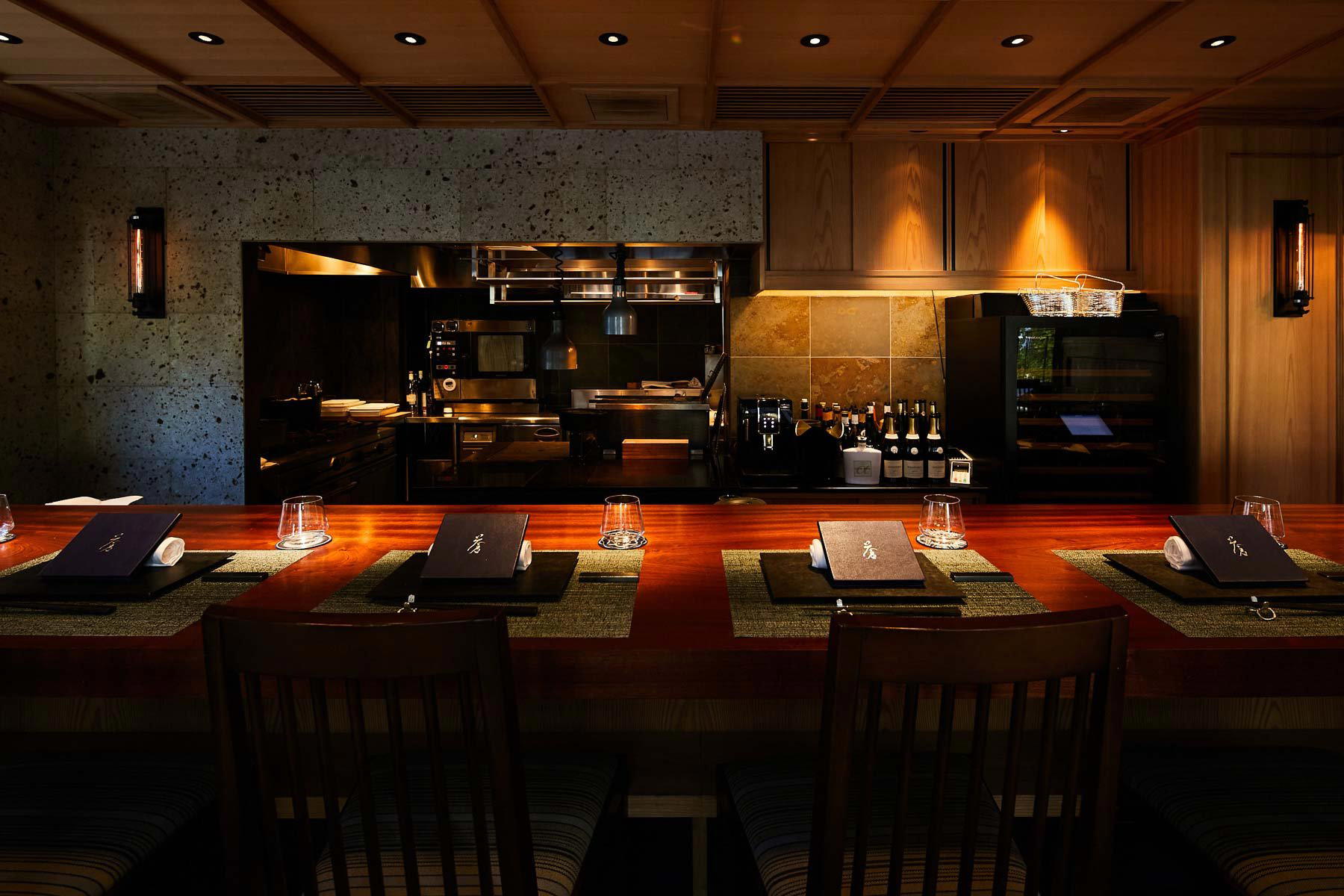
The Nishiazabu Register
Tokyo's fine dining map has a particular geography. The loudest addresses tend to cluster around Ginza and Roppongi's main arteries, where visibility and foot traffic support a certain kind of restaurant economy. 常 is a Tokyo restaurant in Nishiazabu, Minato City, serving Japanese Set Meals and holding. But a different tier operates in the side streets of Nishiazabu and the quieter blocks of Minato-ku, where the assumption is that guests already know where they are going. 常, on the second floor of a low-profile building on 4-chome in Nishiazabu, belongs to that second category. The address is functional rather than declarative, and that tells you something before you have eaten a single course.
Nishiazabu has long functioned as a counterweight to the more performative dining districts nearby. The neighborhood holds a concentration of Japanese restaurants operating at high commitment levels with minimal street presence, a format that recurs across the city's most demanding culinary institutions. Restaurants in this zone tend to rely on repeat guests and word-of-mouth routing rather than walk-in traffic, which shapes everything from room size to pacing.
Approaching the Room
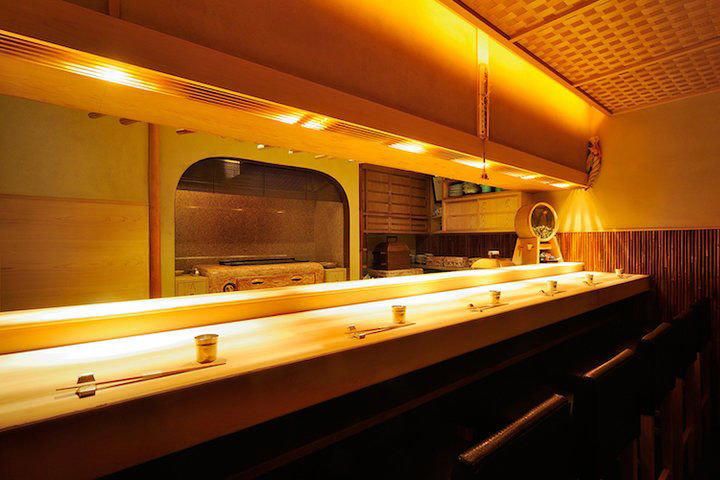
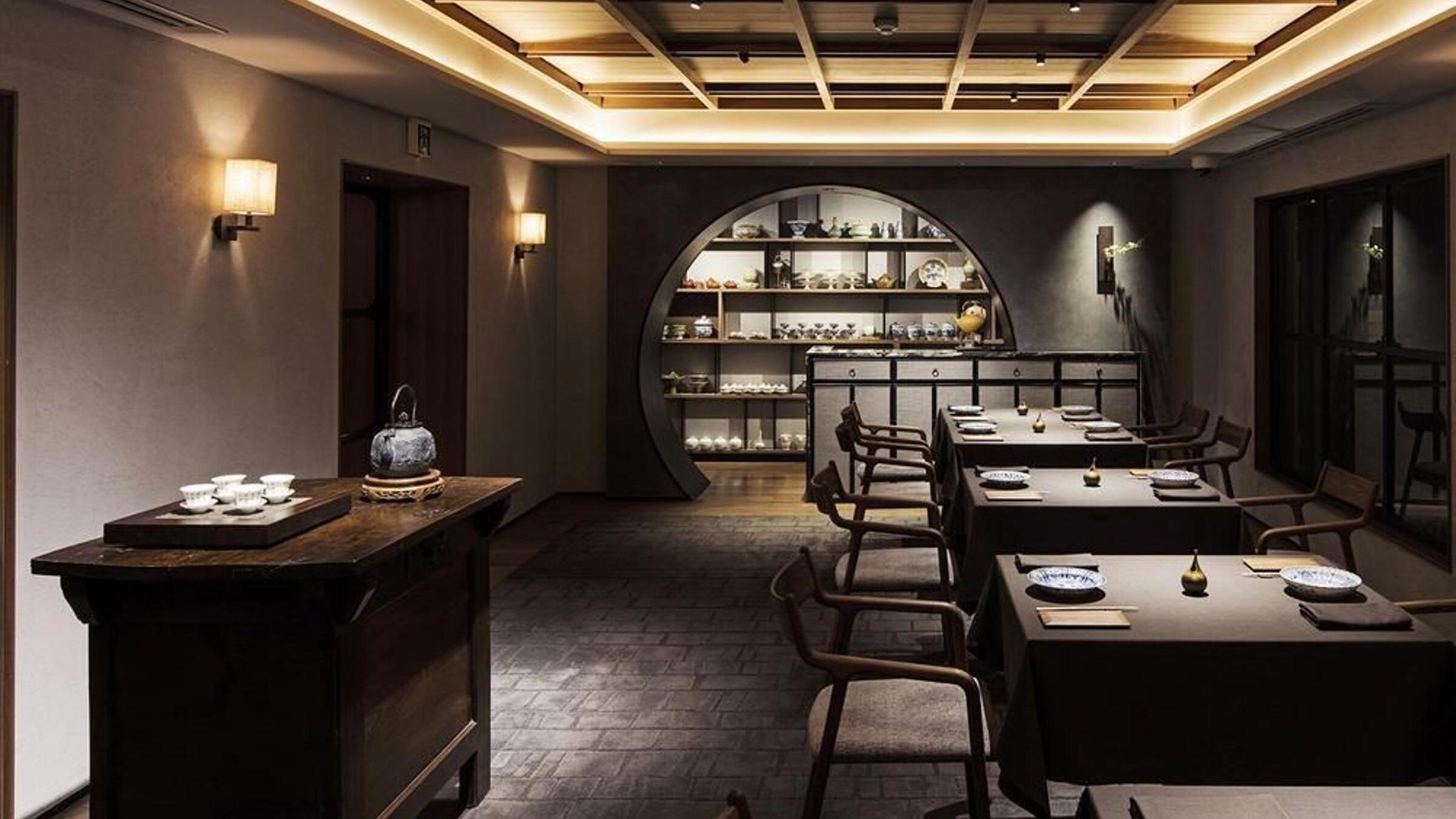
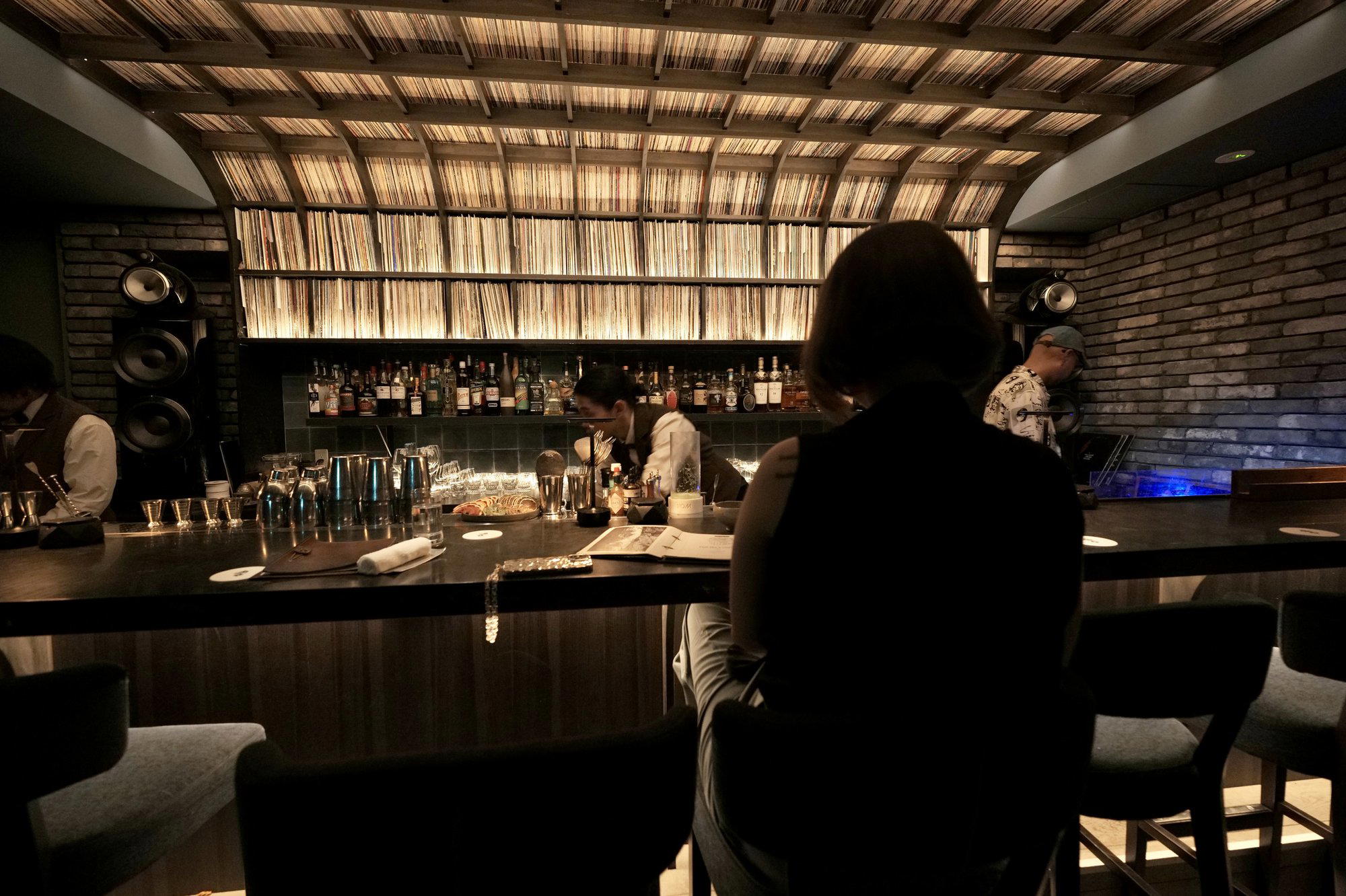
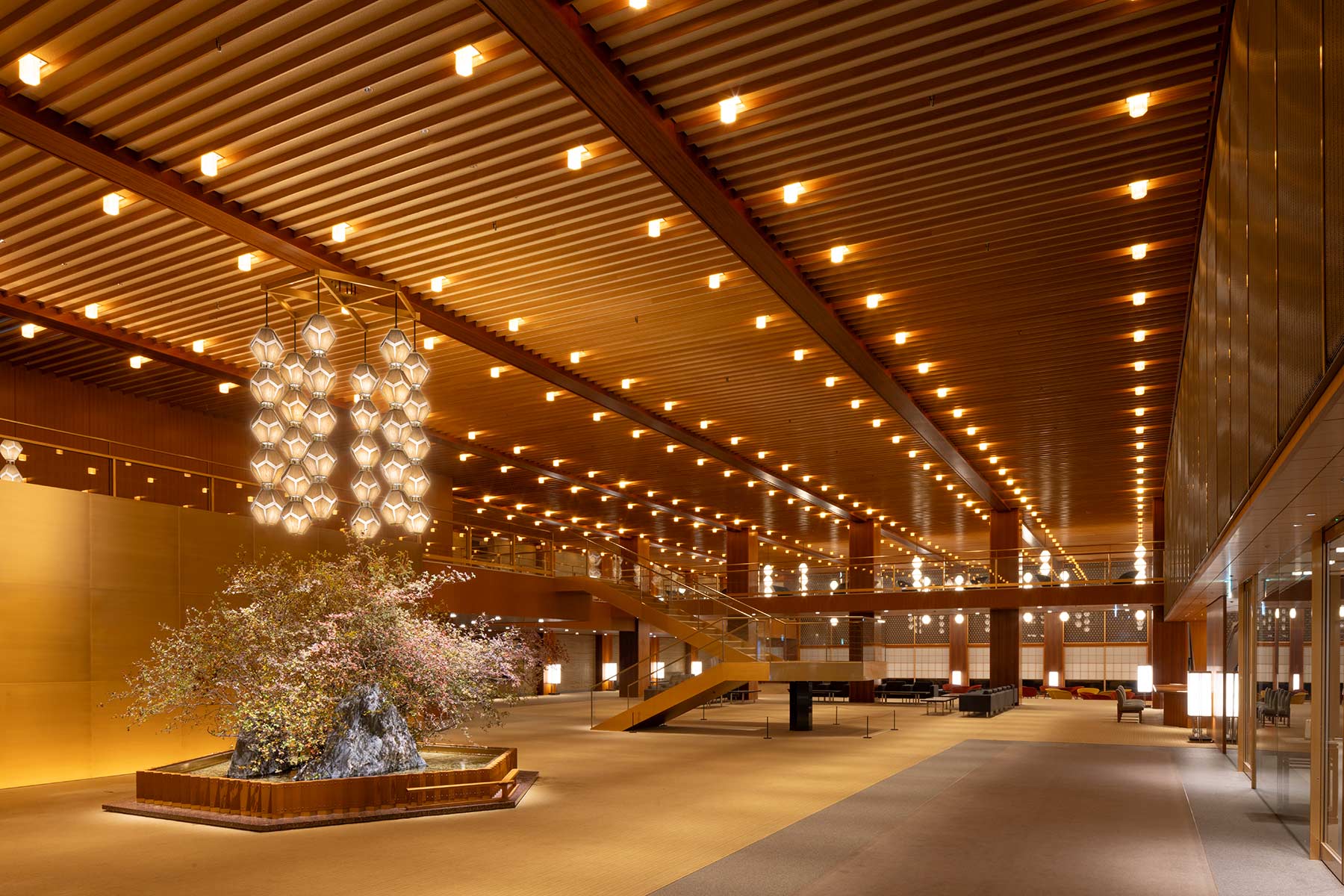
The second-floor placement is a recurring motif in Tokyo dining at this level. It creates a threshold, a moment of ascent that separates the street noise below from the temperature of the room above. What you encounter at that threshold is rarely theatrical in the Western sense. There is no dramatic reveal, no statement lighting designed to produce Instagram geometry. Tokyo's more serious dining rooms tend to use materials and proportion to set the register: wood grain, ceramic surfaces, the particular quality of light that comes through shoji screens or narrow windows above street level.
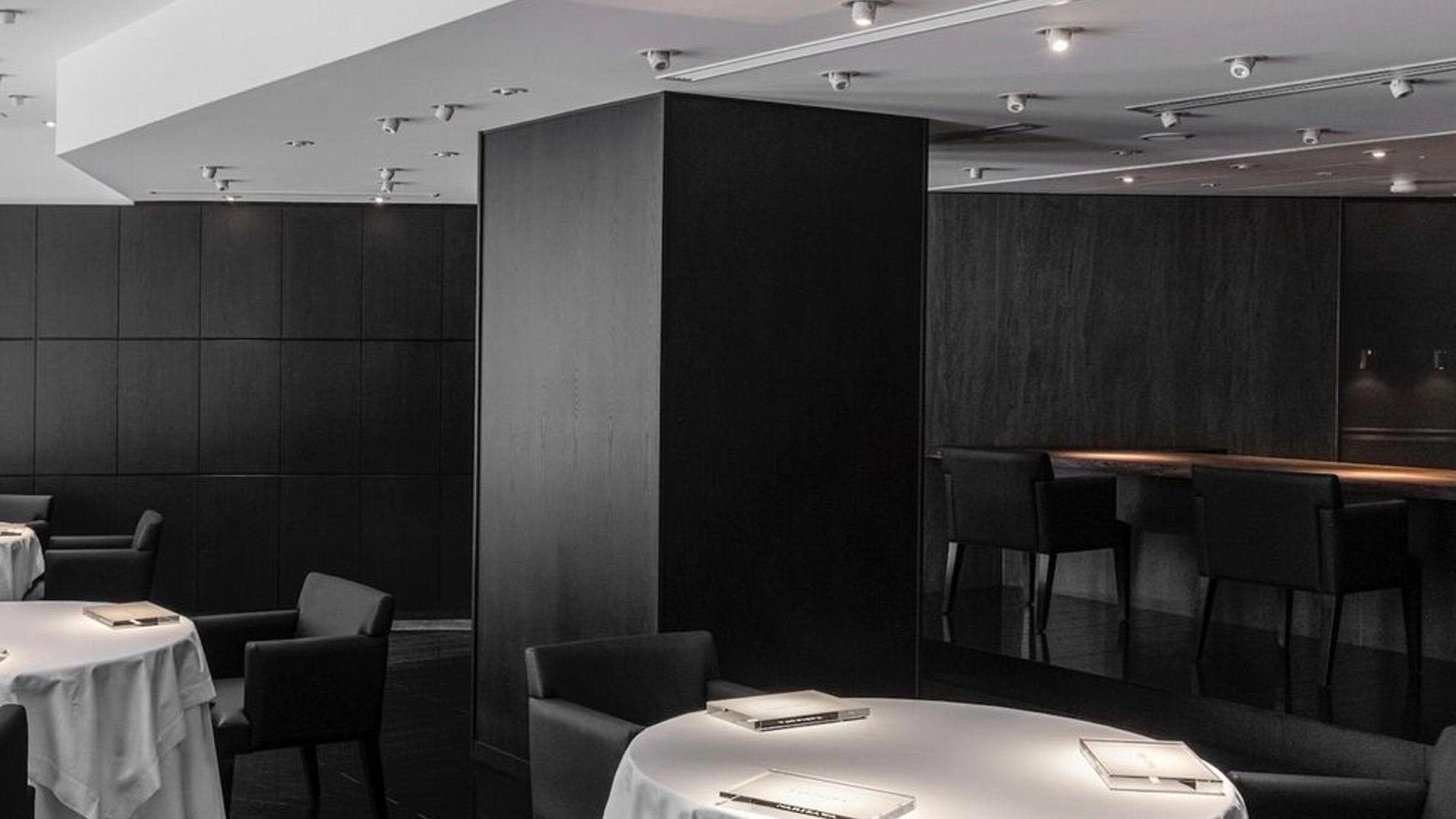
The address pattern suggests a room calibrated for concentration rather than spectacle. The sound environment in these spaces tends to be low and controlled, conversation-forward rather than ambient-music-forward. The experience is built around the plate and the exchange across the counter or table, not around the room as backdrop.
For comparison with Tokyo rooms: RyuGin in Roppongi operates a kaiseki format where the room's restraint is a deliberate frame for seasonal ingredient work, and L'Effervescence in Minami-Aoyama uses a similarly understated interior logic to keep focus on the plate. Both represent the broader Tokyo tendency to let cuisine lead and let architecture follow.
What the Cuisine Category Tells You
常 serves Japanese Set Meals. In the Nishiazabu context, the absence of a declared cuisine flag is itself informative. Japanese restaurants in this district often resist easy category labels because they operate in the space between kaiseki tradition, ingredient-focused omakase, and contemporary Japanese cooking that draws on French technique without fully committing to either identity. Particularly interesting rooms in Tokyo's mid-to-upper tier frequently sit in that ambiguous zone.
Japan's dining culture at the serious end has developed a vocabulary for this in-between register, distinct from the hard categories that Michelin tends to impose. A restaurant can be primarily Japanese in ingredient sourcing and plating logic while using reductive French saucing, or can follow kaiseki seasonal sequencing without adhering strictly to the eleven-course structure. Harutaka in Ginza demonstrates how a sushi-focused room can carry the formal weight of a kaiseki experience through pacing and material quality rather than course structure. Crony in Minami-Aoyama represents the French-Japanese hybrid tier at high technical level. 常 may operate somewhere in this range, though the specific positioning requires direct confirmation.
Pricing and Peer Context
常 sits in a budget-friendly price tier. The Nishiazabu address, second-floor format, and the general pattern of serious Japanese restaurants in Minato-ku suggest a positioning that is unlikely to be casual. For reference, the dominant pricing tier among Tokyo's recognized fine dining rooms runs from roughly ¥20,000 to ¥50,000 per head at dinner, with outliers above that in the Michelin three-star bracket. Comparable rooms in the district tend to fall in the ¥¥¥ to ¥¥¥¥ range as defined by EP Club's comparable set, which includes Sézanne at the French luxury end and RyuGin in the kaiseki tier.
For readers calibrating across Japanese cities: the equivalent price-to-ambition ratio in Osaka appears at rooms like HAJIME, where French-Japanese synthesis operates at three-star level. In Kyoto, Gion Sasaki represents the kaiseki tradition at its most codified. akordu in Nara and Goh in Fukuoka show how this level of ambition distributes beyond the major metropolitan centers.
Planning Your Visit
| Venue | Cuisine | Price Tier | District | Booking Route |
|---|---|---|---|---|
| 常 (Tsune) | Unconfirmed | Unconfirmed | Nishiazabu, Minato-ku | Direct (confirm via current channels) |
| RyuGin | Kaiseki | ¥¥¥¥ | Roppongi, Minato-ku | Online reservation |
| L'Effervescence | French | ¥¥¥¥ | Minami-Aoyama | Online reservation |
| Harutaka | Sushi | ¥¥¥¥ | Ginza | Referral or direct |
| Sézanne | French | ¥¥¥¥ | Ginza | Hotel concierge or online |
Seasonality matters in this district. Tokyo's high-commitment Japanese restaurants align their menus closely with the Japanese culinary calendar: spring brings bamboo shoots and cherry-blossom-adjacent ingredients, autumn shifts toward mushroom and root work, and winter carries formal weight in terms of course structure and protein quality. If 常 follows the pattern common to serious Japanese rooms in Minato-ku, autumn and winter visits are likely to sit at the highest point of the culinary cycle, with the deepest ingredient complexity. Spring visits offer a different register but not necessarily a lesser one.
For readers building a broader itinerary across Japan's regional dining, related venues include 一本杉川島製 in Nanao, 古代山乃 in Sapporo, 湖畔荘 in Takashima, and 羽根屋 in Nishikawa Machi, alongside more accessible regional entry points like Birdland in Sakai, Bistro Ange in Toyohashi. For international readers cross-referencing the Tokyo fine dining tier against their home city, Le Bernardin in New York City and Atomix in New York City offer useful benchmarks for the level of commitment this type of address implies.
City Peers
Comparable venues nearby, for context on price, style, and recognition.
| Venue | Cuisine | Price | Notes |
|---|---|---|---|
| 常This venue — the venue you are viewing | Japanese Set Meals | $ | Not listed |
| Buta Daigaku (豚大学) | Grilled Pork Bowl (Butadon) | $ | Shimbashi |
| Matsushimaya | Traditional Japanese wagashi and daifuku shop | $ | Minato |
| Ichigenya | Traditional Japanese Sweets (Wagashi) | $ | Chiyoda |
| Maihama | Japanese Izakaya | $ | Minato |
| Sumibi Baisen Coffee Rin | Japanese Kissaten / Coffee Shop | $ | Chūō |










At a Glance
- Business Dinner
- Hotel Restaurant
Current opening hours
- Monday
- Closed
- Tuesday
- 6 PM–12 AM
- Wednesday
- 6 PM–12 AM
- Thursday
- 6 PM–12 AM
- Friday
- 6 PM–12 AM
- Saturday
- 6 PM–12 AM
- Sunday
- 6 PM–12 AM
Hours can change for holidays and private events. Last verified .