Our verdict
Located in Nagoya's Imaike district of Chikusa Ward, ことわりをはかるみせばんどう occupies a neighbourhood defined by residential calm and independent dining culture rather than tourist infrastructure. Visitors are advised to confirm details directly before travelling.

Pearl is the En Primeur Club membership app, where members save venues, book tables and use the concierge.
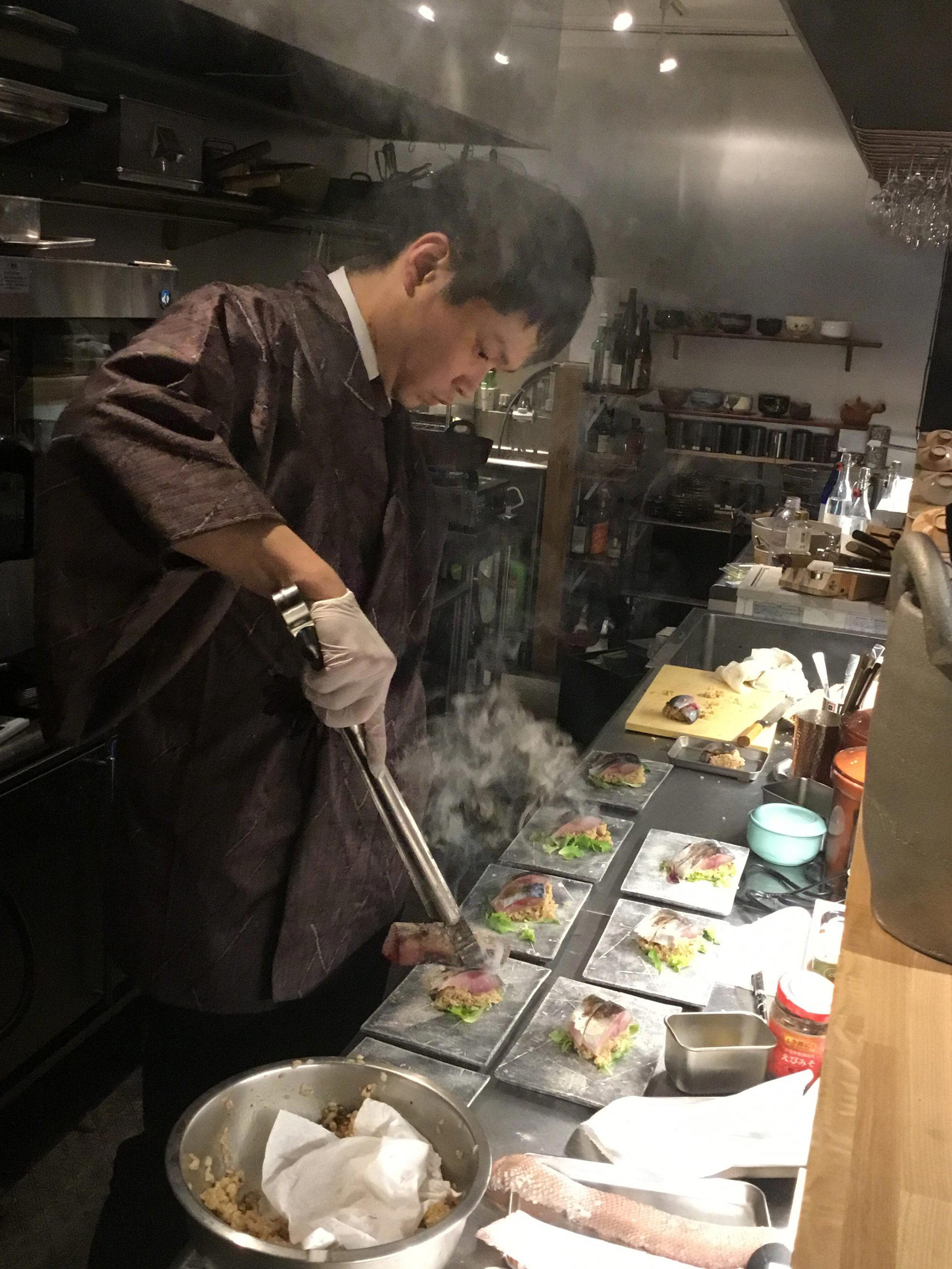
Imaike and the Geography of Nagoya Dining
Nagoya's dining culture has always resisted the tidiness of a single district. Unlike Tokyo's Ginza or Kyoto's Gion, where fine dining and high-footfall tourism occupy the same blocks, Nagoya distributes its most considered restaurants across wards and neighbourhoods that require deliberate navigation. Chikusa Ward, where ことわりをはかるみせばんどう sits at 4 Chome-1-14 Imaike, belongs to the residential and quietly commercial tier of the city rather than its headline hospitality zone. That address is itself an editorial signal: restaurants that endure in Imaike do so on repeat local custom and word-of-mouth, not on tourist overflow.
Imaike as a dining neighbourhood rewards the kind of visitor who arrives in Nagoya with an itinerary that goes beyond Atsuta Horaiken (あつた蓬莱軒 本店) and the established hitsumabushi circuit. It is the sort of address that sits adjacent to the city's Italian and French-inflected dining set, venues like Bacio and Chez Kobe, that have built loyal followings by concentrating on craft rather than visibility. The ward has the texture of a neighbourhood that feeds itself, and that tends to produce more honest restaurant culture than areas shaped primarily around hotel guests and visiting expense accounts.
This creates an editorial obligation to be direct: we cannot describe dishes, confirm a style of service, or position the restaurant within Nagoya's competitive tiers with the confidence we bring to venues where those data points are established.
What we can say with confidence is that the name itself, written in hiragana and carrying a phrase that loosely translates around the idea of measuring or assessing reason and propriety, suggests a deliberate, considered operation rather than a casual neighbourhood canteen. Restaurant naming in Japan at this register tends to signal intent. Nagoya has a documented cluster of small, owner-operated dining rooms in Chikusa Ward that sit somewhere between kaiseki formality and the more personal, idiosyncratic formats that have become common in Japanese cities since the mid-2010s.
For comparison, other Nagoya venues in, including Cucina Italiana Gallura and cucina Wada, demonstrate how the city's dining range extends across Italian and Japanese formats with varying degrees of formality. The broader Nagoya picture is available in our full Nagoya restaurants guide.
Nagoya in the Context of Japanese Regional Dining
To understand why a restaurant in Chikusa Ward warrants attention even without a full data profile, it helps to understand what Nagoya represents in Japan's regional dining hierarchy. The city sits between Osaka and Tokyo in both geography and culinary temperament, and it has historically been underleveraged by international food media relative to its actual depth. The same structural dynamic that produces overlooked excellence in secondary Japanese cities, whether that is Goh in Fukuoka or the quieter rooms around akordu in Nara, applies to Nagoya's residential dining districts.
The highest-profile Japanese fine dining in, venues like HAJIME in Osaka, Harutaka in Tokyo, and Gion Sasaki in Kyoto, all operate within established tourist and critic circuits. Nagoya's Chikusa Ward operates largely outside that circuit, and the restaurants that persist there do so because they function as genuine neighbourhood institutions. Across Japan more broadly, from 小松与一川魚店 in Nanao to 大乃屋山乃 in Sapporo and 琵琶湖畔 in Takashima, the pattern is consistent: the most regionally rooted dining rooms tend to operate with minimal digital infrastructure and limited international visibility, which is precisely why data records like this one appear incomplete.
Planning a Visit
The restaurant is located in Chikusa Ward, reachable from central Nagoya via the Higashiyama subway line with Imaike Station as the most proximate stop. Japanese restaurants operating at the quieter, more personal end of the dining spectrum in this ward typically require advance reservations and may operate on limited sittings; arriving without a booking is a risk not worth taking, particularly for visitors travelling from outside the city.
For readers building a Nagoya itinerary that extends beyond headline addresses, the neighbourhood also supports comparison with venues operating in comparable residential contexts across Japan. 鶴羽屋 in Nishikawa Machi and Birdland in Sakai offer further reference points for how Japan's non-metropolitan dining rooms position themselves. Internationally, the discipline of the smaller, address-specific dining format has parallels at counters as different in scale as Le Bernardin in New York City or the tasting-menu rigour of Atomix in New York City, though the Imaike context is considerably more local in character and intent.
Frequently asked questions
What should I eat at ことわりをはかるみせばんどう?
Do I need a reservation for ことわりをはかるみせばんどう?
What makes ことわりをはかるみせばんどう worth seeking out?
Is ことわりをはかるみせばんどう good for vegetarians?
How does ことわりをはかるみせばんどう fit within Nagoya's dining scene for visitors arriving from Tokyo or Osaka?
Price and Recognition
A quick peer list to put this venue’s basics in context.
| Venue | Cuisine | Price | Awards | Notes |
|---|---|---|---|---|
| ことわりをはかるみせばんどうThis venue (the venue you are viewing) | Modern Japanese Fine Dining | $200–300 | Not listed | Not listed |
| Cucina Italiana Gallura | Authentic Italian with Local Seafood | $100–150 | Tabelog Bronze #50 | Sushi |
| Hachisen | Kyoto-Style Kaiseki | $200–300 | Tabelog Bronze #91 | Kyoto Cuisine |
| il AOYAMA | Japanese-Inflected Italian Cuisine | $300–500 | Tabelog Silver #42 | Italian |
| Reminiscence | Modern French with Japanese influences | $150–200 | La Liste Top Restaurants · Tabelog Silver #108 | French |
| Unafuji | Nagoya-Style Charcoal Grilled Unagi | $50–100 | Tabelog 100 #38 | Unagi |
Continue exploring
More in Nagoya
Restaurants in Nagoya
All restaurants in Nagoya →
Details
- Intimate
- Sophisticated
- Elegant
- Special Occasion
- Chefs Counter
- Sake Program
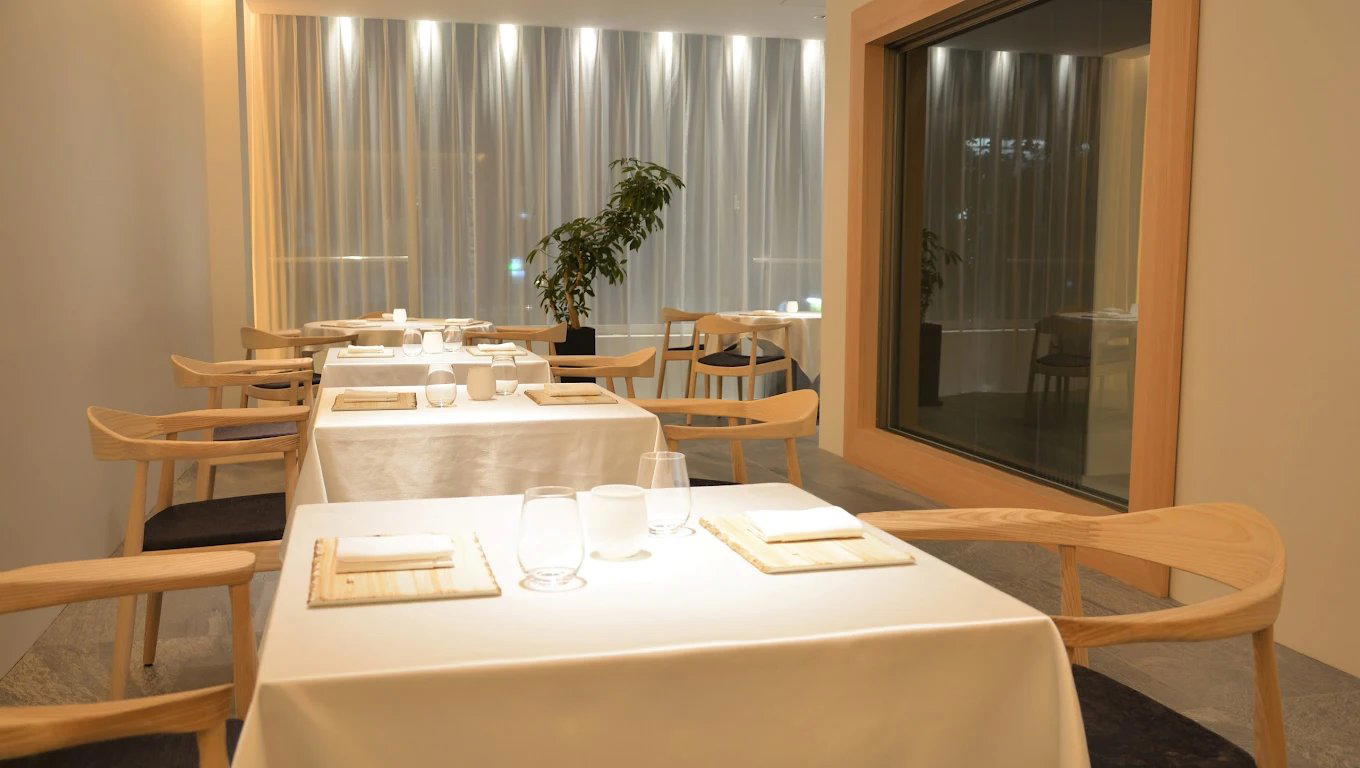
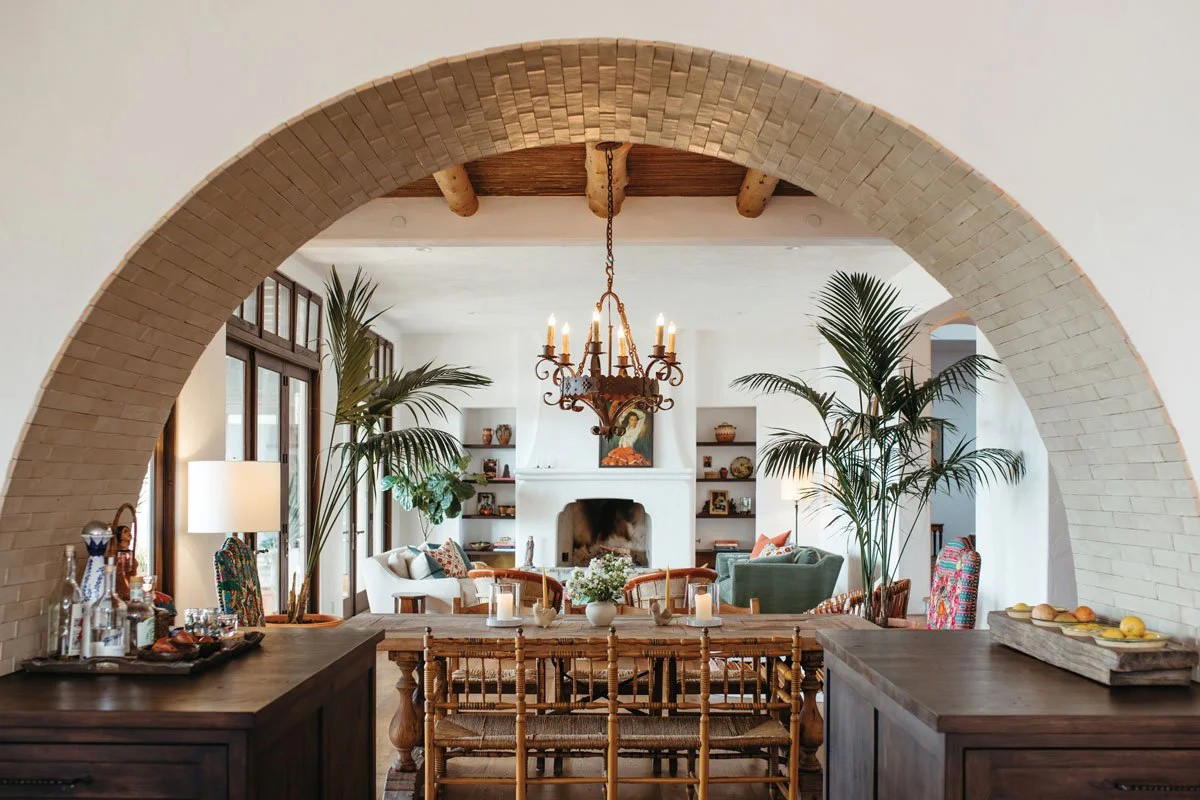
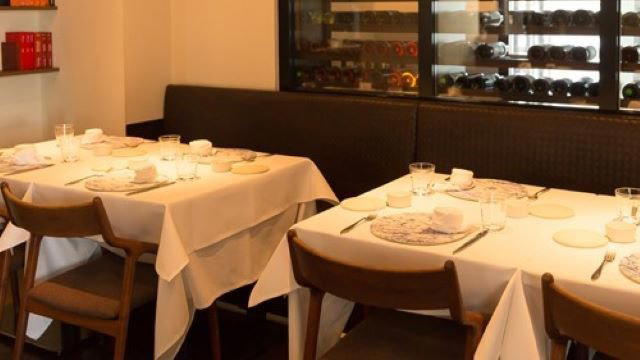
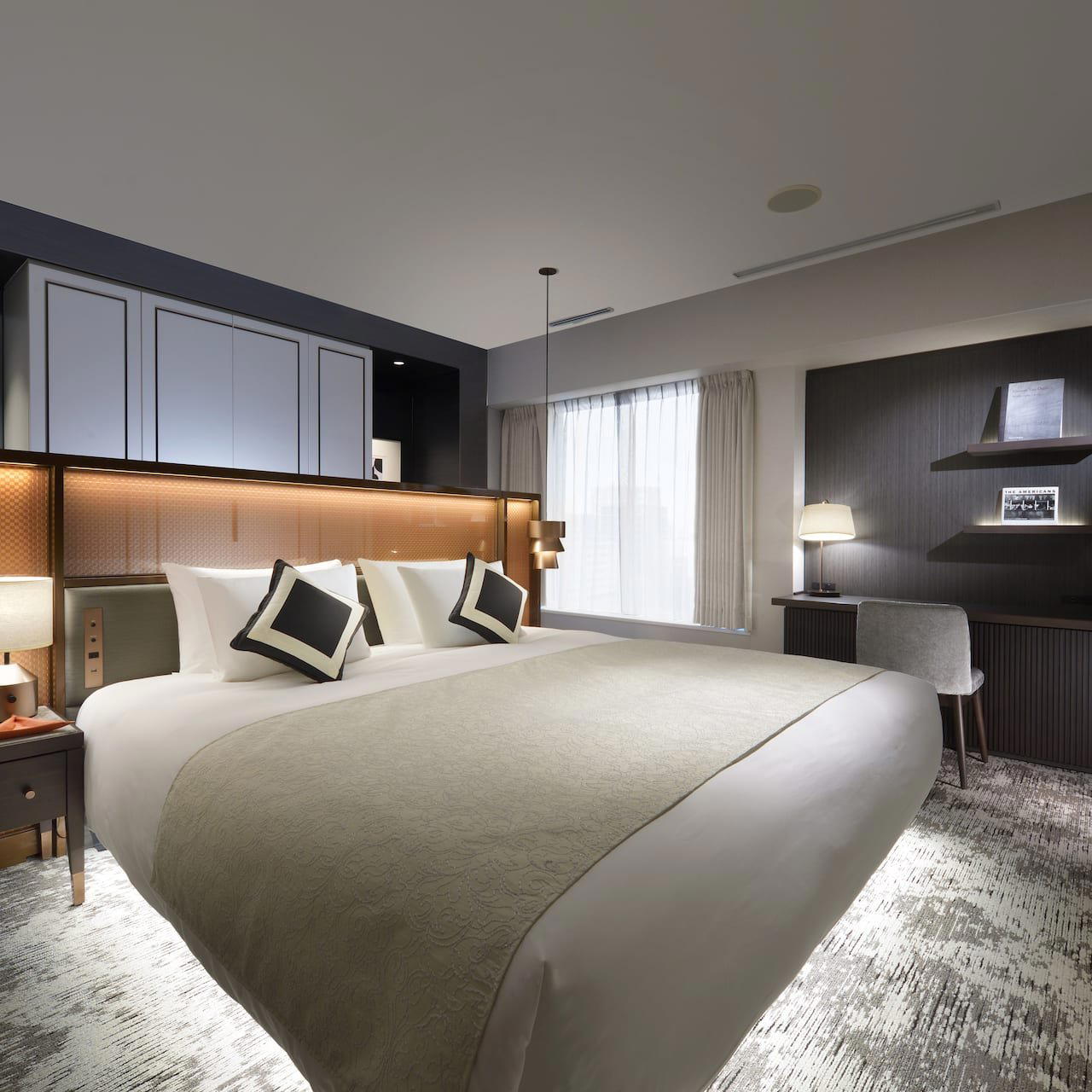
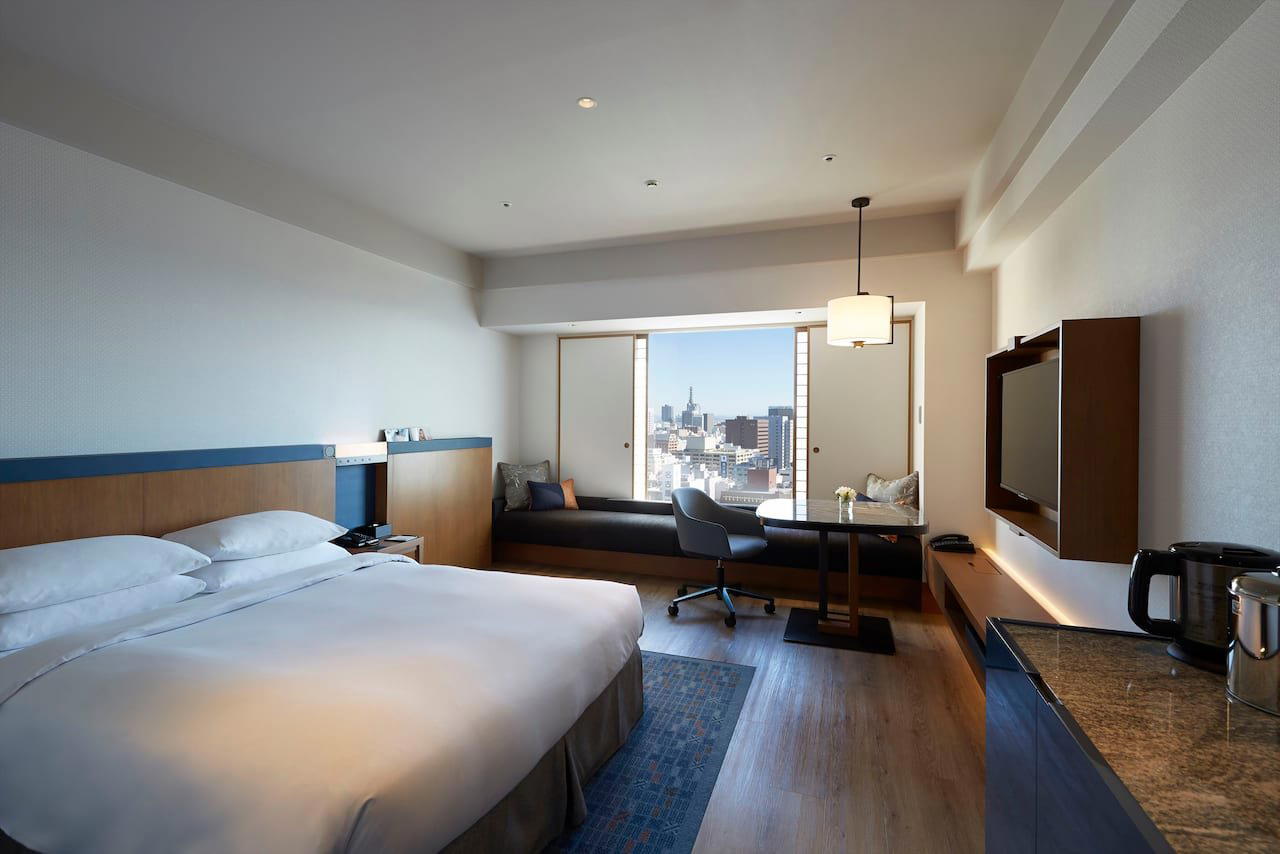
Intimate counter seating with a focus on the chef's craft, providing a serene and refined atmosphere.