
Sushi Daisaku places Nagoya sushi in the small-counter category rather than the city’s casual dining stream. Its 8-seat counter, private room option, and 2025 Tabelog Sushi EAST 100 selection frame it as a planned dinner for diners who care about pacing, fish selection, and the quieter side of Shinsakae.
Pearl is the En Primeur Club membership app — saves, bookings, and concierge access live there. Same editors, same standards.
- Address
- 3 Chome-7-7 Shinsakae, Naka Ward, Nagoya, Aichi 460-0007, Japan
- Phone
- +81 52-265-5819
- Website
- tabelog.com
 Saves & bookings on Pearl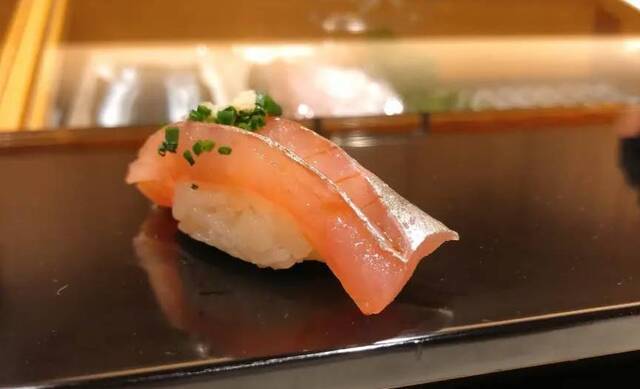
Shinsakae lacks the polished theatre of Ginza or Kyoto’s riverfront ease. It is a working Nagoya district of offices, apartment blocks, and late-evening restaurants, which makes serious counters feel less performative. Here, Sushi Daisaku sits at the intimate end of the city’s sushi spectrum: an 8-seat room where the counter, pacing, and trust in the sushi format matter more than menu browsing.
Nagoya’s dining identity is often reduced from outside to miso katsu, hitsumabushi, kishimen, and morning-service coffee culture. That shorthand misses the city’s corporate traffic, local wealth, and repeat diners, which support small Japanese restaurants without tourist theatre. Sushi here reads differently from Tokyo’s trophy-counter economy: serious stakes, but usually less declarative, more local, and more reliant on advance planning than walk-in discovery.
An 8-seat Nagoya counter in the Tabelog Sushi EAST 100 conversation
The meaningful credential is not borrowed Tokyo aura, but selection for Tabelog Sushi EAST 100 in 2025. For a Nagoya sushi counter, that places Sushi Daisaku inside a regional benchmark built on user evaluation and category depth rather than international guide spectacle. Its Tabelog score of 3.68 also matters in Japan’s restaurant culture, where high specialist-category scores usually reflect a demanding audience, not casual volume.
The format explains the meal. Eight seats put the room closer to specialist sushi counters than broader Japanese dining rooms, and counter seating changes the social contract: diners are not simply ordering fish, but entering a sequence. The private room for four adds another mode, useful for families or groups who want the sushi structure without occupying the counter as a full social performance.
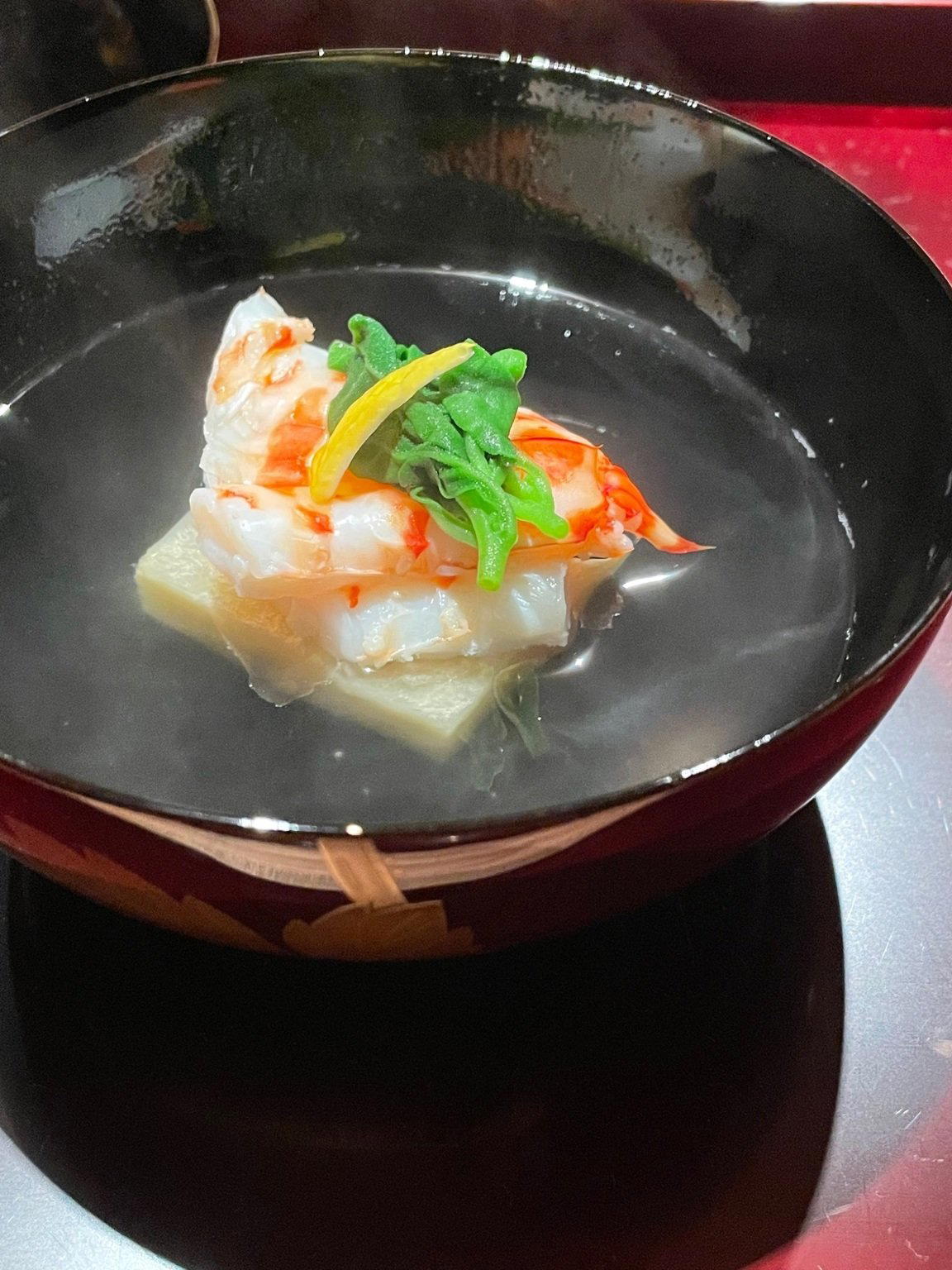
Food positioning is explicit but restrained: sushi, with emphasis on fish. That sounds obvious only until set against the broader Nagoya scene, where many high-demand meals centre on regional comfort, grilled meat, or noodles. Nearby comparison venues show the spread: Chuka Soba Paikaro and Tatsumi occupy a low-price noodle-and-everyday bracket, while kitchen Toshiki, アリーニュ, and 吉い suggest separate channels for destination dining. Sushi Daisaku sits apart from the quick-meal tier; its value is time, attention, and a narrow category executed at higher spend.
Why the planning shapes the experience
Small sushi counters reward diners who understand the mechanics before the evening begins. With only 8 seats, there is little slack: late changes, uncertain appetites, and casual grazing do not suit the format. That is not a flaw. It lets the restaurant run with tighter rhythm than a larger dining room absorbing walk-ins, varied courses, and different speeds across the floor.
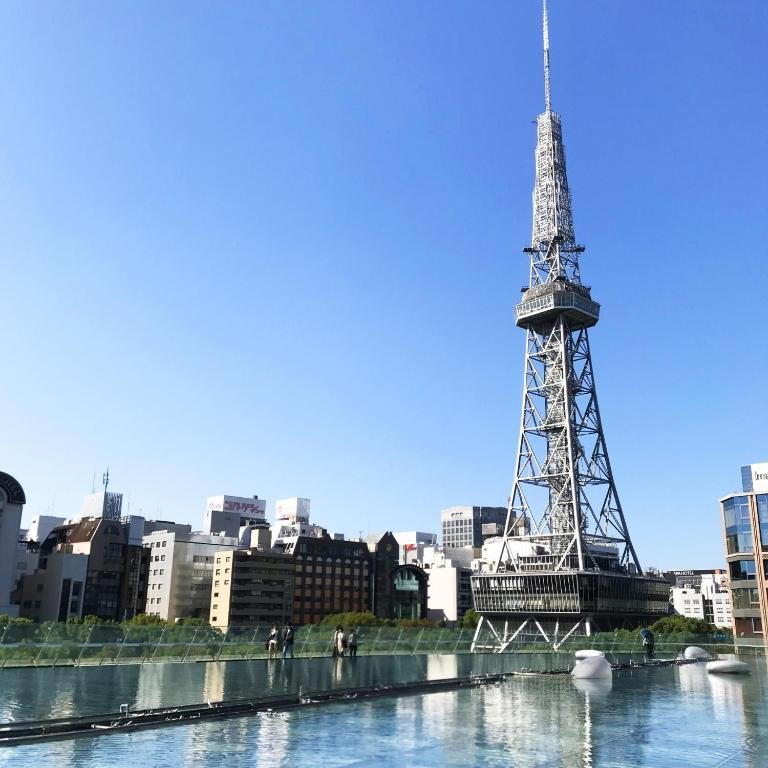
For visitors using Nagoya as a short stop between Tokyo, Kyoto, and Osaka, this booking should anchor the evening rather than fill a gap. Shinsakae and Chikusa are practical rather than postcard-driven, which works in their favour. A sushi dinner here can pair with a day around the Tokugawa Art Museum, Sakae shopping, or a quieter east-side itinerary, instead of forcing the night into the station or Nishiki orbit.
The drinks frame is broad enough for serious sushi without turning the restaurant into a wine-program destination. Sake, shochu, and wine are listed, giving the counter expected Japanese pairing vocabulary while leaving room for diners who prefer grape wine with raw fish and vinegared rice. In Nagoya, where many premium meals remain anchored in local regulars rather than international tasting-menu traffic, that flexibility is a useful signal.
The family note is worth reading carefully. Children are welcome, with the private room recommended for guests not suited to the adult course structure. That practical distinction says more about the genre than formality: counter omakase asks for patience; a private room lets families participate without disrupting the sushi bar’s tempo.
How to place it within a Nagoya itinerary
The restaurant is not a broad introduction to Nagoya dining. It is a narrower choice for travellers who understand why a small sushi counter can define a night. First-time visitors should still make space for regional staples, because Nagoya’s appeal lies partly in the contrast between everyday local dishes and high-attention specialist rooms. The sharper itinerary is not sushi instead of Nagoya food, but sushi after the city has shown its vernacular side.
Comparison inside the city should also be category-specific. A low-cost ramen or casual Chinese-style noodle shop may deliver more immediate local texture; a small sushi counter delivers controlled pacing and product focus. The question is not which meal is superior, but what role dinner plays. For celebration, a serious counter gives structure. For a loose evening, Nagoya’s casual restaurants often feel more natural.
Readers building a wider trip can cross-reference Our full Nagoya restaurants guide, then use Our full Nagoya hotels guide, Our full Nagoya bars guide, Our full Nagoya wineries guide, and Our full Nagoya experiences guide to keep the evening in proportion. For broader restaurant browsing across Japan and beyond, see 1022, 451, Aaron, Alan., All Day Dining Montmartre, -Grilled beef Sukiyaki- KAMAKURA TANUKIAN 鎌倉 たぬき庵 in Kamakura. 鮪と炭火焼き うお炭 秋葉原店 in Tokyo.cafe in Osaka.know in Kumamoto, (Shoku) Vietnam in Kawasaki, [Curry Senmon Ten] Maruyama Kyoju. in Sapporo, Jōdo Saké Bar in Los Angeles, and Onigiri Time in Pasadena.
The editorial read is clear: choose this counter when the evening calls for a compact sushi experience with recognised category credibility, not casual Nagoya sampling. Its scale, Tabelog 100 selection, fish-led positioning, and private-room option make it a precise fit for diners who plan meals around format as much as flavour.
Cuisine Context
Comparable venues for context, by category and price tier.
| Venue | Cuisine | Price | Notes |
|---|---|---|---|
| Sushi DaisakuThis venue — the venue you are viewing | Seasonal Edomae Sushi Omakase | $$$$ | Not listed |
| Taka Fuku Nagoya JR sentoraru tawāzu ten | Shabu-Shabu & Sukiyaki | $$$$ | Nakamura |
| Hama Gen | Edomae Omakase Sushi | $$$$ | Shōwa |
| Sekine | Traditional Japanese Kaiseki | $$$$ | Shōwa |
| Setsugekka Nagoya | Premium Wagyu Niku Kappo | $$$$ | Nakamura |
| Kajikawa | Seasonal Japanese Kaiseki Counter | $$$$ | Chikusa |
Recognition history
Dated appearances from independent guides and award organizations, with the underlying list record or original source where available.
Tabelog 100 #69 · No. 69
Tabelog · Tabelog 100 - Sushi - EAST - 2025
Continue exploring
More in Nagoya
Restaurants in Nagoya
Browse all →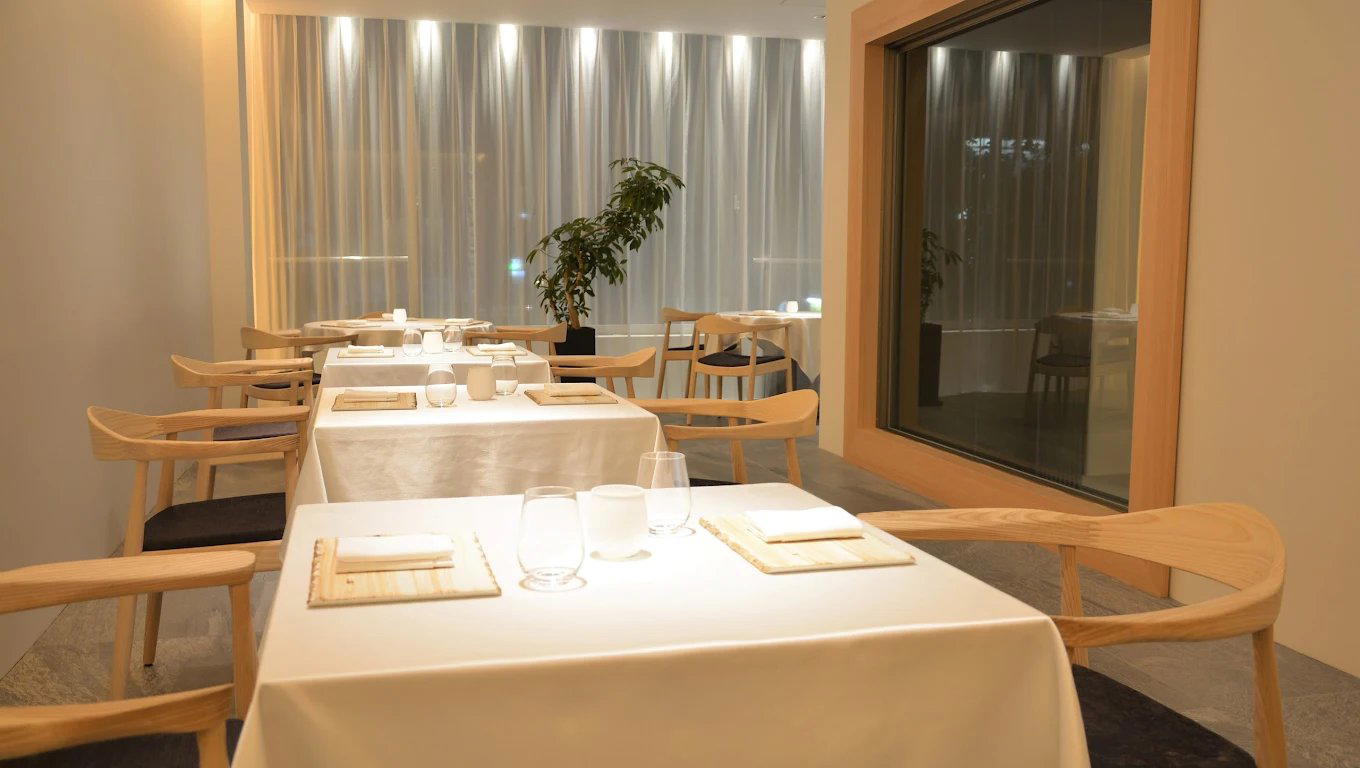
At a Glance
- Cozy
- Intimate
- Classic
- Lively
- Elegant
- Date Night
- Special Occasion
- Business Dinner
- Family
- Group Dining
- Celebration
- Chefs Counter
- Private Dining
- Standalone
- Sake Program
- Sustainable Seafood
Current opening hours
- Monday
- 6–9 PM
- Tuesday
- 6–9 PM
- Wednesday
- Closed
- Thursday
- 6–9 PM
- Friday
- 6–9 PM
- Saturday
- 6–9 PM
- Sunday
- 6–9 PM
Hours can change for holidays and private events. Last verified .
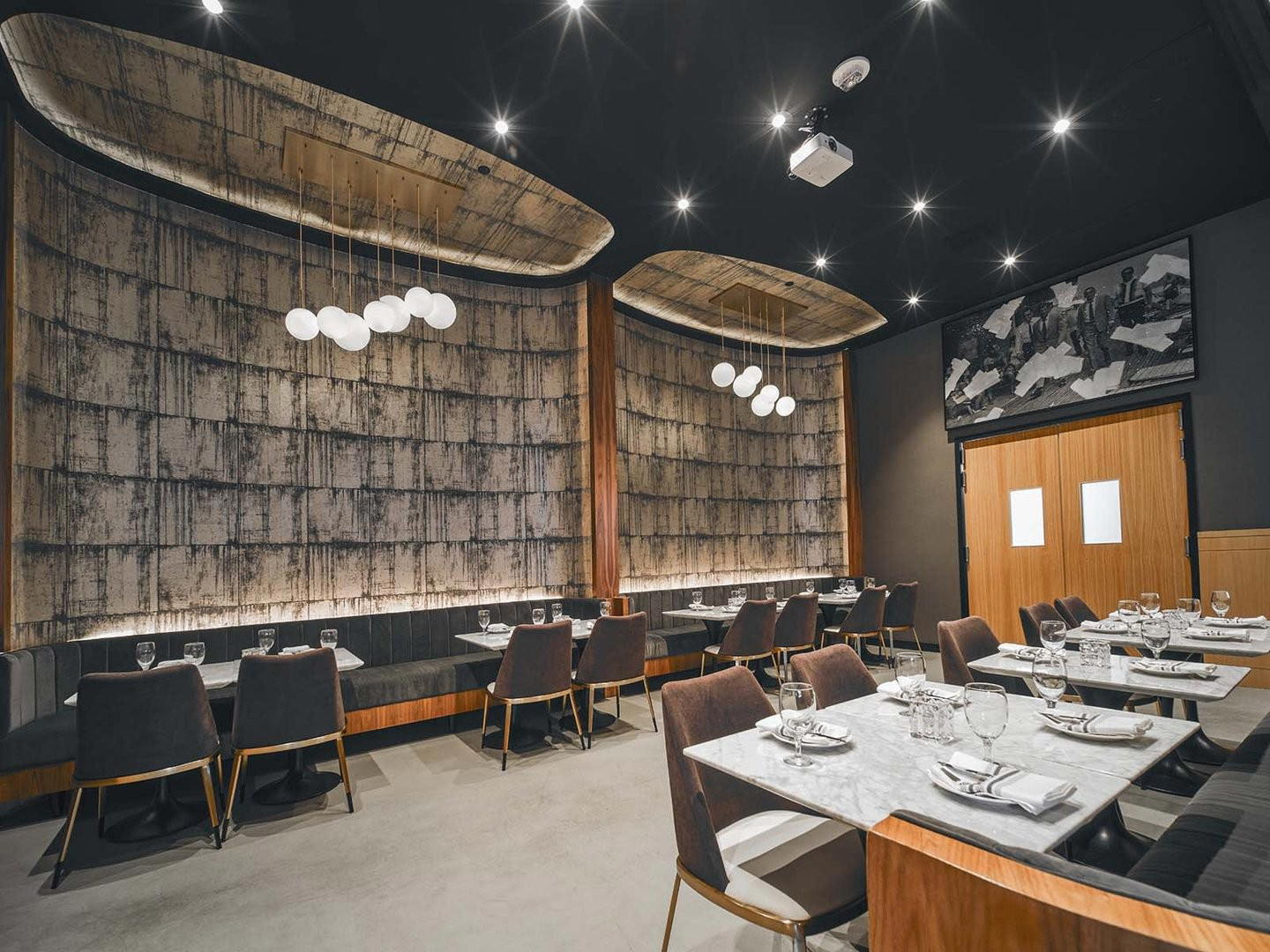
A calm, Japanese-style interior centered on a lively yet relaxed counter with limited seating and a small private room, creating an intimate, cozy atmosphere suited to quiet conversation rather than noise or crowds.