

A Kyoto cuisine counter in Nagoya's Chikusa Ward, Hachisen has held Tabelog Bronze recognition every year from 2017 through 2026, earning Silver in 2020 and three consecutive selections for the Tabelog Japanese Cuisine East 100. Chef Masayoshi Amano runs a 12-seat room with a strict focus on fish, kaiseki structure, and the seasonal discipline that defines the Kyoto culinary tradition transplanted into one of Japan's most industrially minded cities.
Pearl is the En Primeur Club membership app — saves, bookings, and concierge access live there. Same editors, same standards.
- Address
- Japan, 〒464-0032 Aichi, Nagoya, Chikusa Ward, Nekogahoratori, 4 Chome−3 ベルグレイK.I 1F4
- Phone
- +81 52-783-0600
- Website
- hachisen.crayonsite.net
- Directions
- Get directions
 Saves & bookings on Pearl
Kyoto Cuisine in an Unlikely City
Nagoya occupies an odd position in Japan's fine-dining conversation. The city has the economic scale to support serious restaurants and a local food culture. That self-assurance has historically made it difficult for Kyoto-style kaiseki to take root here: the Kansai aesthetic of restraint, seasonal precision, and dashi-forward subtlety sits at some distance from Nagoya's preference for intensity. Against that backdrop, the fact that Kaiseki Hachisen has sustained Tabelog Bronze recognition every year since 2017, with a Silver in 2020, says something about the restaurant's ability to make Kyoto cuisine legible and compelling on Nagoya's own terms.
Hachisen is a restaurant in Nagoya serving Kyoto-style kaiseki, with a price tier of JPY 250 per person. The Chikusa Ward location, roughly ten minutes on foot from Motoyama Station on the Higashiyama Subway Line, puts the counter in a residential quarter rather than the dining-district cluster around Sakae or Marunouchi. That geography is not incidental. Kaiseki at this level tends to function better at a remove from the noise of tourist-facing blocks, and the surrounding neighbourhood quiet reinforces the kind of focused attention the format requires. For visitors arriving from the Shinkansen, Motoyama is two subway changes from Nagoya Station, direct once you are oriented to the Higashiyama Line direction toward Heiwa Park.
What Kyoto Cuisine Actually Means at This Price Point
The term Kyoto cuisine, or Kyo-ryori, covers a specific culinary philosophy that developed over centuries around the imperial capital's access to notable tofu, yuba, mountain vegetables, and, crucially, the freshwater and coastal fish traded into the city from Lake Biwa and the Sea of Japan. The kaiseki format, which evolved from the light meals served before the tea ceremony, organises these ingredients into a strict sequence of small courses that track both season and time of day. At Hachisen, the emphasis on fish aligns with the Kyoto tradition of treating marine ingredients with the same care given to the more celebrated vegetable preparations.
Pricing across both lunch and dinner runs JPY 30,000 to JPY 39,999, with a 15 percent service charge added. That bracket puts Hachisen at the tier below particularly expensive kaiseki counters in Japan, where meals at places like Gion Sasaki in Kyoto can push significantly higher, but well above the accessible kaiseki price floor. In Nagoya specifically, this positioning means Hachisen competes against a small peer group rather than the broader Japanese restaurant market. The Tabelog score of 3.96 under the 2026 award cycle, alongside a ranking of 478th nationally on the Opinionated About Dining list for 2025 (up from a 2024 ranking of 436th), locates it precisely within that comparable set: recognised nationally but not at the leading bracket, which is exactly where sustained Bronze Tabelog status tends to land.
The Room and Its Logic
The counter seats twelve, with reservations in principle limited to parties of eight or fewer. That capacity figure is worth sitting with for a moment. At twelve seats, the room operates closer to a private dining experience than a restaurant in any conventional sense, and the kaiseki format demands it: the course timing, the temperature of each dish, and the chef's attention to individual plates all depend on a controlled number of covers. For context, high-end kaiseki counters in Kyoto typically run between eight and fourteen seats, so Hachisen's format places it squarely within that tradition rather than adapting it for a larger audience.
Private use of the full room is available for parties up to twenty people, which suggests a secondary configuration beyond the standard counter arrangement. Photography has been prohibited since 2022. That policy reflects a focus on the meal and conversation. Sake, shochu, and wine are available; payment by credit card (Visa, Mastercard, JCB, Amex, Diners) is accepted, though electronic and QR-code payments are not. Parking is available.
A Track Record That Holds Across a Decade
The Tabelog Award framework distinguishes between Gold, Silver, and Bronze. Hachisen has held that status every year from 2017 to 2026 without interruption, with the single Silver year in 2020 representing a step above that threshold rather than a departure from it. Consecutive selection for the Tabelog Japanese Cuisine East 100 in 2021, 2023, and 2025 adds another layer. For comparison, 1000 in Yokohama and Harutaka in Tokyo operate in the same broader national recognition tier, though across different format traditions.
What that decade-long record signals is consistency rather than a single strong year. Many restaurants earn recognition at peak moments, when a chef is at their most ambitious or when critical attention briefly focuses on a city. Hachisen's sustained position across ten award cycles, through the disruptions of 2020 and the reopening years that followed, reflects operational stability and a format that does not rely on novelty. That is not a minor achievement at this price point, where diner expectations are high and any visible decline in standard moves quickly through review aggregators.
How Hachisen Sits in Nagoya's Fine Dining Pattern
Nagoya's leading restaurant tier has diversified considerably over the past decade. The city now has credible representation across kaiseki, sushi, French-influenced cooking, and a handful of Italian counters. French Ryori Kochuten and Hanaichi serve as reference points for how Nagoya has absorbed non-native formats at the high end, while sushi counters like Hama Gen, Hijikata, and Cucina Italiana Gallura illustrate how the city's fine dining has expanded beyond its regional identity. Within that expanded scene, Hachisen occupies the specific niche of Kyoto-tradition kaiseki, a format with its own competitive set separate from the sushi counter or the Western-influenced tasting menu.
For visitors already planning a Japan itinerary that includes kaiseki in other cities, the reference points are useful for calibration. Sakamoto in Kyoto represents the format in its home city, while HAJIME in Osaka and Goh in Fukuoka show how Kansai and Kyushu interpret seasonal Japanese cooking at the leading end. Hachisen's Nagoya position is not a provincial approximation of those experiences but a distinct expression of Kyoto cuisine in a city that has its own culinary identity. The distinction matters, and it is part of what makes the counter worth adding to a multi-city itinerary rather than treating as a fallback option. For those curious about Japanese cuisine beyond its borders, Le Bernardin in New York City offers an interesting comparison in terms of how fish-focused tasting menus operate at the highest international level, and akordu in Nara maps a contrasting approach to seasonal Japanese ingredients.
Planning Your Visit
Cuisine-First Comparison
Comparable venues nearby, for context on price, style, and recognition.
| Venue | Cuisine | Price | Notes |
|---|---|---|---|
| HachisenThis venue — the venue you are viewing | Kyoto-Style Kaiseki | $$$$ | Not listed |
| Hama Gen | Edomae Omakase Sushi | $$$$ | Shōwa |
| Shimizu | Edomae Sushi | $$$ | Kita |
| Yanagibashi Yakiniku Waniku | Kobe Beef Yakiniku Kaiseki | $$$$ | Nakamura |
| Kotowari wo Hakarumise Bando | Modern Japanese Omakase | $$$$ | Naka |
| Kyoto Kiccho Nagoya ten | Traditional Kyoto-style kaiseki | $$$$ | Nakamura |
Recognition history
Dated appearances from independent guides and award organizations, with the underlying list record or original source where available.
Opinionated About Dining Top Restaurants in Japan Recommended
Opinionated About Dining
Tabelog Bronze #91
Tabelog
Opinionated About Dining Top Restaurants in Japan Ranked #478
Opinionated About Dining
Tabelog Bronze
Tabelog
Tabelog 100 #76 · No. 76
Tabelog · Tabelog 100 - Japanese cuisine - EAST - 2025
Opinionated About Dining Top Restaurants in Japan Ranked #436
Opinionated About Dining
Opinionated About Dining Top Restaurants in Japan Recommended
Opinionated About Dining
Continue exploring
More in Nagoya
Restaurants in Nagoya
Browse all →
At a Glance
- Elegant
- Intimate
- Sophisticated
- Quiet
- Classic
- Special Occasion
- Date Night
- Sake Program
Current opening hours
- Monday
- 12–9 PM
- Tuesday
- 12–9 PM
- Wednesday
- 12–9 PM
- Thursday
- 12–9 PM
- Friday
- 12–9 PM
- Saturday
- 12–9 PM
- Sunday
- 12–9 PM
Hours can change for holidays and private events. Last verified .
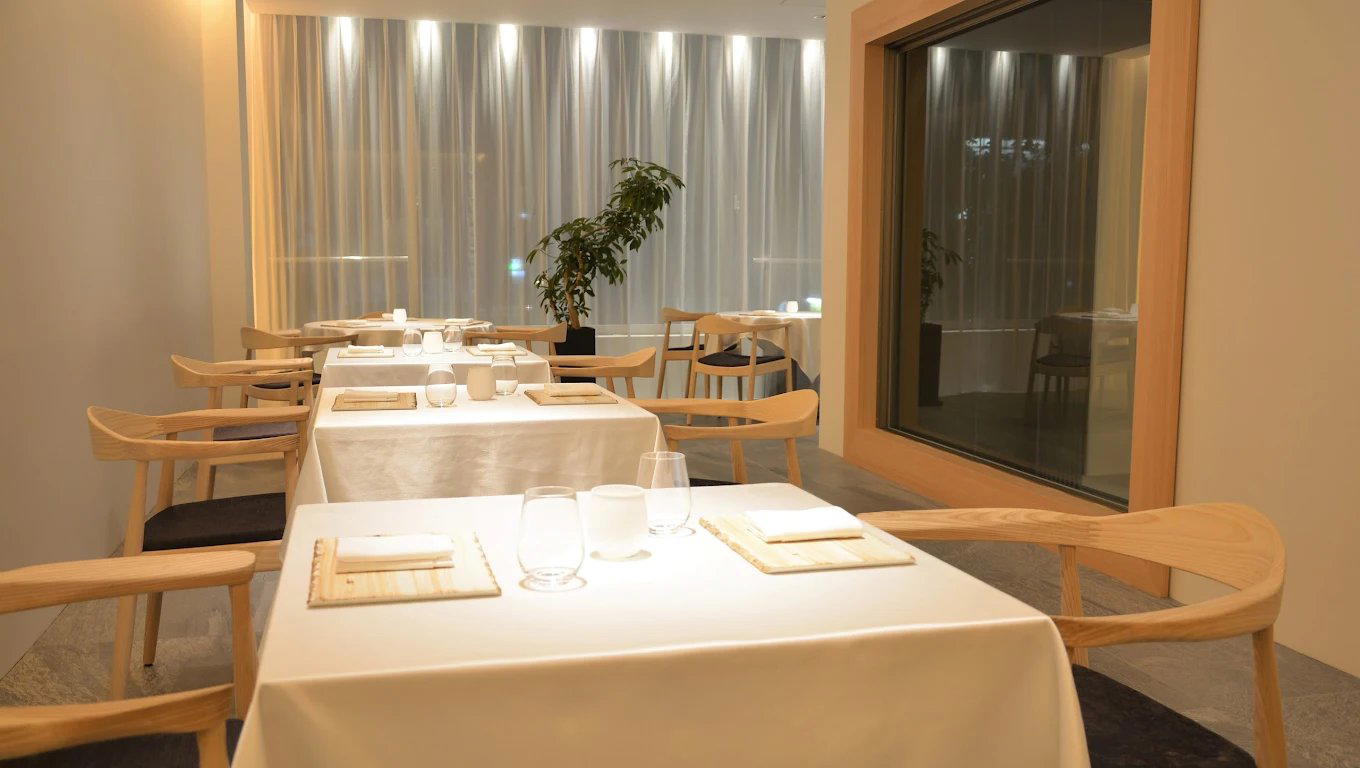
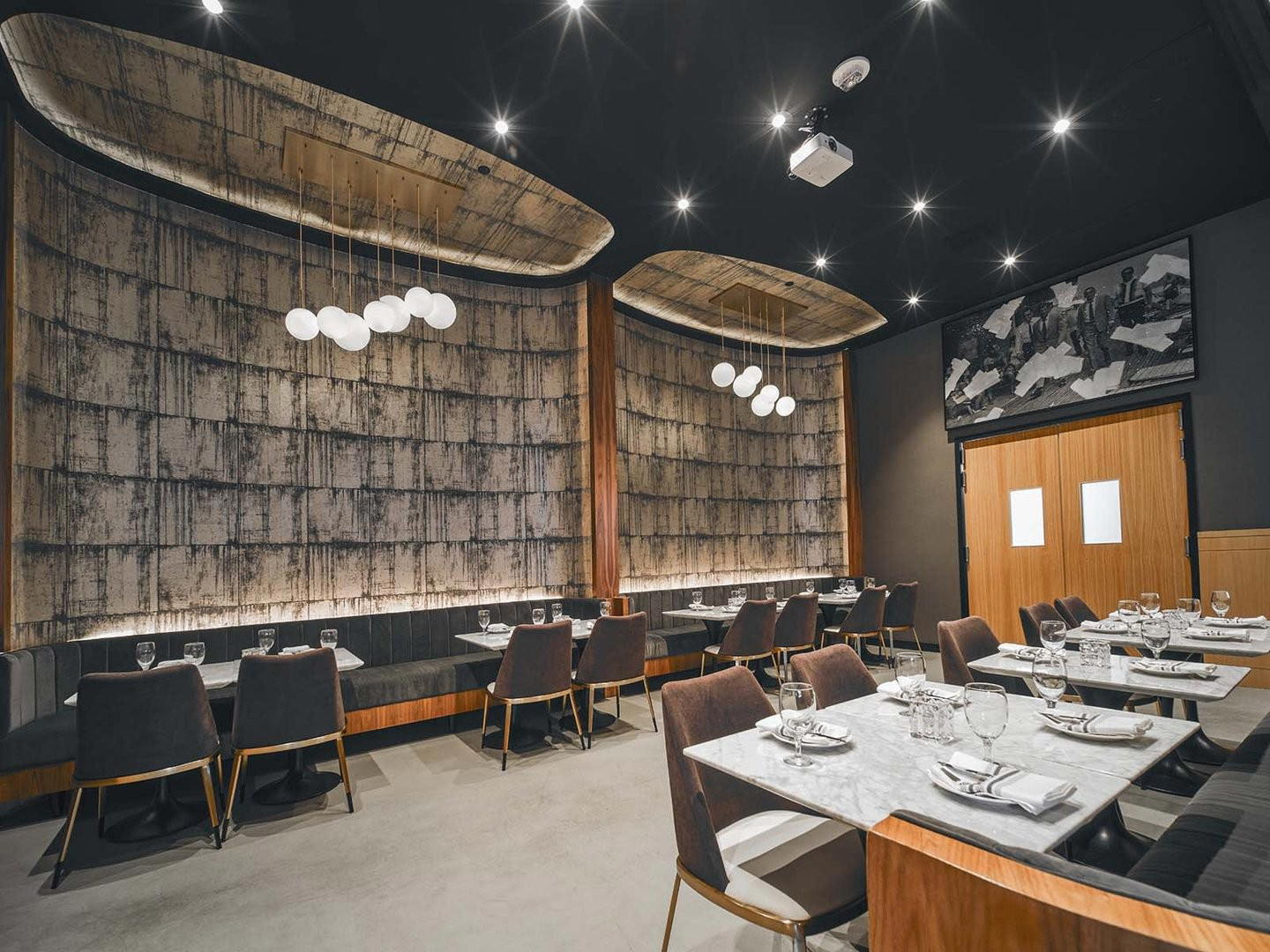
Serene and relaxing atmosphere in a quiet residential neighborhood with sophisticated aesthetics, smooth black counter seating five, small tables, and hand-picked wildflowers.