

Nagoya’s Italian dining scene has a serious counter-culture streak, and il AOYAMA sits in that disciplined lane: small-format, chef-led, wine-aware, and more concerned with precision than spectacle. Hiroaki Aoyama’s restaurant carries Tabelog Silver recognition for 2025 and 2026, plus selection in Tabelog Italian EAST 100 for 2025, placing it among Japan’s more scrutinized Italian rooms.
Pearl is the En Primeur Club membership app — saves, bookings, and concierge access live there. Same editors, same standards.
- Address
- Japan, 〒461-0025 Aichi, Nagoya, Higashi Ward, Tokugawa, 1 Chome−17−38 ワンラブビル
- Website
- tabelog.com
- Directions
- Get directions
 Saves & bookings on Pearl
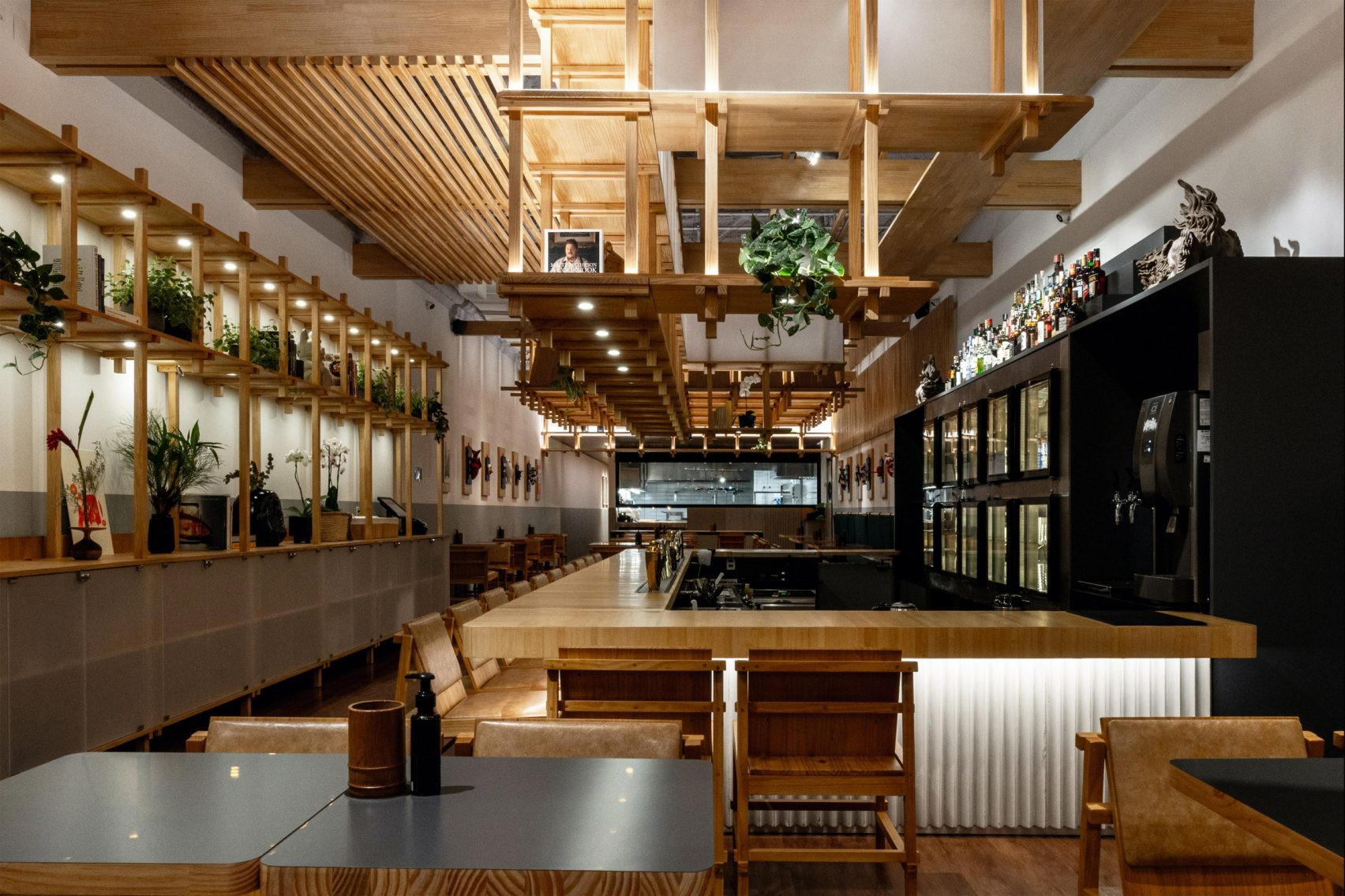
Tokugawa is not Nagoya’s loudest dining district, which suits the mood. The room feels like a house restaurant rather than a city-centre dining machine, with a counter that puts Italian craft under close observation. In Japan, that intimacy often changes the grammar of Italian food: pasta becomes less rustic middle course than measured sequence of dough texture, sauce reduction, heat control, and seasonality.
That is the right lens for il AOYAMA. Nagoya has long rewarded restaurants that treat imported traditions with technical seriousness rather than imitation, and its Italian cooking now spans casual trattorias, wine-led dining rooms, and compact counters with tasting-menu discipline. For travellers mapping the category, Japan no Italian Ryori Ten sai, Lito, 1022, 451, and Aaron show how broad the city’s Italian bracket has become. il AOYAMA sits at the concentrated end, where a small counter and serious wine posture matter as much as the label “Italian.”
Handmade pasta as the measure of Nagoya's serious Italian counters
Italian cooking in Japan often reveals itself through pasta first. The test is not novelty, but whether the kitchen understands dough as structure: elasticity, hydration, cut, and sauce weight must align. Filled pasta needs restraint, because Japanese fine dining punishes excess faster than Italian regional cooking often does. Long, short, and stuffed forms each carry different expectations of bite, and at a counter there is little room to hide.
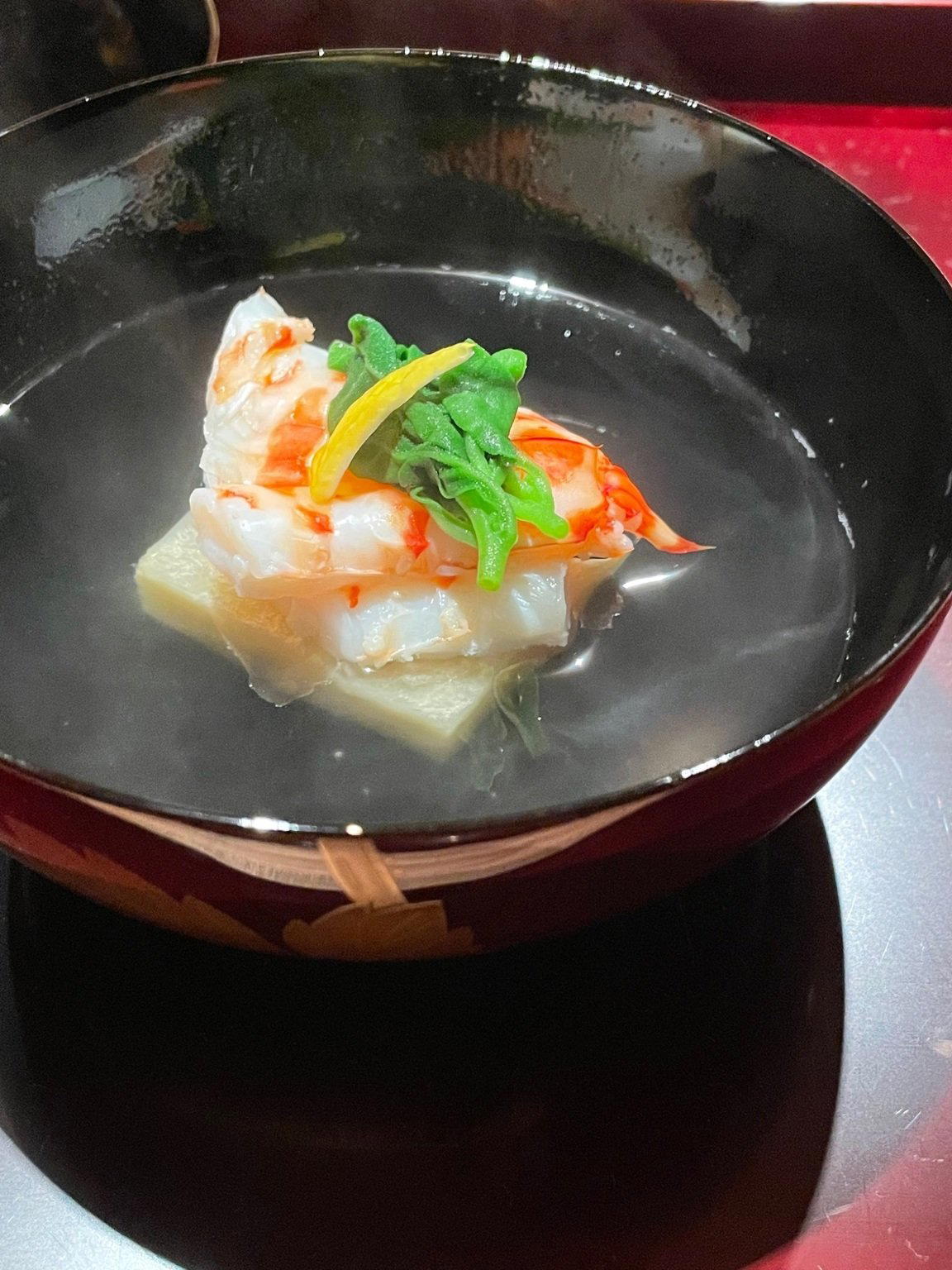
Hiroaki Aoyama’s cooking is described as Italian cuisine infused with the essence of Japan, a phrase that gains meaning in context. In Japan’s higher-end Italian rooms, it usually means seasonal produce, lighter saucing, and a tighter relationship between course progression and wine. The point is not fusion as theatre, but adapting Italian technique to Japanese pacing, portion logic, and ingredient sensitivity. Pasta becomes the hinge: Italian regional memory on one side, Japanese fine-dining cadence on the other.
The recognition around il AOYAMA supports that reading. Tabelog lists it as a Silver winner in 2025 and 2026, with a 2026 score of 4.49, and selected it for Tabelog Italian EAST 100 in 2025. Opinionated About Dining also placed it in its Japan restaurant rankings in 2024 and 2025. Those signals do not describe any single plate, but they clarify the tier: not merely a polished neighbourhood Italian address, but part of a Japanese category judged by repeat diners, technical consistency, and sustained attention beyond novelty.
A nine-seat counter changes the way Italian food is read
The counter is central because it compresses the distance between kitchen and diner. In a larger dining room, Italian service can lean on mood, spacing, and shared-plate rhythm. At a small counter, the sequence becomes more analytical: pasta water, finishing pans, plating tempo, and wine service form the meal’s visible architecture. The format aligns more with sushi and kappo than with a conventional trattoria, which is why Japanese Italian restaurants can feel distinct even when the vocabulary remains recognisably Italian.
That scale also affects expectations. This kind of restaurant is built not for breadth but for control. Expect a focused progression rather than a sprawling à la carte survey of Italian regions. Wine matters as part of the format, not decoration. The listed emphasis on wine places the restaurant within a Japanese Italian tradition where pairings and bottles frame acidity, fat, salt, and bitterness across the meal. For pasta, that matters: a sauce that feels austere alone can make sense beside the glass, the previous course, and the next turn in the sequence.
Compared with Lito’s lower listed dinner bracket among Nagoya Italian peers, il AOYAMA occupies a higher spending tier and tighter format. That difference helps with Nagoya dining planning. Travellers using our full Nagoya restaurants guide should treat it as a destination for a controlled Italian counter experience, not a flexible evening fallback. Pair it with our full Nagoya hotels guide, full Nagoya bars guide, full Nagoya wineries guide, and full Nagoya experiences guide for a trip built around precision dining rather than casual grazing.
How it fits into Japan's wider Italian conversation
Japan’s Italian restaurants have moved far beyond the old split between red-sauce comfort and luxury hotel formality. The more interesting current runs through compact rooms where chefs use Italian technique as discipline rather than costume. Nagoya is strong for that conversation because its dining culture values craft without needing Tokyo’s international glare. Its serious restaurants often ask diners to notice small decisions: texture, pacing, heat, and restraint.
That context matters when comparing across Japan and beyond. A Kamakura beef-focused address such as -Grilled beef Sukiyaki- KAMAKURA TANUKIAN 鎌倉 たぬき庵 in Kamakura belongs to a different Japanese dining grammar, while. 鮪と炭火焼き うお炭 秋葉原店 in Tokyo.cafe in Osaka.know in Kumamoto, (Shoku) Vietnam in Kawasaki, and [Curry Senmon Ten] Maruyama Kyoju. in Sapporo show how Japanese cities absorb foreign and regional ideas on their own terms. Internationally, 112 Eatery, Italian in Minneapolis and 8 1/2 Otto e Mezzo Bombana (Hong Kong), Italian in Hong Kong sit in separate dining economies, but the comparison is useful: Italian cuisine travels well only when the host city has enough confidence to reshape it.
The editorial case for il AOYAMA is not that Nagoya needs an Italian trophy address. It is that the city’s Italian dining has reached a point where pasta, wine, and counter technique can carry a full fine-dining argument without spectacle. For diners who read pasta as craft rather than comfort alone, this is the kind of room where small decisions carry the weight.
Cuisine-First Comparison
Nearby venues at a similar price tier for orientation.
| Venue | Cuisine | Price | Notes |
|---|---|---|---|
| il AOYAMAThis venue — the venue you are viewing | Japanese-Inflected Italian Cuisine | $$$$ | Not listed |
| イル アオヤマ | Japanese-Italian Fusion Omakase | $$$$ | Higashi |
| ガストロノミーソール ヤナギヤ | 本格イタリアン | $$$$ | Naka |
| OLMO | Seasonal Italian in a renovated Nagoya kominka | $$$$ | Nishi |
| cucina Wada | Seasonal Italian | $$$ | Naka |
| Unafuji | Nagoya-Style Charcoal Grilled Unagi | $$$$ | Shōwa |
Recognition history
Dated appearances from independent guides and award organizations, with the underlying list record or original source where available.
Opinionated About Dining Top Restaurants in Japan Recommended
Opinionated About Dining
Tabelog Silver #42
Tabelog
Opinionated About Dining Top Restaurants in Japan Ranked #305
Opinionated About Dining
Tabelog 100 #41 · No. 41
Tabelog · Tabelog 100 - Italian - EAST - 2025
Tabelog Silver
Tabelog
Opinionated About Dining Top Restaurants in Japan Ranked #323
Opinionated About Dining
At a Glance
- Elegant
- Intimate
- Sophisticated
- Special Occasion
- Date Night
- Chefs Counter
- Open Kitchen
- Design Destination
- Extensive Wine List
- Sommelier Led
- Farm To Table
- Organic
- Local Sourcing
- Zero Waste
Current opening hours
- Monday
- 6–11 PM
- Tuesday
- 6–11 PM
- Wednesday
- 6–11 PM
- Thursday
- 6–11 PM
- Friday
- 6–11 PM
- Saturday
- 6–11 PM
- Sunday
- 6–11 PM
Hours can change for holidays and private events. Last verified .
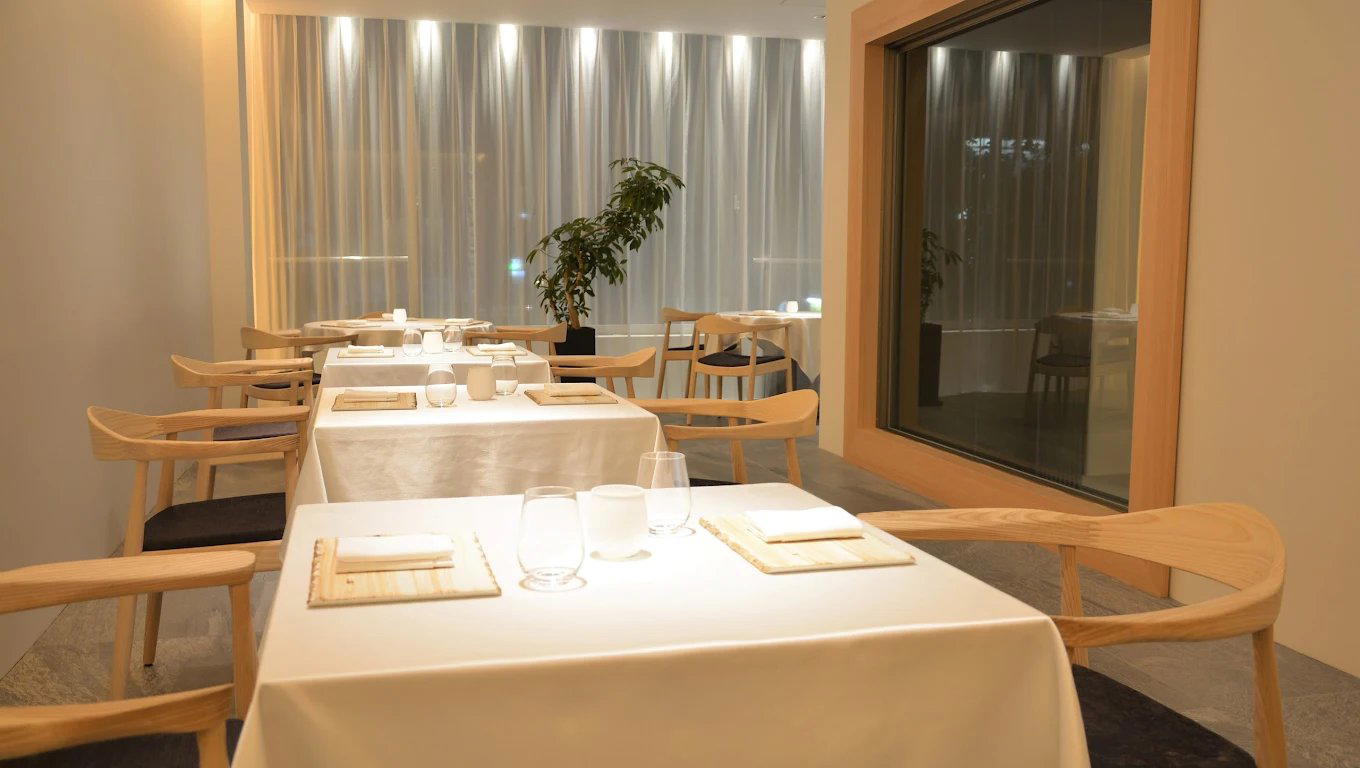
Refined, minimalist residential setting with stylish and relaxing counter-focused space; soft, intimate lighting conducive to focused dining experiences.
Know Before You Go
- Reservations
- Appointment only
- Dress code
- Smart casual
- Getting there
- Japan, 〒461-0025 Aichi, Nagoya, Higashi Ward, Tokugawa, 1 Chome−17−38 ワンラブビル