
High-floor shabu shabu and sukiyaki in the JR Central Towers, directly tied to Nagoya Station and selected for Tabelog 100 Hot Pot 2024. The draw is not avant-garde cooking but polished beef hot pot, private-room utility, a 60-seat dining room, and a drinks program that takes sake, shochu, and wine seriously.
Pearl is the En Primeur Club membership app — saves, bookings, and concierge access live there. Same editors, same standards.
- Address
- 愛知県名古屋市中村区名駅1-1-4 JRセントラルタワーズ 13F
- Phone
- +81525892757
- Website
- takafuku2010.com
 Saves & bookings on Pearl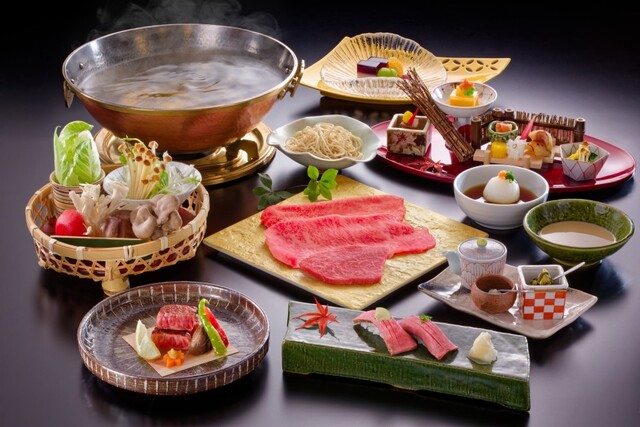
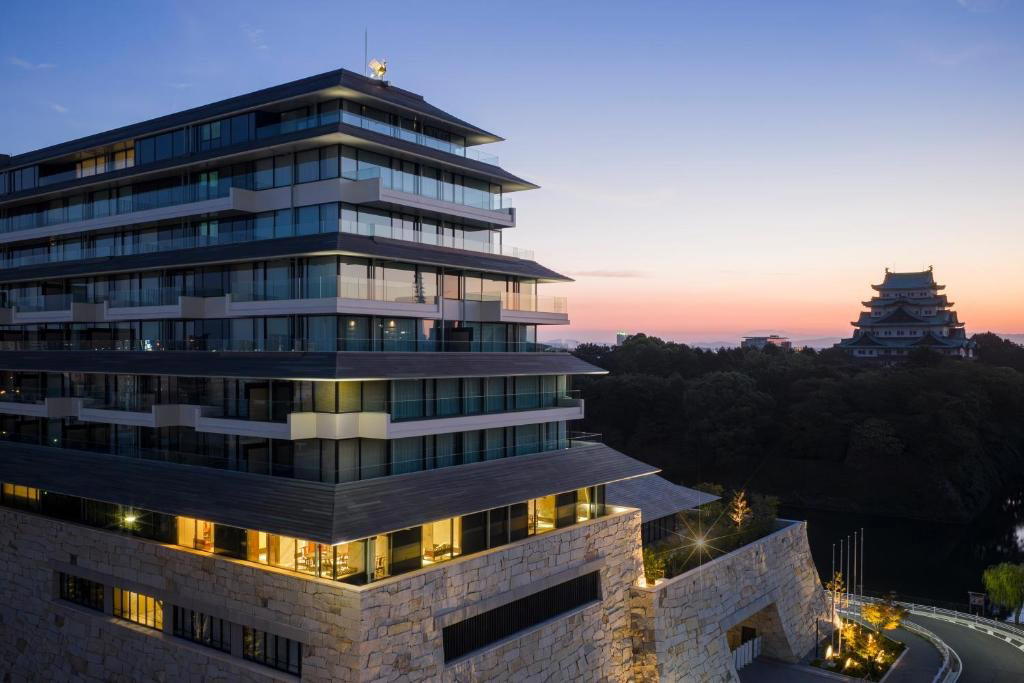
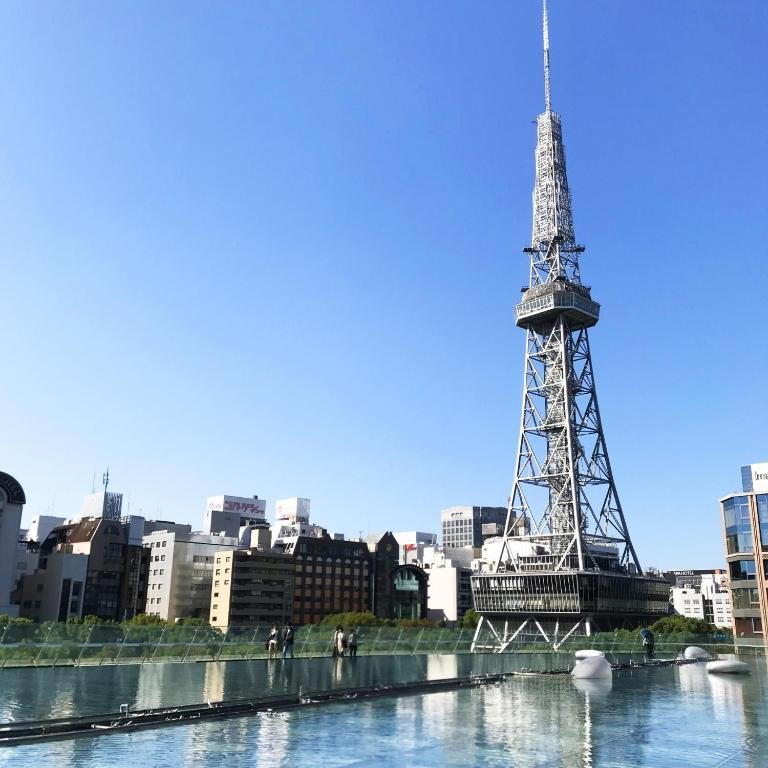
The approach is pure Nagoya Station pragmatism: escalators, department-store polish, and then the lift up into JR Central Towers, where lunch traffic, business dinners, and family celebrations compress into the same vertical dining stack. In this part of Meieki, restaurants work differently from backstreet counters. Convenience is not a compromise; it is part of the proposition. Taka Fuku Nagoya JR sentoraru tawāzu ten sits in that high-rise category, pairing shabu shabu and sukiyaki with the kind of room structure that suits both planned meals and cross-generational gatherings.
Nagoya’s station dining scene has range, from quick sweets at Kurimukinton Suya Jeiāru nagoya takashimaya and budget station meals at Kounan JR sentoraru tawazu ten to higher-spend rooms such as Nako Tei and MIKUNI NAGOYA. Against that spread, this address belongs to the premium hot-pot tier rather than the casual refuelling tier. Dinner pricing is listed at JPY 15,000 to JPY 19,999, with lunch at JPY 4,000 to JPY 4,999, which places the meal closer to celebratory beef dining than everyday station convenience.
Beef hot pot with a serious drinks frame
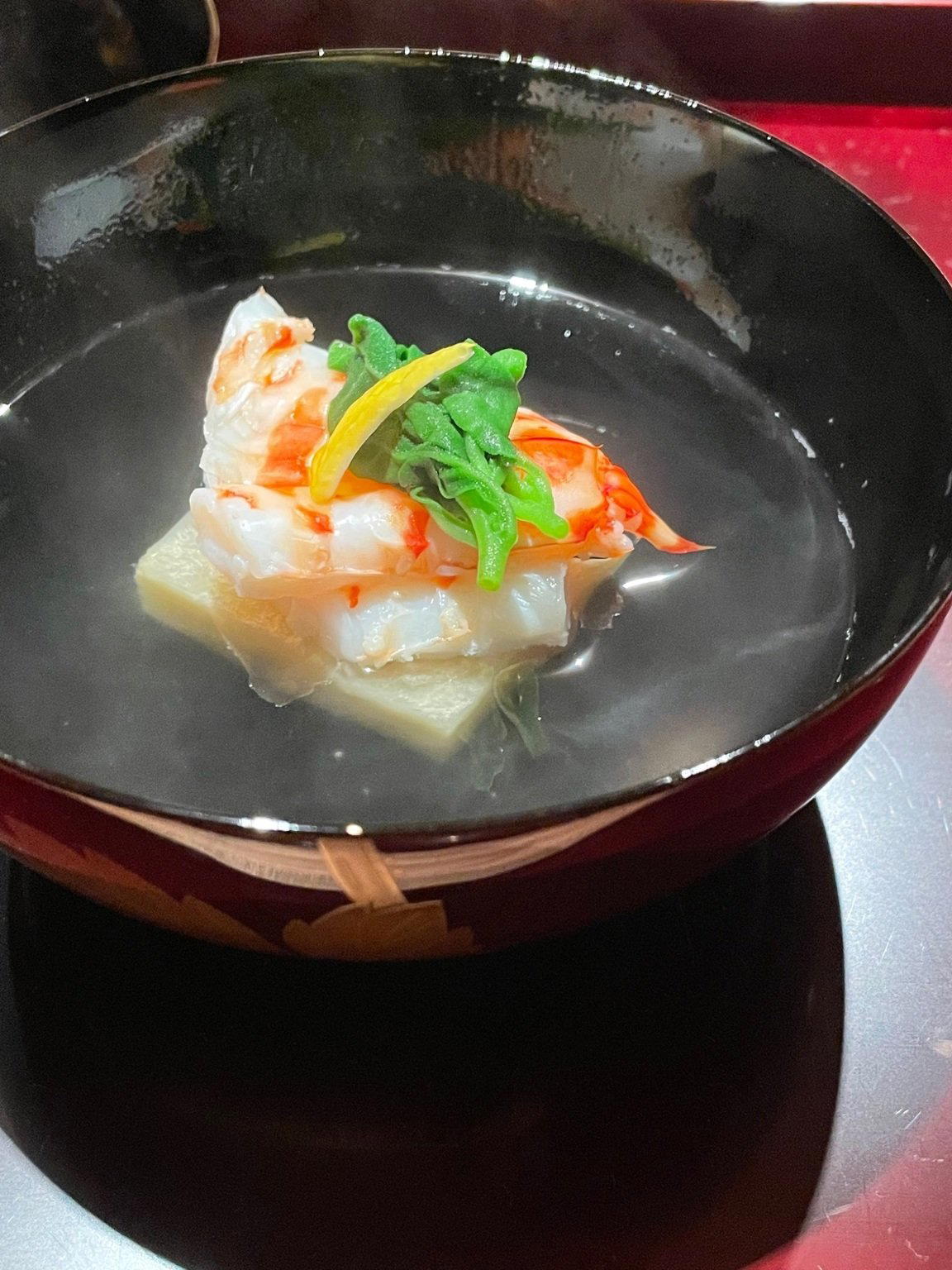
Shabu shabu and sukiyaki reward precision more than novelty. The format depends on broth, heat control, beef quality, dipping sauces, and pacing; theatrics usually get in the way. Here the category is explicit: Japanese hot pot, split between shabu shabu and the sweeter soy profile of sukiyaki. The restaurant is produced by Ningyocho Imahan, a name associated with beef hot-pot culture, which gives the format a clearer lineage than a generic tower-restaurant listing.
The more interesting angle is the drinks structure. Hot pot is often treated as beer-and-highball territory, but this room lists sake, shochu, and wine with emphasis across all three. That matters because sukiyaki’s sweet-salty intensity and shabu shabu’s cleaner broth profile ask for different pairings. Sake can work across umami and fat; shochu handles richer beef courses without adding sweetness; wine gives the meal a more formal dinner register. For travellers comparing Nagoya’s restaurant categories, that drinks breadth is the cue that this is not simply a convenient hot-pot stop inside a tower.
Tabelog selected the restaurant for its Hot Pot “Tabelog 100” in 2024, a useful signal in a category where national attention often goes first to sushi, kaiseki, and French-influenced tasting menus. A 3.51 Tabelog score is not the story by itself; the selection places the room inside a narrower hot-pot conversation, where technique and category discipline count more than spectacle. For broader city context, Our full Nagoya restaurants guide is the better starting map, while travellers building a wider itinerary can also use Our full Nagoya hotels guide, Our full Nagoya bars guide, Our full Nagoya wineries guide, and Our full Nagoya experiences guide.
A station-tower room built for groups, not counter theatre
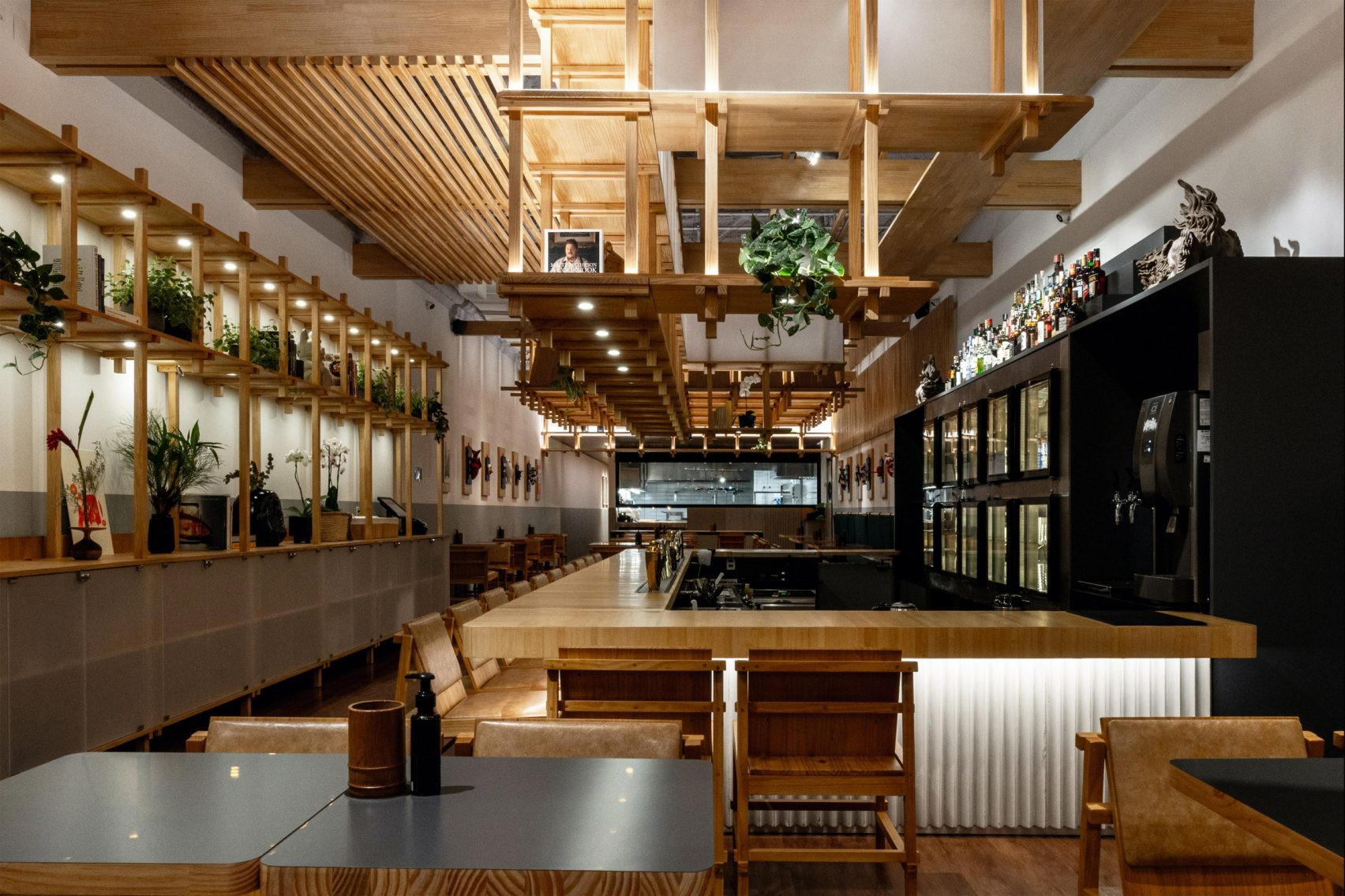
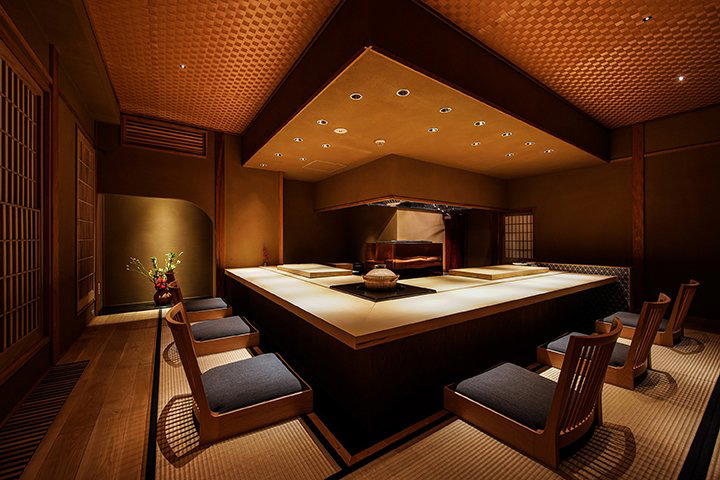
The 60-seat room and private rooms for 2, 4, and 6 people define the experience as much as the food category. Nagoya has plenty of intimate specialist counters, but beef hot pot has a different social function: it suits families, client meals, and travellers who want a composed dinner without turning the evening into a performance of reservation hardship. Maximum seated parties run to 26 people, which pushes the restaurant into a useful bracket for formal gatherings around the station.
That utility does not make the setting anonymous. The listed location notes views and night views, and the non-smoking dining room, with a shared smoking room outside the restaurant, reflects the more controlled style of modern tower dining. Children are welcome, with a kids’ menu and a children’s bento listed at JPY 2,200, so the restaurant is unusually practical for a premium beef meal in Nagoya. A 10 percent service charge applies, and payment coverage is broad: major credit cards, transport IC cards, several electronic-money systems, and QR payments including PayPay, Alipay, and WeChat Pay.
Reservations are available, and weekend and holiday demand comes with a specific planning wrinkle: guests are asked to decide the menu when reserving. That is not a minor footnote for this format. Hot pot kitchens need rhythm, and beef dining at this price level benefits from advance decisions rather than table-side indecision. The restaurant opened on April 7, 2017, and its station location means it works especially well for arrivals, departures, and evenings when crossing town would waste the better part of dinner.
How to place it in a Nagoya itinerary
The right comparison is not a destination tasting counter; it is the premium station-dining room that solves logistics while keeping category standards high. Nako Tei and MIKUNI NAGOYA occupy a similar dinner-price band in Nagoya, while lower-priced station options such as Le Supreme Jeiāru nagoya takashimaya ten serve a different purpose entirely. Taka Fuku Nagoya JR sentoraru tawāzu ten is for travellers who want Japanese beef hot pot with structure, private-room potential, and a beverage list broad enough to support a proper evening.
Readers scanning Japan beyond Nagoya may want to compare how beef and casual Japanese formats shift by city: -Grilled beef Sukiyaki- KAMAKURA TANUKIAN 鎌倉 たぬき庵 in Kamakura gives sukiyaki another regional frame, while . 鮪と炭火焼き うお炭 秋葉原店 in Tokyo, .cafe in Osaka, .know in Kumamoto, (Shoku) Vietnam in Kawasaki, and [Curry Senmon Ten] Maruyama Kyoju. in Sapporo show how station access, specialist formats, and local demand reshape the same broad dining habits. For cross-Pacific context, Jōdo Saké Bar in Los Angeles and Onigiri Time in Pasadena point to how Japanese drinking and casual formats translate outside Japan.
Within Nagoya, nearby editorial references such as 1022, 451, Aaron, Alan. and All Day Dining Montmartre help triangulate the city’s spread between specialist meals, hotel dining, and everyday convenience. The appeal here is narrower and clearer: polished shabu shabu and sukiyaki above the station, with enough cellar range to make beef hot pot feel like dinner rather than transit dining.
Category Peers
Nearby venues at a similar price tier for orientation.
| Venue | Cuisine | Price | Notes |
|---|---|---|---|
| Taka Fuku Nagoya JR sentoraru tawāzu tenThis venue — the venue you are viewing | Shabu-Shabu & Sukiyaki | $$$$ | Not listed |
| Sushisho | Edo-style Sushi Omakase | $$$$ | Naka |
| 寿し道 桜田 | Nagoya Edomae Sushi | $$$$ | Naka |
| か茂免 | Traditional Japanese Kaiseki & Fugu | $$$$ | Higashi |
| Kajikawa | Seasonal Japanese Kaiseki Counter | $$$$ | Chikusa |
| Teppan Dining Shuu Sakae ten | Creative Wagyu Teppanyaki | $$$$ | Naka |
Recognition history
Dated appearances from independent guides and award organizations, with the underlying list record or original source where available.
Tabelog 100 #8 · No. 8
Tabelog · Tabelog 100 - Hot Pot - 2024
Continue exploring
More in Nagoya
Restaurants in Nagoya
Browse all →
At a Glance
- Elegant
- Sophisticated
- Classic
- Intimate
- Group Dining
- Family
- Celebration
- Special Occasion
- Business Dinner
- Private Dining
- Standalone
- Sake Program
- Beer Program
- Local Sourcing
A refined, Japanese-modern interior with a warm, calm atmosphere and private rooms suited to relaxed meals with family or friends.