
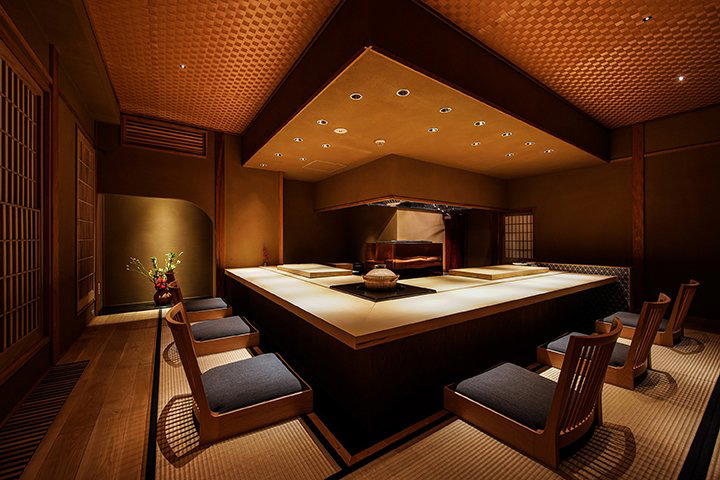
Nagoya’s special-occasion dining often rewards small rooms over spectacle, and Japanese cuisine Nao sits firmly in that intimate camp: six counter seats, Japanese cuisine, and recognition in Tabelog’s Japanese Cuisine EAST 100 for 2025. The format suits milestone meals where concentration matters, with sake and wine listed rather than a sprawling drinks program.
Pearl is the En Primeur Club membership app — saves, bookings, and concierge access live there. Same editors, same standards.
- Address
- 1 Chome-21-6 Nagono, Nishi Ward, Nagoya, Aichi 451-0042, Japan
- Phone
- +81 52-526-7350
- Website
- tabelog.com
 Saves & bookings on Pearl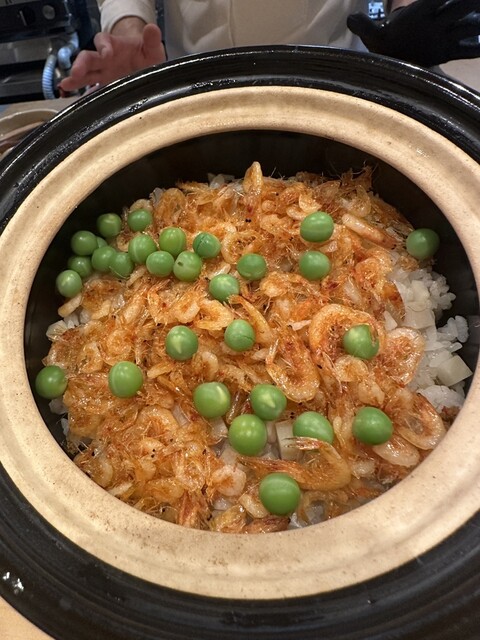
Approaching Nagono from the Kokusai Center side, the mood shifts from station-side efficiency to one of Nagoya’s quieter dining pockets: low-rise streets, older merchant-town texture, and restaurants that do not need theatrical frontage to signal seriousness. In that setting, Japanese cuisine Nao belongs to a specific Japanese tradition of occasion dining, where the room is small, the counter is the stage, and the meal asks for attention rather than noise.
Nagoya is often read too narrowly through its regional comfort canon: miso katsu, hitsumabushi, kishimen, tebasaki. Those dishes matter, but they do not define the city’s entire dining range. At the higher end, Nagoya has a disciplined counter culture that sits between Tokyo’s density and Kyoto’s ceremonial gravity. The city’s serious Japanese restaurants tend to be compact, reservation-led, and built around repeat local trust. That makes them less visible to visitors than famous addresses in Ginza or Gion, but not less demanding.
A six-seat counter built for milestone meals, not group spectacle
The key signal here is scale. Six seats, all at the counter, changes the social contract of a meal. This is not the format for a loud celebration, a client dinner with side conversations, or a flexible drop-in evening. It is better understood as a focused anniversary, birthday, solo reward dinner, or small-pair occasion where the value lies in proximity and pacing. In Japanese cuisine at this level, the counter compresses distance between preparation and service; it also makes manners, timing, and attentiveness part of the experience.
The price band places the restaurant in Nagoya’s serious dining tier without pushing into the city’s higher luxury bracket. Compared with Nagoya peers such as OLMO, where listed budgets sit higher, Japanese cuisine Nao occupies a more contained spend category while keeping the small-room format associated with premium Japanese dining. At the other end of the spectrum, CHANDELIER’s lower listed budget belongs to a different type of outing entirely. The useful comparison is not cuisine-to-cuisine equivalence, but occasion logic: this is a room for a planned meal, not a casual city stop.
Recognition matters because Nagoya’s dining reputation is not always exported with the same force as Tokyo, Osaka, or Kyoto. Selection for Tabelog’s Japanese Cuisine EAST 100 in 2025 puts the restaurant into a curated regional bracket, and its Tabelog score of 3.78 reinforces that this is not merely a neighbourhood address with local affection. Tabelog can be especially revealing in Japan because small counters and chef-led rooms often receive more granular attention from domestic diners than from international award systems.
Nagoya's Japanese-cuisine tier rewards restraint and planning
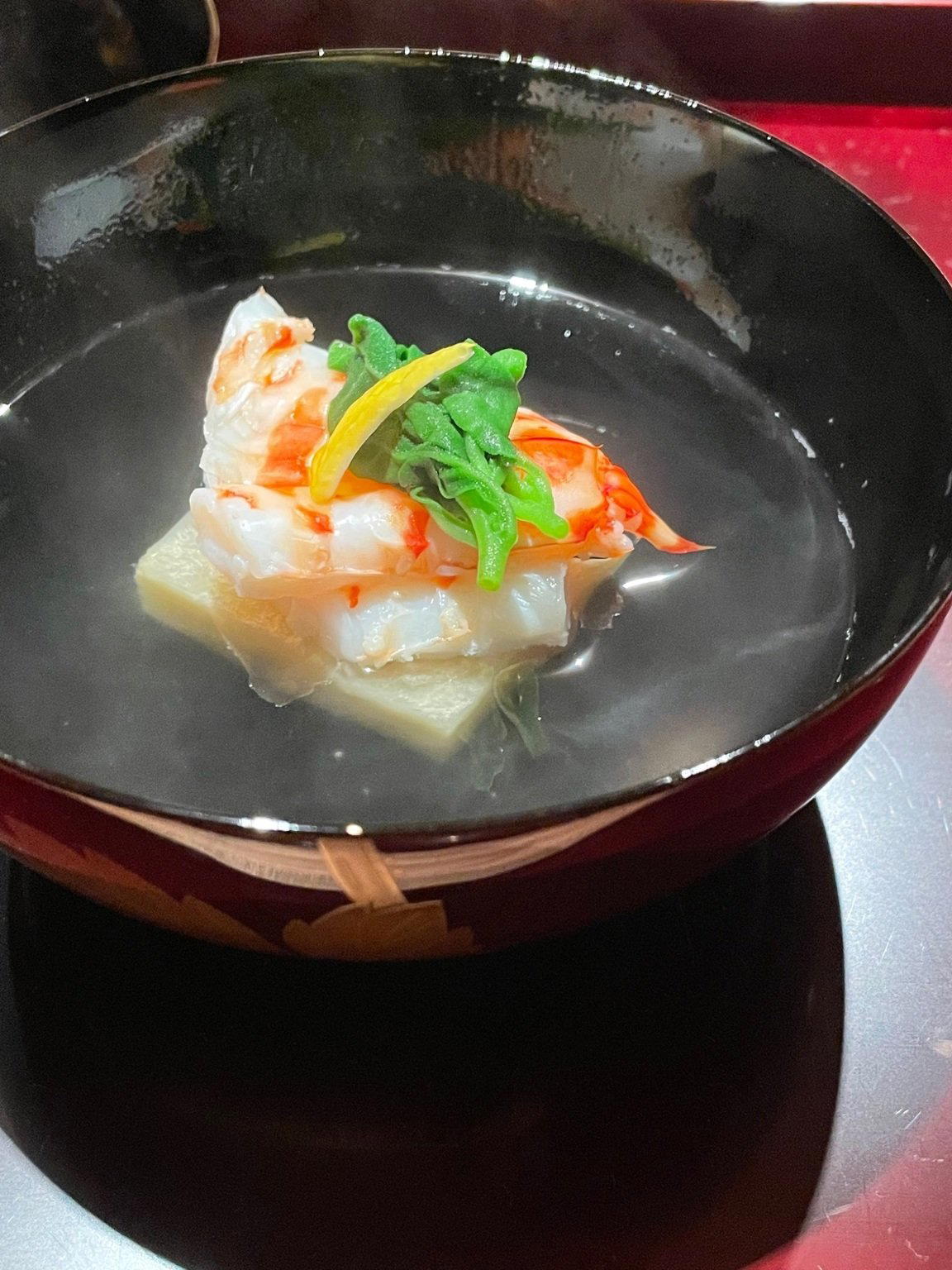
Japanese cuisine as a category is broad enough to be misleading. In Nagoya, the term can cover everything from kappo-style counters to more formal seasonal menus. Without relying on named dishes or chef biography, the relevant point is format: a six-seat counter with sake and wine listed is operating in the language of progression, pairing, and close service. That matters for guests choosing between a regional specialty meal and a more deliberate celebration dinner. The former explains Nagoya through famous flavors; the latter shows how the city participates in Japan’s broader high-end dining culture.
The surrounding Nagono and Kokusai Center area helps frame the decision. It is close enough to the city’s commercial core for a serious dinner plan, but it does not carry the hotel-lobby feel that can flatten a meal into convenience. For visitors building a full Nagoya itinerary, the restaurant works better as the anchor of an evening than as an add-on after a packed day. Readers comparing neighborhoods and categories can use Our full Nagoya restaurants guide, then cross-check stays through Our full Nagoya hotels guide, drinking plans through Our full Nagoya bars guide, producer-led side trips through Our full Nagoya wineries guide, and cultural planning through Our full Nagoya experiences guide.
The practical reading is simple: a small counter reduces margin for improvisation. Reservation-only operation, lunch and dinner pricing at 19,800 yen including tax, and a listed lunch duration of about three hours all point to a meal that should be protected in the day’s schedule. Private rooms are not part of the setup, parking is unavailable, and the room is non-smoking. Credit card acceptance is listed for Visa, while electronic money and QR code payments are not. These details matter less as amenities than as signals of the type of dining rhythm expected.
How to choose it over Nagoya's louder pleasures
Case for Japanese cuisine Nao is strongest when the occasion calls for intimacy and restraint. Nagoya has plenty of meals built around abundance and regional identity; this one belongs to the quieter register of Japanese dining, where the counter’s limited capacity is the point. For a visitor with only one night in town, the choice depends on the story the meal needs to tell. If the goal is to taste Nagoya’s popular food culture, choose regional classics. If the goal is to mark a date with a composed Japanese counter experience, this is the stronger fit.
It also suits solo dining better than many celebration restaurants. The listing explicitly notes solo dining as a recommended occasion, and the counter format supports that: the guest is not stranded at a table for two, and the meal’s structure supplies its own momentum. Couples should read the room as intimate rather than romantic in the candlelit Western sense. Business diners should choose it only when the conversation can remain quiet and the meal itself is allowed to lead.
For broader comparison across Japan and Japanese-influenced dining abroad, EP Club’s restaurant library includes Nagoya addresses such as 1022, 451, Aaron, Alan., and All Day Dining Montmartre. For a wider national lens, see -Grilled beef Sukiyaki- KAMAKURA TANUKIAN 鎌倉 たぬき庵 in Kamakura. 鮪と炭火焼き うお炭 秋葉原店 in Tokyo.cafe in Osaka.know in Kumamoto, (Shoku) Vietnam in Kawasaki, and [Curry Senmon Ten] Maruyama Kyoju. in Sapporo. The overseas sake-and-Japan conversation continues at Jōdo Saké Bar in Los Angeles and Onigiri Time in Pasadena.
A Tight Comparison
Comparable venues at similar price and category levels.
| Venue | Cuisine | Price |
|---|---|---|
| Japanese cuisine NaoThis venue — the venue you are viewing | Nishi, Seasonal Japanese Counter Cuisine | $$$$ |
| Nako Tei | Nakamura, Luxury Japanese Teppanyaki | $$$$ |
| Kikkou | Naka, Refined Sushi Omakase | $$$$ |
| Sushisho | Naka, Edo-style Sushi Omakase | $$$$ |
| Taka Fuku Nagoya JR sentoraru tawāzu ten | Nakamura, Shabu-Shabu & Sukiyaki | $$$$ |
| Sekine | Shōwa, Traditional Japanese Kaiseki | $$$$ |
Recognition history
Dated appearances from independent guides and award organizations, with the underlying list record or original source where available.
Tabelog 100 #81 · No. 81
Tabelog · Tabelog 100 - Japanese cuisine - EAST - 2025
Continue exploring
More in Nagoya
Restaurants in Nagoya
Browse all →
At a Glance
- Intimate
- Elegant
- Cozy
- Sophisticated
- Special Occasion
- Date Night
- Business Dinner
- Solo
- Chefs Counter
- Standalone
- Design Destination
- Sake Program
- Extensive Wine List
Current opening hours
- Monday
- 6–10 PM
- Tuesday
- 12–3 PM, 6–10 PM
- Wednesday
- Closed
- Thursday
- 6–10 PM
- Friday
- 6–10 PM
- Saturday
- 6–10 PM
- Sunday
- 12–3 PM, 6–10 PM
Hours can change for holidays and private events. Last verified .
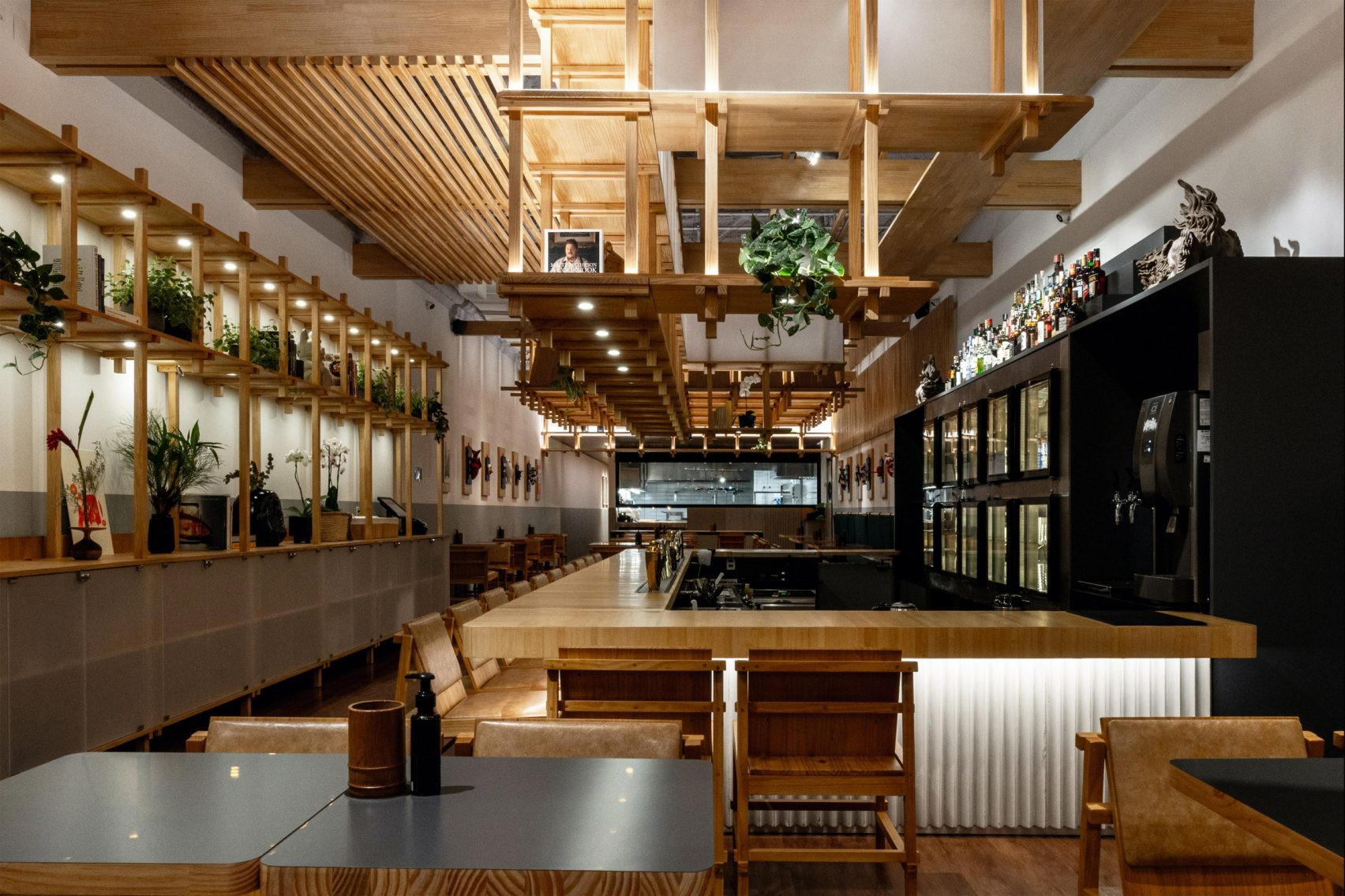
Refined and tranquil counter-only setting with just six seats, non-smoking, and a slow, three-hour course format that emphasizes focused interaction with the chef and a calm, upscale atmosphere.