
Tabelog Silver #123
Our verdict
Shinzenbi places Nagoya’s serious Sichuan dining in a small counter format, closer in rhythm to Japanese kappo than to banquet-room Chinese. Tabelog recognition, including a 2026 Silver Award and Chinese EAST 100 selection, puts it in a narrow category: ingredient-led Chinese cooking with wine, tight seating, and a format built for diners who value precision over breadth.

Pearl is the En Primeur Club membership app — saves, bookings, and concierge access live there. Same editors, same standards.
- Address
- Japan, 〒461-0005 Aichi, Nagoya, Higashi Ward, Higashisakura, 2 Chome−12−34 M’s Garden, 2F
- Phone
- +81 52-982-8820
- Hours
- Mon ClosedTue–Sun 6:30–9 PM
- Website
- tabelog.com
- Directions
- Get directions
Higashisakura is not the part of Nagoya that announces dinner with neon excess. The approach is urban and restrained, the kind of district where destination restaurants hide in mixed-use buildings rather than on grand avenues. That matters for understanding Shinzenbi: the meal belongs to Japan’s counter-dining culture as much as to Sichuan cuisine. The room is built around proximity, not ceremony at scale, and that pushes attention toward sourcing, sequence, heat, and the conversation between Chinese technique and Japanese produce.
Nagoya’s luxury dining scene is often framed through sushi, kappo, steak, and French-Japanese tasting rooms, but its Chinese dining has developed a quieter premium tier. In that tier, Sichuan is rarely about blunt chilli force alone. Japanese interpretations tend to emphasise fragrance, oil control, broth clarity, texture, and the seasonality of seafood, vegetables, and meat. Shinzenbi sits in that register: Sichuan and Chinese categories on paper, but with a counter format that makes the sourcing question central. At this level, the difference between a heavy meal and a compelling one is often how the kitchen treats ingredients before spice enters the frame.
Ingredient-led Sichuan cooking in a counter-dining city
Sichuan cuisine outside China is too often reduced to heat, numbing pepper, and red oil. Serious kitchens work with a broader grammar: fermented bean pastes, dried and fresh chillies, Sichuan peppercorn, vinegar, aromatics, stock, smoke, and contrasting textures. In Japan, that grammar meets a market culture obsessed with condition and season. The result, when handled with discipline, is Chinese cooking that does not need banquet scale to feel complete.
That is the editorial case for this restaurant. The counter setting forces a narrower relationship between guest and kitchen, and the cooking has to justify itself course by course. There is less room for the abundance model that defines many Chinese meals, and more pressure on each plate to show why a certain ingredient is present, why the seasoning is measured that way, and why wine belongs on the table. The listed drink focus is wine, a telling signal in Nagoya: it positions the meal closer to a modern tasting counter than to the usual beer-and-baijiu shorthand attached to Sichuan dining.
Recognition gives the format external weight. The restaurant received The Tabelog Award 2026 Silver, following Silver in 2025 and Bronze in 2024 and 2023, and appears in the Tabelog Chinese EAST 100 for 2026. Its Tabelog score is listed at 4.43 in the 2026 award context. Those are not decorative facts; in Japan’s restaurant culture, they indicate sustained diner confidence in a category where national visibility often skews toward Tokyo. For Nagoya, that makes the restaurant part of a small, serious group of Chinese counters rather than a general-purpose special-occasion room.
How it compares within Nagoya's premium dining tier
The price band places this meal above much of Nagoya’s comfortable dining middle. Pizza BURDE operates in a far lower casual range, while LA MODESTIE, Yakiniku Asahi, and Chiba Izumi sit in a different bracket, and L'atelier K occupies a nearby premium tier with a separate French-leaning context. The comparison is useful because it clarifies the decision: this is not where to look for breadth, informality, or a big-table meal. It is where Sichuan technique is being asked to perform with the focus and cost structure of Japanese counter dining.
The 12-seat, counter-only format also changes the social contract. Chinese dining has a long shared-table tradition, but premium Japanese Chinese rooms increasingly borrow the concentration of sushi and kappo counters. That shift suits ingredient sourcing because the kitchen can work in tighter quantities and put more pressure on timing. It also makes the meal less suitable for diners who want private-room ease, children at the table, or flexible pacing. The room’s discipline is part of the value proposition, not an accessory.
Chef credential available in public-facing descriptions points to training connected with Chinese Sichuan Cuisine: Togen and Shisen Hanten, both important reference points for Sichuan cooking in Japan. That biographical detail is useful only insofar as it explains the cooking’s likely frame: a Japanese Sichuan lineage rather than a generic pan-Chinese menu. The broader story is not a personal myth. It is the evolution of Chinese fine dining in Japan from hotel dining rooms and large-format restaurants toward smaller, more controlled counters.
Who should choose this Nagoya table
Choose it when the point of the evening is concentration: serious Chinese technique, ingredient-sensitive cooking, wine, and a room that rewards attention. Skip it when the priority is a casual night, a mixed-age family dinner, or a broad à la carte spread. The restaurant’s rules around age, smoking, fragrance, and allergy notice all point to a tightly managed dining environment, which will feel reassuring to some guests and restrictive to others.
For travellers building a Nagoya itinerary, the useful move is to treat this as the Chinese fine-dining anchor and then fill the rest of the trip with contrast. gives the wider dining map, while, and Our full Nagoya experiences guide help shape the rest of the stay. Related restaurant pages include 1022, 451, Aaron, Alan., and All Day Dining Montmartre. For broader Japan and overseas context, see -Grilled beef Sukiyaki- KAMAKURA TANUKIAN 鎌倉 たぬき庵 in Kamakura. 鮪と炭火焼き うお炭 秋葉原店 in Tokyo.cafe in Osaka.know in Kumamoto, (Shoku) Vietnam in Kawasaki, [Curry Senmon Ten] Maruyama Kyoju. in Sapporo, Jōdo Saké Bar in Los Angeles, and Onigiri Time in Pasadena.
Frequently asked questions
Is Shinzenbi suitable for children?
Shinzenbi is a better fit for adults and older teens, since the restaurant’s own policy says it generally accommodates guests who are university students or older. The 12-seat counter and reservation-only dinner format also suit a quiet, adult dining pace in Nagoya.
What kind of setting is Shinzenbi?
It is a 12-seat counter-only room in Higashisakura, Nagoya, with no private rooms and a non-smoking policy. Dinner starts at 18:30, reservations are required, and wine is listed among the drink options, which gives the room a focused, formal feel.
What are the operating hours at Shinzenbi?
Hours at Shinzenbi: ■Business hoursStarts at 18:30■Closed onMondays and every other Sunday (please contact us directly for details).
What is Shinzenbi known for?
Shinzenbi is primarily known for its core concept and execution in Nagoya.
Side-by-Side Snapshot
Comparable venues by cuisine and price in the same metro.
| Venue | Cuisine | Price | Awards | Notes |
|---|---|---|---|---|
| ShinzenbiThis venue — the venue you are viewing | Modern Sichuan Omakase | $500+ | Tabelog Silver #123 | Not listed |
| Koran | Seasonal Chinese Counter Dining | $100–150 | Tabelog 100 #48 | Naka |
| Le Chinois SANO Nagoya | Nouvelle Chinese (Modern Cantonese) | Not listed | Tabelog 100 #95 | Naka |
| Unafuji | Nagoya-Style Charcoal Grilled Unagi | $50–100 | Tabelog 100 #38 | Shōwa |
| China Hanten Shunju | Modern Shanghai Chinese with Chubu regional ingredients | $50–100 | Tabelog 100 #71 | Naka |
| rokuhachikyuujuuba | Modern Sichuan Chinese Tavern | Not listed | Tabelog 100 #54 | Higashi |
Recognition history
Dated appearances from independent guides and award organizations, with the underlying list record or original source where available.
Tabelog Silver #123
Tabelog
Full recognition history (3 entries)
Tabelog 100 #53 · No. 53
Tabelog · Tabelog 100 - Chinese cuisine - EAST - 2026
Tabelog Silver
Tabelog

Details
- Sophisticated
- Elegant
- Intimate
- Special Occasion
- Date Night
- Chefs Counter
- Open Kitchen
- Sake Program
- Omakase
Current opening hours
- Monday
- Closed
- Tuesday
- 6:30–9 PM
- Wednesday
- 6:30–9 PM
- Thursday
- 6:30–9 PM
- Friday
- 6:30–9 PM
- Saturday
- 6:30–9 PM
- Sunday
- 6:30–9 PM
Hours can change for holidays and private events. Last verified .
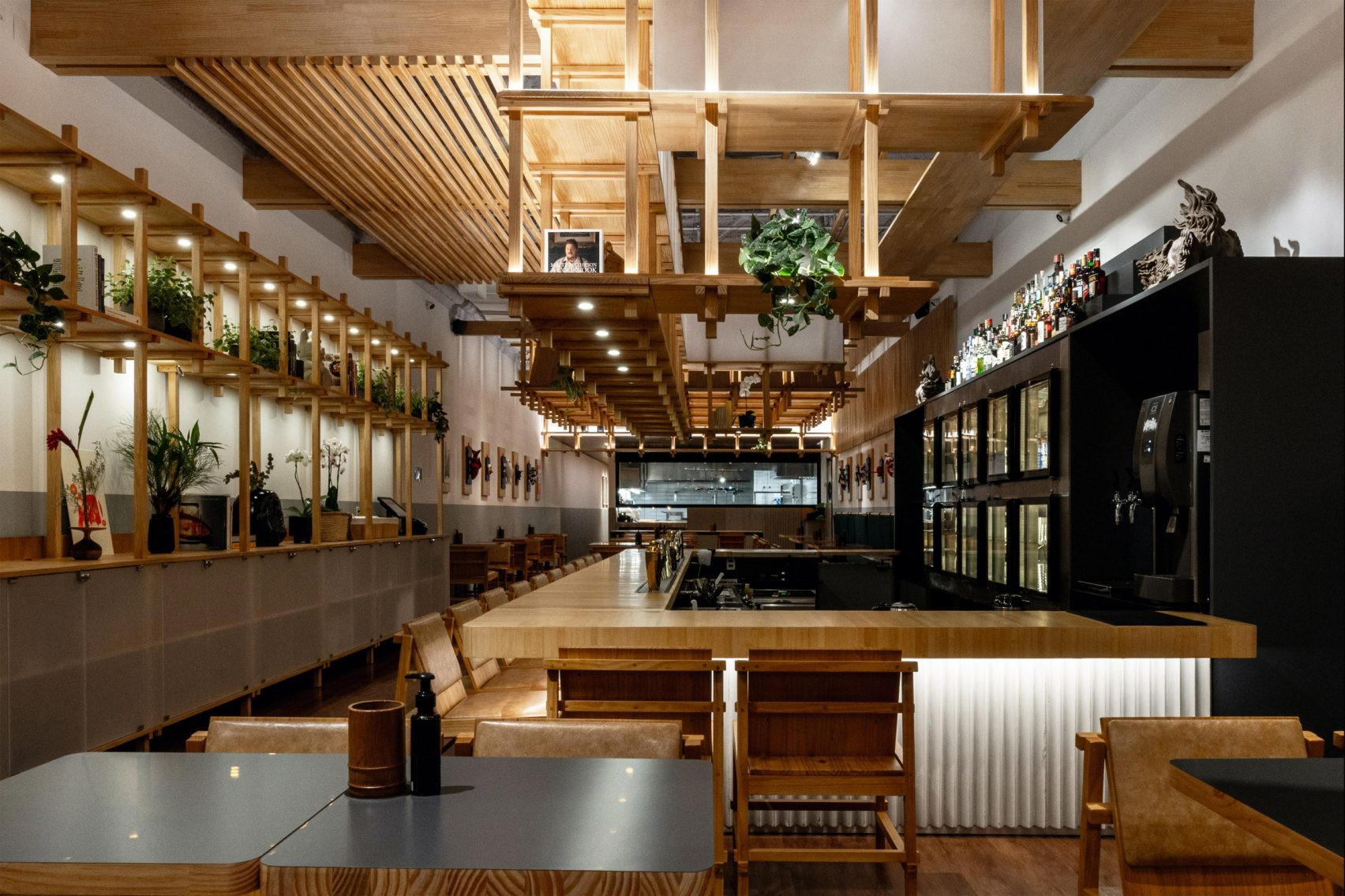
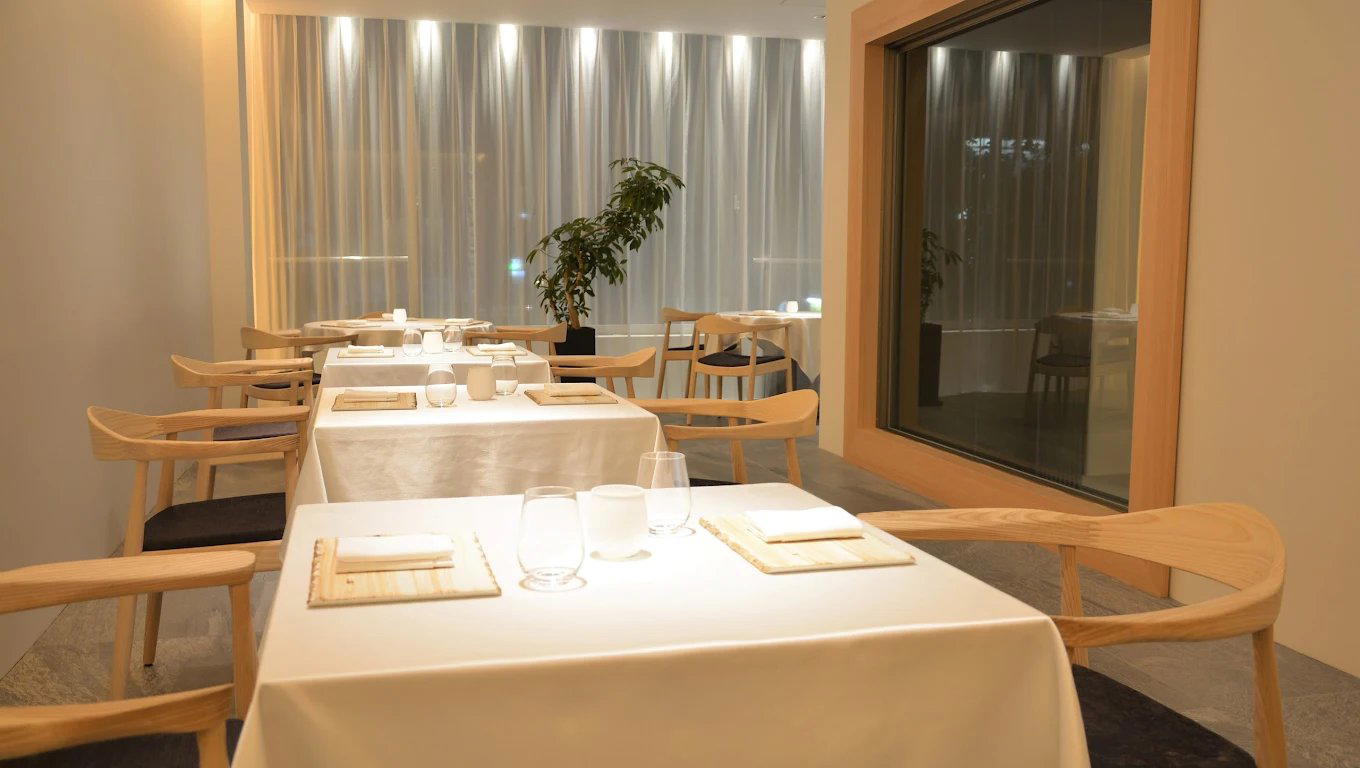
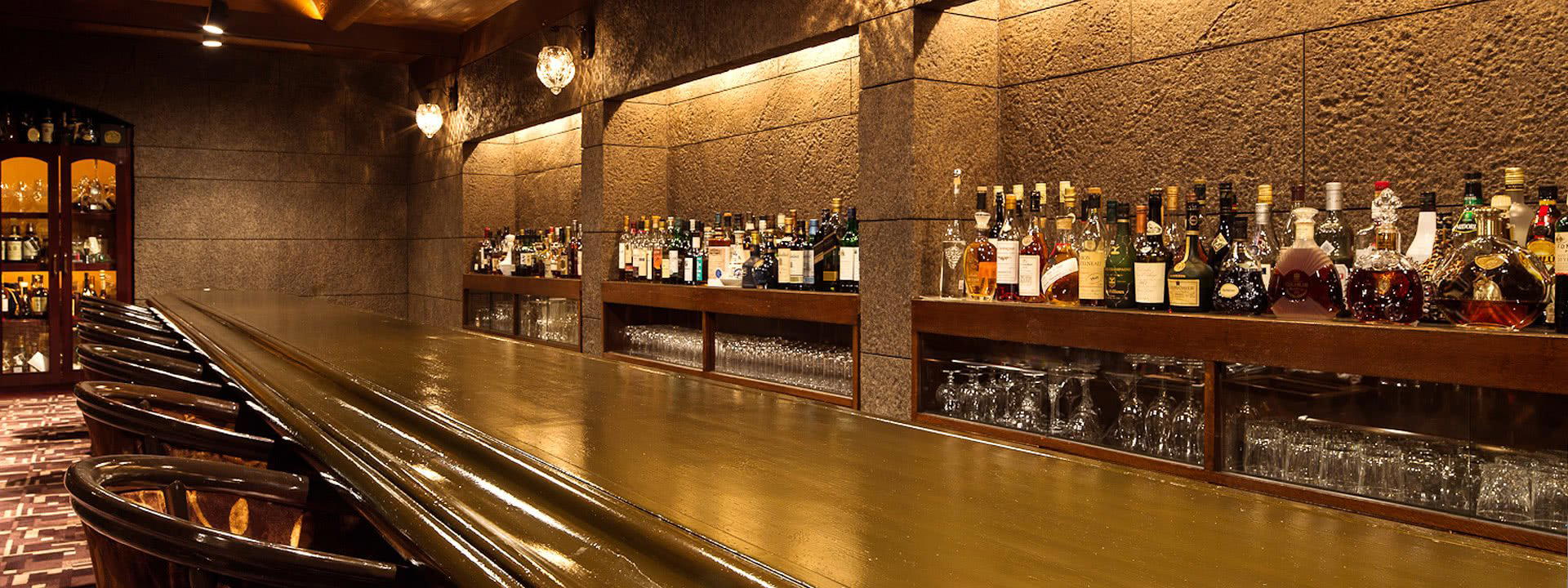
Sophisticated atmosphere with soft lighting, low-capacity counter seating, and the chef personally explaining each course.