寿し道 桜田 occupies a specific position in Nagoya's omakase circuit: a counter-format sushi address in the Marunouchi business district where the precision of service and coordination between counter staff carry as much weight as the fish itself. Nagoya sits midway between Tokyo's hyper-competitive sushi scene and Kyoto's tradition-conscious dining culture, and 桜田 reads as a product of that geography.
Pearl is the En Primeur Club membership app — saves, bookings, and concierge access live there. Same editors, same standards.
- Address
- 3 Chome-22-8 Marunouchi, Naka Ward, Nagoya, Aichi 460-0002, Japan
- Phone
- +81529518757
- Website
- sushimichi-sakurada.com
- Directions
- Get directions
 Saves & bookings on Pearl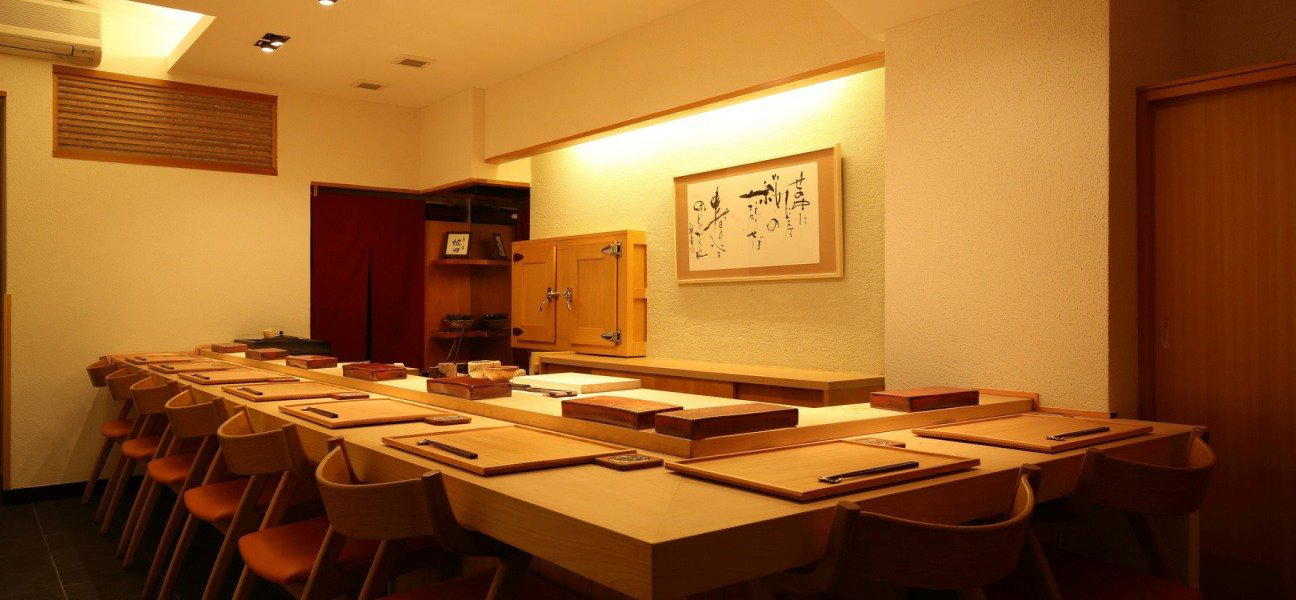
Nagoya's fine-dining scene is frequently overshadowed by the cities that bracket it on the Shinkansen corridor. Tokyo commands the volume of Michelin attention; Kyoto carries the cultural weight. What Nagoya offers instead is a dining culture shaped by local money, genuine civic pride, and a restaurant-going population that expects precision without performance. Atsuta Horaiken (あつた蓬莱軒 本店) exemplifies one end of that tradition, a century-old hitsumabushi institution with deep roots in Nagoya identity. 寿し道 桜田, in the Marunouchi district, represents a quieter, counter-format register of the same civic seriousness.
Marunouchi is Nagoya's financial and legal corridor, a neighbourhood of office towers and understated restaurants where the lunch crowd is likely to be executives and the dinner crowd their clients. Sushi counters in this kind of setting are rarely about spectacle. They operate on the logic that the fish should do the talking, and that the surrounding choreography, the timing between courses, the temperature of rice, the coordination of front-of-house, should be invisible enough that you only notice it when it goes wrong. At 寿し道 桜田, the address alone signals that kind of register.
The Team as Instrument: Coordination at the Counter
In Japan's counter-format sushi tradition, the relationship between the chef, any supporting staff, and whoever manages the guest experience is not merely operational, it is the format itself. Unlike tasting-menu restaurants where kitchen and dining room can function as parallel tracks, a sushi counter collapses that distance entirely. The itamae works within arm's reach of guests, which means every exchange, a piece passed across the cypress, a quiet word about the fish, a refill of tea, is part of the same continuous performance.
This model places unusual demands on team coordination. Pacing decisions made behind the counter ripple immediately into the guest experience. A sommelier or drinks lead working a sushi counter faces a different challenge than in a European tasting-menu context: the rhythm is set by the chef's hands, not by a printed menu, and drink pairings must accommodate that variability. The front-of-house role at a counter like this is less about table management and more about reading the room in real time, knowing when a guest wants to linger on a piece and when they are ready to move. This kind of collaboration, where the team operates as a single calibrated instrument rather than separate departments, is what distinguishes the upper tier of Japan's omakase circuit from competent but less integrated operations.
Nagoya in the National Sushi Conversation
Japan's sushi geography is more differentiated than the Tokyo-centric narrative suggests. Hokkaido produces some of the country's most sought-after sea urchin and salmon roe; Kyushu's proximity to the Tsushima Strait means Fukuoka counters work with fish that rarely appears on Tokyo menus. Nagoya's position is different again: it is inland enough that it has historically depended on supply chains rather than immediate coastal access, which puts a premium on the sourcing relationships that serious sushi operations maintain with Toyosu and regional markets.
That sourcing discipline is part of what separates credible omakase counters in cities like Nagoya from the broader category. When you are not a coastal city with a morning market three minutes from the restaurant, the quality of what arrives on the counter is a direct function of how seriously the kitchen takes its procurement. It is also why counter-format sushi in a city like Nagoya tends to be slightly more deliberate in its presentation, there is less redundancy in the supply chain, so each piece carries more weight.
Other serious dining options in Nagoya's Marunouchi and wider city circuit reflect this same attention to sourcing and format. Cucina Italiana Gallura operates in a different culinary register entirely but shares the same expectation of ingredient precision. cucina Wada and Bacio further demonstrate that Nagoya's serious-restaurant tier extends well beyond its most famous local dish categories.
Where 桜田 Sits in the Wider Japan Omakase Circuit
For travellers making a broader Japan itinerary, Nagoya functions well as a staging point between Osaka and Tokyo, and the Marunouchi area is fifteen minutes by subway from Nagoya Station, which sits on the Tokaido Shinkansen line. That geography means a serious dinner at a counter like 桜田 can fit logistically into an itinerary that includes, say, a lunch at HAJIME in Osaka or a subsequent booking at Goh in Fukuoka. The Tokai region also encompasses destinations that reward detours for serious diners: akordu in Nara offers a different kind of precision in a different culinary tradition.
Within Japan's broader sushi geography, the comparison set for a Nagoya counter address like 桜田 extends to regional operators in cities such as Nanao (一本木 名川製), Sapporo (古代山乃), and Takashima (湖西庄屋), counters that operate with the same regional-city logic of serious intent outside the major urban spotlights. Additional context from outside Japan's sushi tradition: the service coordination model at Le Bernardin in New York City and the multicourse team discipline at Atomix in New York City illustrate how the same underlying principle of integrated team performance translates across culinary traditions and continents.
Awards and Standing
Comparable venues nearby, for context on price, style, and recognition.
| Venue | Cuisine | Price | Notes |
|---|---|---|---|
| 寿し道 桜田This venue — the venue you are viewing | Nagoya Edomae Sushi | $$$$ | Not listed |
| Sushi Hanakuruma | Edomae Sushi Omakase | $$$$ | Nakamura |
| Taka Fuku Nagoya JR sentoraru tawāzu ten | Shabu-Shabu & Sukiyaki | $$$$ | Nakamura |
| Ozashiki Tempura Ayame | Seasonal Tempura Omakase in Private Tatami Rooms | $$$$ | Naka |
| Kajikawa | Seasonal Japanese Kaiseki Counter | $$$$ | Chikusa |
| Kojitsu | Seasonal Kaiseki | $$$$ | Higashi |
Continue exploring
More in Nagoya
Restaurants in Nagoya
Browse all →
At a Glance
- Elegant
- Sophisticated
- Intimate
- Quiet
- Special Occasion
- Business Dinner
- Date Night
- Chefs Counter
- Sake Program
- Local Sourcing
Current opening hours
- Monday
- 12–2 PM, 6–9 PM
- Tuesday
- 12–2 PM, 6–9 PM
- Wednesday
- 12–2 PM, 6–9 PM
- Thursday
- 12–2 PM, 6–9 PM
- Friday
- 12–2 PM, 6–9 PM
- Saturday
- 12–2 PM, 6–9 PM
- Sunday
- Closed
Hours can change for holidays and private events. Last verified .
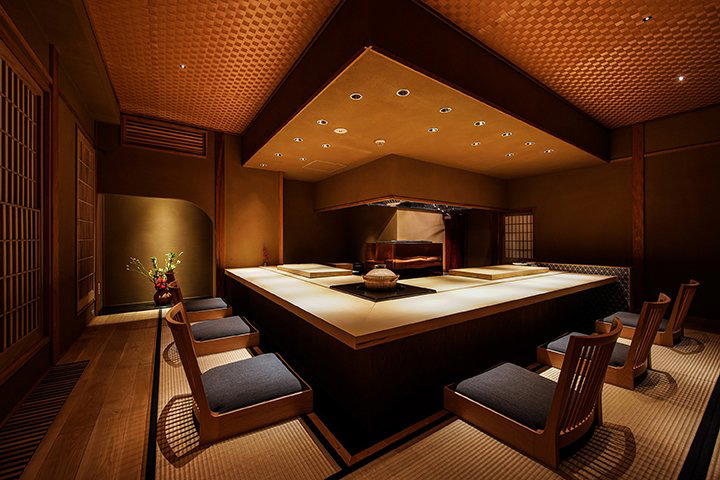
Intimate 9-seat counter setting with a focused, refined sushi atmosphere emphasizing the chef's craft.