

Ranked #379 in Japan by Opinionated About Dining in 2024 and climbing to #429 in 2025, Sushi Shinosuke operates from Kanazawa's Irie district under chef Kenji Maeda. The counter sits within a sushi scene shaped by Kanazawa's proximity to the Sea of Japan, where regional fish — not Tokyo's Tsukiji supply lines — define what appears on the rice. A serious option for anyone tracing Hokuriku sushi beyond the capital.
Pearl is the En Primeur Club membership app — saves, bookings, and concierge access live there. Same editors, same standards.
- Address
- 3 Chome-73 Irie, Kanazawa, Ishikawa 921-8011, Japan
- Phone
- +81 76-216-5280
- Website
- shinosuke.net
- Directions
- Get directions
 Saves & bookings on Pearl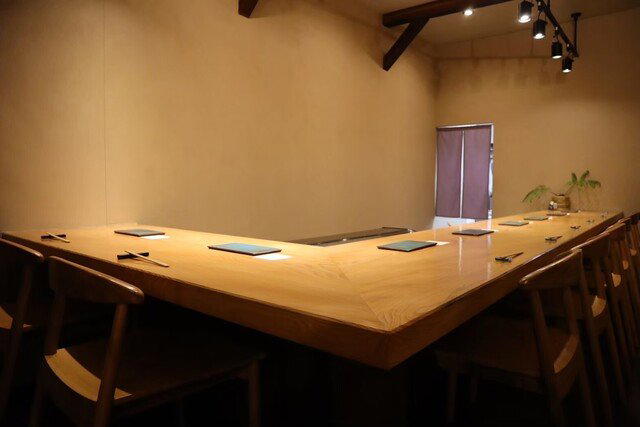
Where Kanazawa's Fishing Coast Meets the Sushi Counter
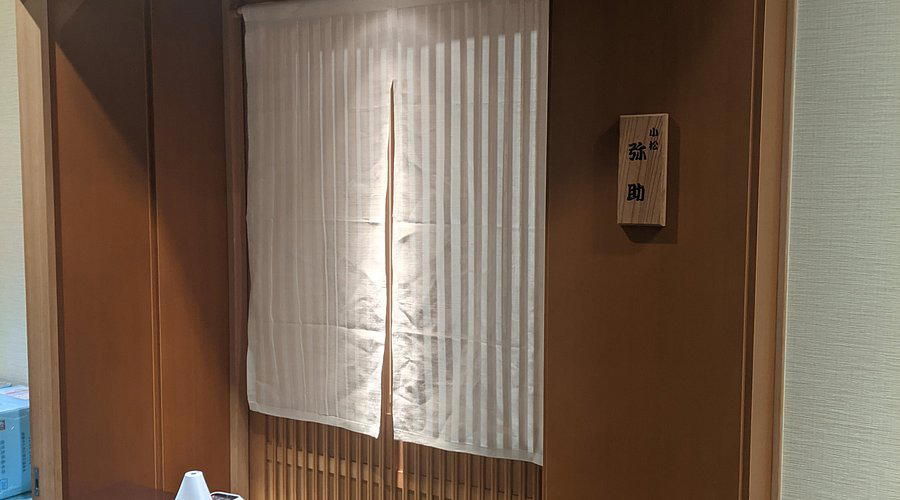
The address in Irie, a quiet residential pocket south of central Kanazawa, gives nothing away. There is no illuminated signage competing for attention, no queue management system typical of high-traffic destinations. This is the register that Kanazawa's more serious dining rooms tend to occupy: deliberately unhurried, calibrated to a neighbourhood scale that Tokyo's premium sushi counters, with their Ginza rents and international reservation queues, have largely abandoned. Walking into that kind of environment, the absence of performance is itself a signal.
Sushi Shinosuke operates across two sittings daily — a lunch service running noon to 2:30 pm and an evening service from 6 to 9 pm — on a Tuesday-through-Saturday schedule, with Wednesday and Sunday reserved as dark days. The structure points toward a counter that values preparation time and sourcing discipline over maximum covers. In the context of Kanazawa's sushi scene, where access to the Sea of Japan and Noto Peninsula fisheries has historically given local chefs a supply advantage over their inland peers, that structural restraint carries weight.
The Edomae Question in a Non-Tokyo City
Japanese sushi criticism has long centred on a single axis: the degree to which a counter aligns with or departs from Edomae tradition. Edomae, as it developed in Edo-period Tokyo, is a cuisine of technique applied to fish. Ageing, curing, marinating, brushing with nikiri, these are the tools. The fish is secondary to the preparation. What the Sea of Japan and Kanazawa's market interrupt is that calculus. When the trawlers off Noto bring in white fish, snow crab in season, and buri (yellowtail) from waters that run colder and produce fattier, more distinctively flavoured fish than Tokyo Bay, the counter chef faces a different problem: how much technique to impose on ingredients that arrive with strong identities of their own.
Chef Kenji Maeda works within that tension at Sushi Shinosuke. The framing around the counter, its Opinionated About Dining recognition across three consecutive years, climbing from a Recommended listing in 2023 to #379 in 2024 and appearing at #429 in the 2025 rankings, suggests a counter that has built a consistent critical profile rather than a single breakout moment. OAD rankings aggregate votes from a global network of experienced diners, making consistent multi-year presence more meaningful than any single year's placement. That Sushi Shinosuke has held visibility in those rankings while operating in Ishikawa, outside the capital's attention infrastructure, points toward a room making decisions that resonate beyond regional context.
The comparison set in Kanazawa is worth mapping. Otomezushi and Taheizushi represent different branches of Kanazawa's sushi tradition, each with their own relationship to local ingredients and technique. Komatsu Yasuke occupies a different tier of the city's dining hierarchy, while Installation Table ENSO L'asymetrie du calme and L'Atelier de NOTO sit in adjacent cuisine categories where Noto Peninsula produce similarly anchors the kitchen's identity. Sushi Shinosuke, in that field, holds the specific position of a counter whose OAD recognition distinguishes it from the broader pool of serious but unranked Kanazawa sushi.
Regional Fish and What It Demands of a Counter
Kanazawa's fishing season imposes a structure that Tokyo counters rarely face in the same way. Kani (crab) season dominates winter tables across Ishikawa, and the buri run that arrives in late autumn brings with it a fish so locally significant it carries ceremonial associations in Hokuriku food culture. A counter that sources from these fisheries must either treat those ingredients as supporting material within an Edomae framework, or allow the fish to drive the experience more directly. Neither approach is inherently superior, but each signals a different philosophy about what the sushi counter is actually for.
The context matters when comparing Sushi Shinosuke's positioning to counters operating at comparable or adjacent recognition levels in other cities. Harutaka in Tokyo operates within the full weight of the Edomae tradition and its capital supply lines. Sushi Shikon in Hong Kong and Shoukouwa in Singapore represent the export model, where Japanese technique travels but source fish does not. Sushi Shinosuke sits at neither extreme: the technique is Japanese, the fish is distinctively regional, and the critical audience tracking it has been broadening year over year.
For visitors building a Japan itinerary that extends beyond Tokyo's concentrated sushi circuit, the Hokuriku region offers something that counters in Osaka, Kyoto, or Fukuoka cannot provide in the same way: direct access to Sea of Japan fish within a dining culture that has built around those ingredients for generations. Gion Sasaki in Kyoto, HAJIME in Osaka, Goh in Fukuoka, and akordu in Nara each define their cities' fine dining character through different regional logics; Kanazawa's is inseparable from the sea to its northwest. 1000 in Yokohama offers another point of reference in the counter-format conversation along Japan's coastal cities.
Planning a Visit to Sushi Shinosuke
The practical considerations for Sushi Shinosuke begin with access. The Irie address sits in southern Kanazawa, away from the Higashi Chaya geisha district and the Kenroku-en garden corridor where most first-time visitors concentrate their time. A taxi from Kanazawa Station takes roughly fifteen to twenty minutes depending on traffic; the counter's residential-quarter address means public transit options are limited and walking from central sightseeing points is not direct. For visitors building a multi-restaurant day in Kanazawa, a lunch sitting at Sushi Shinosuke pairs practically with afternoon time at the Kenroku-en or 21st Century Museum of Contemporary Art before an evening reservation elsewhere.
The service runs Tuesday through Saturday across lunch and dinner, which means Wednesday and Sunday require alternative plans. No booking method or phone contact is listed in publicly available records, which suggests reservations may require Japanese-language outreach or the assistance of a hotel concierge, particularly for non-Japanese-speaking visitors. Kanazawa's higher-end dining rooms increasingly appear on Japanese reservation platforms, and a hotel concierge with local connections remains the most reliable channel for foreign visitors attempting to secure a seat at counters at this recognition tier.
For visitors using Kanazawa as a base to explore Ishikawa's broader dining and hospitality offer, the EP Club guides to restaurants, hotels, bars, wineries, and experiences across the prefecture provide the fuller context for building an itinerary.
Reputation Context
| Venue | Cuisine | Awards |
|---|---|---|
| Sushi ShinosukeThis venue — the venue you are viewing | Sushi | Not listed |
| Komatsu Yasuke | Sushi | Sushi |
| Otomezushi | Sushi | Sushi |
| Taheizushi | Sushi | Sushi |
Recognition history
Dated appearances from independent guides and award organizations, with the underlying list record or original source where available.
Opinionated About Dining Top Restaurants in Japan Recommended
Opinionated About Dining
Opinionated About Dining Top Restaurants in Japan Ranked #429
Opinionated About Dining
Tabelog 100 #69 · No. 69
Tabelog · Tabelog 100 - Sushi - WEST - 2025
Opinionated About Dining Top Restaurants in Japan Ranked #379
Opinionated About Dining
Opinionated About Dining Top Restaurants in Japan Recommended
Opinionated About Dining
Continue exploring
More in Ishikawa
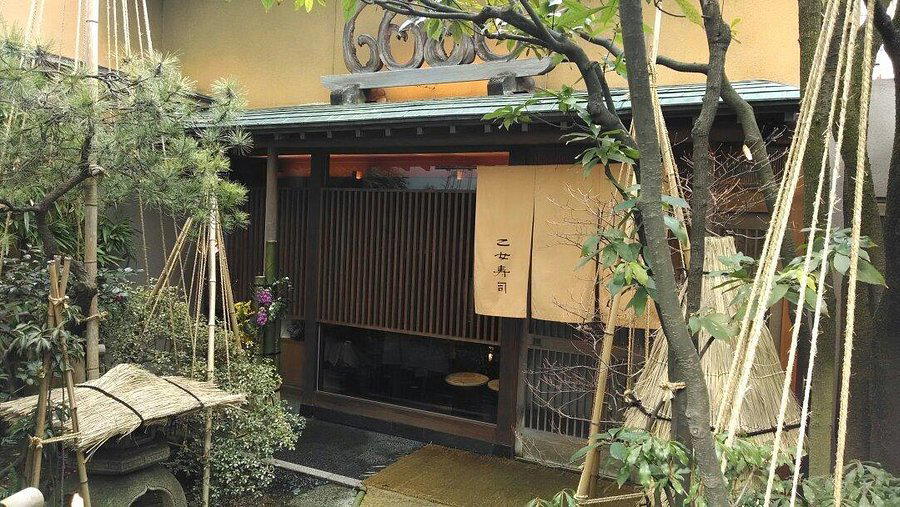
Restaurants in Ishikawa
Browse all →
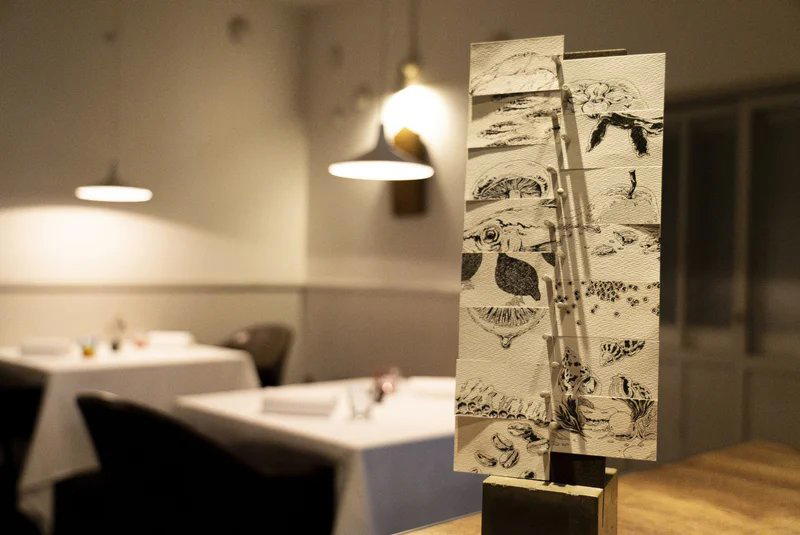
Bars in Ishikawa
Browse all →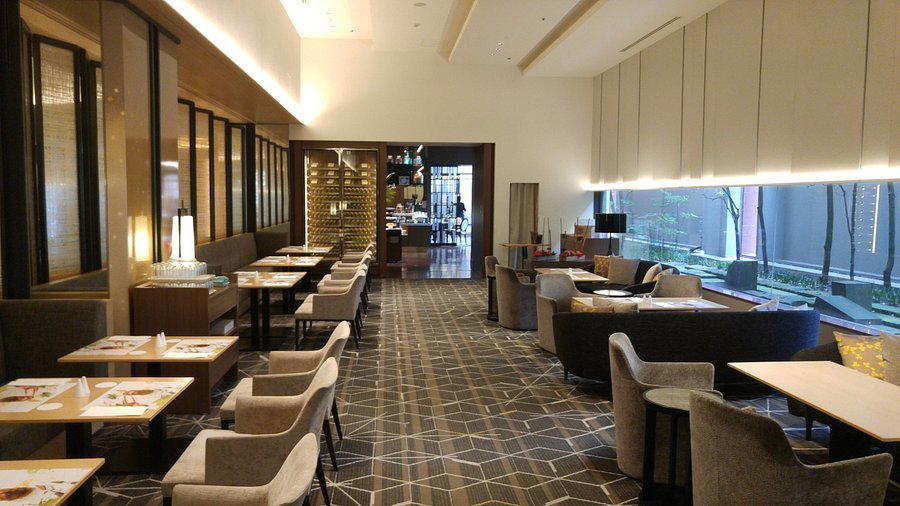
Hotels in Ishikawa
Browse all →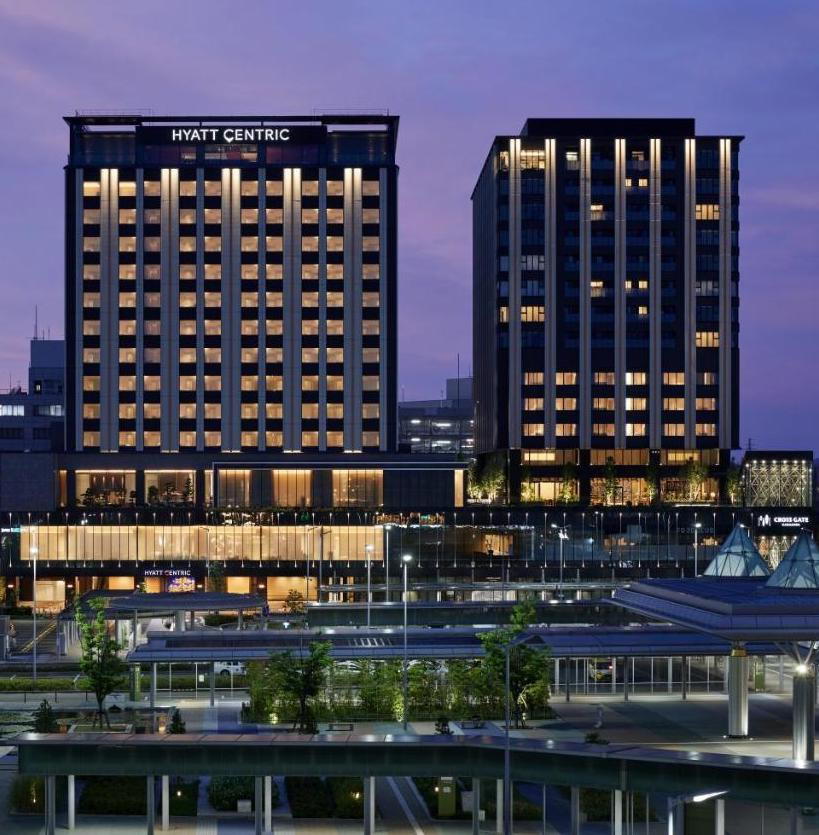
Wineries in Ishikawa
Browse all →
At a Glance
- Elegant
- Intimate
- Sophisticated
- Special Occasion
- Celebration
- Chefs Counter
- Open Kitchen
- Local Sourcing
- Sustainable Seafood
Current opening hours
- Monday
- 12–2:30 PM, 6–9 PM
- Tuesday
- 12–2:30 PM, 6–9 PM
- Wednesday
- Closed
- Thursday
- 12–2:30 PM, 6–9 PM
- Friday
- 12–2:30 PM, 6–9 PM
- Saturday
- 12–2:30 PM, 6–9 PM
- Sunday
- Closed
Hours can change for holidays and private events. Last verified .
Intimate counter setting in a residential district with refined, focused atmosphere centered on the chef's craftsmanship.
Know Before You Go
- Getting there
- 3 Chome-73 Irie, Kanazawa, Ishikawa 921-8011, Japan