


Michelin Plate · Gambero Rosso 1 Forchetta · Tabelog 100 #53
Our verdict
A Michelin Plate-recognised Italian restaurant in Bunkyo's Sengoku neighbourhood, DA PEPI channels the everyday cooking of Tuscany through improvised set menus and a convivial, share-from-one-dish atmosphere. The ivy-draped building signals the register immediately: this is Italian food filtered through genuine affection, not formal ambition, priced accessibly at ¥¥ and delivered with the informality of a home dinner.

Pearl is the En Primeur Club membership app, where members save venues, book tables and use the concierge.
Tuscany in Bunkyo: The Tradition Behind the Ivy
Tokyo's Italian restaurant scene has long split between two distinct modes. At one end sit the high-format, technically precise operations, places like Aroma Fresca and PRISMA, which adapt Italian grammar to Japanese perfectionism. At the other end sits something rarer in this city: the kind of low-register trattoria where the cooking draws authority from affection rather than technique. DA PEPI, holding a 2025 Michelin Plate in Bunkyo's Sengoku neighbourhood, belongs firmly to the second category, and that positioning is the more interesting editorial fact about it.
Tuscan regional cooking, the tradition DA PEPI aligns itself with, has a particular character worth understanding. It is a cuisine of restraint and directness: olive oil over butter, legumes over cream, hand-made pasta in direct sauces. The food of Florence or Siena rarely announces itself loudly. It relies instead on the quality of the raw material and the confidence of repetition. When that sensibility travels, the challenge is less about technique and more about conviction. The question for any Italian restaurant outside Italy is whether the food reads as a sincere interpretation or as an approximation designed to satisfy a general idea of Italian eating. At DA PEPI, the Michelin inspectors found enough of the former to award recognition.
The Room and the Ritual
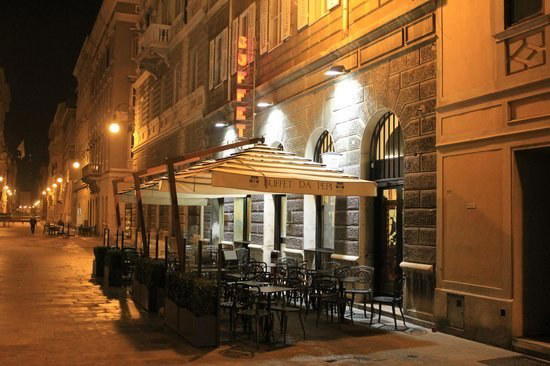
The ivy-draped façade is the first statement the restaurant makes, and it is a considered one. In a Tokyo neighbourhood not typically associated with dining pilgrimage, the greenery signals something deliberate: this is a place that has settled, that has been here long enough for a covering of leaves to accumulate. That sense of patient accumulation continues inside, where the table configuration is arranged to encourage sharing from a single dish rather than the individual plating that dominates more formal European restaurants in the city.
Sharing from one dish is not incidental. In Tuscany, the piatto unico tradition, where a single generous preparation sits at the centre of the table, is a social practice as much as a culinary one. It implies a different relationship between the kitchen and the dining room than the choreographed sequence of individual covers. At DA PEPI, that logic is imported deliberately: the aromas of olive oil and garlic that reach the dining room ahead of the food are part of the same communal proposition.
Improvised Menus and What They Signal
Set menus at DA PEPI are, by the restaurant's own description, always an improvised surprise. That format places the kitchen in an interesting position relative to Tokyo's dining norms. The city's higher-end Italian restaurants, including Gucci Osteria da Massimo Bottura Tokyo and Principio, tend toward fixed, precisely sequenced tasting formats where guests know the architecture of a meal in advance. An improvised set menu inverts that expectation: the kitchen decides based on what is available, what is in season, or simply what feels right that evening.
In much of rural Italy, this is standard practice rather than novelty. The menu del giorno is written on a chalkboard each morning and reflects market availability. Codifying that into a Tokyo restaurant is a statement about authenticity, even if it creates operational unpredictability. The dish called 'Fumo', a pasta in tomato sauce developed during the chef's time in Tuscany, appears to be one of the anchors within this otherwise fluid format: a reference point that connects the improvised present to a specific regional experience.
For comparison, the Italian-in-Asia category at the formal end is well-represented across the region, from 8 1/2 Otto e Mezzo Bombana in Hong Kong to cenci in Kyoto. DA PEPI operates at a different register entirely, one where the ¥¥ price point and the informal format are structural commitments rather than limitations.
Where DA PEPI Sits in Tokyo's Italian Picture
Tokyo has more Italian restaurants than any city outside Italy, a fact often cited in discussions of the city's dining breadth. The range within that category is wide: from three-Michelin-starred operations to neighbourhood pasta shops. DA PEPI's Michelin Plate recognition in 2025 places it in the tier the guide reserves for restaurants serving good food without the additional complexity markers that drive Star consideration. Among its Italian peers in the city, AlCeppo offers another data point for comparison, occupying a similarly thoughtful space within the broader category.
The ¥¥ price range is significant context. Tokyo's Michelin-recognised restaurants span a price range from accessible to extraordinary: Harutaka and RyuGin operate at ¥¥¥¥, as do most of the city's starred Western-style rooms. A Plate-recognised Italian at ¥¥ is a different proposition, one that competes on warmth and sincerity rather than elaboration. That is a defensible position, but it requires genuine conviction from the kitchen to sustain it.
For those building a broader Japan itinerary that balances formal and informal dining, the country's regional restaurants offer useful comparators. Gion Sasaki in Kyoto, HAJIME in Osaka, akordu in Nara, Goh in Fukuoka, 1000 in Yokohama, and 6 in Okinawa each represent a distinct regional approach to serious cooking. DA PEPI is not in direct conversation with any of them, which is precisely the point: its register is deliberately domestic, its ambition measured in warmth rather than recognition.
Planning Your Visit
Know Before You Go
- Cuisine: Italian, Tuscan-focused
- Price range: ¥¥ (accessible mid-range)
- Location: Sengoku 4-chome, Bunkyo City, Tokyo
- Recognition: Michelin Plate, 2025
- Menu format: Improvised set menus; dishes change based on kitchen discretion
- Booking: Contact details not publicly listed; visiting in person or via local reservation platforms is advisable given the small-scale format
For a complete picture of Tokyo's dining, drinking, and hospitality options, see our full Tokyo restaurants guide, our full Tokyo hotels guide, our full Tokyo bars guide, our full Tokyo wineries guide, and our full Tokyo experiences guide.
Frequently asked questions
What should I order at DA PEPI?
The menu at DA PEPI is improvised and changes at the kitchen's discretion, so ordering decisions are largely made for you by the set format. The dish 'Fumo', a pasta in tomato sauce with Tuscan roots, is one of the reference points in the kitchen's repertoire. Beyond that, the restaurant's philosophy, shared plates, olive oil and garlic-forward cooking, and an informal sequence, means the experience is less about individual dish selection and more about surrendering to the kitchen's rhythm. That is consistent with how trattoria dining works in central Italy, and it is the sensibility DA PEPI has carried into Bunkyo. The Michelin Plate recognition confirms the cooking meets a threshold of quality within that relaxed format.
Do I need a reservation for DA PEPI?
Given the restaurant's Michelin Plate status and its position at an accessible ¥¥ price point, demand is likely to outpace casual walk-in availability, particularly on weekend evenings. Michelin recognition at any tier in Tokyo tends to compress booking windows: even Plate-level venues in the city attract guests who plan ahead. The improvised set menu format also implies a kitchen working to a finite capacity each evening.
Comparison Snapshot
A quick snapshot of similar venues for side-by-side context.
| Venue | Cuisine | Price | Awards | Notes |
|---|---|---|---|---|
| DA PEPIThis venue (the venue you are viewing) | Tuscan Italian Trattoria | $50–100 | Michelin Plate · Gambero Rosso 1 Forchetta | Not listed |
| Harutaka | Edo-Style Omakase Sushi | $200–300 | 3 Michelin Stars · World's 50 Best #76 | Sushi |
| RyuGin | Modern Kaiseki | $500+ | 3 Michelin Stars · World's 50 Best #41 | Kaiseki, Japanese |
| L'Effervescence | Modern French with Japanese Influences | $200–300 | 3 Michelin Stars · World's 50 Best #69 | French |
| HOMMAGE | Modern French with Japanese Influences | $150–200 | 2 Michelin Stars · World's 50 Best #78 | Innovtive French, French |
| MAZ | Innovative Peruvian-Japanese Fusion | $150–200 | 2 Michelin Stars · World's 50 Best #28 | Innovative |
Recognition history
Dated appearances from independent guides and award organizations, with the underlying list record or original source where available.
Michelin Plate
Michelin
Gambero Rosso 1 Forchetta
Gambero Rosso
Tabelog 100 #53 · No. 53
Tabelog · Tabelog 100 - Italian - TOKYO - 2025
Full recognition history (5 entries)
Michelin Plate
Michelin
Michelin Plate
Michelin
Continue exploring
More in Tokyo
Restaurants in Tokyo
All restaurants in Tokyo →

Bars in Tokyo
All bars in Tokyo →


Details
- Intimate
- Cozy
- Romantic
- Rustic
- Date Night
- Special Occasion
- Celebration
- Open Kitchen
- Chefs Counter
- Standalone
- Sommelier Led
- Local Sourcing
- Set Menu
- Family Style
- Italian Wine
- Allergy Accommodating
Current opening hours
- Monday
- Closed
- Tuesday
- 6–10 PM
- Wednesday
- 6–10 PM
- Thursday
- 6–10 PM
- Friday
- 6–10 PM
- Saturday
- 6–10 PM
- Sunday
- Closed
Hours can change for holidays and private events. Hours as of .
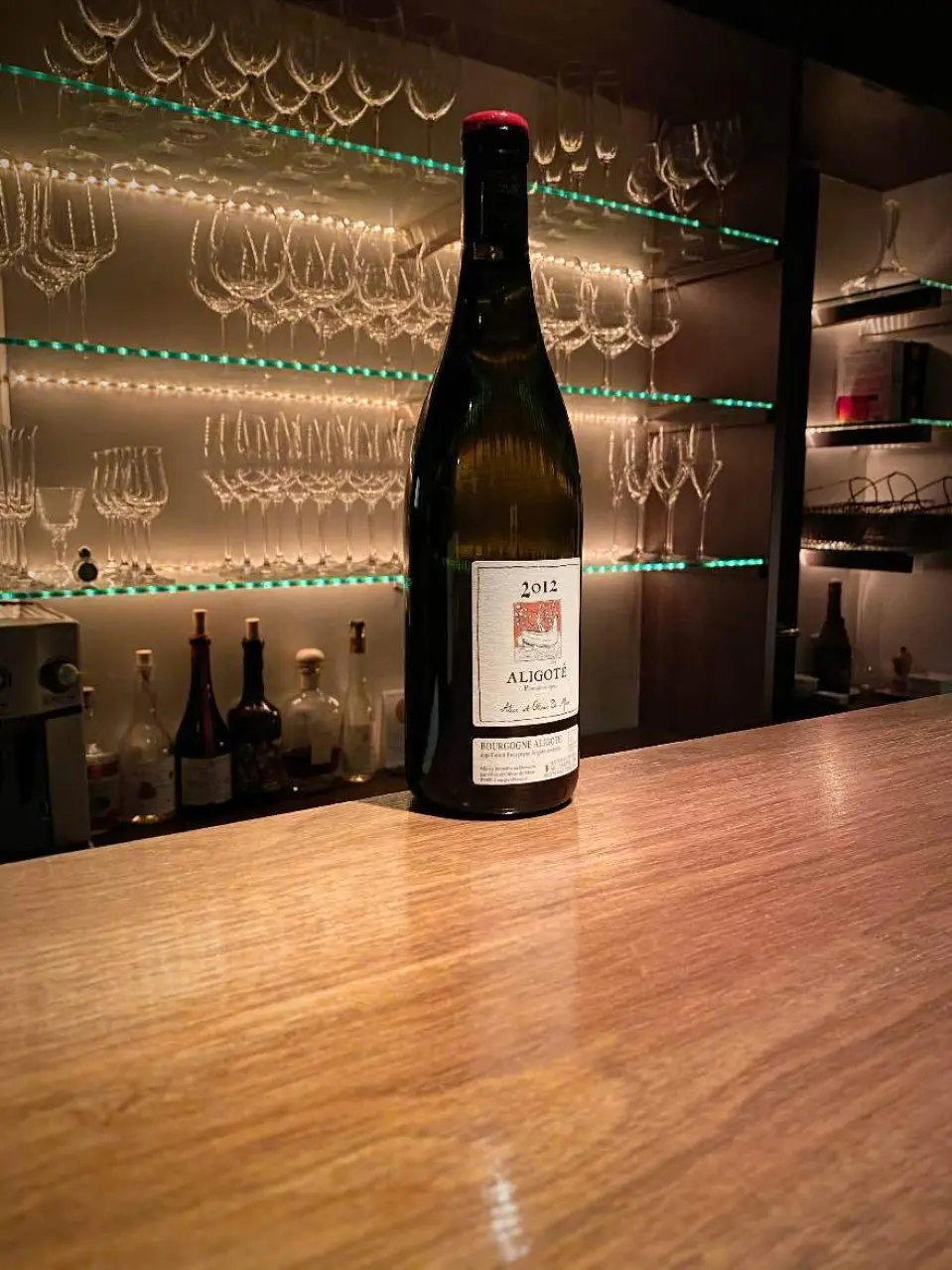
Low lighting with simple wooden tables and open counter; warm and inviting atmosphere with ivy-covered façade creating a memorable first impression; intimate acoustics and leisurely pacing encourage conversation and connection to the kitchen.