
Filemone in Akasaka frames Italian home cooking through the four seasons of Japan, sourcing ingredients from Yamanashi and Nagasaki to bridge mountain and sea. Evenings allow à la carte or shared plates; lunch runs as a set menu. At the ¥¥ price point, it occupies a practical but considered position in Tokyo's Italian dining scene.
Pearl is the En Primeur Club membership app — saves, bookings, and concierge access live there. Same editors, same standards.
- Address
- 101 8 Chome-12-12 Akasaka, Minato City, Tokyo 107-0052, Japan
- Phone
- +81 3-4363-2887
- Website
- filemone.jp
- Directions
- Get directions
 Saves & bookings on Pearl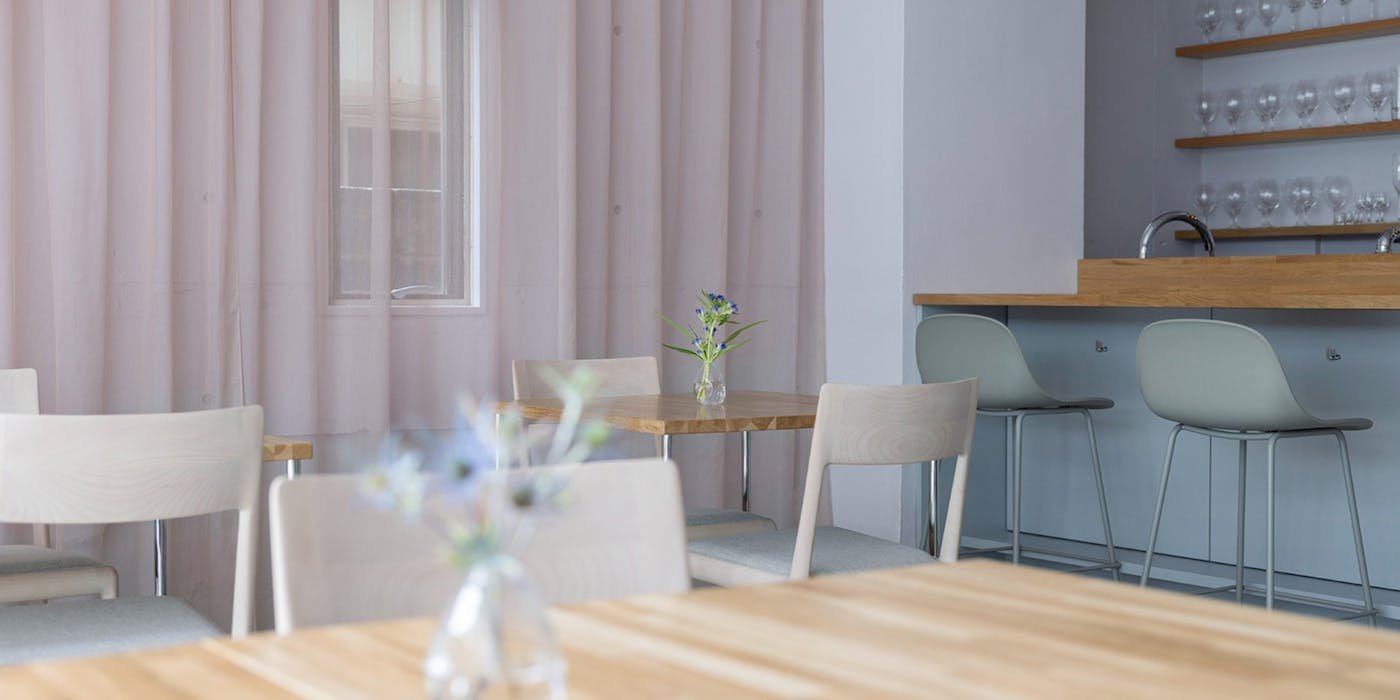
Where Akasaka Meets the Italian Regions
Akasaka sits at a particular intersection in Tokyo's dining geography: close enough to Roppongi to absorb its international appetite, grounded enough in residential and corporate life to support neighbourhood restaurants that earn regulars rather than one-time visitors. The Italian category in this part of Minato City tends to run either toward high-concept tasting menus or toward casual trattoria-style rooms. Filemone occupies a considered middle position, structured around a premise that is more intellectually specific than most of its peers at the ¥¥ price point.
The organising idea here is a direct mapping between the four seasons of Japan and the twenty distinct culinary regions of Italy. That framework is not decorative. It shapes sourcing, menu construction, and the kind of pairing logic the kitchen applies across service. Ingredients arrive from Yamanashi Prefecture and Nagasaki Prefecture, the home regions of the chef and service staff respectively. Yamanashi supplies mountain produce; Nagasaki contributes coastal and maritime ingredients.
The Pairing Architecture
Italian cuisine's inseparability from its regional wine traditions is a well-documented feature of how the country eats. The Italian approach to food and wine pairing is largely origin-based: Campanian whites with local seafood, Piedmontese Nebbiolo with braised meat, Sicilian reds with richer preparations. That logic works cleanly when kitchen and cellar draw from the same geography. What Filemone presents is a more complex version: twenty Italian regional characters mapped onto Japanese seasonal produce. The pairing implications are real. A Nagasaki-sourced fish preparation interpreted through a Ligurian frame suggests a different cellar response than the same ingredient treated as Calabrian. The intellectual work of running a coherent Italian regional pairing program in a kitchen structured this way is considerable.
At the ¥¥ price tier, the wine program operates under cost constraints that the ¥¥¥¥ rooms such as Aroma Fresca or Gucci Osteria da Massimo Bottura Tokyo do not face. That is a relevant context. A tightly edited Italian regional list at this price point, curated to track the kitchen's regional framing, would deliver more value than a broader but shallower cellar. Whether the pairing program is built to that level of specificity is something a first visit clarifies.
Format and Structure Across Service
Lunch and dinner operate as distinct formats. Lunch is set-menu only, which imposes a clear structure and allows the kitchen to execute a fixed sequence efficiently. In Tokyo's Italian category, the set lunch is frequently the sharpest value proposition a room offers, and the format also signals which kitchens are confident enough in their sequencing to present a single narrative per service.
The evening format is more flexible. The menu runs à la carte, and the kitchen allows sharing across single dishes, so a table can build a meal the way Italian home cooking often works in practice: multiple smaller dishes passed around rather than a single composed plate per person. That approach fits the stated concept of Italian home cooking more authentically than a formal per-person tasting menu would. It also makes the room usable across different group configurations, from a couple working through a few shared plates to a larger table ordering broadly.
The portion sizes are described as generous, which at the ¥¥ price point is a meaningful operational claim. Generous portions in a shared-plate format at accessible pricing is a structural proposition that Tokyo's mid-range Italian rooms do not universally offer. Compared to the ¥¥¥¥ counter restaurants like Principio or AlCeppo, Filemone's format is deliberately less ceremonial and more convivial.
Filemone in Tokyo's Broader Italian Scene
Tokyo's Italian dining category spans a wider range than most international cities. At the leading, rooms like Aroma Fresca and PRISMA operate with Michelin recognition and prix-fixe structures aimed at destination diners. Beneath that tier, there is a substantial mid-market of regional Italian rooms where the proposition is less about spectacle and more about consistent cooking from a defined point of view. Filemone operates in that mid-market, with a conceptual specificity that differentiates it from generic pasta-and-pizza trattoria rooms. The dual-region sourcing framework (Yamanashi and Nagasaki) and the explicit Italian regional mapping give it a more articulated identity than the price tier typically demands.
Filemone's position in this broader map is accessible, neighbourhood-scale, and season-driven.
Planning Your Visit
| Venue | Cuisine | Price Tier | Format | Recognition |
|---|---|---|---|---|
| Filemone | Italian (Japan-Italy seasonal) | ¥¥ | Set lunch / À la carte dinner, sharing plates | Google 4.3 (58) |
| Aroma Fresca | Italian | ¥¥¥¥ | Prix-fixe | Michelin-recognised |
| PRISMA | Italian | ¥¥¥¥ | Counter / tasting menu | Michelin-recognised |
| Gucci Osteria Tokyo | Italian | ¥¥¥¥ | À la carte / tasting | Michelin-recognised |
Filemone is located at 101 8 Chome-12-12 Akasaka, Minato City, Tokyo 107-0052. For reservations, check current booking channels directly, as no online booking method is listed in available data. Lunch runs as a fixed set menu; dinner is à la carte with sharing encouraged. The ¥¥ price positioning makes it one of the more accessible entries in the Akasaka Italian category.
For broader planning across Tokyo, EP Club maintains guides across all categories: our full Tokyo restaurants guide, our full Tokyo hotels guide, our full Tokyo bars guide, our full Tokyo wineries guide, and our full Tokyo experiences guide. If you are travelling beyond the capital, EP Club also covers leading restaurants across Japan including HAJIME in Osaka, Gion Sasaki in Kyoto, akordu in Nara, Goh in Fukuoka, 1000 in Yokohama, and 6 in Okinawa.
Side-by-Side Snapshot
| Venue | Cuisine | Price | Awards |
|---|---|---|---|
| FilemoneThis venue — the venue you are viewing | Italian | ¥¥ | Not listed |
| Harutaka | Sushi | ¥¥¥¥ | Michelin 3 Star |
| RyuGin | Kaiseki, Japanese | ¥¥¥¥ | Michelin 3 Star |
| L'Effervescence | French | ¥¥¥¥ | Michelin 3 Star |
| HOMMAGE | Innovtive French, French | ¥¥¥¥ | Michelin 2 Star |
| MAZ | Innovative | ¥¥¥¥ | Michelin 2 Star |
Recognition history
Dated appearances from independent guides and award organizations, with the underlying list record or original source where available.
Michelin Plate
Michelin
Michelin Plate
Michelin
Michelin Plate
Michelin









At a Glance
- Elegant
- Relaxed
- Intimate
- Modern
- Date Night
- Business Dinner
- Special Occasion
- Celebration
- Open Kitchen
- Extensive Wine List
- Sake Program
Current opening hours
- Monday
- 11:30 AM–2 PM, 6–11 PM
- Tuesday
- 11:30 AM–2 PM, 6–11 PM
- Wednesday
- 8–11 AM, 11:30 AM–2 PM, 6–11 PM
- Thursday
- 8–11 AM, 11:30 AM–2 PM, 6–11 PM
- Friday
- 8–11 AM, 11:30 AM–2 PM, 6–11 PM
- Saturday
- 8–11 AM, 11:30 AM–2 PM, 6–11 PM
- Sunday
- 8–11 AM, 11:30 AM–2 PM, 5–10 PM
Hours can change for holidays and private events. Last verified .
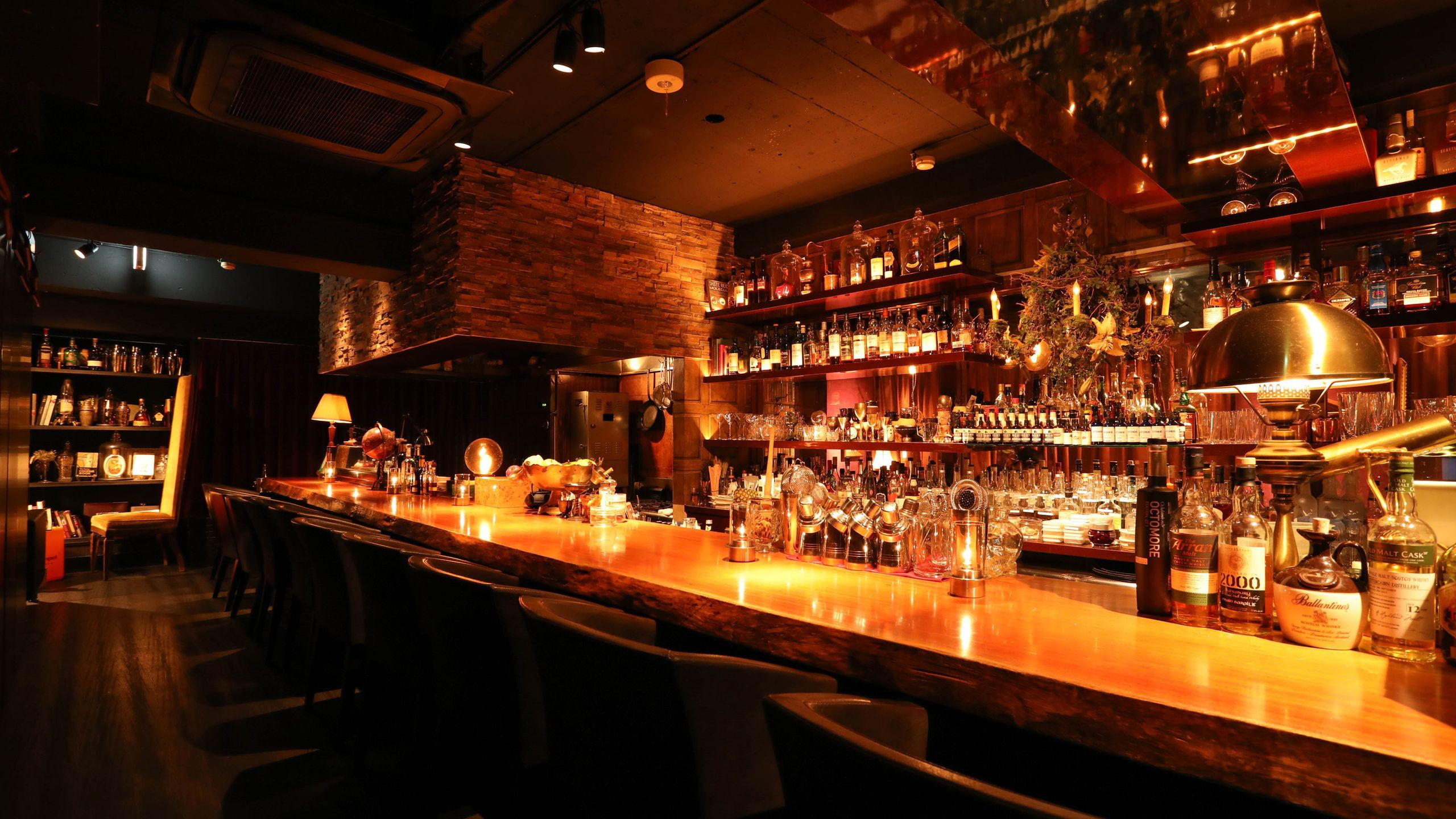
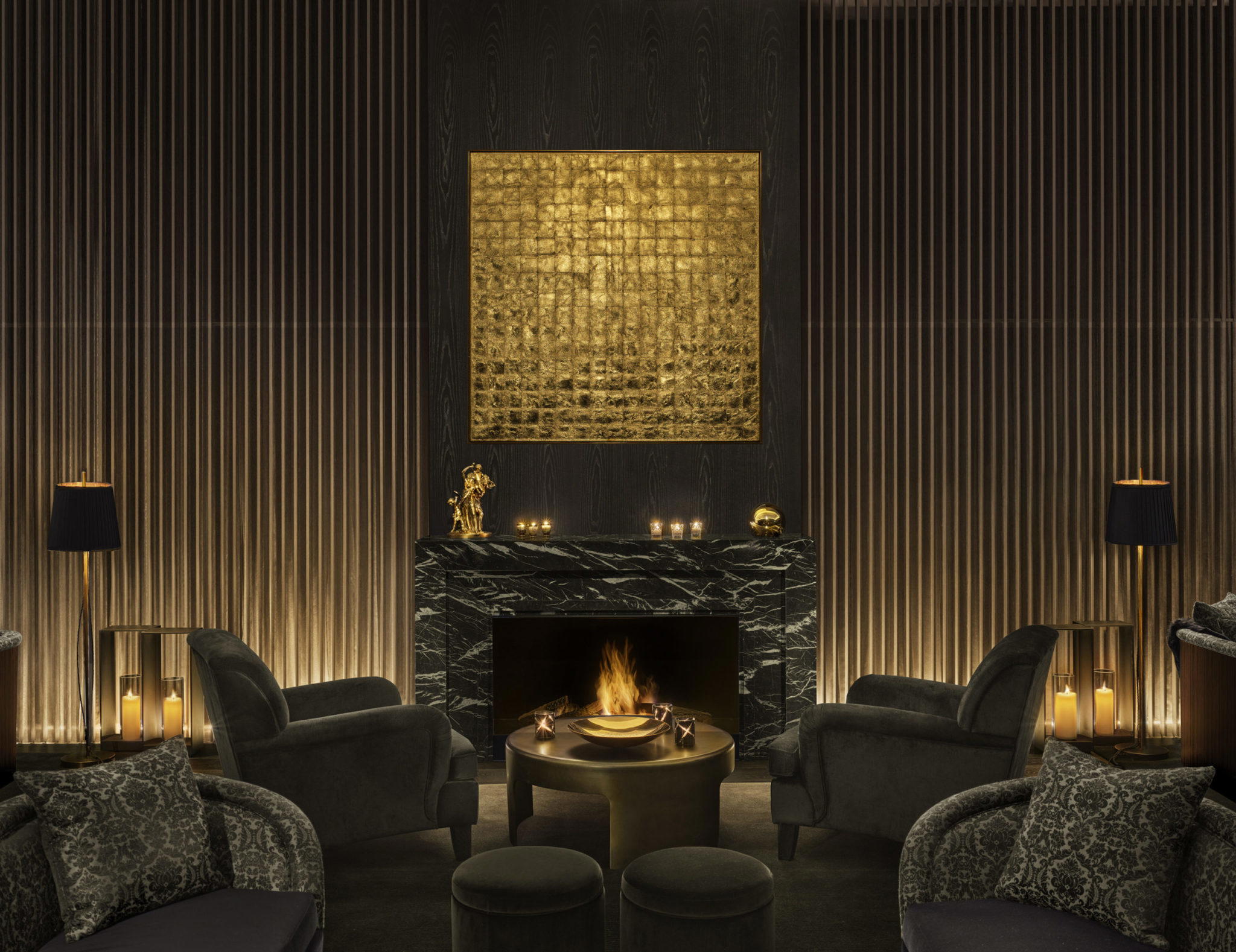
Calm space with candlelight, stylish and relaxing atmosphere well-suited for intimate dining.
Know Before You Go
- Getting there
- 101 8 Chome-12-12 Akasaka, Minato City, Tokyo 107-0052, Japan