
A Michelin Plate-recognised Italian address in Ginza, LA BOTTEGAIA brings seasonal Japanese ingredients into Italian frameworks with notable precision. Ravioli filled with clam and bamboo shoot, and spaghetti with milt and dried mullet roe sit alongside prix fixe menus with integrated wine pairings. The à la carte path is equally supported, with staff guiding glass-by-glass selections from an organic wine list.
Pearl is the En Primeur Club membership app — saves, bookings, and concierge access live there. Same editors, same standards.
- Address
- 3 Chome-12-15 Ginza, Chuo City, Tokyo 104-0061, Japan
- Phone
- +81 3-6264-3565
- Website
- da-felice.com
- Directions
- Get directions
 Saves & bookings on Pearl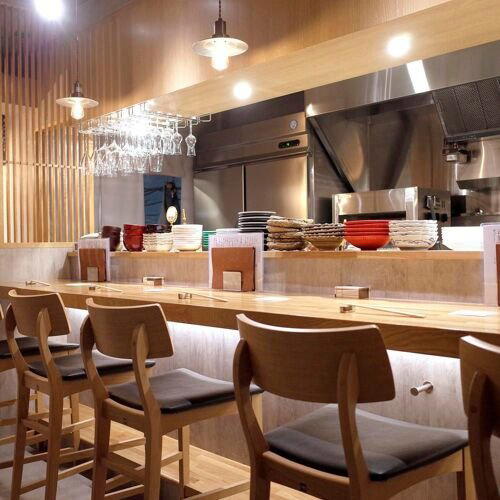
Italian Cooking in Ginza, Placed in Context
Ginza has long been the address in Tokyo where Italian restaurants are held to a different standard. The neighbourhood's rent, clientele, and proximity to the city's most competitive French and Japanese dining rooms mean that Italian kitchens here must do more than execute recipes accurately, they must position clearly within a comparable set that includes Aroma Fresca, one of the longer-standing Italian addresses in the city, and newer arrivals such as Gucci Osteria da Massimo Bottura Tokyo, which brings an entirely different commercial and brand logic. Within this field, LA BOTTEGAIA occupies the mid-price tier, priced at ¥¥, and earns its place through a specific editorial argument: Italian technique applied to Japanese seasonal ingredients, with a wine program weighted toward organic producers.
The Michelin Plate designation, held in both 2024 and 2025, confirms the kitchen's technical consistency without placing it in star territory. That positioning, credentialed but accessible, is a useful signal for how this restaurant actually functions in the Ginza Italian ecosystem. It is neither the formal tasting-counter experience nor the casual trattoria. It operates in the deliberate middle: prix fixe menus with wine pairing built in, and à la carte options for those who prefer to set their own pace.
The Regional Question: Which Italy Is This?
Italian cuisine in Tokyo rarely arrives with tight regional purity. The city's Italian restaurants, from the kaiseki-influenced Principio to the more classically European AlCeppo, tend to absorb Japanese influences at varying degrees of intensity. What matters editorially is understanding which Italian tradition is doing the absorbing, because Roman pasta technique handles substitution differently than Venetian seafood tradition, and Northern Italian sauce logic operates on entirely different fat and acidity principles than Neapolitan cooking.
At LA BOTTEGAIA, the clearest signal comes from the sauce approach: the kitchen favours vermouth and port as base or finishing elements in its sauces. This is not a Neapolitan or Sicilian instinct. It points instead toward Northern Italian and, by the chef's own training history, French-influenced technique, a tradition where fortified wines and wine reductions form the structural backbone of sauce-making rather than tomato or olive oil dominance. The result is a kitchen that reads as Northern-leaning in its architecture, even when the filling in the pasta or the protein on the plate is unmistakably Japanese.
Where Japan and Italy Intersect on the Plate
The meeting of Italian pasta formats with Japanese seasonal ingredients is not new in Tokyo. What distinguishes more thoughtful versions of this approach from surface-level fusion is whether the Japanese ingredient is treated as a garnish or as a structural participant. The dishes documented at LA BOTTEGAIA suggest the latter: ravioli of clam and bamboo shoot positions bamboo shoot not as decoration but as a textural and flavour counterpart to the briny filling, while spaghetti with milt and dried mullet roe (karasumi) places two intensely umami-rich Japanese curing and preserving traditions inside a pasta format that is Italian in origin but calibrated to handle that kind of savoury depth.
Karasumi, dried mullet roe, is a prestige ingredient in Japanese cooking with a profile close to bottarga, the Mediterranean version that Italian cooks have used for centuries. Its appearance in a pasta dish at a Ginza Italian restaurant is less a collision of two food cultures and more a recognition that the underlying flavour logic was always compatible. The same can be said for milt, which in Japanese cuisine carries a delicate, cream-adjacent richness that pairs with pasta in ways that reward careful attention to sauce weight and acidity. These are not easy combinations to balance, and their inclusion on the menu indicates a kitchen doing deliberate ingredient work rather than reaching for novelty.
The Wine Program and How It Shapes the Experience
The organic wine list at LA BOTTEGAIA is not incidental to the experience, it is structurally embedded in the prix fixe format, where wine pairing is included as a standard component rather than an add-on. This approach, increasingly common at Tokyo's more considered Italian addresses, reflects a wider shift in how mid-tier Italian restaurants in Japan are positioning against both the high-end natural wine bars and the conventional cellar-heavy Italian fine dining rooms.
Organic wine in a Ginza Italian context is a specific editorial choice. It signals a preference for producers working with lower intervention, which in turn shapes which Italian and European regions are most represented. Vermouth and port, the same fortified wines that appear in the kitchen's sauce architecture, also provide a bridge between the cooking logic and the wine selection, giving the meal a coherence that purely ingredient-driven pairing sometimes lacks. For guests who choose à la carte over the prix fixe, staff are positioned to guide wine by the glass, which makes the wine program accessible without requiring commitment to the full pairing structure.
Placing LA BOTTEGAIA in the Broader Tokyo Italian Scene
Tokyo's Italian restaurant scene is among the more concentrated outside Europe. It spans three-star formal counters, neighbourhood trattorias, and a growing category of chef-driven mid-tier rooms that use Japanese ingredients as the primary editorial argument. PRISMA represents one end of the technical ambition spectrum in this city. The restaurant operates at a different register, one where the Michelin Plate signals quality without demanding the full commitment of a multi-hour, multi-course tasting event.
For those exploring Italian cooking across Japan's cities, the regional contrasts are instructive. cenci in Kyoto approaches Italian-Japanese integration from the perspective of Kyoto's restrained seasonal philosophy, while 8½ Otto e Mezzo Bombana in Hong Kong represents the three-star Italian fine dining model that prioritises classical Italian rigour in an Asian luxury context. The restaurant sits between those poles: more ingredient-forward and seasonally responsive than a classicist Italian room, more technically grounded than a casual fusion address.
Those moving beyond Tokyo should consider HAJIME in Osaka, Gion Sasaki in Kyoto, akordu in Nara, Goh in Fukuoka, 1000 in Yokohama, or 6 in Okinawa depending on their route.
Planning Your Visit
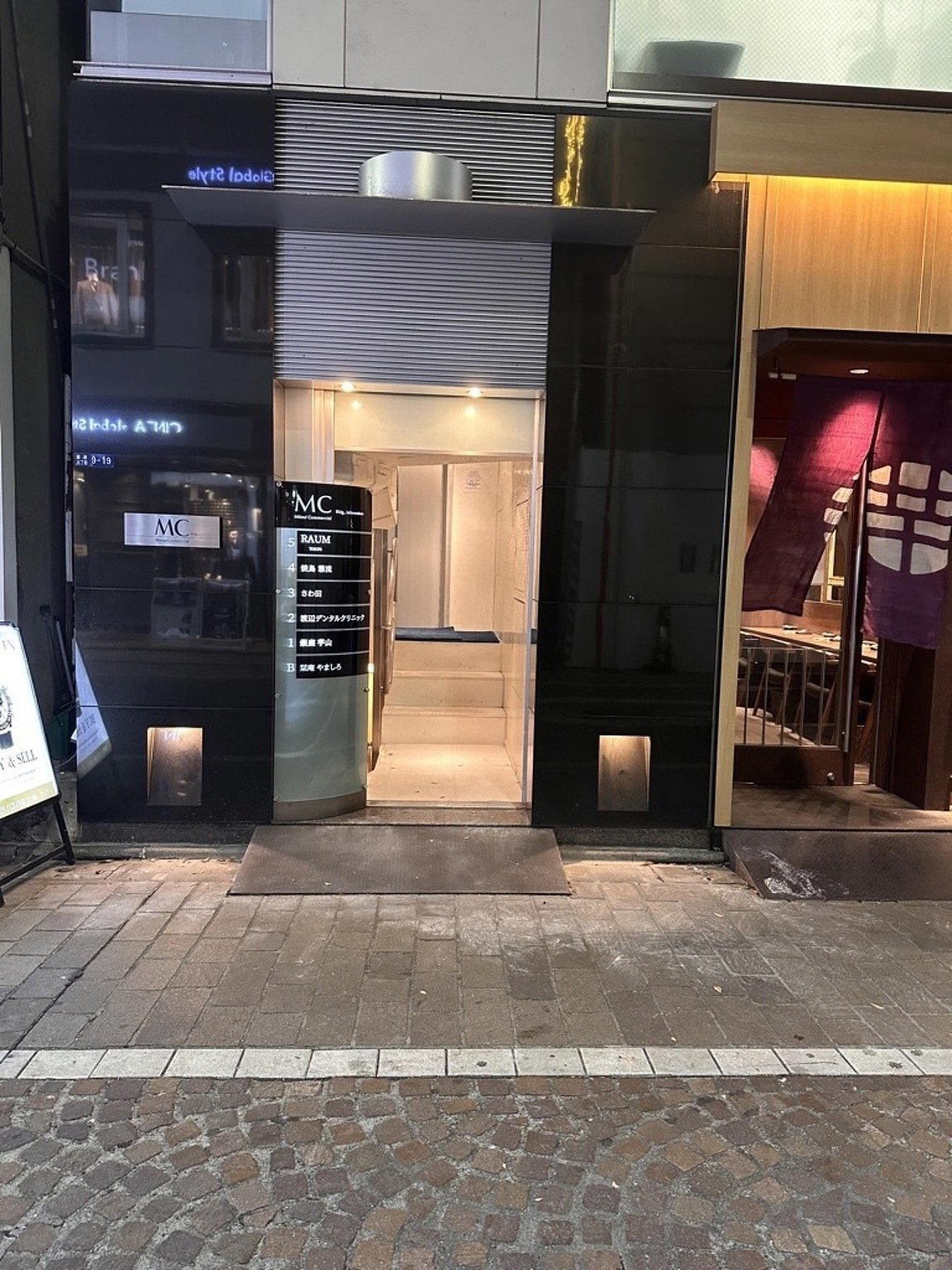
The restaurant is located at 3 Chome-12-15 Ginza, Chuo City, placing it within walking distance of Ginza Station on the Tokyo Metro. The mid-price positioning (¥¥) makes it one of the more accessible Italian options in the neighbourhood without compromising on ingredient quality or wine program depth. Bookings are advisable, particularly for the prix fixe menus where wine pairings are structured in advance. Chef Flavia Amad Di Leo leads the kitchen.
Where the Accolades Land
Comparable venues nearby, for context on price, style, and recognition.
| Venue | Cuisine | Price | Awards | Notes |
|---|---|---|---|---|
| LA BOTTEGAIAThis venue — the venue you are viewing | Refined Seasonal Italian | $$$ | Michelin Plate | Not listed |
| TRATTORIA SICILIANA Don Ciccio | Authentic Sicilian Trattoria | $$$ | Michelin Plate | Minato |
| farsi largo! | Italian Seafood Cuisine | $$$$ | Michelin Plate | Chūō |
| scaglia | Italian Seafood | $$$ | Michelin Plate | Shinjuku |
| La Brianza | Modern Italian with Japanese Seasonal Ingredients | $$$ | Michelin Plate | Minato |
| Ristorante Aso | Modern Italian with Japanese influences | $$$$ | Not listed | Shibuya |
Recognition history
Dated appearances from independent guides and award organizations, with the underlying list record or original source where available.
Michelin Plate
Michelin
Michelin Plate
Michelin
Michelin Plate
Michelin








At a Glance
- Cozy
- Elegant
- Intimate
- Sophisticated
- Date Night
- Business Dinner
- Special Occasion
- Natural Wine
- Sake Program
Current opening hours
- Monday
- Closed
- Tuesday
- 5–11 PM
- Wednesday
- 5–11 PM
- Thursday
- 5–11 PM
- Friday
- 5–11 PM
- Saturday
- 5–11 PM
- Sunday
- Closed
Hours can change for holidays and private events. Last verified .
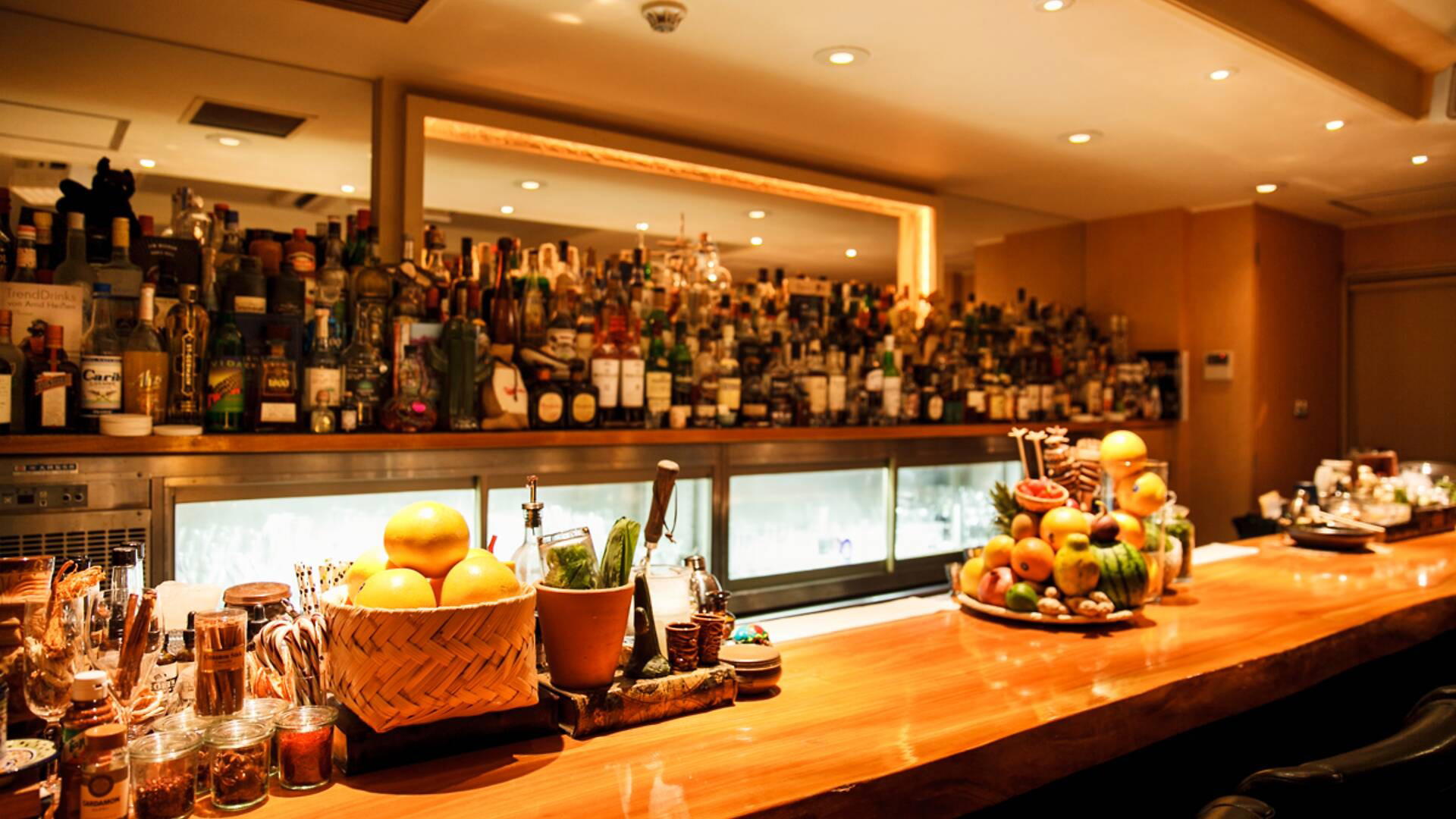
Woody interior with amber lighting creating a warm, relaxing adult hideout atmosphere.