
Tabelog 100 #22
Our verdict
Chuka Soba Shibata, in the quiet residential suburb of Komae on Tokyo's western fringe, ranked first in Ramen Beast's Top 10 Bowls of Ramen in 2025, the kind of recognition that turns a neighbourhood shop into a destination. The Tokusei Chuka Soba is the draw: a bowl that positions this address firmly at the serious end of Tokyo's ramen conversation.

Pearl is the En Primeur Club membership app, where members save venues, book tables and use the concierge.
The menu
What to order
- Chuka Soba with eight-shoyu blend
- Niboshi Ramen
- Ajitama Chuka Soba
A Suburb That Demands Attention
Tokyo's most-discussed ramen addresses rarely cluster in the obvious places. Shinjuku and Shibuya have their counters, but the bowls that generate real conversation among serious ramen followers tend to surface in the city's outer wards and satellite suburbs, Komae among them. Komae sits at the western edge of Tokyo, a short ride from Shimotakaido on the Odakyu Line, and it has the character of a place that was never designed to attract visitors. That structural modesty is precisely why a shop like Chuka Soba Shibata can exist there: low rents, local clientele, and no pressure to perform for tourists. The result is a ramen-ya operating on its own terms, without the performative drama of a central-Tokyo destination address. For our full Komae restaurants guide, this is the venue that anchors the list.
The Ramen-Ya Format and What It Asks of You
The classic Tokyo ramen-ya runs on a specific logic: short menus, efficient service, communal or counter seating, and prices that stay accessible regardless of the kitchen's ambition. That format has remained largely unchanged for decades, even as the cuisine has stratified into distinct regional and technical schools, shio, shoyu, tonkotsu, tsukemen, each with its own philosophical commitments. Chuka Soba Shibata operates within the shoyu-adjacent chuka soba tradition, a style with deep Tokyo roots that prioritises clarity of broth and harmonic balance over richness or intensity. The Tokusei Chuka Soba, the shop's featured bowl as noted in Ramen Beast's ranking, is the product that places Shibata in the upper tier of that tradition.
The kaiseki sensibility, the Japanese aesthetic principle that each element of a meal should reflect seasonality, restraint, and compositional intention, surfaces in unexpected places across Japan's food culture, and serious ramen is not exempt. The leading chuka soba bowls are not assembled; they are constructed, with broth, noodle gauge, fat content, and topping weight calibrated to work as a system. This is not a claim that ramen is kaiseki, but rather that the discipline of attention that defines kaiseki philosophy has filtered into how Japan's serious cooks think about any food, including noodle soup. At the level Ramen Beast is ranking when it places Shibata first in its 2025 leading ten, that kind of attention is the differentiator. You can compare this orientation toward precision and intention with what drives the multi-course formats at places like HAJIME in Osaka or Gion Sasaki in Kyoto, the philosophy translates across formats, even when the price point and setting could not be more different.
Where the Ranking Places It
Ramen Beast, which covers the Tokyo and wider Japan ramen scene with sourced, travelled authority, named Chuka Soba Shibata the number-one bowl in its Top 10 Bowls of Ramen in 2025 list. That is a specific, named credential from a publication that tracks the category seriously, and it functions as a tier-A trust signal in a field where Michelin has its own ramen recognition programme and competition is measurable. Being ranked first across all of Japan's output in a given year places Shibata in a very small peer group, the kind of shop that gets discussed alongside other outer-Tokyo addresses that have earned recognition despite, or because of, operating outside the central hospitality machine.
For context, the premium end of Tokyo's dining conversation is occupied by counters with price points in the ¥¥¥¥ range: Harutaka in Tokyo, for sushi, or the kaiseki and French-inflected rooms that price at the top of the market. Chuka Soba Shibata operates in a structurally different tier, a bowl of ramen in this category runs in the low-to-mid hundreds of yen to perhaps ¥1,500 at the upper end, even at recognised shops, which means the recognition it has earned is not purchased through luxury signifiers. It is earned through the quality of what arrives in the bowl. That distinction matters when you are calibrating what kind of Tokyo food experience you are after. See also the ramen tradition mapped at Chukasoba Mugen in Osaka and Chukasoba Oshitani in Nara for how the chuka soba format varies by region.
Getting There and Planning the Visit
Komae is not on the standard Tokyo tourist circuit, which means arriving requires intent. The address, 1 Chome-8-12 Motoizumi, Komae, Tokyo, places the shop in a residential pocket of the city that functions nothing like the dense commercial corridors of central Tokyo. Travel time from central Shinjuku on the Odakyu Line runs roughly 20 to 25 minutes to Komae Station, making it a realistic half-day trip rather than a minor detour. Queues at recognised ramen shops of this calibre are routine, particularly on weekends and at peak lunch hours.
The broader Japan itinerary context: if you are routing through western Honshu or regional Japan, the EP Club covers addresses across the full spectrum, from akordu in Nara and Goh in Fukuoka to smaller regional addresses like Abon in Ashiya, affetto akita in Akita, Aji Arai in Oita, Ajidocoro in Yubari District, Akakichi in Imabari, aki nagao in Sapporo, Amaki in Aichi, Amegen in Saga, anchoa in Kanagawa, and Arakawa in Hyogo.
Frequently asked questions
Does Chuka Soba Shibata work for a family meal?
The ramen-ya format at an address like 1 Chome-8-12 Motoizumi is designed for individual bowls eaten at pace, not for leisurely group dining. Families with older children who are comfortable with counter seating and a brisk rhythm will manage fine; it's less suited to toddlers or groups expecting a drawn-out meal.
What's the vibe at Chuka Soba Shibata?
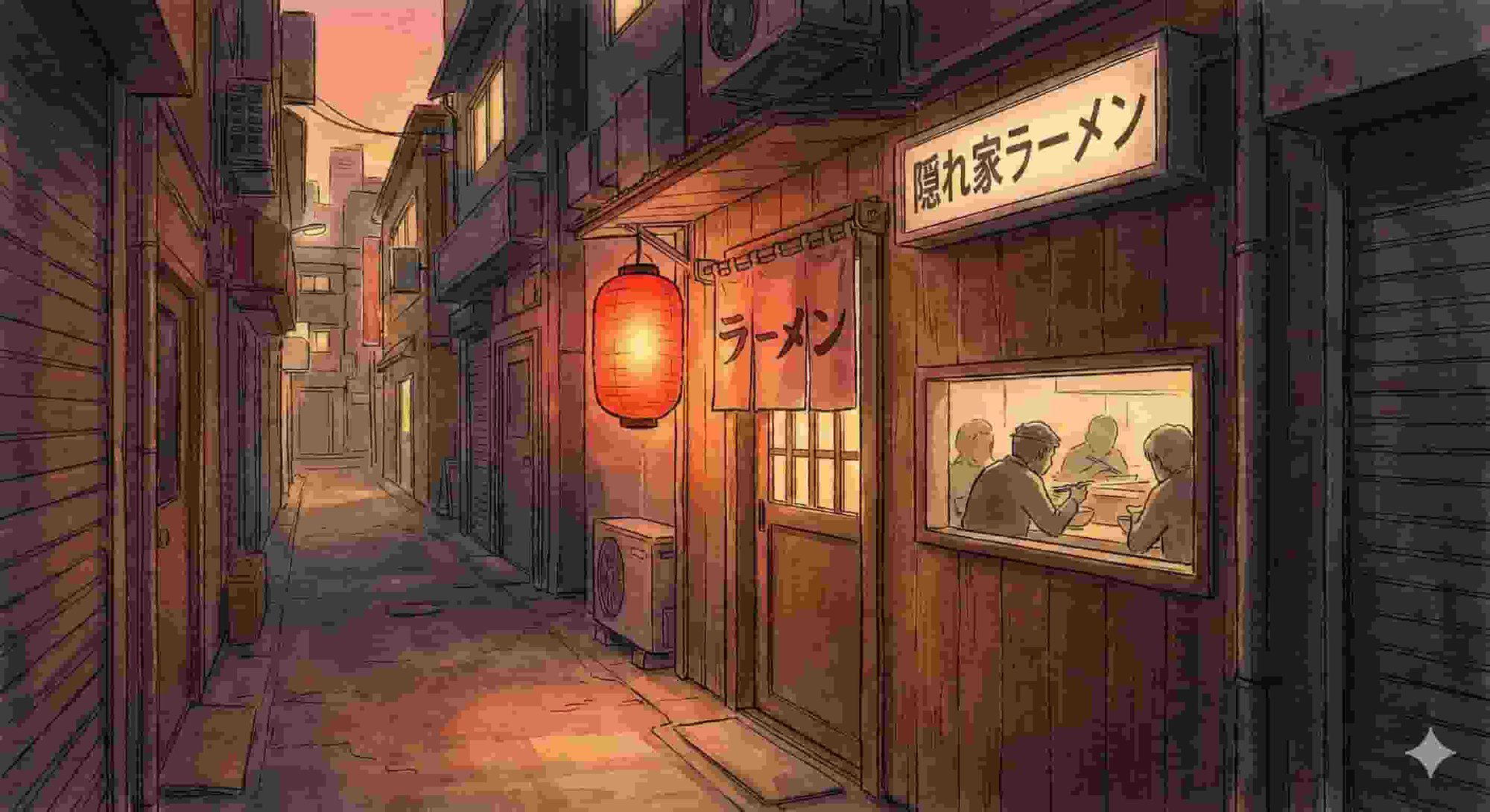
This is a neighbourhood ramen-ya in Komae's Motoizumi district, which sets the tone: functional, focused, and built around the bowl rather than the room. The format follows classic Tokyo ramen-ya logic, counter or compact seating, a short menu, efficient turnover, with no performance element beyond the cooking itself.
What's Chuka Soba Shibata known for in terms of accolades?
Chuka Soba Shibata has received recognition including:
What's the signature dish at Chuka Soba Shibata?
The Tokusei Chuka Soba is the bowl that put Shibata on the map, it's the dish Ramen Beast cited when naming this counter the number-one bowl in Japan for 2025. Tokusei designates the premium or special-grade version of the house chuka soba, typically meaning additional toppings or a more composed arrangement than the standard order.
Where do I go for Chuka Soba Shibata?
Chuka Soba Shibata is located at 1 Chome-8-12 Motoizumi, Komae, Tokyo 201-0013, Japan, Komae.
Can I walk in to Chuka Soba Shibata?
Shibata is in Komae, a residential suburb without the tourist foot traffic of central Tokyo, but that relative obscurity doesn't mean empty seats. Ramen-ya at this recognition level, Ramen Beast's top-ranked bowl in 2025, tend to draw queues that form before opening. Arriving early on a weekday gives you the best chance without a reservation system.
How It Stacks Up
| Venue | Cuisine | Price | Awards | Notes |
|---|---|---|---|---|
| Chuka Soba ShibataThis venue (the venue you are viewing) | Traditional Chuka Soba | $10–20 | Tabelog 100 #22 | Not listed |
| HAJIME | Avant-Garde Japanese Fine Dining | $300–500 | 3 Michelin Stars · World's 50 Best #83 | French, Innovative |
| Harutaka | Edo-Style Omakase Sushi | $200–300 | 3 Michelin Stars · World's 50 Best #76 | Sushi |
| L'Effervescence | Modern French with Japanese Influences | $200–300 | 3 Michelin Stars · World's 50 Best #69 | French |
| RyuGin | Modern Kaiseki | $500+ | 3 Michelin Stars · World's 50 Best #41 | Kaiseki, Japanese |
| Crony | Modern French with Japanese Influences | $150–200 | 2 Michelin Stars · World's 50 Best #34 | Innovative, French |
Recognition history
Dated appearances from independent guides and award organizations, with the underlying list record or original source where available.
Tabelog 100 #22 · No. 22
Tabelog · Tabelog 100 - Ramen - TOKYO - 2025
Continue exploring
More in Komae
Restaurants in Komae
All restaurants in Komae →


Bars in Komae
Browse all →


Hotels in Komae
Browse all →


Wineries in Komae
Browse all →
Details
- Classic
- Well Known
- Quiet
- Solo
- Casual Hangout
- Chefs Counter
- Open Kitchen
- Local Sourcing
- Counter Dining
- A La Carte
Current opening hours
- Monday
- 11 AM–3 PM, 5:30–8:30 PM
- Tuesday
- 11 AM–3 PM, 5:30–8:30 PM
- Wednesday
- 11 AM–3 PM, 5:30–8:30 PM
- Thursday
- 11 AM–3 PM
- Friday
- 11 AM–3 PM, 5:30–8:30 PM
- Saturday
- 11 AM–3 PM, 5:30–8:30 PM
- Sunday
- Closed
Hours can change for holidays and private events. Hours as of .
Minimalist counter-focused space with nostalgic decor, intimate and focused on the craft of ramen-making.