
Kobe's premium steak tradition takes a refined turn at Arakawa, a Michelin two-star address in Chuo Ward that has earned Tabelog Silver and Bronze recognition across multiple years. The 26-seat room occupies a residential-feeling space on Nakayamatedori, with second-floor private rooms for groups of up to ten. Dinner runs from JPY 40,000 to nearly JPY 60,000 based on review averages, positioning it among the Kansai region's most serious teppanyaki addresses.
Pearl is the En Primeur Club membership app — saves, bookings, and concierge access live there. Same editors, same standards.
- Address
- 2 Chome-15-18 Nakayamatedori, Chuo Ward, Kobe, Hyogo 650-0004, Japan
- Phone
- +81 78-221-8547
- Website
- aragawa.co.jp
- Directions
- Get directions
 Saves & bookings on Pearl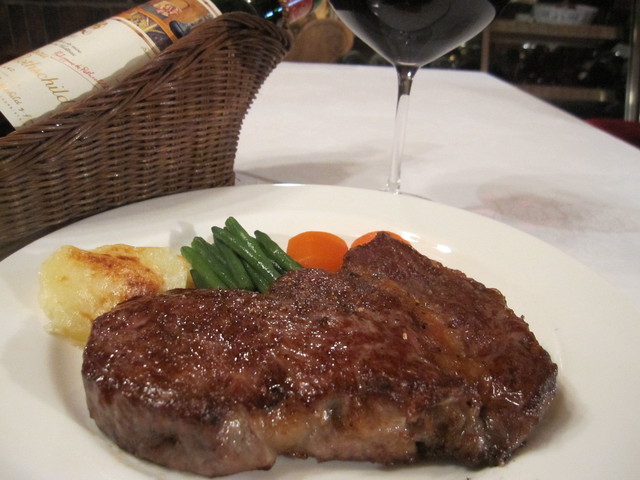
Where Kobe Beef Meets the Counter Discipline of Kaiseki
The hillside streets above Sannomiya in Kobe's Chuo Ward have long housed a particular kind of restaurant: intimate, residential in feeling, formal without being cold. It is an environment that suits the yoshoku tradition, that distinctly Japanese re-interpretation of Western cooking that took root in Kobe during the Meiji era when the port city became one of Japan's primary points of contact with European culinary culture. Arakawa operates within that lineage, applying the sequencing logic and seasonal attentiveness of kaiseki to a format built around teppanyaki steak and European-influenced dishes. The result is a dining room that feels less like a steakhouse and more like a precision counter where each course has been considered against the others.
Kobe holds a specific place in the history of Japanese beef culture. The city's role as a nineteenth-century trading port meant that foreign residents here were among the first to introduce the practice of eating beef at scale in Japan, and the local cattle, fed in the Tajima region and processed through Kobe, developed a reputation that eventually became global shorthand for premium marbled beef. What Arakawa represents is a more evolved position within that tradition: not simply showcasing the ingredient, but framing it within a multi-course structure where fish courses, vegetables, and supporting elements create the kind of progression that serious kaiseki kitchens consider essential to a full meal.
The Room: 26 Seats, Two Floors, One Hierarchy of Occasion
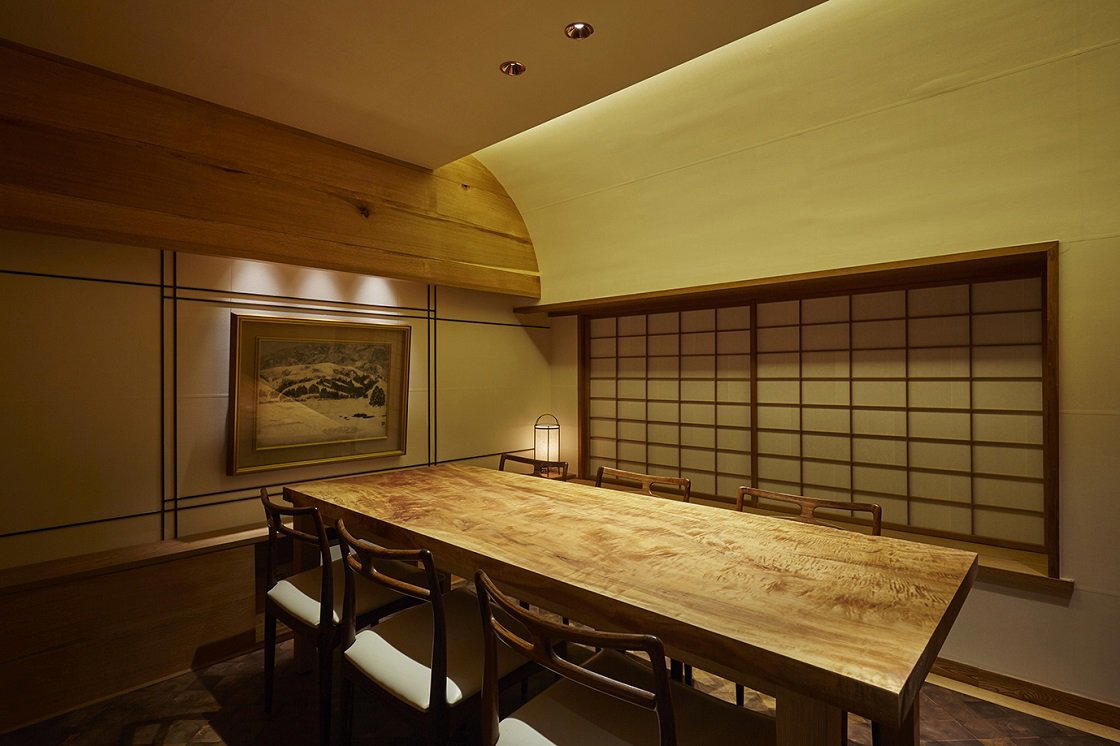
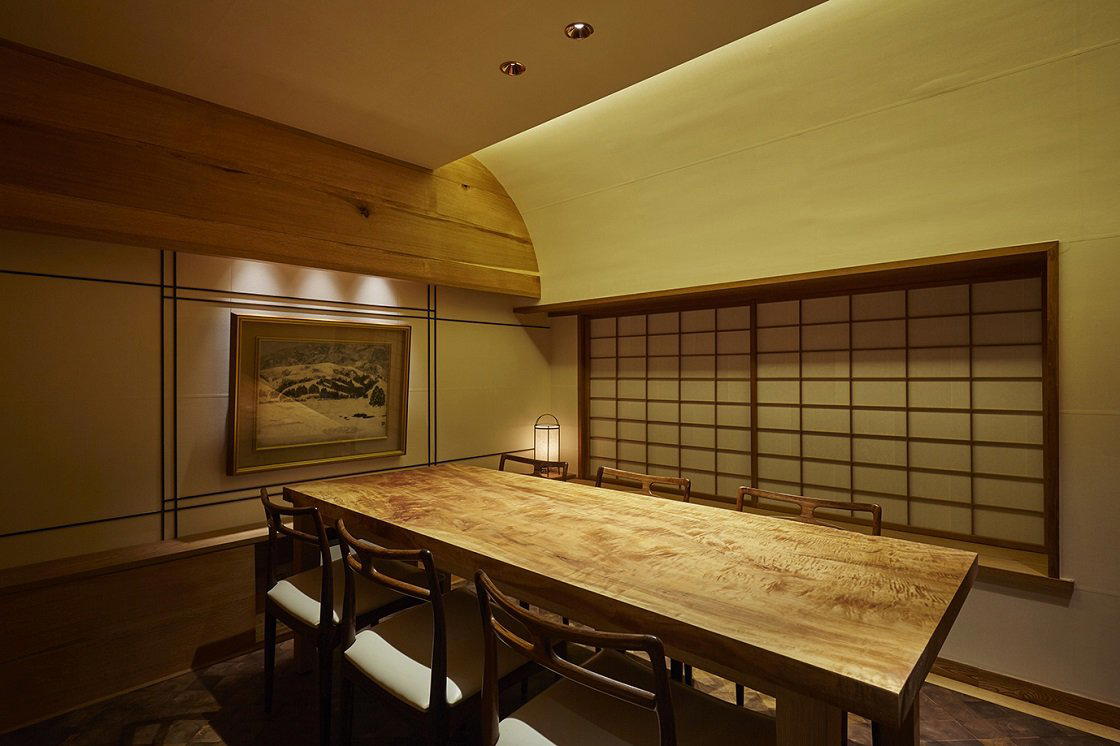
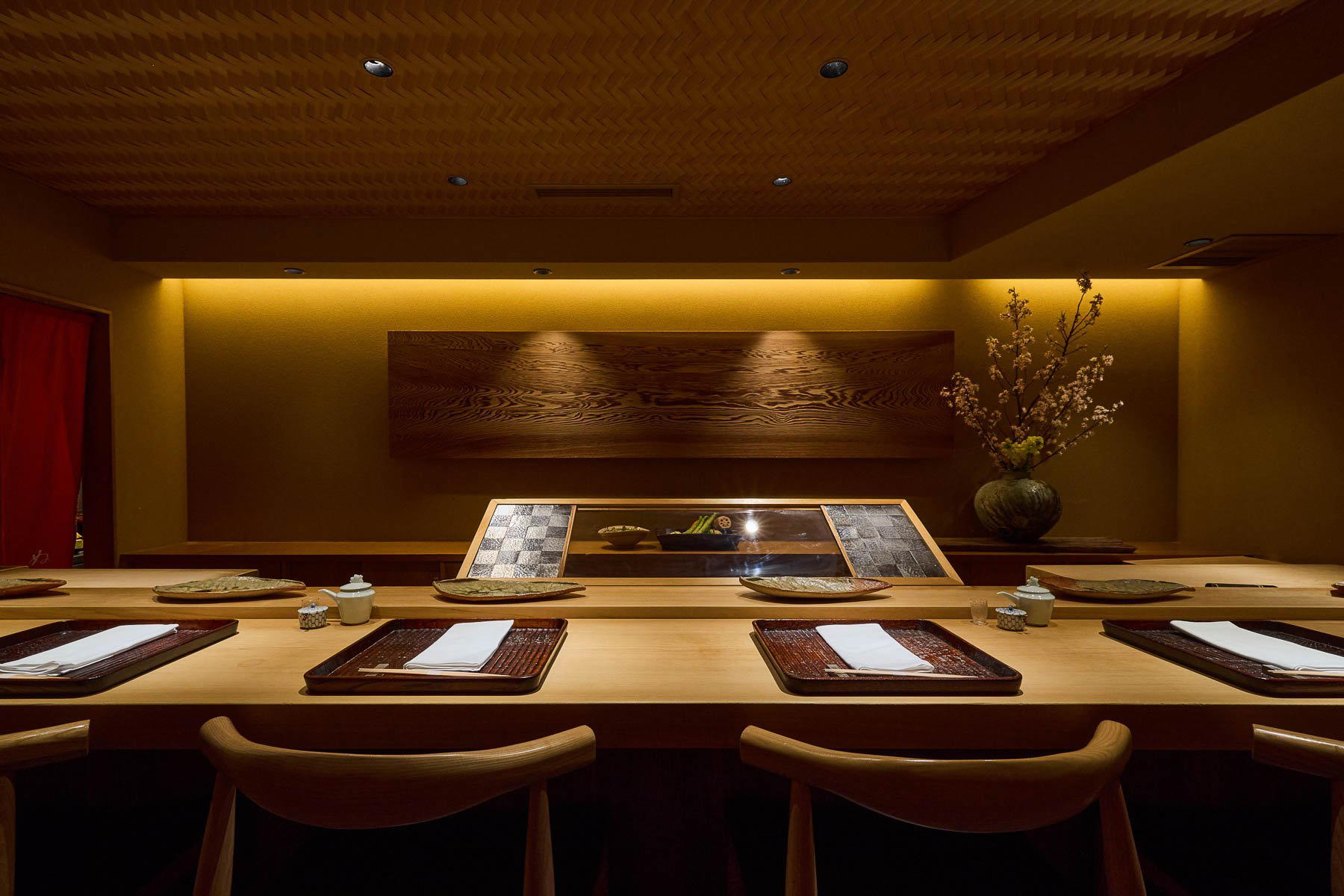
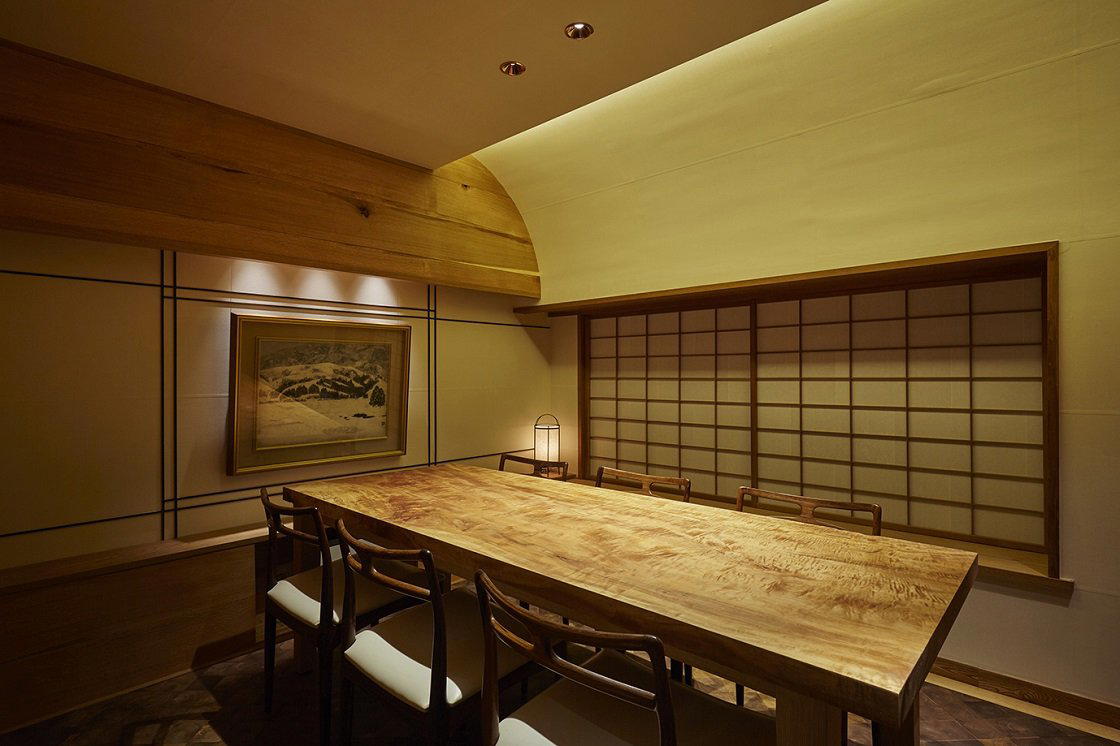
At 26 seats across two floors, Arakawa operates at a scale that sits between particularly intimate counter formats and full restaurant volumes. The ground floor holds 16 seats in the main hall; the second floor contains private rooms accommodating groups of four, six, or eight, with capacity for up to ten. That configuration maps directly onto the occasions this kind of restaurant serves: the ground floor is for individuals, couples, and small groups who want proximity to the cooking; the second floor is for corporate entertainment, milestone dinners, and private gatherings where the room itself becomes part of the occasion. In Kobe's premium dining circuit, this split architecture is common among addresses that have operated for decades and learned to serve multiple client types without compromising either experience.
The space is described as stylish and relaxing with spacious seating, attributes that matter more than they might seem in the context of a long teppanyaki meal. Courses at this price tier unfold over two hours or more, and the physical comfort of the room carries real weight against the bill. A sommelier is on the floor, the wine program is positioned as a genuine focus, and smart casual dress is the standard, creating an atmosphere that reads as serious without the rigidity of black-tie dining. Children are not admitted during dinner service, a policy that reinforces the register the kitchen is calibrating toward.
Recognition Across a Decade: Reading the Award Record
The awards record at Arakawa spans from 2017 through 2026. Tabelog Silver recognition in both 2018 and 2019 placed the restaurant in the upper tier of the platform's annual awards at that time; Bronze recognition in 2017, 2021, and 2026 reflects continued inclusion in the upper bracket across years when competition in Kansai's steak and teppanyaki category intensified significantly. The Tabelog 100 selection in the Steak and Teppanyaki WEST category for 2022, 2024, and 2025 is the more structurally significant credential: it is a curated list rather than a scored threshold, and consistent selection indicates that the restaurant maintains a standard that survives editorial re-evaluation rather than trading on historical reputation.
Tabelog score of 3.99 is high within that platform's distribution curve, where scores above 3.5 already represent a significant minority of restaurants and scores approaching 4.0 are rare. The review-based average spend for dinner (JPY 50,000 to JPY 59,999) runs slightly above the listed dinner price range (JPY 40,000 to JPY 49,999), which typically reflects the addition of wine or premium course upgrades. That gap is worth noting for planning purposes. Arakawa was recognized by Michelin with two stars between 2011 and 2016.
Within Hyogo's current premium dining field, Arakawa occupies a different competitive register than the French-influenced kitchens at Aspirant or the refined European approach at Eragon, and a higher price bracket than the sushi counter at Awajishima Nobu. The grilling-focused format at bb9 offers a different approach to the same broad category, while entre nous operates at a different point on the formal dining spectrum. Across the wider Kansai region, particularly useful comparisons are with teppanyaki and kaiseki-inflected restaurants operating in the JPY 40,000-plus dinner tier in Osaka and Kyoto. HAJIME in Osaka and Gion Sasaki in Kyoto represent stronger examples from that regional tier in their respective formats. Internationally, the kaiseki-influenced sequencing and technical discipline found at this level in Japan has parallels in the omakase and tasting-menu structures at Atomix in New York City or the course-driven precision of Le Bernardin in New York City, though the cultural context and source material differ substantially.
Arakawa sits on Nakayamatedori in Chuo Ward, approximately ten minutes on foot from Sannomiya Station. For those arriving by Shinkansen, Shin-Kobe Station is ten minutes by car. The address is 437 meters from Sannomiya, so the walk involves a gentle uphill grade through the residential blocks above the main commercial district.
Reservations are required. The restaurant is open Monday through Saturday for both lunch (12:00 to 15:00) and dinner (17:00 to 22:00), with Sunday closed. Private room bookings for the second floor, particularly for larger groups approaching ten guests, should be arranged with advance notice.
For comparable kaiseki and precision tasting-menu formats elsewhere in Japan, the work being done at Harutaka in Tokyo, akordu in Nara, Goh in Fukuoka, and 1000 in Yokohama each represents a distinct regional interpretation of the multi-course, ingredient-driven format that defines Japan's premium dining culture.
In Context: Similar Options
Comparable venues nearby, for context on price, style, and recognition.
| Venue | Cuisine | Price | Notes |
|---|---|---|---|
| ArakawaThis venue — the venue you are viewing | Traditional Kobe Beef Steakhouse | $$$$ | Not listed |
| Komago | Traditional Japanese Kaiseki | $$$$ | Kōyōen |
| Awajishima Nobu | Awaji Island Counter Sushi | $$$$ | Shizuki |
| Eragon | Traditional Yakitori | $$$ | Ashiya |
| Maruyasu | Fugu (Pufferfish) Fine Dining | $$$$ | Koshien |
| Rock'n Billy Super 1 | Modern Ramen (Shio, Shoyu, Tsukemen) | $$ | Minamitsukaguchicho |
Recognition history
Dated appearances from independent guides and award organizations, with the underlying list record or original source where available.
Tabelog Bronze #22
Tabelog
Tabelog 100 #100 · No. 100
Tabelog · Tabelog 100 - Steak / Teppanyaki - WEST - 2025
Continue exploring
More in Hyogo
Restaurants in Hyogo
Browse all →
Bars in Hyogo
Browse all →


Hotels in Hyogo
Browse all →

Wineries in Hyogo
Browse all →

At a Glance
- Classic
- Elegant
- Intimate
- Sophisticated
- Business Dinner
- Special Occasion
- Celebration
- Open Kitchen
- Extensive Wine List
- Sake Program
- Local Sourcing
Current opening hours
- Monday
- 12–3 PM, 5–10 PM
- Tuesday
- 12–3 PM, 5–10 PM
- Wednesday
- 12–3 PM, 5–10 PM
- Thursday
- 12–3 PM, 5–10 PM
- Friday
- 12–3 PM, 5–10 PM
- Saturday
- 12–3 PM, 5–10 PM
- Sunday
- Closed
Hours can change for holidays and private events. Last verified .
Traditional antique interior with a classic, relaxing atmosphere evoking good old days.