
Tabelog 100 #2
Our verdict
Kamakura’s seafood cooking has room for a Spanish accent when the kitchen treats fish as the central argument rather than decoration. anchoa brings that position into a compact 15-seat format, with Tabelog Award 2026 Bronze recognition and selection for Tabelog 100 Spanish cuisine in 2026 anchoring its status beyond neighbourhood charm.

Pearl is the En Primeur Club membership app, where members save venues, book tables and use the concierge.
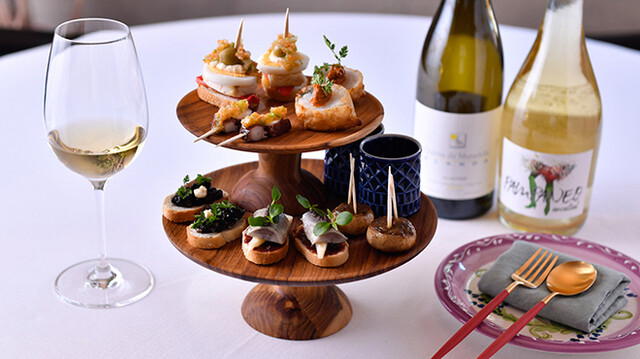
The menu
What to order
- Piquillo Peppers Stuffed
- Anchova Coca
- Squid Ink Paella
Onarimachi has a quieter rhythm than Kamakura’s temple corridors and beach-facing cafés: lanes narrow, foot traffic thins, and the restaurant scale drops to rooms that feel built for locals rather than tour groups. That setting suits Spanish seafood cooking. The point is not imported spectacle, but a conversation between Iberian technique and the fish-led eating culture of coastal Kanagawa.
Kamakura’s dining identity often gets flattened into day-trip soba, sweets, and seaside casualness, yet the city is more interesting at the small-room end of the market. Fifteen seats, including a short counter and a few tables, place anchoa in the category where sourcing, pacing, and restraint matter more than theatrical service. Its recognition as a Tabelog Award 2026 Bronze winner and Tabelog 100 Spanish cuisine selection in 2026 gives that small format measurable weight.
Spanish seafood in a Kamakura register
Spanish cuisine in Japan can split in two directions: the convivial bar model, built around tapas and wine, and the course-driven restaurant model, where seafood becomes the spine of the meal. anchoa belongs to the latter camp. The categories are Spanish, Seafood, and European, but the stronger signal is the kitchen’s stated focus on fish. In a city sitting between Sagami Bay and a commuter rail network to Tokyo, that emphasis reads less like a theme and more like a local logic.
The interesting tension is cultural. Spanish seafood cooking has a deep vocabulary for anchovy, shellfish, rice, olive oil, peppers, garlic, and wine. Japanese coastal dining, especially around Kanagawa, is more likely to foreground seasonality, market freshness, and minimal intervention. A restaurant working between those systems has to avoid two traps: Spanish cosplay on one side, generic modern European plating on the other. The stronger case here is a disciplined course format that lets seafood carry the argument.
The drinks program also points toward that hybrid reading. Wine is an expected anchor for Spanish dining, while sake creates a bridge to Japanese seafood habits. Cocktails are available, but the more telling detail is the presence of a sommelier, because small restaurants with fish-driven courses need pairing judgment rather than a large cellar for show.
A compact room with award-level expectations
15-seat size changes the reader’s expectations. This is not a flexible drop-in tavern model; it is a reservation-only restaurant where the room itself imposes discipline. Three counter seats create a small number of close-range places, while the table count keeps the experience within a controlled rhythm. That scale is common in Japan’s serious dining culture, where intimacy is often operational rather than decorative.
Awards matter because Spanish restaurants outside Tokyo’s central dining districts do not automatically receive national attention. Tabelog’s 2026 Bronze award and Spanish cuisine 100 selection place anchoa in a documented national conversation, while its Kamakura address keeps it outside the usual Tokyo-centric route. The better editorial frame is not “destination dining” as a slogan, but a reasoned detour for travellers already reading Kanagawa through food rather than sightseeing alone.
For a broader view of the prefecture’s range, Our full Kanagawa restaurants guide maps the contrast between specialist counters, regional classics, and modern dining rooms. The same trip can include tempura at Mikasa (Tempura), ramen at Ramenya Iida Shouten (Ramen), Italian formality at Salone 2007 (Italian), or eel at Unagi Tomoei (Unagi). anchoa adds another register: seafood viewed through Spain, but edited for Kamakura’s scale.
How to place it in a Kanagawa itinerary
The stronger use case is a meal built into a Kamakura day rather than a rushed add-on. Lunch and dinner carry different implications in this city: daylight belongs to temple routes, shopping streets, and the shoreline, while evening strips away much of the visitor traffic. A small restaurant in Onarimachi benefits from that shift, especially for travellers who prefer Kamakura after the last wave of day-trippers has left.
There are practical boundaries to read before committing. The restaurant is reservation-only, accepts bookings from two guests, and has specific limits around children, allergies, and larger groups. Those constraints are not hospitality quirks; they are part of how a seafood-led course restaurant protects timing and execution. A 10 percent dinner service charge also places the evening format closer to a composed restaurant experience than a casual Spanish bar.
Kanagawa rewards travellers who build meals across categories rather than chasing a single cuisine. For wider planning, EP Club’s regional pages cover Our full Kanagawa hotels guide, Our full Kanagawa bars guide, Our full Kanagawa wineries guide, and Our full Kanagawa experiences guide. Nearby and cross-region references also help define the range, from -Grilled beef Sukiyaki- KAMAKURA TANUKIAN 鎌倉 たぬき庵 in Kamakura to (Shoku) Vietnam in Kawasaki, plus further afield entries such as. 鮪と炭火焼き うお炭 秋葉原店 in Tokyo.cafe in Osaka.know in Kumamoto, [Curry Senmon Ten] Maruyama Kyoju. in Sapporo, [ki:] in Kyoto, Jōdo Saké Bar in Los Angeles, and Onigiri Time in Pasadena.
The editorial case for anchoa is specific: choose it when the appeal is fish, Spanish technique, and a small Kamakura room with national recognition. It is less suited to travellers seeking loose tapas, large-group flexibility, or a menu that can easily work around multiple major restrictions. In Kanagawa terms, that clarity is the virtue.
Frequently asked questions
Can I bring kids to anchoa?
Yes, with limits. The restaurant accepts children for one window-side table for up to 4 people, and child reservations are handled by phone. Its reservation policy also requires parties of two or more.
Is anchoa formal or casual?
The room reads as smart casual rather than formal, and the 15-seat layout keeps it focused and quiet. That fits a Tabelog 2026 Bronze Spanish restaurant in Kamakura more than a drop-in tapas bar.
What style of cooking does anchoa do?
anchoa serves Spanish, Seafood, European cuisine.
What is anchoa known for?
anchoa is primarily known for Spanish, Seafood, European in Kanagawa.
Comparison Snapshot
Comparable venues nearby, for context on price, style, and recognition.
| Venue | Cuisine | Price | Awards | Notes |
|---|---|---|---|---|
| anchoaThis venue (the venue you are viewing) | Modern Spanish with Local Kanagawa Seafood | $100–150 | Tabelog 100 #2 | Not listed |
| Salone 2007 | Creative Modern Italian | $100–150 | Tabelog 100 #50 | Motomachi Chukagai |
| Unagi Tomoei | Traditional Japanese Unagi | $50–100 | Tabelog Silver #145 | Kazamatsuri |
| Mikasa | Innovative Tempura | Not listed | Tabelog Bronze #272 | Miyazakidai |
| Ramenya Iida Shouten | Artisanal Shoyu Ramen | $20–30 | Tabelog Silver #41 | Yugawara |
| Fonda Sant Jordi | Authentic Catalan Spanish Restaurant & Wine Bar | $50–100 | Tabelog 100 #6 | Shibuya |
Recognition history
Dated appearances from independent guides and award organizations, with the underlying list record or original source where available.
Tabelog 100 #2 · No. 2
Tabelog · Tabelog 100 - Spanish cuisine - 2026
Full recognition history (2 entries)
Tabelog Bronze #18
Tabelog
Continue exploring
More in Kanagawa
Restaurants in Kanagawa
All restaurants in Kanagawa →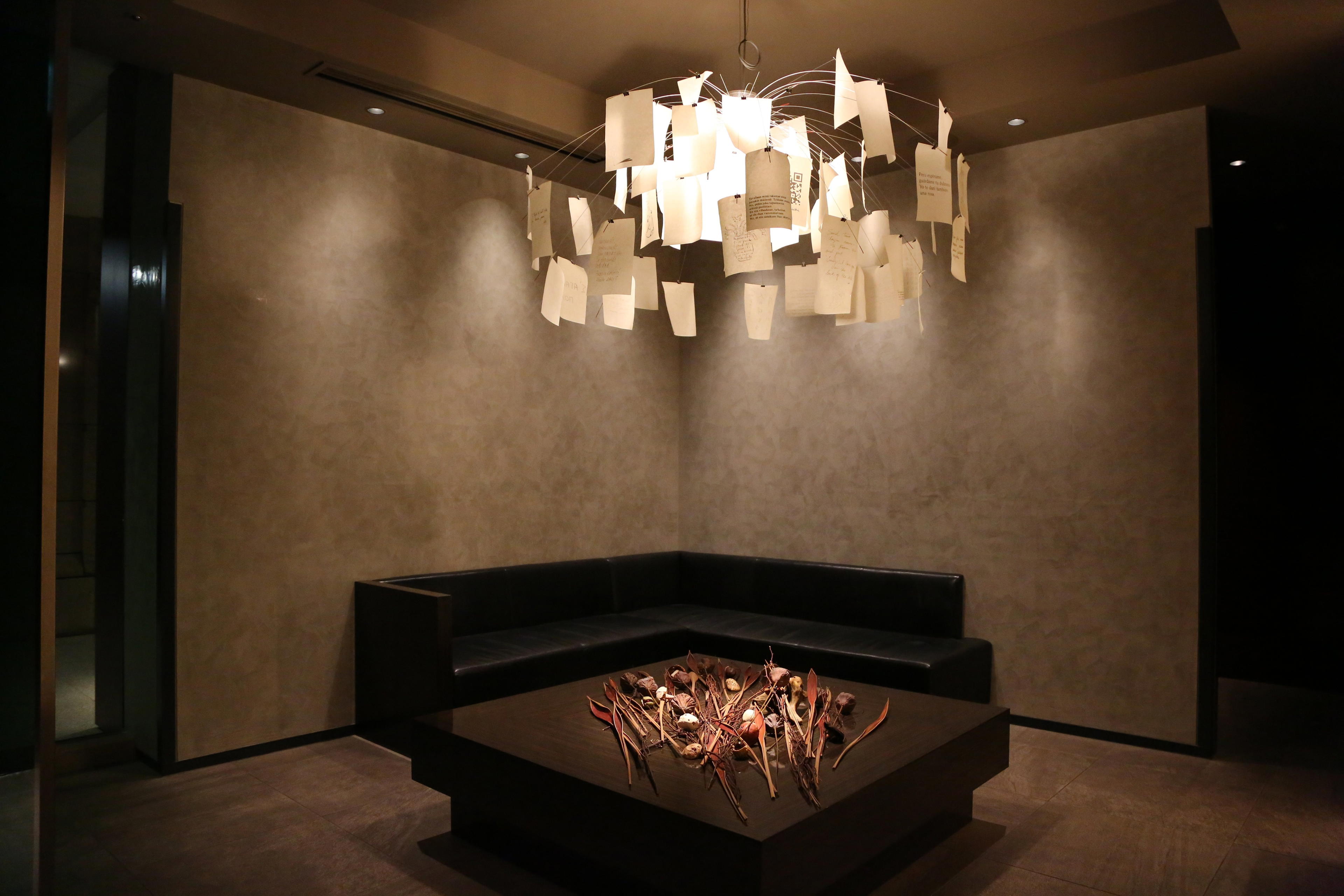

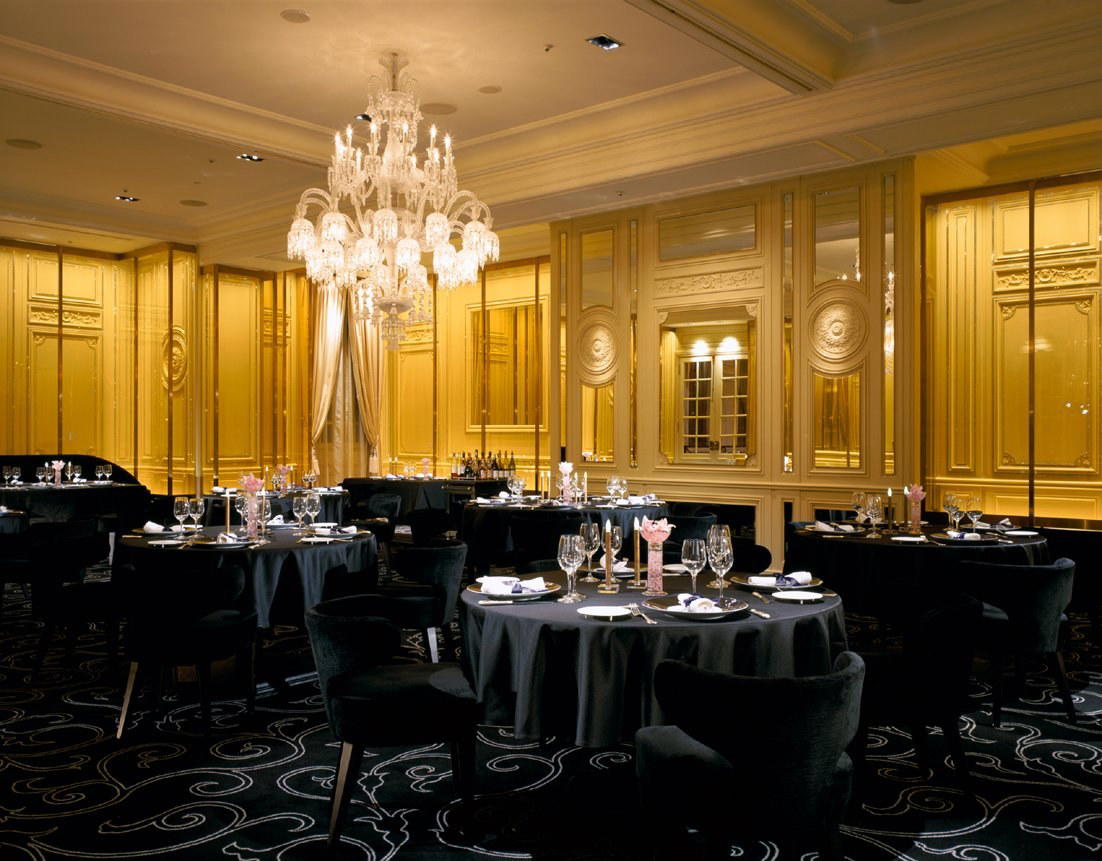


Bars in Kanagawa
Browse all →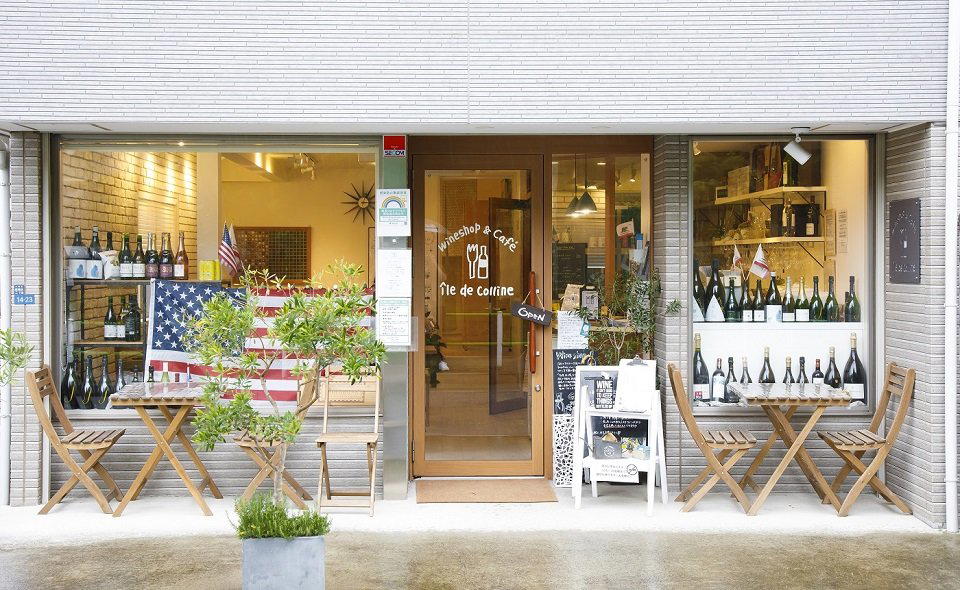


anchoa
The wine
- Wine program
- Deep wine list
- Extensive wine list
- Sake program
Details
- Elegant
- Relaxed
- Cozy
- Modern
- Date Night
- Special Occasion
- Open Kitchen
- Extensive Wine List
- Sake Program
- Local Sourcing
- Sustainable Seafood
- Omakase
- Small Plates
- Wine
- Sake
- Cocktails
- Vegetarian Friendly
Current opening hours
- Monday
- Closed
- Tuesday
- 6–10:30 PM
- Wednesday
- 12–2:30 PM, 6–10:30 PM
- Thursday
- 12–2:30 PM, 6–10:30 PM
- Friday
- 12–2:30 PM, 6–10:30 PM
- Saturday
- 12–2:30 PM, 5:30–10 PM
- Sunday
- 12–2:30 PM, 5:30–10 PM
Hours can change for holidays and private events. Hours as of .
Stylish, relaxed atmosphere with bright and calming interior, spacious seating, and counter for watching the chef.