
Tabelog 100
Our verdict
Heckeln places Tokyo’s kissaten tradition in a compact Nishishinbashi room rather than a polished specialty-coffee frame. Its Tabelog 100 Kissaten selections in 2021 and 2022, 24-seat layout, and sub-¥1,000 spend bracket make it a sharp counterpoint to the city’s reservation-led dining culture: old-school, low-friction in price, but demanding in timing.

Pearl is the En Primeur Club membership app — saves, bookings, and concierge access live there. Same editors, same standards.
The menu
What to order
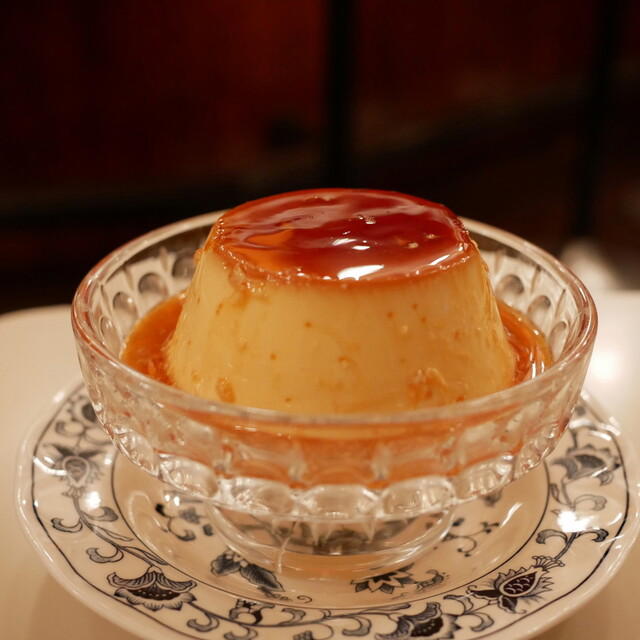
- Jumbo pudding (jumbo purin)
- Crème caramel pudding
- Coffee
The approach to a Tokyo kissaten is rarely theatrical. The signal is usually smaller: an unshowy room, the softer pace associated with café service, and a clientele that treats coffee and sweets as part of the working day rather than a staged occasion. In Tokyo, that grammar matters. The city moves between office routines and older drinking-and-dining habits, where lunch counters, after-work spots, and compact cafés compete for attention without needing the design language of more polished dining districts.
Heckeln belongs to the kissa category rather than the newer specialty-coffee lane. That distinction is useful for travelers planning Tokyo around hard restaurant bookings. Kissaten culture is built on routine, newspapers, sweets, and café rhythm; it is not driven by tasting menus, chef counters, or hotel-lobby polish. The reward is a different register of the city: less performative, more local, and often more revealing than another dinner reservation.
Tokyo kissaten rhythm rewards timing over ceremony
Tokyo dining planning usually pushes visitors toward scarcity: counters, formal rooms, tempura seats, and omakase-style formats where the reservation is part of the status signal. In that context, a recognized kissaten changes the itinerary. The decision is less about securing a table months ahead and more about fitting a café stop into a Tokyo route with realistic expectations about operating rhythm.
The trust signal here is not a Michelin-style hierarchy but a domestic category list. Heckeln was selected for Tabelog 100 Kissaten in 2022, a recognition that places it inside Japan’s coffee-shop canon rather than the city’s fine-dining conversation. That matters because kissaten are judged by different habits: staying power, regulars, coffee-shop food, sweets, seating patterns, and the room’s ability to function as a daily refuge.
The format is best understood as a café rather than a destination dinner room. That distinction explains the planning logic. A café in Tokyo behaves differently from a destination restaurant: the visit is usually shorter and more casual, but demand can still concentrate around peak moments. It is better treated as a precise stop in a Tokyo day rather than a loose fallback after lunch elsewhere.
Compared with higher-spend dining elsewhere in the city, the contrast is sharp. Soba Kiri Sake Daigu and Shimbashi Sasada sit closer to the Japanese restaurant lane, while Tempura Osaka plays in a far higher spend bracket. Curry no Mise Ganji and Mitaka point to Tokyo’s breadth across other forms of dining, but Heckeln occupies the café-sweets corner of the map. For a broader read on the city’s restaurant spread, Our full Tokyo restaurants guide gives the larger frame.
The appeal is the category, not a chef narrative
There is no need to force a chef-driven story onto a kissaten. Tokyo’s kissa tradition predates the current cult of named producers, imported grinders, and minimalist coffee bars. Its appeal sits in continuity: coffee, sweets, conversation, solo visits, and a room that absorbs office workers as easily as café hunters. Heckeln’s categories are listed as kissa, café, and sweets, which places it in that all-day refreshment lineage rather than a narrow dessert salon or third-wave espresso bar.
That makes the venue useful for travelers who want an edible contrast within a Tokyo itinerary. A day could move from a kissa stop to other Tokyo dining rooms, curry at Curry no Mise Ganji, or a more formal meal at Shimbashi Sasada. The point is not to rank these rooms against each other. It is to understand how Tokyo’s food culture works across radically different levels of formality.
The price band also changes the calculus. In a city where premium dinners can run from restrained to severe, a listed - JPY 999 - JPY 999 bracket lowers the barrier while keeping the cultural value high. That is why kissaten are worth protecting in an itinerary: they show a part of Tokyo that luxury dining alone cannot explain. Visitors chasing only counter seats miss the daily architecture of the city’s eating habits.
There is also a useful international comparison. Japanese café culture travels unevenly, and casual formats can change meaning depending on city, audience, and daily routine. Domestic references across Japan show the same point in another way: local context changes the meaning of a casual meal, and a Tokyo kissaten should be read through its own rhythm rather than through imported café assumptions.
How to place it in a Tokyo day
The smartest use of Heckeln is as a planned café pause in Tokyo, not as a substitute for a dinner booking. Its value is highest when paired with a broader city itinerary: galleries, architecture, office streets, and older food areas that shift mood after work. The kissa category makes patience part of the experience, but the spend level keeps the risk low.
Travelers building a wider Tokyo plan should separate categories. Restaurants require one kind of strategy, hotels another, and bars another again. Use Our full Tokyo hotels guide for where to sleep, Our full Tokyo bars guide for after-dark planning, Our full Tokyo wineries guide for wine-led addresses, and Our full Tokyo experiences guide for non-restaurant time. Within that broader grid, Heckeln plays a specific role: an award-recognized kissaten that explains Tokyo’s café culture without asking the traveler to treat coffee as luxury theater.
For contrast inside the city, more visually playful or contemporary urban cafés sit in a different Tokyo café-and-casual universe. Heckeln’s interest is quieter: a recognized kissa in Tokyo, with enough structure to plan around and enough informality to remind visitors that not every meaningful Tokyo meal needs ceremony.
Credentials Lens
Comparable venues to place this listing in its category.
| Venue | Cuisine | Price | Awards | Notes |
|---|---|---|---|---|
| HeckelnThis venue (the venue you are viewing) | Classic Japanese kissaten & pudding café | $1–10 | Tabelog 100 | Not listed |
| Jikasei Sanuki Udon to Niku Jinza Daimon ten | Sanuki udon & meat (Jinza Daimon) | $1–10 | Tabelog 100 #28 | Minato |
| Taishu Sakaba Souya | Traditional Japanese standing bar (taishu sakaba) | $30–50 | Tabelog 100 #48 | Minato |
| Oniyanma Ningyouchou ten | Standing Udon Noodle Bar | $1–10 | Tabelog 100 #76 | Chūō |
| Jikasei Chuka Soba Toshioka | Ramen & Tsukemen Counter | $10–20 | Tabelog 100 #41 | Shinjuku |
| Koukai Bou | Classic Tokyo ramen & tsukemen | $10–20 | Tabelog 100 #18 | Kōtō |
Recognition history
Dated appearances from independent guides and award organizations, with the underlying list record or original source where available.
Tabelog 100
Tabelog · Tabelog 100 - Kissaten - 2026
Full recognition history (2 entries)
Tabelog 100 #48 · No. 48
Tabelog · Tabelog 100 - Kissaten - 2022
Continue exploring
More in Tokyo
Restaurants in Tokyo
All restaurants in Tokyo →
Bars in Tokyo
All bars in Tokyo →
Details
- Classic
- Cozy
- Well Known
- Solo
- Family
- After Work
- Casual Hangout
- Historic Building
- Standalone
- A La Carte
- Counter Dining
- Coffee
- Tea
Current opening hours
- Monday
- 9 AM–3 PM
- Tuesday
- 9 AM–3 PM
- Wednesday
- Closed
- Thursday
- 9 AM–3 PM
- Friday
- 9 AM–3 PM
- Saturday
- Closed
- Sunday
- Closed
Hours can change for holidays and private events. Last verified .
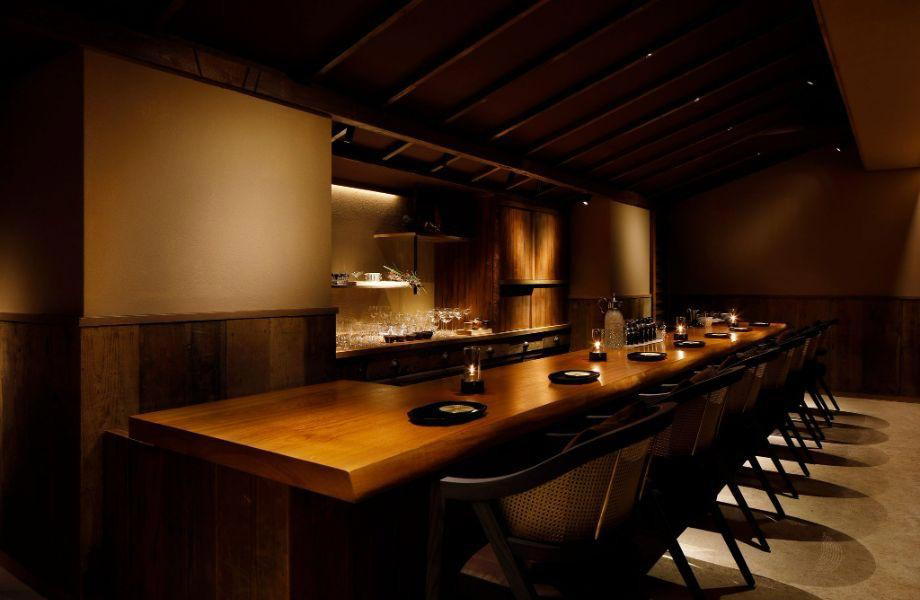
Old-school Japanese kissaten with a retro, slightly timeworn interior, counter and sofa seating, a relaxed and friendly atmosphere, and the nostalgic feel of a long-loved neighborhood café.